
Retirement Food Travellers Guide: Culinary Adventures Around the World for Curious Retirees
A friendly guide for retirement food travellers—planning tips, must-try experiences, smart budgeting, and cultural know-how to eat well anywhere in retirement.
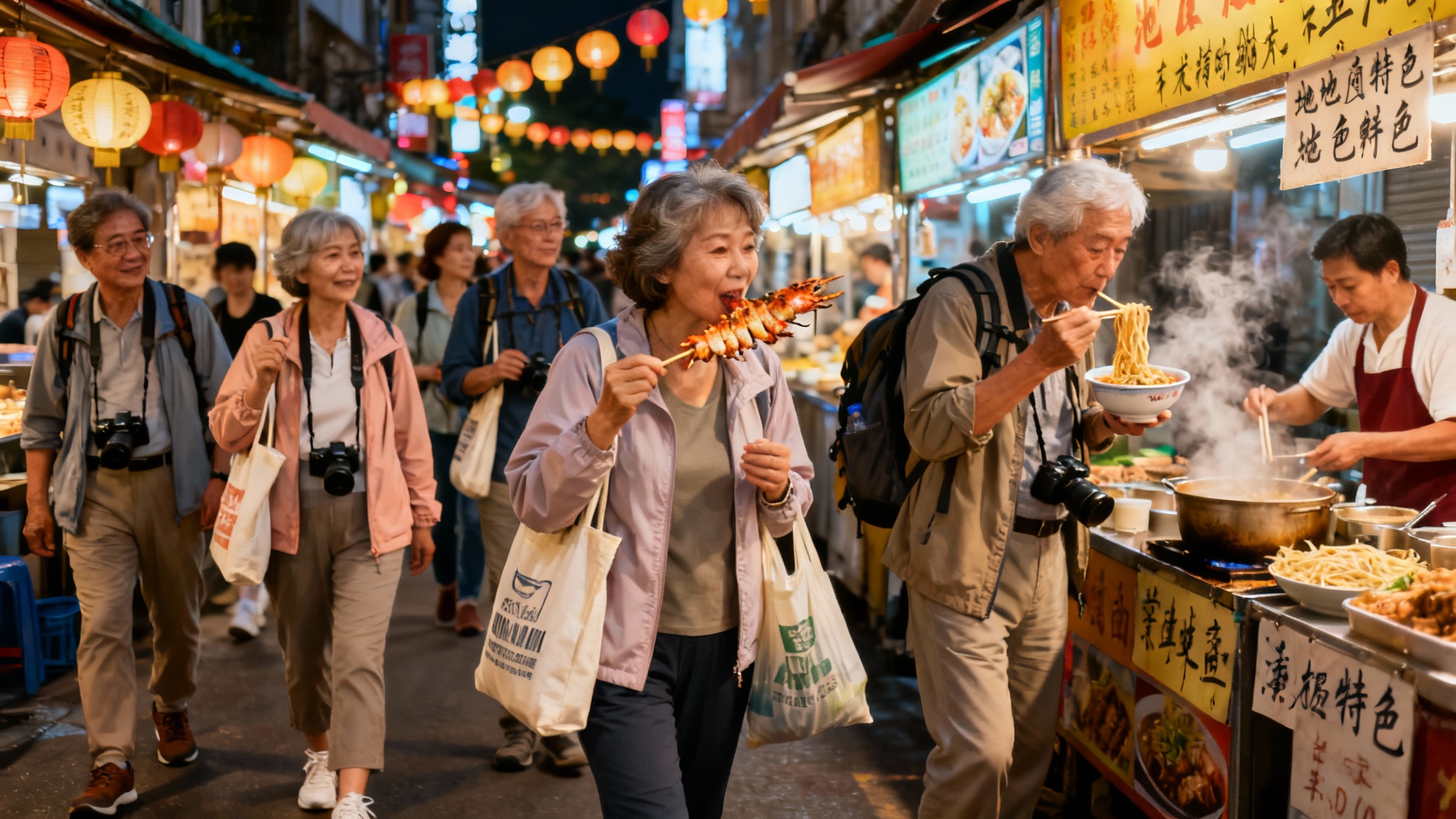
If you’ve ever booked a flight because someone told you, “You have to try the noodles there,” then retirement might just be your golden age of food travel. Retirement food travellers aren’t rushing through airports on a three-day work break anymore. We finally have the luxury of slowing down, lingering at markets, taking cooking classes, and wandering side streets simply because something smells incredible.
I still remember the first time I truly embraced retirement-style food travel. I was jet-lagged in Osaka at nearly midnight, sitting shoulder-to-shoulder with locals in a tiny ramen shop while the chef quietly stirred a broth he’d been perfecting for decades. Nobody spoke much, but somehow the whole room understood each other through steam, noodles, and appreciative silence. That’s the magic food travellers chase. Food becomes the language.
Retirement food travel isn’t just about eating well. It’s about reconnecting with curiosity after years of schedules, deadlines, and “maybe someday” dreams. Suddenly, your calendar has space for a three-hour lunch in Bologna or an unplanned market detour in Bangkok. And honestly? That freedom tastes amazing.
For travelers wanting deeper culinary travel insights, the World Food Travel Association 2024 State of the Industry Report highlights how authenticity, local food traditions, sustainability, and cultural immersion continue shaping modern food tourism trends.
Why Retirement Is the Perfect Time for Food Travel
There’s something beautifully different about traveling after retirement. You stop trying to “see everything” and start appreciating experiences more deeply. Instead of sprinting through ten attractions in one day, retirement food travellers often prefer one unforgettable meal, one meaningful conversation, or one slow afternoon in a neighborhood café.
That slower pace changes everything.
You notice details you would have missed before: the grandmother folding dumplings by hand in Hanoi, the quiet ritual behind Japanese tea service, or the market vendor in Oaxaca explaining why mole recipes stay in families for generations. Food travel becomes less about checking boxes and more about collecting stories.
Many retirees also discover that food-focused travel feels more approachable than high-intensity tourism. You don’t need to climb mountains or backpack for weeks to have meaningful adventures. Sometimes the best memories happen at a tiny bakery with no English menu and a line of locals out the door.
And let’s be honest—after decades of working, there’s something deeply satisfying about finally planning your day around lunch.
What Makes Retirement Food Travellers Different
Retirement food travellers often travel with a little more intention and a lot less pressure. We care less about trendy hotspots and more about authenticity, comfort, pacing, and connection.
We want experiences that feel genuine.
That might mean taking a pasta workshop in Bologna instead of rushing between landmarks, or spending an entire morning wandering through a market in Bangkok tasting unfamiliar fruits and chatting with vendors through translation apps and hand gestures.
Retirement also gives many travelers the confidence to travel differently. You stop worrying about looking silly for mispronouncing menu items or getting lost in side streets. Curiosity replaces self-consciousness.
I’ve found that retirees often become better food travellers because they’re more patient. They sit longer. They ask more questions. They’re willing to linger over coffee instead of treating meals like pit stops between attractions.
And honestly, locals seem to appreciate that slower energy too.
The First 48 Hours: A Smart Retirement Food Travel Strategy
One of the best things retirement food travellers can do is avoid overpacking the itinerary. The first two days should help you settle into the local rhythm rather than exhaust yourself trying to conquer the city.
Start with a neighborhood walk. Spend an hour exploring the blocks around your hotel or rental. Notice which cafés fill up in the morning, where locals queue for lunch, and which bakeries still have lines at sunset. Those patterns tell you more than online rankings ever will.
Markets are another perfect starting point. Whether it’s Tokyo’s food halls, Oaxaca’s bustling mercados, or Bangkok’s night markets, these places immediately immerse you in local food culture. Buy small portions from multiple stalls and let your senses guide you. Retirement food travellers have the luxury of taking their time, and markets reward patience.
Booking one food-focused experience early in the trip also helps tremendously. A cooking class, market tour, or local food walk teaches you the basics of etiquette, ingredients, and regional specialties. It builds confidence quickly and often leads to recommendations you’d never discover otherwise.
Most importantly, retirees should pace themselves. Jet lag plus rich food plus ambitious sightseeing is a combination your stomach may not appreciate anymore. Trust me on this one.
Choosing Destinations for Retirement Food Travel
Some destinations simply shine for retirement food travellers because they combine incredible cuisine with walkability, comfort, safety, and a relaxed pace.
Tokyo, Japan
Tokyo is heaven for food travellers who appreciate precision, tradition, and incredible attention to detail. Retirement travelers especially love the city because it’s clean, organized, and surprisingly easy to navigate once you settle in.
A bowl of tsukemen at Rokurinsha near Tokyo Station can become a core memory. Wandering through the narrow alleys of Omoide Yokocho in Shinjuku feels like stepping into another era entirely.
And then there are the department store food halls—those glorious underground temples of pastries, sushi, bento boxes, and desserts that somehow make grocery shopping feel luxurious.
Bangkok, Thailand
Bangkok offers retirement food travellers incredible value, unforgettable street food, and sensory overload in the best possible way.
The energy of Yaowarat Road in Chinatown at night is unforgettable. Smoke rises from grills, woks hiss constantly, and every few feet another vendor tries to tempt you with something crispy, sweet, spicy, or all three at once.
Markets like Or Tor Kor Market are especially appealing for retirees because they’re cleaner, calmer, and easier to navigate than some of the more chaotic street markets.
And yes, mango sticky rice during peak mango season genuinely deserves the hype.
Oaxaca, Mexico
Oaxaca feels almost designed for retirement food travellers. The pace is slower, the culinary traditions run deep, and the city rewards curiosity.
Wandering through Mercado 20 de Noviembre is sensory therapy. Smoke from grilled meats drifts through the market while vendors offer mole tastings and warm tortillas fresh from the press.
A mezcal tasting at Mezcaloteca teaches you quickly that mezcal is far more nuanced than many travelers realize.
And if someone offers chapulines—those famous toasted grasshoppers—just try them once. Retirement is exactly the right time for tiny culinary bravery.
Bologna, Italy
Bologna is one of the best destinations in the world for retirement food travellers who value comfort, long meals, and culinary craftsmanship.
Fresh pasta workshops here feel less like classes and more like cultural inheritance. Watching a sfoglina roll dough by hand reminds you how much knowledge lives in repetition and tradition.
Meals at places like Trattoria di Via Serra are wonderfully unhurried. Nobody rushes you out the door. Retirement travelers often find themselves adapting quickly to Italy’s slower dining rhythm—and wondering why they ever ate lunch at their desk in the first place.
Hanoi, Vietnam
Hanoi has a kind of culinary poetry to it. Retirement food travellers often fall in love with the city because every block seems to specialize in one thing done exceptionally well.
Pho for breakfast in the Old Quarter becomes a ritual almost immediately. One broth may taste peppery and rich, while another just two streets away feels brighter and more herbal.
Egg coffee, bun cha, and endless bowls of noodles turn everyday meals into small adventures.
And somehow, despite the busy streets and motorbikes everywhere, Hanoi still feels deeply personal.
Smart Budgeting for Retirement Food Travellers
One of the biggest myths about food travel is that it requires luxury-level spending. In reality, retirement food travellers can eat incredibly well at almost any budget.
Lunch specials are often the smartest move. In Japan, Italy, and parts of Europe, lunch sets frequently offer restaurant-quality experiences at a fraction of dinner prices.
Street food and markets also help stretch your budget without sacrificing quality. Some of the best meals you’ll ever eat may cost less than a cup of airport coffee back home.
Retirement travelers also benefit from flexibility. Since you’re not squeezed into short vacation windows, you can travel during shoulder seasons when flights and accommodations are cheaper while food scenes remain vibrant.
Southeast Asia remains especially budget-friendly for retirees. In cities like Bangkok or Hanoi, you can comfortably eat very well for $20–40 per day.
Meanwhile, Japan and Western Europe may require closer to $50–100 daily depending on your preferences, though strategic lunches and market meals can reduce costs significantly.
Staying Healthy While Eating Everything
Retirement food travellers quickly learn that enthusiasm and digestion don’t always age at the same speed.
Hydration matters more than ever, especially in warm climates. If local tap water is questionable, stick to bottled water even for brushing your teeth.
Street food safety also comes down to common sense. Busy stalls with high turnover are almost always your safest bet. If locals are lining up repeatedly, that’s a good sign.
Pacing yourself is another retirement travel superpower. You don’t need to try twelve dishes in one sitting just because they’re available. Tomorrow exists. That’s one of retirement’s greatest gifts.
I also strongly recommend carrying a small travel health kit with basics like antacids, probiotics, oral rehydration salts, and any medications you regularly use. It’s not glamorous, but neither is spending half your vacation searching for a pharmacy.
Why Food Travel Feels So Meaningful in Retirement
Retirement food travellers often discover that culinary travel becomes about much more than food itself.
Meals become anchors for memory. A bowl of ramen can remind you of resilience. A market conversation can restore your curiosity about the world. A cooking class can reignite creativity you forgot you missed.
After years of structured routines, food travel invites spontaneity back into life. You start following smells down side streets again. You become open to surprise.
And perhaps most importantly, food travel reminds retirees that discovery doesn’t stop at a certain age. In many ways, retirement is when discovery finally gets the time it deserves.
Final Thoughts for Retirement Food Travellers
The best retirement food travellers aren’t necessarily the people eating at Michelin-starred restaurants every night. They’re the ones staying curious. They’re the retirees willing to wander, taste, ask questions, and occasionally order something they can’t pronounce.
Food travel in retirement isn’t about checking destinations off a list. It’s about connection—through flavors, traditions, stories, and shared tables.
If you want to explore current culinary tourism trends further, the World Food Travel Association Research Hub is an excellent resource for understanding how authenticity, local culture, and sustainability continue shaping food travel experiences worldwide.
So pick a city. Pick three dishes you’ve always wanted to try. Book one cooking class or market tour. Then leave room for detours, because the best meal of your life probably isn’t the famous one—it’s the tiny place you almost walked past.
And honestly? Retirement is the perfect time to go find it.






One Comment
Comments are closed.