
What Dog Suits Your Lifestyle in Retirement? A Breed Guide That Actually Helps You Decide
Trying to find the best dogs for retirees? This guide covers on what dog suits your lifestyle in retirement with its energy, home fit, temperament, costs, and care so you can choose a companion that truly fits retirement life.
There’s a story I always think about when this topic comes up.
My friend Carol retired in June, and by August, she had a Border Collie.
Now, Carol is lovely. Thoughtful, organized, kind, and very much a “slow coffee on the porch” kind of person. The dog, on the other hand, arrived with the energy of a motivational speaker and the stamina of an Olympic athlete. By the second week, Carol was trying to keep up with puzzle toys, long walks, backyard games, and a dog who seemed personally offended by rest.
The Border Collie was thriving. Carol looked like she needed a nap and a mild apology.
I don’t tell that story to scare anyone away from getting a dog in retirement. Quite the opposite, actually. A dog can make retirement richer, warmer, and a whole lot less quiet. But breed fit matters more than people think. A lot more.
Finding the best dogs for retirees is not about choosing the cutest dog, the trendiest breed, or the one your neighbor swears is “just wonderful.” It’s about finding the dog that fits the life you really live. Not the life you had at 40. Not the life you vaguely imagine starting next month. The life you’re living now, on an ordinary Tuesday.
That means your energy level, your home, your schedule, your budget, your travel habits, and your tolerance for barking, shedding, grooming, and general canine opinion-making all matter.
The right dog will slide into your retirement life and somehow make it feel fuller. The wrong dog will turn your golden years into a part-time job you didn’t apply for.
So let’s make this easier. Below, we’ll walk through how to assess your lifestyle honestly, which traits matter most, which breeds tend to suit different retirement routines, and where to find reliable help when you’re ready to choose.
Key Takeaways
- The best dogs for retirees match your real energy level, not the one you wish you had.
- Your home setup matters more than most people realize.
- Temperament, trainability, and daily care needs often matter more than popularity.
- Grooming, vet costs, and long-term care should be part of the decision from the start.
- Smaller or lower-energy breeds often suit retirement well, but active retirees may do great with more energetic dogs.
- Trusted resources like the AKC, AARP, and the Humane Society can help you narrow your options.
- It’s smart to choose a dog that fits your life now and still makes sense several years from now.
What Dog Suits Your Lifestyle in Retirement and Why Choosing the Right Dog Matters More
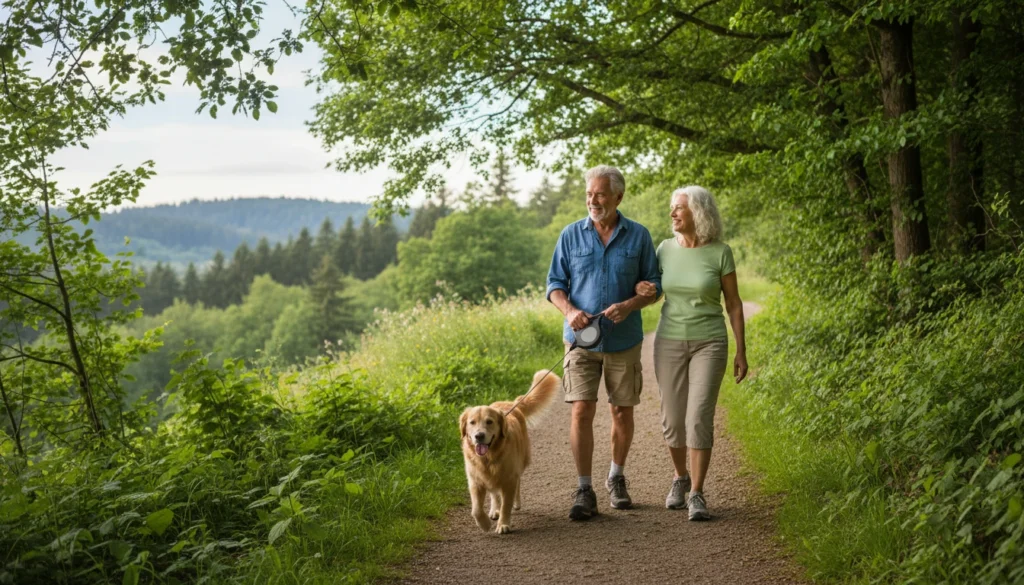
Retirement changes your pace.
For some people, that means more walking, more travel, and more freedom to be out in the world. For others, it means quieter mornings, more time at home, and finally getting to enjoy life without rushing through it. Neither version is better. But they do not all need the same dog.
That’s where people get themselves into trouble.
They choose a dog based on appearance, nostalgia, or a vague idea of what sounds fun, and only later realize they’ve brought home a companion whose needs don’t line up with their daily life at all. A dog that needs constant stimulation will not magically “settle down” because you’re retired. A highly vocal breed will not become quieter because your condo has thin walls and patient neighbors. Dogs are many wonderful things, but they are not especially committed to adapting around our denial.
That’s why finding the best dogs for retirees starts with one simple thing: honesty.
How to Honestly Assess Your Lifestyle Before Choosing a Dog
This is the part people skip, and it’s probably the most important part.
Before you look at a single breed list, ask yourself what your life actually looks like.
Not your ideal version. Not your ambitious version. Your real one.
Do you like long walks every day, or do you like the idea of long walks every day? Are you home often, or do you travel a lot? Do you want a dog that shadows you from room to room, or would that make you feel mildly watched in your own kitchen? Do you enjoy lively company, or do you prefer a calm house?
These questions sound simple, but they tell you a lot.
The best dogs for retirees are not the same for someone living in a downtown apartment as they are for someone with a fenced yard and grandchildren visiting every weekend. They’re not the same for a retiree who hikes three mornings a week as they are for someone who wants a peaceful companion and a short neighborhood stroll.
Your lifestyle narrows the field faster than any breed ranking ever will.
Activity Level: The Question Most People Misjudge
If I could make every future dog owner answer one question honestly, it would be this: how active are you really?
Because this is where fantasies cause problems.
We all have an aspirational self. The version of us that wakes up early, takes brisk walks, stays organized, and feels energized by structure. Then there’s the actual self, who may prefer a slower start, one solid walk, and a respectable amount of sitting down. Both are perfectly fine. But only one of them should be picking the dog.
Research published in BMC Veterinary Research found clear differences in walking expectations across breeds, which is another way of saying this is not something you can hand-wave away. Some dogs truly need far more exercise than others.
If You’re Highly Active
If your retirement includes long daily walks, gardening, hiking, or a generally energetic lifestyle, you have more options. Breeds like Labrador Retrievers, Golden Retrievers, and Pembroke Welsh Corgis often suit retirees who genuinely enjoy movement and consistency.
But even then, be careful with very high-drive dogs. Breeds like Border Collies, Australian Shepherds, and Siberian Huskies are beautiful, smart, and impressive. They are also exhausting if your lifestyle does not fully match theirs. Admiring a breed is not the same as living with one.
If You’re Moderately Active
This is probably where many retirees land.
You enjoy daily walks. You like being outside. You want a dog that’s happy to go places with you, but you do not want to build your entire day around canine cardio. That’s where breeds like Beagles, Cocker Spaniels, and some smaller sporting or companion breeds can work really well.
They tend to enjoy activity without requiring you to become a camp counselor.
If You Prefer a Slower Pace
There is absolutely no shame in wanting a lower-energy dog. In fact, that may be one of the smartest decisions you can make.
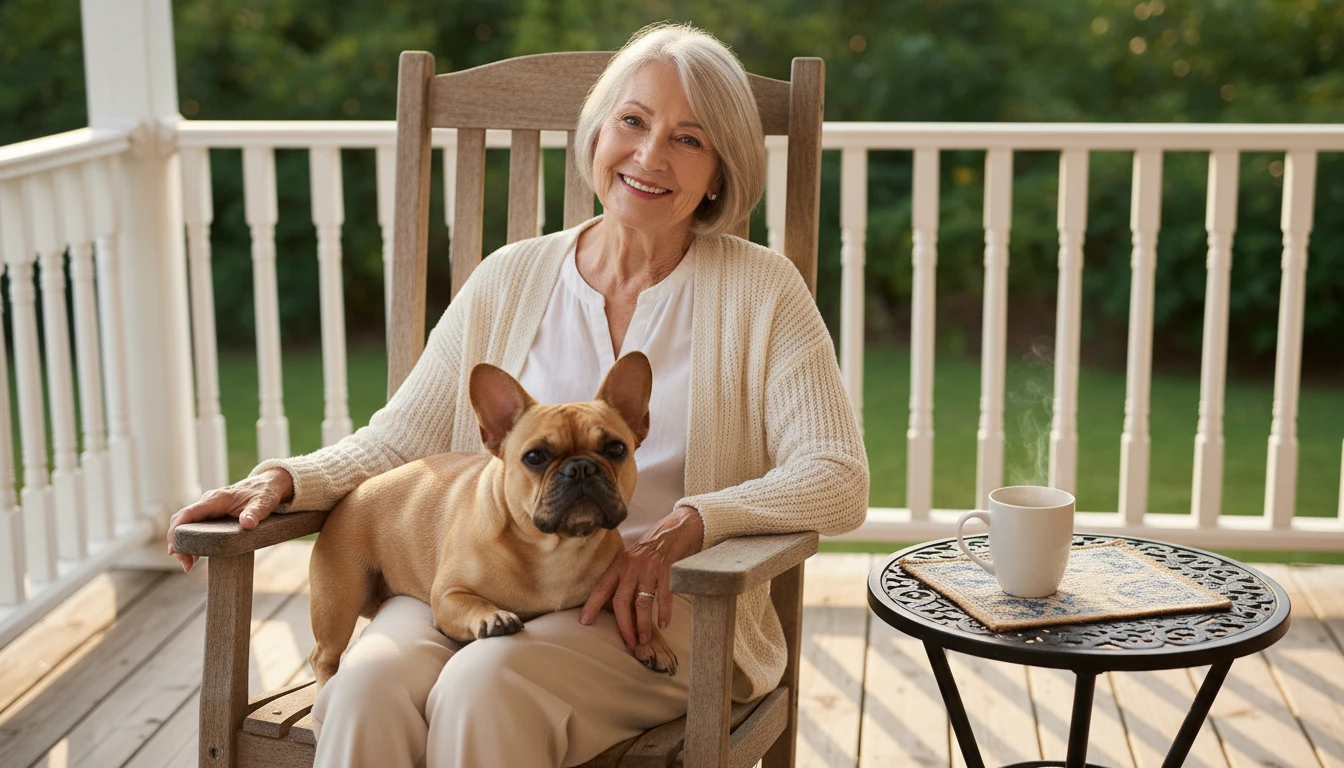
If your ideal day includes short walks, quiet companionship, and a dog that thinks napping is a legitimate hobby, you’ll probably do better with breeds like Shih Tzus, Pugs, French Bulldogs, or Cavalier King Charles Spaniels.
Honestly, some of these dogs seem custom-designed for retirement. A bit of affection, a bit of fresh air, then back to the sofa. There’s wisdom in that.
Your Home Matters More Than You Think
People tend to focus on personality first, but your living situation really does shape what kind of dog will work.
A dog doesn’t live in a breed profile. It lives in your home.
If You Live in an Apartment or Condo
Space matters, but noise may matter even more. A dog that adapts well to smaller spaces and doesn’t turn every hallway sound into a security alert is usually a much better fit.
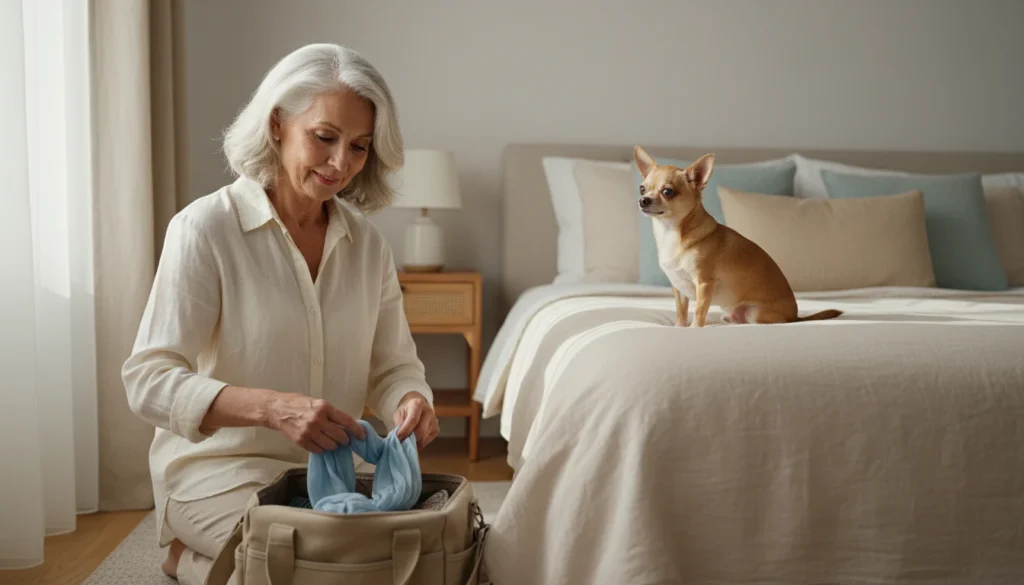
Cavalier King Charles Spaniels, Maltese, Chihuahuas, and French Bulldogs often do well in apartments when their exercise and companionship needs are met. According to AARP’s guidance for older adults, smaller, well-socialized dogs tend to be especially practical for retirees in compact spaces or shared buildings.
If You Have a House and Yard
A yard gives you more flexibility, especially if it’s fenced. It doesn’t replace walks or attention, of course, but it does make life easier for dogs who enjoy more room.
If you have outdoor space and like to use it, breeds like Golden Retrievers, Labs, and Beagles may become more realistic options. Even so, don’t make the classic mistake of thinking a yard will “exercise the dog for you.” It won’t. It just gives you more room to work with.
If You Live Alone
This is where companionship becomes especially important.
Many retirees living alone want a dog that genuinely enjoys closeness and company. Not a dog that merely tolerates affection between independent stretches of ignoring you. Breeds like the Bichon Frise, Maltese, and Cavalier King Charles Spaniel tend to do especially well here because they truly like being with their people.
And that matters. A lot.
If Grandchildren Visit Often
If your house becomes grandchild central on weekends or holidays, temperament becomes even more important. You want a dog that is patient, friendly, and not easily overwhelmed.
Labrador Retrievers, Golden Retrievers, and Beagles are often strong choices for multi-generational households because they tend to be social, tolerant, and easygoing.
Also, and this is not scientific, kids and friendly dogs together can buy you at least ten minutes of relative peace. Sometimes that alone deserves consideration.
Temperament Matters More Than Popularity
This may be the most underrated point in the whole conversation.
The best dogs for retirees are not necessarily the most popular dogs. They’re the dogs whose temperament fits your emotional life at home.
A calm, friendly, trainable dog can make daily life feel easier almost immediately. A stubborn, anxious, reactive, or extremely intense dog may still be lovable, but it may not be what you want in retirement.
A behavioral analysis by J.A. Serpell found meaningful differences among popular AKC breeds, which reinforces what experienced dog owners already know: breed tendencies are real, and they affect daily life.
Friendly and Social Dogs
Breeds like Labradors, Golden Retrievers, and Cavaliers tend to be warm, approachable, and eager to connect. They’re usually easier for first-time dog owners and often fit well into homes with visitors, family, or grandchildren.
More Independent Dogs
Some breeds are more aloof or self-directed. That doesn’t make them bad dogs. It just means they may not suit retirees looking for a deeply companionable, easygoing pet.
Independent dogs can be wonderful with the right owner, but they usually require more patience and fewer romantic illusions.
Protective or Strong-Willed Dogs
Protective breeds can be incredibly loyal, but they also tend to need firmer training, more early socialization, and a more confident handling style. For a retiree wanting a peaceful companion animal, that may not be the most relaxing fit.
Reward-based training, as research in Applied Animal Behaviour Science has shown, tends to create better results and stronger bonds. That matters because most retirees do not want a battle of wills. They want a companion who can live comfortably inside the rhythm of home life.
Size, Grooming, and Exercise: The Everyday Reality Check
This is the practical part, and frankly, it’s where good intentions meet actual life.
Size
Very large dogs can be wonderful, but they are not always easy to manage as they age or as you age. They take up more room, are harder to lift or assist if injured, and can be physically more demanding on a leash.
For many retirees, small to medium dogs hit the sweet spot. They’re easier to manage, easier to travel with, and often easier on your body day to day.
Exercise
Some dogs need a quick stroll and a little play. Others need a serious workout and mental stimulation or they start inventing hobbies, most of which you will not enjoy.
Be honest about how much exercise you can provide consistently. Not on your best week. On your average week.
Grooming
This one sneaks up on people.
A fluffy coat is adorable right up until you realize it requires regular brushing, professional grooming, and a standing budget category of its own. Breeds like Poodles and Bichon Frises often need grooming every four to eight weeks. Short-coated breeds like Beagles or French Bulldogs are usually much simpler to maintain.
Neither option is wrong. Just know what you’re signing up for before the haircut bills start arriving.
Best Dogs for Retirees by Lifestyle Type
Now let’s get practical.
Best Dogs for Retirees Who Want a Calm, Relaxed Companion
If your ideal dog is affectionate, manageable, and happy with a quieter routine, these breeds tend to come up again and again for good reason.
Cavalier King Charles Spaniel
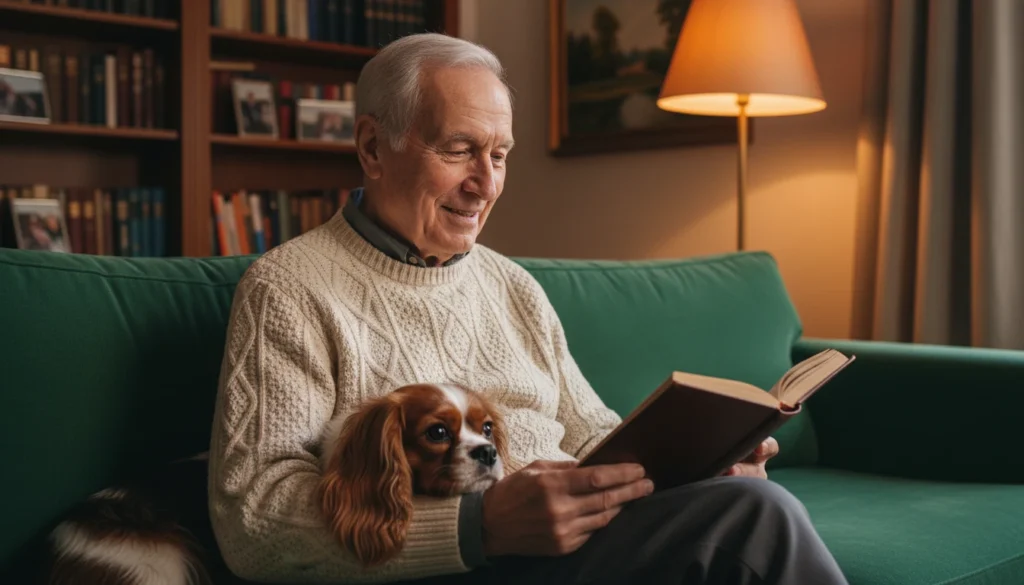
Sweet, gentle, adaptable, and genuinely happy just being near you. Cavaliers are one of the most natural companion dogs around, especially for retirees who want warmth without chaos.
Shih Tzu
Shih Tzus were bred to be companions, and it shows. They tend to be affectionate, loyal, and comfortable in slower-paced homes. They don’t need intense exercise, but they do like attention, which many retirees are happy to provide.
French Bulldog
Frenchies are affectionate, low-key, and usually well suited to apartment or condo life. They don’t need long outings, though they do need care in hot weather because of their breathing issues.
Pug
Pugs are funny little charm machines. They’re playful without being overwhelming, people-focused, and usually happy with short walks and indoor companionship.
Best Dogs for Retirees Who Like to Stay Active
If you enjoy being out and about and want a dog that can keep up, these breeds are often strong matches.
Labrador Retriever
Friendly, eager, trainable, and active without being impossible for many retirees to manage. Labs are social, dependable, and generally excellent all-around dogs for people who still enjoy regular movement and family life.
Golden Retriever
Golden Retrievers are affectionate, steady, and deeply people-oriented. They need regular exercise, but they give so much back in companionship that many active retirees find them well worth it.
Beagle
Beagles are curious, friendly, and usually a nice middle-ground dog for retirees who enjoy walks and outdoor time without wanting a high-intensity working breed.
Pembroke Welsh Corgi
Smart, manageable, and lively, Corgis can be a great fit for retirees who want a dog with personality and enough energy to stay engaged without being overwhelming. Also, it must be said, they are absurdly cute.
Best Dogs for Retirees Who Travel or Split Time Between Homes
If your retirement includes snowbirding, road trips, or frequent moves between homes, portability and adaptability become especially important.
Chihuahua
Tiny, loyal, and easy to bring along. Chihuahuas travel well and bond strongly with their person. They can be feisty, but they’re often excellent companions for retirees who want a small dog with a big personality.
Maltese
Gentle, portable, affectionate, and usually very adaptable. Maltese tend to do well in changing environments as long as they’re with their person.
Toy Poodle
Smart, trainable, and low-shedding, Toy Poodles are one of the most practical small dogs for retirees who travel. They’re easy to teach, easy to bring along, and generally very responsive.
Should You Use a Breed Quiz?
Yes, actually, a good one can help.
Not because quizzes are magical, but because they force you to answer useful questions. Activity level. Living situation. Grooming tolerance. Household setup. Travel habits. These are exactly the factors that determine fit.
A good breed quiz won’t replace real research, but it can narrow the field and stop you from spiraling through dozens of breed profiles until every dog starts sounding vaguely perfect.
And that, in itself, is helpful.
What Dog Ownership Really Costs in Retirement
This is the less romantic section, but it matters.
The cost of a dog is not the adoption fee or breeder price. That’s just the opening act. The real costs are the day-to-day ones: food, grooming, preventive medicine, checkups, dental care, supplies, boarding, emergency vet bills, and whatever unexpected thing your dog decides to eat.
Some breeds are simply more expensive to own than others.
Flat-faced breeds can have breathing-related health issues. Large breeds may face joint concerns. High-maintenance coats come with regular grooming bills. And all dogs, no matter how lovely, eventually need healthcare.
This doesn’t mean you should be afraid of the cost. It just means you should go in with your eyes open. Retirement is much more enjoyable when love and budgeting are allowed to coexist.
Think About the Future, Not Just the Present
This is one of the kindest things you can do for yourself and for the dog.
A dog you bring home now may be with you for 12 to 15 years, sometimes longer. That means it should fit not only your life today but also the life you may reasonably expect a few years from now.
Will you downsize? Travel more? Move to a senior living community? Deal with health or mobility changes? Need a dog you can physically manage on harder days, not just your best ones?
These are not pessimistic questions. They’re responsible ones.
In many cases, this is why an older dog can be such a wonderful match for retirees. Adult and senior dogs often already have established temperaments, lower energy levels, and some basic training. The Humane Society and other adoption organizations regularly highlight older dogs as excellent companions, and they’re right. Older dogs are deeply underrated.
There’s something very lovely about two beings meeting each other at a calmer stage of life and simply fitting.
Where to Find Reliable Information
When you’re ready to research seriously, skip random internet chatter and go to trustworthy sources.
American Kennel Club
The AKC has thorough breed profiles with information on temperament, grooming, activity, and trainability. It’s a strong place to start.
Humane Society of the United States
The Humane Society offers practical guidance on adoption, responsible dog ownership, and what to expect when bringing a dog home.
AARP Pet Resources
AARP’s pet content is especially helpful for older adults because it actually considers retirement realities instead of pretending everyone has the same schedule and lifestyle.
Breed-Specific Clubs
If you’re seriously considering a particular breed, breed clubs can give you detailed insight from people who know what daily life with that dog really looks like.
Frequently Asked Questions
What is the best dog for a retired person living alone?
Companion breeds like the Cavalier King Charles Spaniel, Maltese, or Bichon Frise are often excellent choices. They tend to bond closely, enjoy company, and fit well into quieter homes.
Are there good dogs for retirees with allergies?
Yes. Toy or Miniature Poodles, Bichon Frises, Maltese, and Miniature Schnauzers are often considered better options for allergy sufferers. No dog is completely hypoallergenic, but some shed less and produce less dander.
Should retirees adopt a puppy or an older dog?
For many retirees, an older dog is actually the better match. Puppies are adorable, but they are also exhausting, destructive, and deeply committed to poor decision-making for a while. Older dogs are often calmer, more predictable, and already house-trained.
What if I travel often in retirement?
Choose a smaller, adaptable breed that travels well, or make a realistic plan for pet sitting or boarding. The best dogs for retirees who travel are usually portable, flexible, and not overly stressed by change.
How do I know if I’m really ready for a dog?
If you have the time, financial stability, and genuine desire for daily companionship and daily responsibility, you’re probably ready. A dog adds joy and structure to retirement, but it is still a commitment every single day.
The Bottom Line
Finding the best dogs for retirees is not about choosing the most impressive breed or the one that looks best in photos. It’s about choosing the dog that fits your actual life.
The one that matches your pace.
The one that works in your home.
The one whose needs feel manageable on an ordinary Tuesday, not just in a fantasy version of retirement where you wake up at dawn full of energy and enthusiasm.
My honest advice? Don’t choose the dog that seems exciting. Choose the dog that feels sustainable. The one that can share your walks, your routines, your quiet afternoons, your family visits, and your everyday life without turning any of it into a struggle.
That dog will not just fit your retirement.
It will make it better.
And if you do, against all logic, come home with a Border Collie anyway, I sincerely hope you have excellent shoes and a very strong coffee maker.





One Comment
Comments are closed.