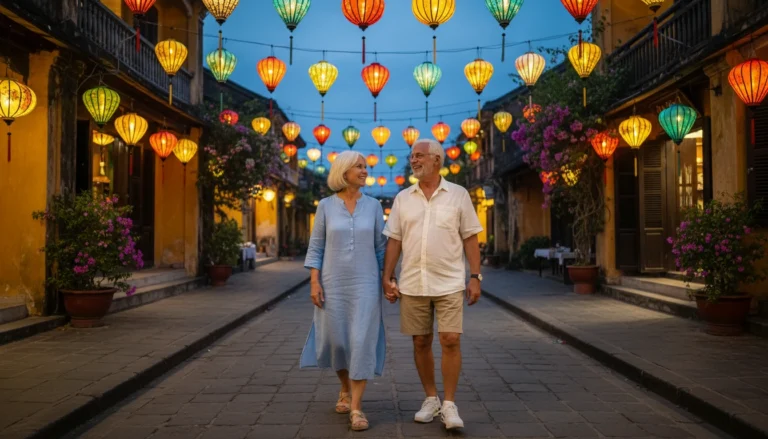

Sports and Leisure Travel in 2026: A Retiree’s Ultimate Playbook for Major Events, Adventure Hotspots, and Luxury Getaways
Plan sports and leisure travel in 2026 with major events, active destinations, wellness tips, and retiree-friendly ways to travel smarter.
I used to plan vacations like I was trying to win them.
More sights. More miles. More reservations. More “while we’re here, we might as well…” decisions that sounded smart in the moment and felt terrible by day four. I’d come home from a so-called relaxing trip with aching feet, a camera full of photos, and the strange feeling that I needed another vacation just to recover from the first one.
My wife started calling it “competitive tourism,” which irritated me mostly because it was accurate.
The moment I finally admitted she was right happened in Rome. I’d walked something like 14 miles in one day, convinced I was maximizing the experience. That night, I was sitting in a beautiful restaurant in Trastevere, staring at a plate of pasta I’d been looking forward to for weeks, and I was so tired I could barely enjoy it. The meal was wonderful. I was not.
That was when it clicked.
The best sports and leisure travel isn’t about cramming more into the itinerary. It’s about getting the mix right. Excitement matters, of course. But recovery matters too. Rest matters. Pacing matters. If you’re going to sit through a World Cup match, hike to a famous ruin, or ski all morning in the Alps, you want enough left in the tank to actually enjoy it.
And retirement, honestly, is the perfect time to finally travel that way.
You’re not forcing a once-in-a-lifetime trip into a narrow PTO window. You can go when it makes sense. You can stay longer. You can build in the day off. You can have a big event one day and a long lunch the next. That’s not being lazy. That’s being wise, and I think it’s one of the great underrated gifts of this stage of life.
If you’ve been thinking about sports and leisure travel in 2026, this is a very good year to take it seriously. The calendar is packed with major global events, outstanding active destinations, and more high-end recovery and wellness options than ever before. The trick is not doing everything. The trick is choosing well, planning smart, and giving yourself the kind of trip you’ll still be smiling about six months later.
Why 2026 Is Such a Big Year for Sports and Leisure Travel
Some years just line up beautifully, and 2026 is one of them.
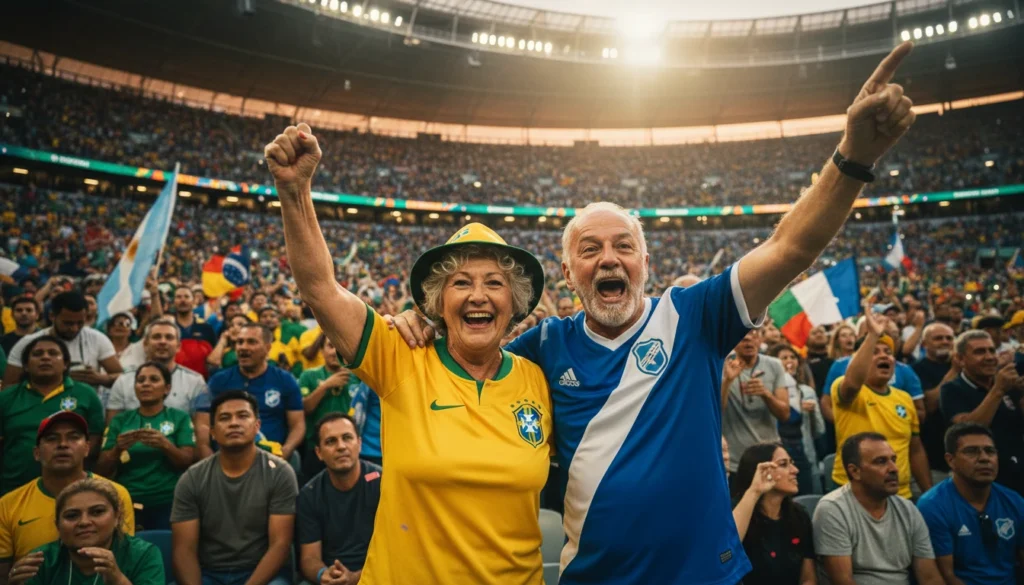
The FIFA World Cup will stretch across the United States, Canada, and Mexico. The Winter Olympics will take place in Milan and Cortina. London will host the Champions League Final. Las Vegas gets the Super Bowl. And beyond the headline events, there are plenty of places around the world offering the kind of active, restorative, thoughtfully designed travel that retirees often appreciate most.
That combination matters.
The beauty of sports and leisure travel in 2026 is that you can build a trip around a marquee event without making the whole journey about stress, crowds, and logistics. The sporting event can be the centerpiece, but it doesn’t have to be the whole picture. In fact, the best trips rarely are.
What you remember later is often not just the game or the final score. It’s the coffee before the match. The conversation with a local fan. The quiet neighborhood you wandered into by accident. The feeling of being in a city that’s fully alive and buzzing with shared excitement.
That’s the kind of travel memory that sticks.
And for retirees, there’s another advantage: flexibility. You can arrive early, stay after the crowds thin out, choose better travel days, and avoid turning a great event into an exhausting endurance test. That flexibility is one of the most valuable travel tools you have. Use it.
The Major 2026 Events Worth Planning Around
The 2026 FIFA World Cup
If you’re even mildly interested in global sports, this is the headline event.
The 2026 FIFA World Cup will run from June 8 to July 8 across 16 cities in the U.S., Canada, and Mexico. It’s the first World Cup of its kind, spread across three nations, and it’s going to create the kind of atmosphere that spills far beyond the stadiums.
I’ve been in a city during a major international football tournament, and the energy is hard to describe until you experience it. Streets feel different. Cafes feel louder. Strangers start talking to each other. Every little errand somehow turns into part of the event.
Research published through ScienceDirect suggests the tournament is expected to boost tourism significantly and drive infrastructure improvements across host cities. That’s good news for visitors. It means better transport, stronger event planning, and cities that are preparing to welcome huge numbers of travelers instead of simply bracing for them.
That said, retirees should plan realistically. A separate study on weather conditions at the World Cup venues, published through Springer, looked closely at heat, humidity, and sun exposure in host stadiums. If you’re considering matches in warmer cities, especially in the southern U.S. or Mexico, don’t treat heat preparation like an optional detail. It matters. Water, shade, breathable clothing, and pacing yourself are part of the plan.
My advice? Don’t try to chase the entire tournament across multiple cities unless that truly sounds fun to you. Pick one or two matches, choose a host city you’d enjoy anyway, and build a broader trip around it. Let the World Cup anchor the vacation, not consume it.
The 2026 Winter Olympics in Milan and Cortina
The Winter Olympics, running from February 6 to February 22, may be the most elegant sports trip on the 2026 calendar.
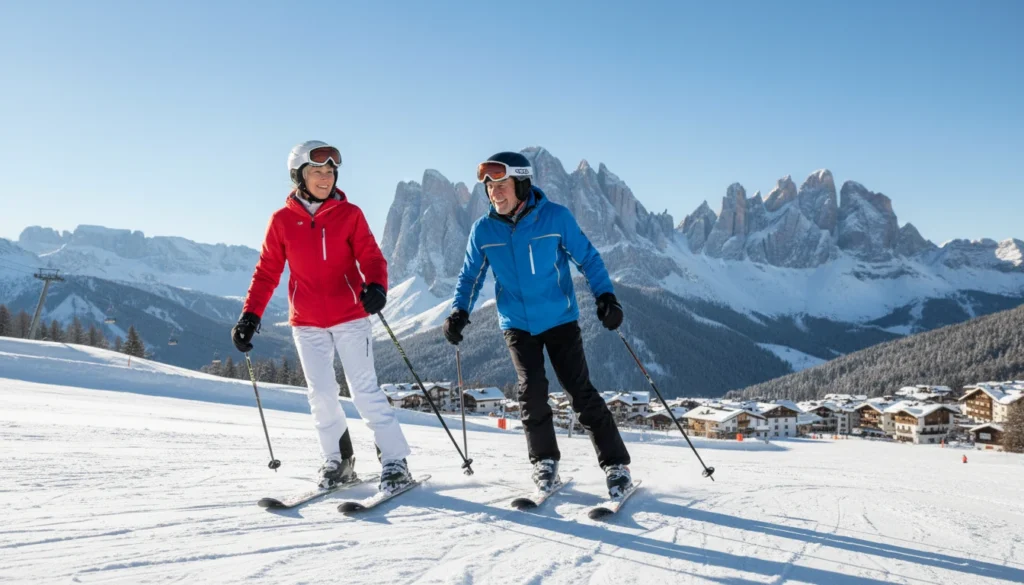
You get Milan, which brings style, culture, museums, shopping, and fantastic food. Then you get Cortina d’Ampezzo and the Dolomites, which are so stunning they almost feel unfair. Even people who don’t ski can appreciate the drama of that landscape. It has a way of making you stop mid-sentence and just stare.
That’s part of what makes this such a compelling sports and leisure travel opportunity for retirees. You can attend events, yes, but you can also turn it into a richer Italian journey. A few days in Milan. A scenic stay in the mountains. Good meals, great coffee, beautiful winter views, and the electric atmosphere that only the Olympics seem to create.
If this trip appeals to you, book early. Olympic travel has a way of becoming expensive and inconvenient very quickly for people who wait too long and then act surprised when every good room has vanished.
The UEFA Champions League Final in London
There are worse excuses to spend a week in London than a major European football final.
Actually, there may be no bad excuse to spend a week in London, but this is an especially good one.
The Champions League Final in May 2026 gives sports fans a perfect reason to plan a London trip when the city is likely to be at its best. Long evenings, parks in bloom, a lively atmosphere, and endless things to do beyond the match itself. If you’ve been meaning to visit London properly, not just race through it, this is a strong opportunity.
The match may be the event, but the city does the heavy lifting around it. Museums, neighborhoods, riverside walks, markets, theatre, pubs, history tucked into nearly every block. This is where sports and leisure travel really shines: the event gives you a reason to go, but the city gives you a reason to stay.
The Super Bowl in Las Vegas
Las Vegas and the Super Bowl are, let’s be honest, a very intense pairing.
For some travelers, that sounds thrilling. For others, it sounds like a migraine with room service.
Neither reaction is wrong.
If you enjoy big energy, major spectacle, and the kind of event that feels oversized in every possible direction, the Super Bowl in Las Vegas could be an unforgettable trip. If you go, just be honest with yourself about your tolerance for noise, crowds, and over-the-top everything.
The smartest retirees I know tend to build in contrast. If you do Las Vegas for the Super Bowl, also schedule quiet meals, downtime away from the Strip, and perhaps even a day trip or spa afternoon. It doesn’t all have to be neon and adrenaline.
How to Choose the Right Sports Travel Package
Not every package is worth what it costs. Some are genuinely useful. Some are just expensive ways to outsource common sense.
A good sports and leisure travel package should solve actual problems: event tickets that are hard to get, reliable transfers, well-located hotels, and access to local experiences you probably wouldn’t arrange on your own. A weak package tends to overcharge for convenience while wrapping ordinary features in glossy language.
Here’s what I’d pay closest attention to.
First, location. A beautiful hotel loses some of its charm if it takes two hours and three transportation changes to get to the venue. Especially for retirees, proximity matters. So does easy transport.
Second, the extras should feel thoughtful. Local tours, restaurant bookings, cultural experiences, or guided access that helps you connect with the destination beyond the stadium are all good signs. If the itinerary looks like it could belong to any city on earth, that’s not a great sign.
Third, read the cancellation policy. Really read it. Life happens. Health changes. Flights shift. Weather interferes. Major event travel is exciting, but it’s also expensive enough that flexibility matters.
And finally, read actual reviews, not just the star rating. Specific complaints are more useful than generic praise. If several travelers mention chaotic transport or poor communication, believe them.
Best Active Destinations for Sports and Leisure Travelers in 2026
Big events are only one part of the picture. Some of the best sports and leisure travel in 2026 will come from destinations where the activity itself is the point, especially when paired with real comfort and recovery.
Costa Rica
Costa Rica is one of those destinations that seems to make almost everyone sound evangelical after they return.
And I get it.
You can raft the Pacuare River, hike through lush forests, spot wildlife you don’t normally see outside documentaries, and still spend your evenings somewhere peaceful with excellent food and a view that makes your blood pressure drop. Costa Rica is adventurous, but it’s also surprisingly forgiving. You don’t have to be an elite athlete to enjoy it. You just have to be open to doing a little more than usual in a place that rewards you for it.
For retirees, that balance is ideal. Some days can be active. Some can be softer. Both feel worthwhile.
Peru
Peru is one of those trips people talk about for years afterward, and usually for good reason.
If Machu Picchu has been on your list, 2026 is as good a year as any to make it happen. The Inca Trail is iconic, but it does demand preparation, and altitude is not something to take lightly. Sensible travelers, especially retirees, should give themselves a couple of days in Cusco to acclimatize before attempting anything strenuous.
And if the full trek doesn’t appeal to you, that’s fine. Truly. The train route to Aguas Calientes is beautiful, and it still gets you to one of the most extraordinary places in the world. You do not have to prove anything to deserve the experience.
The Swiss Alps
For travelers who like their adventure paired with polish, the Swiss Alps are hard to beat.
Skiing is the obvious draw, but it’s not the only one. The villages are lovely, the mountain scenery is ridiculous in the best way, and the overall quality of the experience tends to be extremely high. This is one of those destinations where the “off” hours are just as satisfying as the active ones.
You ski, or snowshoe, or explore, then you sit down to a good meal and sleep deeply in the kind of mountain quiet that feels medicinal.
That, to me, is excellent sports and leisure travel.
Hawaii
Not every active trip has to be intense.
Hawaii is ideal for retirees who want movement, beauty, and fresh air without turning the trip into a physical challenge disguised as leisure. Golf is the obvious fit here, but so are coastal walks, easy hikes, snorkeling, and days built around doing one pleasant thing at a time.
There is something deeply civilized about a trip where you can be active in the morning and still feel completely human by dinner.
Tuscany
Tuscany is proof that exercise becomes much more appealing when followed by wine and scenery.
Cycling through vineyard country and hill towns is one of the most appealing versions of active travel I can think of for retirees who want movement without madness. The routes can be tailored to different fitness levels, the landscapes are beautiful enough to make you stop constantly, and the food at the end of the day feels richly earned.
Not every great trip has to leave you exhausted. Sometimes it should just leave you happy.
Why Wellness Should Be Part of Active Travel
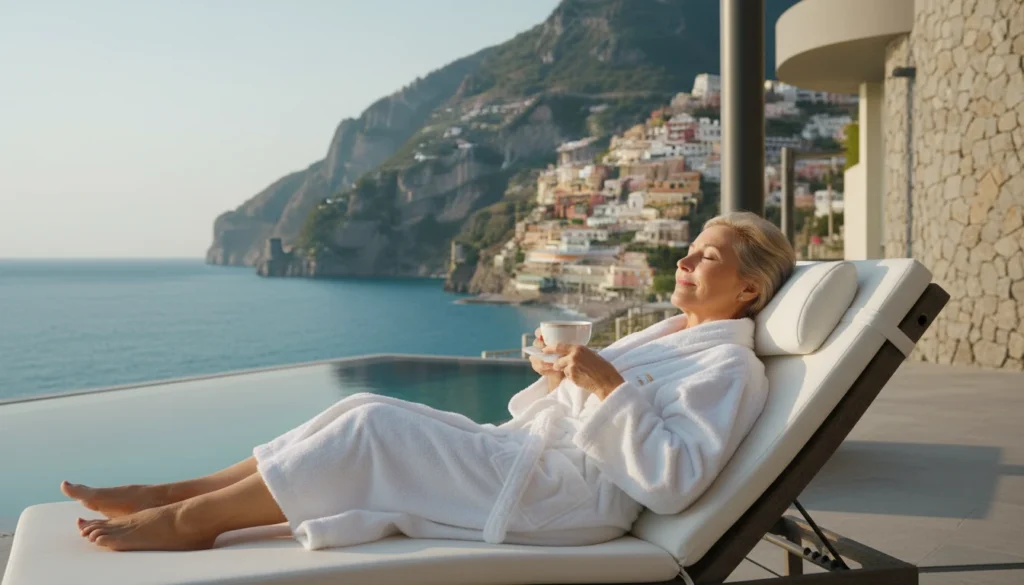
I used to think wellness add-ons were mostly marketing. Then I got older, traveled more, and discovered that recovery is not a luxury. It’s part of what makes the trip enjoyable.
If you’re planning sports and leisure travel, look for destinations or operators that build in recovery on purpose. Maybe that’s yoga after hiking, mobility work after skiing, or hotels that actually understand the difference between a spa treatment and a genuine recovery program.
That shift is happening more broadly in travel now. Wellness is expanding beyond facials and fluffy robes into nutrition support, sleep-focused programming, massage therapy, guided stretching, and personalized recovery plans. And for retirees, that’s genuinely useful.
You want to stay active longer. You want to enjoy the trip all the way through, not just survive the first two exciting days. That means your body needs some cooperation from the itinerary.
Luxury Sports and Leisure Travel in 2026
If you want to do this chapter of life with a little more comfort, you have excellent options.
Luxury sports and leisure travel in 2026 often includes VIP seating, concierge planning, private transfers, access to premium experiences, and accommodations that understand how to make activity feel seamless instead of tiring. The best part is not the prestige. It’s the smoothness.
When someone else handles the fiddly details, you get more energy back for the parts that actually matter.
Aspen
Aspen is still one of the best examples of how to blend active days with serious comfort. Skiing, mountain air, excellent restaurants, upscale lodges, and recovery amenities that feel genuinely useful rather than decorative. If you want a winter sports trip that doesn’t ask you to rough it, Aspen makes a very persuasive case.
Amalfi Coast
For travelers who prefer sailing, coastal walking, and wellness by the sea, the Amalfi Coast remains one of the most appealing luxury options around. It’s active in a graceful way. You move, but beautifully. You eat well. You sleep well. You spend time outside. You wonder why more of life can’t feel like this.
Sustainable and Group Travel Still Matter
One thing I think retirees often appreciate more with age is intentional travel. Not perfect travel, because I don’t think that exists, but intentional travel.
Choose operators with real sustainability commitments when you can. Support local businesses. Use public transport where it makes sense. Bring reusable items. Make the trip count.
Research on sports tourism, including work published by Taylor & Francis Online, has highlighted the environmental challenges of large events along with the opportunity to improve practices across the industry. That matters. It doesn’t mean you never travel. It means you do it thoughtfully.
And if you’re traveling with family or friends, especially across generations, flexibility is everything. Build in downtime. Give people options. Choose accommodations with shared spaces so the trip actually feels communal instead of like several smaller trips awkwardly happening nearby.
2026 Major Events Quick Reference
| Event | Location | Dates |
|---|---|---|
| FIFA World Cup | USA, Canada, Mexico | June 8 – July 8, 2026 |
| Winter Olympics | Milan & Cortina, Italy | Feb 6 – Feb 22, 2026 |
| UEFA Champions League Final | London, England | May 2026 |
| Super Bowl | Las Vegas, Nevada | February 2026 |
Practical Tips for Staying Healthy on Active Trips
This is the part that sounds boring until you ignore it and ruin your trip.
Eat real meals, not just convenient snacks between activities. Drink more water than you think you need, especially at outdoor events or in warmer destinations. Keep moving lightly on rest days so your body doesn’t stiffen up. And for the love of your knees, prioritize sleep.
A rest day should be a real rest day. Not a packed sightseeing day wearing a fake mustache.
That might mean a long lunch, a short walk, a spa visit, a book by the pool, or simply an evening with nowhere to be. Those quieter stretches are often what make the bigger moments feel sustainable.
Key Takeaways
- Sports and leisure travel in 2026 is especially appealing because of major global events like the World Cup, Winter Olympics, Champions League Final, and Super Bowl.
- Retirees have a real advantage because flexible timing allows for better pacing, longer stays, and smarter travel days.
- The best sports trips balance event excitement with recovery, comfort, and local experiences.
- Costa Rica, Peru, the Swiss Alps, Hawaii, and Tuscany are excellent active destinations for different travel styles and energy levels.
- Wellness is no longer a bonus feature. It’s an important part of making active travel enjoyable and sustainable.
- Luxury travel can be worth it when it simplifies logistics and helps you enjoy once-in-a-lifetime events more fully.
- Booking early matters, especially for 2026’s biggest sporting events.
Final Thoughts on Sports and Leisure Travel in 2026
What I like most about sports and leisure travel at this stage of life is that it doesn’t have to prove anything.
You don’t need to move the fastest, cover the most ground, or come home with an itinerary that looks impressive to people who weren’t there. You just need a trip that feels good while you’re living it.
That might mean watching a World Cup match in a city buzzing with joy. It might mean skiing in the Dolomites and rewarding yourself with a proper recovery day afterward. It might mean rafting in Costa Rica, cycling through Tuscany, or finally booking the golf trip to Hawaii you’ve been casually talking about for five years.
Whatever version calls to you, 2026 is a very good year to stop just talking about it.
Because here’s the truth: the best options really will go first. The better rooms, the better seats, the more thoughtfully designed tours, the places that make the whole trip easier and more memorable. Planning ahead is not boring. It’s what lets the trip feel effortless later.
So if you’ve been waiting for the right year, this might be it.
Book the event. Pick the destination. Build in the recovery. Leave some room to wander. And give yourself permission to travel in a way that feels exciting, sustainable, and deeply enjoyable.
That’s not slowing down.
That’s finally doing it right.