

Holiday Family Trips for Retirees: Your Ultimate Guide to Memorable Multigenerational Vacations
Planning holiday family trips for retirees? This warm, practical guide covers top multigenerational destinations, smart timing, packing tips, and stress-free strategies for trips the whole family will talk about for years.
Nobody warns you that retirement comes with a new kind of travel pressure.
For decades, family vacations were something you squeezed into two weeks of PTO, planned around school calendars, and survived on caffeine, sheer willpower, and the quiet hope that nobody would get a stomach bug on the flight home. You packed the car at 5 a.m. because someone read that leaving early “beats the traffic.” You drove through the night telling yourself it would be worth it. And sometimes it was — genuinely, beautifully worth it. And sometimes you arrived at the rental to find the “ocean view” was technically a parking lot with a sliver of blue on the horizon if you stood on the toilet and craned your neck just right.
You did it anyway. Because that’s what you did.
And then retirement arrives. The school calendar is no longer your boss. The PTO request is a relic. You have time — real, actual, unhurried time — and the freedom to go almost anywhere, almost anytime. And somehow, inexplicably, the trips feel even more loaded than before.
Because now you’re not just the parent trying to keep everyone fed and sunscreened and pointed in the same direction. You’re the grandparent. The one with the flexible schedule and the frequent flyer miles and the deep, bone-level desire to create something your grandchildren will carry with them long after you’re gone. You want the trip to matter. You want them to remember it. You want to be the grandparent who made it happen.
That’s a beautiful thing to want. It’s also, if we’re being completely honest with each other, a lot of pressure to put on a beach vacation.
I’ve talked to retirees who’ve navigated this exact territory — the multigenerational trip where three generations, four different sleep schedules, two dietary restrictions, one teenager who “doesn’t really like museums,” and one toddler who has strong opinions about everything all have to coexist for five to seven days without anyone filing for emotional damages. Some of those trips were disasters. Some were magic. The difference, almost every time, came down to planning — not the kind that schedules every hour to death and turns a vacation into a second job, but the kind that thinks clearly about what everyone actually needs and builds a trip around that reality instead of around the fantasy version of your family.
This guide is for you. The grandparent who wants to make it count. The retiree who finally has the time and the wisdom to get it right. The person who’s done enough trips to know that the best ones aren’t the most expensive or the most ambitious — they’re the ones where everyone ends up at dinner laughing about something that went slightly sideways, and nobody wants the night to end.
Why Holiday Family Trips for Retirees Hit Differently Now
There’s a reason multigenerational travel keeps growing year after year. AARP’s travel research consistently finds that trips with grandchildren rank among the most meaningful travel experiences retirees report. Not the most relaxing. Not the most luxurious. The most meaningful.
That tracks with everything I’ve heard from retirees who’ve done this well.
A retired teacher named Gloria told me she’s taken her grandchildren on a trip every summer for six years running. Different destinations, different ages, different levels of chaos. “I don’t care where we go,” she said, stirring her coffee like she’d thought about this a lot. “I care that we’re together somewhere that isn’t anyone’s house, where nobody has homework or a work call, and we’re just… present with each other.” She paused. “Also, I care that there’s a pool. The pool is non-negotiable.”
Gloria is onto something that goes deeper than logistics. Holiday family trips for retirees do something that regular weekends simply can’t: they interrupt the routine. They press pause on the ordinary and give your family shared stories — inside jokes, new favorites, “remember when” moments that get retold at dinner tables for years, then decades. Research published in the Journal of Positive Psychology found that anticipating a trip produces measurable increases in happiness — sometimes more than the trip itself. Which means the planning phase isn’t just logistics. It’s already part of the gift. The moment you book the flights and text the family group chat, something shifts. The trip has already begun.
And for retirees specifically, there’s something else at work that doesn’t get talked about enough. You’re not just a passenger on these trips anymore. You’re the architect. The one with the time to research, the budget flexibility to book early, and the life experience to know that the best moments usually happen between the planned activities, not during them. That’s a powerful position to be in. Use it with intention — and with the wisdom to leave enough room for the trip to surprise you.
Top Destinations for Holiday Family Trips for Retirees

Walt Disney World: Where Everyone Gets a Moment
Yes, it’s busy. Yes, it’s expensive. And yes — the magic is genuinely real, even for the grandparent who swore they were “too old for this” on the drive to the airport and then cried during the parade and told everyone it was allergies. It’s always allergies.
Walt Disney World works for multigenerational trips because it’s one of the few places on earth where a five-year-old and a seventy-year-old can both have a legitimately great day — for completely different reasons, in completely different ways, and neither of them is wrong. Your grandchild meets Mickey and forgets how to blink. Your too-cool teenager smiles at least once — probably during the fireworks, definitely while pretending not to. And you stand there watching all of it, watching their faces, thinking: this is exactly why I planned this trip. That thought alone is worth the price of admission.
A few things that make Disney work better for retirees leading multigenerational trips:
Staying on-property at a family-friendly resort gives you early park entry, easy transit, and the ability to retreat for a midday break without a forty-minute commute. That midday break is not optional. It is the thing that saves the afternoon — and possibly the marriage, and definitely the relationship between the grandparent who’s been on their feet since 7 a.m. and the toddler who has decided that today is the day they have opinions about everything.
Rope drop — arriving right when the park opens — lets you knock out the big rides before the crowds build. By noon, you’ve done the headliners and you can coast through the rest of the day without the urgency that turns fun into a forced march through a theme park while someone cries about a churro.
Book character dining experiences in advance. They’re worth every penny. Watching a grandchild’s face when their favorite character walks up to the table — the way their eyes go wide and their whole body goes still for just a second before the joy hits — is the kind of moment you’ll carry for a long time. And so will they.
Best time to go: Early fall or late spring. Fewer crowds, lower heat, and better moods across all age groups.
Great Smoky Mountains: Nature With a Gentle Learning Curve
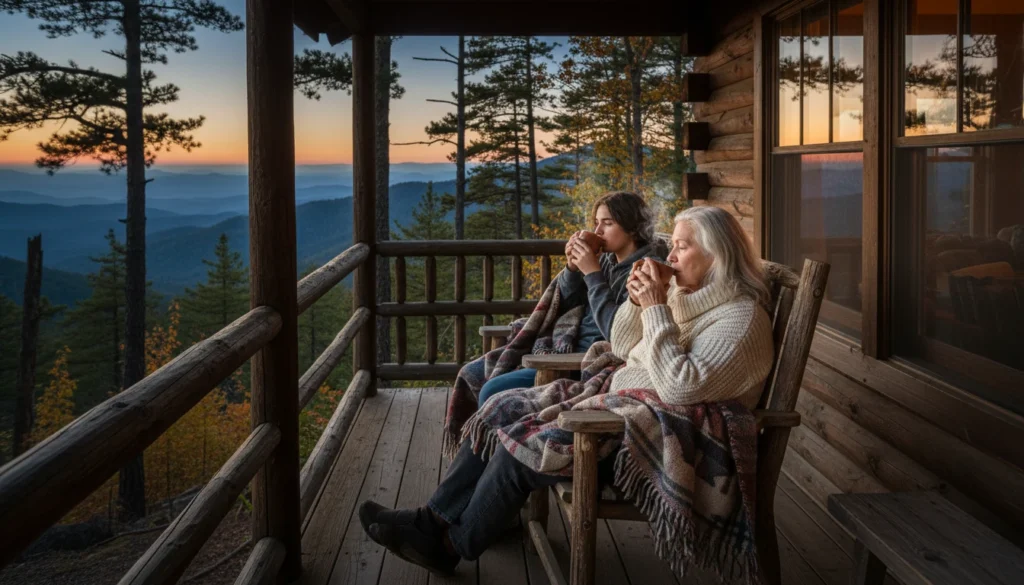
If your family wants outdoor beauty without the logistics of a hardcore adventure trip — without anyone having to pretend they’re more outdoorsy than they actually are — the Smokies are close to perfect. The trails range from genuinely easy to moderately challenging, the wildlife spotting is legitimately exciting for kids of all ages, and the cabin rentals give you the kind of shared space that turns a trip into an experience rather than just a series of activities.
Family dinners with a mountain view. Board games after dark when the kids are finally tired enough to sit still. A hot tub that everyone claims is “for the kids” and then fights over until 11 p.m. while the kids are asleep and the adults are out there in the dark, looking at more stars than they’ve seen in years, not saying much, not needing to.
The towns of Gatlinburg and Pigeon Forge add easy entertainment options for the days when someone’s knees need a rest from hiking — and there will be those days, and that’s completely fine. Mini golf, go-karts, pancake houses that open at 6 a.m. (bless every single one of them), and enough fudge shops to constitute a genuine public health concern that nobody is particularly worried about.
Don’t miss Clingmans Dome for panoramic views that genuinely stop conversation mid-sentence. Cades Cove for wildlife and the particular satisfaction of spotting a deer from a car window while someone in the backseat loses their mind with excitement. And the short waterfall hikes that pay off fast for little legs — and older ones that appreciate a payoff that doesn’t require a full day of effort and two days of recovery.
For retirees who love the outdoors but want to make sure everyone stays safe on the trails, our guide to safety tips when hiking for retirees covers everything from what to pack to how to handle the unexpected — so you can enjoy every trail with confidence and without the nagging worry that you forgot something important back at the cabin.
Beach Vacations: The Low-Stress MVP
For holiday family trips for retirees that don’t require a spreadsheet, a project manager, or a color-coded binder that you spent three weekends building, beach towns are the answer. Hilton Head, South Carolina and the Florida Keys both offer calm water, bike paths, clean beaches, and the kind of easy rhythm that lets everyone decompress at their own pace without anyone feeling like they’re falling behind on the itinerary.
The beach is, functionally, a free babysitter with an excellent track record. Kids dig holes and chase waves for hours — genuinely hours — without requiring entertainment, direction, or intervention. Grandparents sit in chairs and “read books” while mostly just watching them, smiling, occasionally taking a photo that will become a screensaver and then a framed print and then the thing someone points to at a family gathering years from now and says, remember that trip? Teenagers find a sandbar to claim as their own personal territory. Everyone ends up at dinner sunburned and happy and slightly sandy in places they’d rather not mention, and somehow that’s exactly right.
A few things that make beach trips work better for multigenerational groups: choose a resort or rental with both pool and beach access, because there will be days when the ocean is rough or someone needs a break from sand. Pack a small beach tent for shade, SPF shirts for the grandkids, and baby powder — the most underrated beach hack in existence, because it removes sand from skin instantly and feels like a minor miracle every single time, and you will use it constantly and evangelize it to everyone you meet.
Best time to go: Early fall or late spring. Warm water, fewer crowds, and rates that don’t require a second mortgage or a difficult conversation with your financial advisor about what exactly you were thinking.
Washington, DC: Big City, Surprisingly Big Value
Washington, DC is one of those rare destinations that works for multigenerational trips precisely because it has something for everyone — and most of it is free. The Smithsonian museums and National Mall monuments are walkable, genuinely engaging for kids of all ages, and don’t cost a dollar of admission. For retirees watching a travel budget without wanting to sacrifice the quality of the experience, that’s not a small thing. That’s the whole game.
The key to DC with a multigenerational group is mixing the big cultural experiences with real breathing room — the kind that doesn’t show up on the itinerary but makes everything else possible. Two museums and a picnic on the Mall beats four museums and a meltdown every single time, without exception, in every family, at every age. The Lincoln Memorial at dusk is worth building an entire evening around. There’s something about standing there in the fading light, reading those words carved in stone, that lands differently when you’re older and you’ve lived more of the history you’re standing inside of. Bring the grandkids. Let them read it. Don’t rush them.
Where to stay: Near the Mall or a Metro stop. Every extra minute of commute is a minute of patience you’re spending that you might need later in the day when someone is hungry and someone else is tired and the two of them are about to have a disagreement about absolutely nothing, as people do when they’ve been walking since 9 a.m. and it’s now 4 p.m. and nobody has eaten since the pretzel cart.
How to Choose the Right Holiday Family Trip
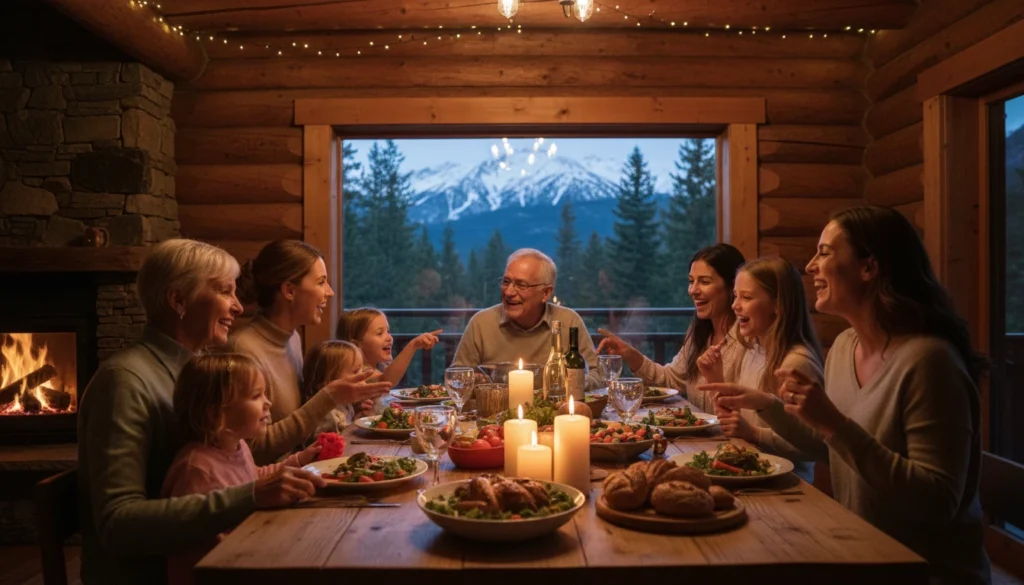
Picking the right destination is the difference between “best trip ever” and “we don’t talk about that one.” Here’s a framework that actually works — and doesn’t require a personality quiz or a family meeting that runs two hours over schedule and ends with someone feeling unheard.
Start with your family’s real preferences, not the fantasy version. This is the most important step and the one most people skip. Do the grandkids love rides or wide-open spaces? Is your family a “schedule every hour” crew or a “see where the day goes” group? What’s the realistic energy tolerance for lines, long walks, and the particular chaos of traveling with small children? Answer these honestly — not the way you wish the answers were, but the way they actually are — before you fall in love with a destination that looks great on paper and exhausts everyone in practice.
Decide your budget style. DIY trips — vacation rentals, road trips, free attractions, cooking together in a kitchen that isn’t yours — are charming, flexible, and genuinely affordable. There’s something about a rental house with a big table and a grocery run and everyone pitching in that creates a different kind of closeness than a resort does. Resort trips offer on-site perks, kids’ clubs, and breakfast buffets that eliminate a surprising number of logistical headaches before 9 a.m. Neither is wrong. They’re just different experiences, and knowing which one fits your family saves a lot of mid-trip friction and the kind of quiet resentment that doesn’t fully surface until the drive home.
Time it for lower crowds. Early fall and non-Easter spring break weeks are the sweet spots for holiday family trips for retirees. Milder weather, better rates, and fewer people competing for the same restaurant reservation at 6 p.m. when everyone is simultaneously hungry and done with being a person for the day.
Use the 80/20 rule for expectations. Plan for 80% of the group’s must-haves and leave 20% open for surprises. A little built-in wiggle room is the difference between a trip that breathes and one that suffocates under its own itinerary — and the surprises, the unplanned detours and accidental discoveries, are almost always the parts people remember most vividly and retell most enthusiastically.
Planning Frameworks That Make Everything Easier
The 1-2-3 Day Formula: One big thing (the headliner attraction), two medium things (a shorter activity, a Playground, a smaller museum), and three pockets of free time (pool, nap, snack, or simply wandering without a destination in mind). It’s structured but breathable — the yoga pants of itineraries. Comfortable, forgiving, and nobody’s embarrassed to be seen in it by the end of day two.
The Two-Home-Base Strategy: For bigger destinations, consider two hotels or rentals in different areas rather than one central location with long daily commutes. Less time in transit means more time actually doing things — and more energy left over for the things you’re doing, which is the whole point.
The Early + Break + Night Theme Park Flow: Rope drop for the big rides, midday pool or nap break, nighttime shows when it’s cooler and the kids have had a reset and the adults have had a moment of quiet that makes the evening feel genuinely possible again. Works consistently well across all age groups, all temperaments, and all levels of prior theme park experience.
Packing for Holiday Family Trips Without Losing Your Mind
Packing for a multigenerational trip is its own art form — somewhere between a military operation and an optimistic experiment in human nature. Here’s what actually matters and what you can confidently leave at home.
For younger grandchildren: Snacks — more than you think you need, then double it, then add one more bag just in case, because you will always need more snacks than you packed and the airport is not the place to discover this. A favorite small toy or comfort item. Swim gear for surprise splash zones. And a portable white noise machine if naps are still part of the picture. The white noise machine is small, weighs almost nothing, and will save you from the particular misery of a toddler who cannot sleep in an unfamiliar room at 9 p.m. while everyone else is trying to enjoy the evening. Pack it. You’ll thank yourself.
For everyone: Portable chargers and a small power strip, because hotel outlets are never where you need them and there are never enough of them and this will become a source of low-grade tension by day two if you don’t plan for it. Travel pillows and lightweight blankets for long travel days. A mini first-aid kit with bandages, blister pads, and any medications the grandkids might need. Blisters are the silent trip-ruiner — the thing that turns a great afternoon into a limping, grumpy shuffle back to the hotel. Pack the pads. They weigh nothing and they matter enormously.
Entertainment that actually works: Tablets preloaded with shows and games, headphones for the flight, and one small family game or deck of cards for the evenings when everyone’s too tired for a big outing but not quite ready to call it a night. Those evenings — the ones where you end up playing cards at the kitchen table of a rental house, laughing about something ridiculous that happened at the park, the kids in their pajamas, nobody looking at their phones — are often the ones that get remembered longest. Plan for them.
Clothing: Layers win every time, in every destination, at every age. National parks and beach towns can serve all four seasons in a single afternoon without warning or apology. A light hoodie and a packable rain jacket earn their keep on every trip, for every age group, in every destination, and you will be very smug about having packed them when the afternoon clouds roll in and everyone else is cold.
If you’re planning an international component to your family trip, our guide to how to pack for travel abroad for retirees covers everything from luggage strategy to medication documentation — the details that matter when you’re crossing borders with a multigenerational group and you really, genuinely, do not want to be the person held up at customs because of a paperwork issue while everyone else waits on the other side of the barrier.
Making the Most of Your Time Together
Embrace the slow moments. This is the one I want you to actually remember. Some of the best memories from holiday family trips for retirees happen between the planned activities — in the spaces you didn’t schedule and couldn’t have predicted. Sandy toes at sunset when nobody wanted to leave the beach. A late-night dessert run where everyone orders something different and immediately regrets not ordering what someone else got. Giggles in the hotel pool at 8 p.m. when the kids should probably be in bed but the laughter is too good to stop. A quiet nature walk where nobody is rushing and the conversation goes somewhere unexpected and real. Leave space for the trip to breathe. The unscheduled moments are often the ones that get retold — the ones that become the story of the trip, the story of your family.
Mix activity types deliberately. Alternate high-energy days with slower ones. A theme park day followed by a beach day followed by a half-day museum visit is a rhythm that works for almost every multigenerational group. Three consecutive high-energy days is a recipe for the day-three meltdown that can take out an entire vacation — and it doesn’t discriminate by age. Grandparents melt down too. We just do it more quietly and call it “needing a moment” and go sit somewhere by ourselves for fifteen minutes, which is the same thing.
Eat together on purpose. Family-style dinners — out or in — are the glue of a multigenerational trip. Share plates, tell the day’s “rose and thorn,” and let the laughter happen naturally without forcing it. If you’re in a rental, assign silly chef titles and let everyone help with something, even if “helping” means the five-year-old tears the lettuce and the teenager sets the table while sighing audibly. If you’re at a resort, book earlier dinner reservations to dodge the hangry hour, which is real and affects all age groups with equal and democratic ferocity and no amount of snacks fully prevents.
Let the grandkids lead sometimes. One of the quiet gifts of being the grandparent on a trip is that you can afford to be generous with the itinerary in a way that parents, who are managing logistics and budgets and everyone’s needs simultaneously, sometimes can’t. Let a grandchild pick one activity, one restaurant, one thing that’s entirely their choice with no adult second-guessing. The ownership they feel — and the way they light up when “their” choice turns out to be genuinely great — is worth more than any attraction you could have researched and planned yourself. And if their choice turns out to be a little chaotic? That becomes the story. Those are the ones they tell.
Sample 5-Day Plans by Trip Type
Beach Trip (Hilton Head or the Keys)
- Day 1: Arrive, sunset beach walk, casual seafood dinner
- Day 2: Morning beach, midday pool break, ice cream bike ride
- Day 3: Dolphin cruise or snorkeling, afternoon nap, seafood spot
- Day 4: Lighthouse or nature preserve, mini golf, early dinner in
- Day 5: Beach morning, pack up, one last cone for the road
Disney/Theme Park
- Day 1: Arrive, resort pool, early bedtime
- Day 2: Rope drop Magic Kingdom, midday break, fireworks
- Day 3: Animal Kingdom or Epcot morning, character meal, pool
- Day 4: Hollywood Studios morning, Disney Springs evening
- Day 5: Late breakfast, quick park hop or pool, head out
Smoky Mountains
- Day 1: Arrive at cabin, s’mores and stars
- Day 2: Easy waterfall hike, Cades Cove loop, hot tub night
- Day 3: Aerial tram or mini golf in town, picnic, board games
- Day 4: Clingmans Dome, short nature walk, family-style dinner
- Day 5: Pancake breakfast out, scenic drive home
Washington, DC
- Day 1: Arrive, Mall walk, Lincoln Memorial at sunset
- Day 2: Air & Space Museum, picnic, carousel
- Day 3: Natural History Museum, zoo or paddle boats, relaxed dinner
- Day 4: American History Museum, Georgetown stroll, cupcakes
- Day 5: Spy Museum or Botanical Garden, head home
Eating Well Without Overthinking It
Vacation food doesn’t have to be chaos or a nutritional disaster that you spend the first week home quietly recovering from. A simple framework that travels well: one protein (grilled fish, chicken, beans), two plants (a salad plus fruit, or two vegetables that don’t require negotiation), and one simple starch (rice, potatoes, bread). At restaurants, scan for that balance. At rentals, one-sheet-pan meals — protein plus vegetables plus potatoes, finished with a sauce that makes it feel intentional — are fast, easy, and genuinely satisfying without requiring anyone to spend their vacation standing over a stove when they could be sitting on the porch watching the sun go down.
A snack kit that actually works for multigenerational travel: nuts, dried fruit, granola bars with short ingredient lists, squeeze applesauce and clementines for the grandkids, string cheese, refillable water bottles, and electrolyte packets for the adults who are doing significantly more walking than they’ve done in a while and whose bodies are quietly registering their surprise about it in ways that will become more apparent on day two.
What to Look for in Family-Friendly Hotels and Rentals
On-site perks matter more for multigenerational trips than for solo travel: a pool, easy breakfast options, laundry access, and quiet hours that actually get enforced by someone other than you. Suite-style rooms or vacation rentals with a kitchen give you the flexibility to eat in when everyone’s too tired to go out — which will happen at least once, usually on day three, and you will be very glad you planned for it instead of discovering at 7 p.m. that the nearest restaurant has a ninety-minute wait.
Walkability or quick transit to the main attractions is worth paying for. Every extra minute of commute is a minute of patience you’re spending that you might need later in the day when someone is hungry and someone else is tired and the two of them are about to have a disagreement about absolutely nothing, as people do when they’ve been going since morning and the day has finally caught up with them.
One small luxury that pays outsized dividends and that I will recommend to every retiree planning a multigenerational trip until the end of time: book a place with a balcony or patio. Adults being able to sit outside after the grandkids are asleep — with a glass of wine, the sound of whatever’s outside, and the quiet, warm satisfaction of a genuinely good day — is one of the most underrated pleasures of a well-planned family trip. It’s where the debrief happens. It’s where you look at each other and say, they’re going to remember this. And you’re right.
For retirees also thinking about travel safety — especially if the trip involves any solo legs or international connections — our guide to safety tips when traveling alone as a retiree covers the practical, no-nonsense strategies that keep you confident and protected on the road, without making you feel like you need a security detail to enjoy a vacation you’ve earned.
Common Mistakes (And Easy Fixes)
Overpacking the schedule. Fix: One big thing per day, then vibe. You’ll enjoy more and complain less. The itinerary is a suggestion, not a contract, and the best trips are the ones where you feel free to ignore it when something better — or more spontaneous, or more honest about what everyone actually needs right now — comes along.
Skipping rest. Fix: Non-negotiable quiet time after lunch. Even forty-five minutes changes the entire trajectory of the afternoon. This applies to grandparents as much as grandchildren — possibly more, though we’re less likely to admit it and more likely to push through and then wonder why we’re irritable at dinner.
Same-meal fatigue. Fix: Rotate a “try one new thing” rule — a new dessert, a local snack, a street food item nobody’s had before. It keeps the food part of the trip interesting without requiring a culinary adventure every night when everyone’s already tired and just wants something that tastes good and arrives quickly.
Expecting kids to walk museum marathons. Fix: Two exhibits, one scavenger hunt, one treat after. That’s a successful museum visit. Anything beyond that is optimism dressed up as planning, and it will not end the way you’re imagining.
Waiting too long to book. Fix: For holiday family trips for retirees, early booking means better choice and better prices. Set price alerts for flights and book accommodations as soon as the dates are confirmed. Future you will be grateful. Future you will also be better rested, better prepared, and significantly less stressed about the whole thing.
Frequently Asked Questions
What are the best holiday family trips for retirees right now?
Disney World for pure multigenerational magic, the Smoky Mountains for easy nature and cabin coziness, Washington, DC for big-city value with free museums, and beach towns like Hilton Head or the Florida Keys for low-stress, high-enjoyment family time that doesn’t require a complicated plan to pull off beautifully.
How do I choose the right destination for a multigenerational trip?
Match the destination to your family’s real preferences — not the Instagram version. Decide your budget style, pick a low-crowd travel window, and commit to the 80/20 planning rule. The destination matters less than the fit, and the fit matters more than you think.
Any tips for traveling with toddler grandchildren?
Snacks, nap windows, water play, and flexible plans. Also: stickers. Stickers are genuinely sorcery for toddlers in transit, and anyone who tells you otherwise has not tried them in the right moment of desperation.
Are affordable multigenerational family vacations actually possible?
Absolutely. Road trips, free museums and national parks, off-peak travel dates, and vacation rentals with kitchens can make a genuinely memorable trip without a genuinely alarming credit card statement at the end of it. The memories don’t care what the trip cost.
How do we keep everyone entertained across different ages?
Mix high-energy activities with downtime. Use the 1-2-3 day formula. Always have a Plan B for rain and crankiness — because both will happen, and the families who plan for them enjoy the trip significantly more than the ones who don’t and then act surprised when it rains.
Best time to plan and book?
Early fall and spring break (avoiding the biggest holiday weekends) for smoother crowds, nicer weather, and better rates. Book as early as you can once the dates are set — and then stop second-guessing yourself. You made a good choice. Go.
Key Takeaways
- Holiday family trips for retirees are among the most meaningful travel experiences you can have — and the planning itself is already part of the gift
- Match the destination to your family’s real preferences, not the fantasy version; the fit matters more than the prestige of the location
- Disney World, the Smoky Mountains, beach towns, and Washington, DC all offer strong multigenerational experiences for different family styles and budgets
- The 1-2-3 day formula — one big thing, two medium things, three pockets of free time — keeps trips structured without suffocating them
- Midday rest is non-negotiable; it saves the afternoon, the evening, and sometimes the whole trip
- Eating together on purpose, letting grandkids lead sometimes, and leaving space for the unplanned moments are what turn a good trip into a great one
- Book early, pack smart, and build in a Plan B for rain and crankiness — because both will happen, and the families who plan for them enjoy the trip more






One Comment
Comments are closed.