

Eco Travelers in Retirement: How to Explore the World Responsibly Without Giving Up Comfort, Fun, or Spontaneity
Eco travelers explore responsibly by reducing impact, supporting locals, and protecting nature while enjoying richer, more meaningful journeys.
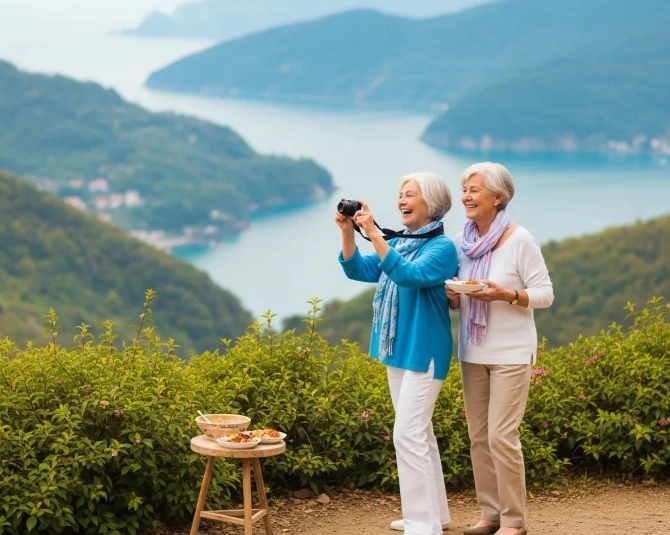
Planning trips in retirement feels different than it did in your twenties. You’re not trying to survive on airport pretzels and three hours of sleep anymore. You want meaningful experiences, memorable meals, slower mornings, and the kind of travel stories you’ll still tell at family dinners years later. That’s one reason more retirees are becoming eco travelers — people who explore responsibly while still enjoying the fun, freedom, and occasional second dessert that make travel unforgettable.
Eco travelers focus on thoughtful choices: supporting local communities, reducing waste, respecting cultures, and protecting the places they visit. The best part? Sustainable travel usually leads to richer experiences, calmer itineraries, fewer crowds, and deeper connections. This guide covers practical ways retirees can travel responsibly without turning every vacation into an environmental homework assignment. Think lower stress, better memories, and smarter adventures that future travelers can enjoy too.
Retirement travel has a unique kind of magic. There’s finally time to linger in cafés, take scenic train rides, wander local markets, or spend an extra day somewhere simply because it feels good to stay. Eco travelers often discover that slowing down and traveling more intentionally makes trips feel fuller, not smaller.
And honestly, there’s something deeply satisfying about leaving a place with great memories instead of guilt and sunburn.
Key Takeaways
- Eco travelers focus on reducing impact while supporting local communities
- Sustainable travel often creates more meaningful and less stressful trips
- Retirement is an ideal time to embrace slower, intentional travel
- Direct flights, trains, and lighter packing help reduce emissions
- Locally owned hotels, tours, and restaurants keep tourism money in communities
- Ethical wildlife experiences avoid touching, riding, or exploiting animals
- Shoulder-season travel reduces crowds and improves experiences
- Small changes matter more than perfection
What Are Eco Travelers, Really?
Eco travelers are people who try to leave destinations better than they found them.
That’s it.
Not perfect people.
Not backpackers who only eat lentils under solar lanterns.
Not travelers competing for moral superiority online.
Just thoughtful people making better choices where they can.
Eco travelers usually focus on:
- Reducing waste
- Supporting local businesses
- Respecting cultural traditions
- Protecting natural spaces
- Choosing lower-impact transportation when possible
And importantly, eco travel is not about removing joy from travel.
You can absolutely:
- Drink wine in Italy
- Eat pastries in France
- Take scenic boat rides
- Stay in beautiful hotels
- Enjoy retirement fully
The goal is awareness and balance.
Frankly, retirement is too precious to spend lecturing yourself over every paper napkin.
Why Eco Travelers Often Enjoy Retirement Travel More
Something interesting happens when people travel more sustainably.
Trips tend to become calmer.
Instead of racing through six cities in eight days while surviving entirely on espresso and adrenaline, eco travelers often:
- Stay longer
- Explore deeper
- Walk more
- Talk to locals
- Avoid overcrowded tourist traps
Research from the Global Sustainable Tourism Council shows that sustainable tourism practices help preserve local culture, protect ecosystems, and strengthen communities economically.
But there’s another benefit nobody talks about enough:
It often makes travel feel more personal.
I still remember a tiny family-run guesthouse more vividly than several luxury hotels combined. The owner taught us local recipes, recommended hidden beaches, and explained the town’s history over breakfast coffee that somehow tasted emotionally healing.
You don’t usually get that from giant resort buffets beside a decorative chocolate fountain.
Why Retirement Is the Perfect Time to Become an Eco Traveler
Retirement changes how people travel.
There’s more flexibility.
More patience.
More appreciation for experiences over checklists.
That naturally aligns with eco travel.
You Can Travel in Shoulder Season
Retirees aren’t tied to school schedules anymore, which means you can visit destinations:
- Before peak crowds
- After peak crowds
- At lower prices
- With less environmental strain
Honestly, shoulder season feels like discovering a travel cheat code.
You still get beautiful weather, but without standing shoulder-to-shoulder with twelve thousand strangers trying to photograph the same fountain.
Slower Travel Becomes Easier
Instead of hopping constantly between destinations, retirees can stay longer and move less frequently.
That reduces:
- Transportation emissions
- Stress
- Packing chaos
- The mysterious exhaustion caused by airports
Longer stays also help local economies more directly.
How Eco Travelers Choose Destinations
Eco travelers often ask one important question before booking:
“Will tourism help or hurt this place?”
That question alone changes how you plan.
Look for Destinations Investing in Sustainability
Some destinations actively protect their environment and culture through:
- Visitor limits
- Conservation funding
- Protected natural areas
- Community-led tourism programs
Countries frequently praised for sustainable tourism include:
- Costa Rica
- New Zealand
- Bhutan
But eco travelers don’t always travel far.
Sometimes the best low-impact trip is the nearby coastal town you’ve somehow ignored for twenty years.
I’ve had incredible weekends two hours from home that felt more restorative than complicated long-haul vacations.
Flights: How Eco Travelers Fly Smarter
Air travel creates a significant environmental footprint. According to research from Our World in Data, aviation contributes meaningfully to global carbon emissions, particularly for frequent travelers.
Still, retirement often includes dream trips that require flights.
The goal is smarter flying, not guilt spirals.
Choose Direct Flights
Takeoffs and landings burn the most fuel.
Direct flights generally create fewer emissions than multi-stop itineraries.
They also reduce the chance of:
- Lost luggage
- Airport meltdowns
- Sprinting through terminals while pretending your knees feel terrific
Fly Less Often, Stay Longer
Eco travelers often prioritize:
- Fewer trips
- Longer visits
- Deeper experiences
This usually feels better anyway.
Pack Lighter
Lighter planes use less fuel.
Plus, traveling with less stuff feels surprisingly freeing once you stop packing “just in case” outfits you’ll never wear.
Every retiree eventually learns this truth:
Nobody cares if you repeat the same comfortable travel pants.
Train Travel: The Secret Weapon for Eco Travelers
Train travel deserves more appreciation.
It’s scenic.
Relaxing.
Lower impact.
Far less chaotic than airports.
Research from the European Environment Agency consistently shows rail travel produces significantly fewer emissions than flying for regional trips.
And honestly?
Watching countryside roll by while drinking coffee beats removing your shoes at airport security.
For retirees especially, trains offer:
- More legroom
- Easier boarding
- City-center arrivals
- Less physical stress
Some of my favorite travel memories happened on trains where absolutely nothing “major” happened.
Just conversations, scenery, and the rare luxury of not rushing.
Choosing Sustainable Hotels and Lodging
Not every hotel advertising itself as “green” truly deserves the label.
Some places reuse towels once and suddenly act like they personally rescued the planet.
Eco travelers learn to look deeper.
What to Look For
Reliable sustainability indicators include:
- Renewable energy use
- Water conservation systems
- Local hiring practices
- Reduced plastic waste
- Farm-to-table sourcing
- Recognized certifications
Helpful certifications include:
Smaller Lodging Often Creates Bigger Experiences
Many eco travelers prefer:
- Family-run guesthouses
- Boutique inns
- Farm stays
- Eco lodges
- Small locally owned hotels
These places often provide stronger local connections and keep tourism money within communities.
Plus, the breakfast conversations tend to be infinitely more interesting.
How Eco Travelers Support Local Communities
One of the best parts of eco travel is realizing your spending choices matter.
Money can either:
- Strengthen local economies
or - Leak out to massive corporations
Eco travelers intentionally keep more tourism dollars local.
Eat Locally
Choose:
- Family-owned restaurants
- Local cafés
- Markets
- Street food vendors
This usually creates better meals anyway.
Some of the best food I’ve ever eaten came from places with plastic chairs and handwritten menus.
Hire Local Guides
Local guides provide:
- Cultural insight
- Historical context
- Community connection
And they often know places guidebooks completely miss.
Buy Handmade Goods Carefully
Ask:
- Who made this?
- Was it locally produced?
- Does the money stay in the community?
The stories behind handmade purchases often become more meaningful than the objects themselves.
Ethical Wildlife Tourism Matters More Than People Realize
This is a major issue in sustainable tourism.
Many wildlife attractions appear ethical at first glance but involve harmful practices behind the scenes.
According to the World Animal Protection organization, attractions involving direct interaction with wild animals frequently contribute to exploitation.
Good Wildlife Experiences
Eco travelers look for:
- Observation from a respectful distance
- Small guided groups
- Conservation-focused operators
- Natural animal behavior
Red Flags
Avoid experiences involving:
- Riding wild animals
- Performing animals
- Forced interactions
- Feeding wildlife improperly
- Handling marine animals
If the experience feels designed mainly for selfies, that’s usually not a great sign.
Packing Tips for Eco Travelers in Retirement
Packing sustainably doesn’t require turning into a minimalist influencer with one shirt and mystical self-discipline.
A few smart items go a long way.
Helpful Eco-Friendly Travel Gear
- Reusable water bottle
- Small tote bag
- Reef-safe sunscreen
- Reusable utensils
- Lightweight clothing layers
- Solid toiletries
Pack Less Than You Think You Need
Every traveler eventually learns this painful truth:
You will wear the same favorite outfit repeatedly anyway.
Especially the comfortable one.
Especially after retirement.
Eco Travelers and Food: Why Sustainable Eating Improves Trips
Food is one of the best ways to experience culture responsibly.
Eco travelers often prioritize:
- Seasonal dishes
- Local ingredients
- Plant-forward meals
- Regional specialties
Research from ScienceDirect shows that plant-forward diets generally create lower environmental impacts compared to heavily meat-centered eating patterns.
That doesn’t mean retirement suddenly requires becoming a kale evangelist.
It just means balance helps.
Some of the best travel memories happen in local markets:
- Fresh bread
- Strong coffee
- Conversations with vendors
- Accidentally buying unfamiliar fruit you later become emotionally attached to
How Eco Travelers Avoid Overtourism
Overtourism changes destinations dramatically.
Locals get priced out.
Natural spaces degrade.
Authenticity disappears.
Eco travelers often avoid this by:
- Traveling off-season
- Visiting secondary cities
- Exploring smaller towns
- Staying longer in fewer places
I once visited Venice during peak season and honestly spent half the trip trying not to accidentally elbow strangers into canals.
Shoulder season completely changed the experience later.
Same beauty.
Far fewer crowds.
Much better gelato access.
Technology That Helps Eco Travelers
Useful travel tools include:
- Offline maps
- Public transit apps
- Carbon calculators
- Translation apps
- Sustainable lodging filters
Helpful resources include:
Though honestly, the older I get, the more I appreciate putting the phone away occasionally.
You cannot fully experience a sunset while simultaneously answering emails and photographing your dinner from six angles.
Retirement Travel Can Be More Meaningful Through Eco Travel
Eco travel isn’t really about sacrifice.
It’s about intention.
And retirement is the perfect season for that shift.
You finally have the freedom to:
- Stay longer
- Slow down
- Learn more
- Travel thoughtfully
- Support communities directly
- Appreciate experiences instead of rushing through them
That usually creates richer memories than hyper-scheduled tourism ever could.
If you enjoy thoughtful retirement lifestyle ideas beyond travel, Vanika retirement lifestyle articles may offer additional inspiration around healthy aging, intentional living, and meaningful experiences after retirement.
Final Thoughts on Becoming an Eco Traveler
Eco travelers aren’t trying to become perfect travelers.
They’re trying to become better travelers.
That’s an important distinction.
You do not need to:
- Eliminate every flight
- Travel with a backpack made from recycled coconuts
- Feel guilty constantly
- Give up comfort or joy
You simply make thoughtful choices more often.
Bring the reusable bottle.
Take the train when possible.
Support local businesses.
Respect wildlife.
Travel slower.
Stay curious.
Those small choices add up.
And perhaps the best part is this:
Eco travel often creates the exact kind of retirement experiences people are searching for anyway — calmer, richer, more connected, and far more memorable.
Which turns out to be a pretty wonderful way to see the world.





One Comment
Comments are closed.