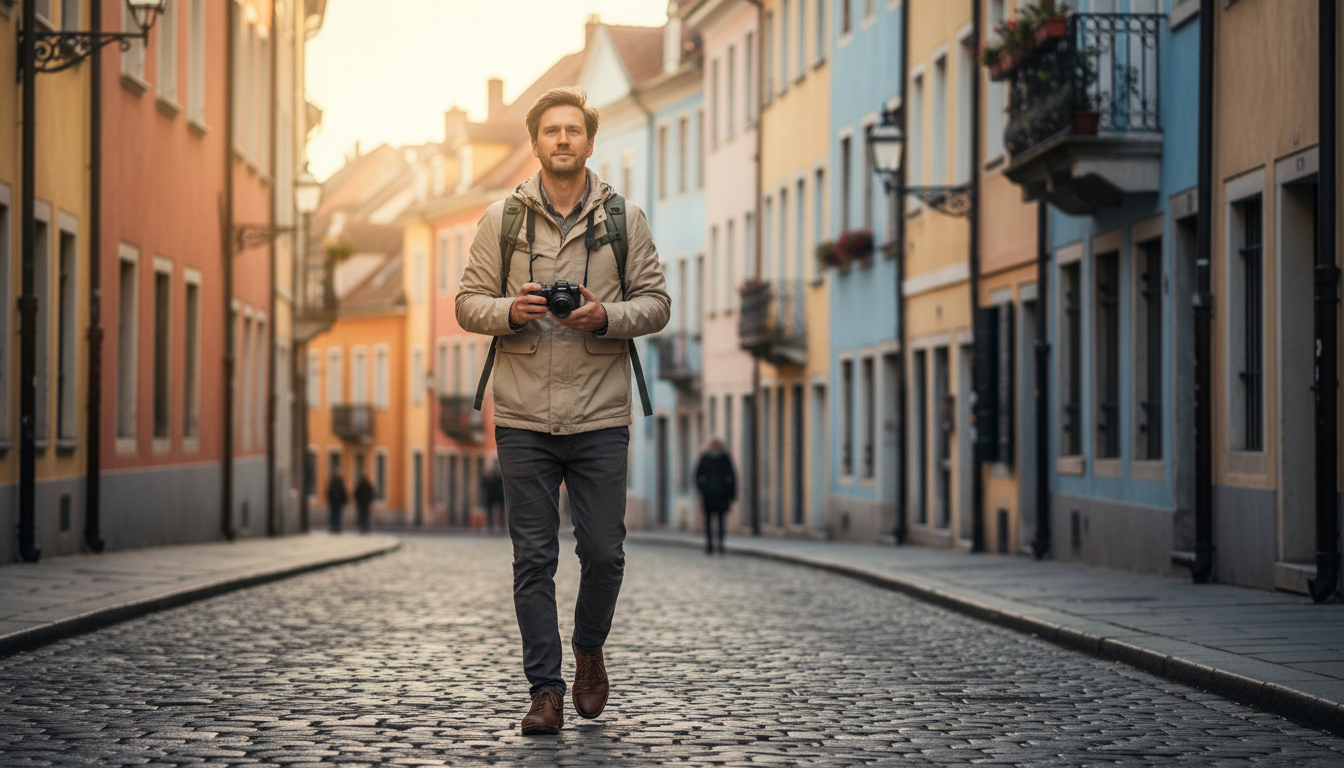
Solo Travel for Men in 2025: Safety & Budget Tips
A practical, fun guide to solo trips for men—best 2025 destinations, safety habits, budgets, and adventure planning without the stress.
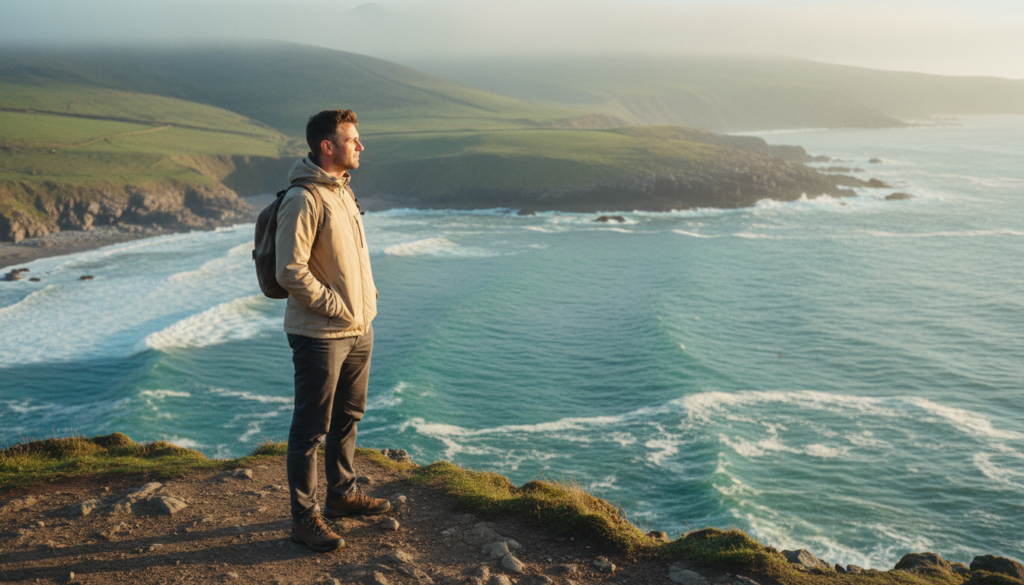
Solo trips for men are the kind of travel that feels equal parts freedom and “wait… did I really just book this?” You’re not coordinating PTO calendars, arguing about where to eat, or pretending you’re fine with a 6 a.m. museum line because “it’s cultural.” You’re going because you want to explore, reset, prove something to yourself (quietly, like a man who doesn’t need to announce it), and come home with stories that didn’t require a group chat vote.
This male-focused guide matters because solo trips for men come with their own little quirks: different safety perceptions, different social dynamics, and—let’s be honest—different activity preferences. A lot of guys want a trip that includes movement, challenge, and a bit of edge: surfing, trekking, a nightlife scene that doesn’t feel like a college reunion, or just enough spontaneity to feel alive without feeling reckless.
And if you’re thinking, “Sounds great, but what about safety, loneliness, and cost?”—yep, those are the big three. This article solves those with destination selection frameworks, pre-trip safety checklists, and concrete budgeting and gear recommendations you can actually use.
The sections that follow cover the best solo male travel destinations in 2025, essential safety practices before and during the trip, budget-friendly tactics for accommodations and daily expenses, adventure-focused trip ideas and planning, and a practical primer for first-time solo male travelers. Throughout, expect actionable lists, comparison tables, and concise checklists to help you plan solo trips for men that feel confident, lower-stress, and—ideally—ridiculously memorable.
What Are the Best Solo Male Travel Destinations in 2025?
Choosing the right solo travel destination for men starts with one question: what kind of story do you want to come home with? A good destination balances three things:
- Safety and predictability (so you’re not “adventuring” in a way that involves paperwork).
- Social opportunity (because even introverts don’t want to spend every dinner staring at their phone like it’s going to tell a joke).
- Activity fit (surf, hikes, culture, nightlife, food—pick your flavor).
The best solo trips for men usually happen in places with reliable transportation, clear tourist infrastructure, and enough variety that you can have a big day and then a quiet day without switching cities.
Quick comparison of recommended destinations to compare safety, budget, and activities:
| Destination | Safety rating (low/med/high) | Typical daily cost (USD) | Top activities |
|---|---|---|---|
| Bali | Medium | $40–$90 | Surfing, beach clubs, rice terraces |
| Tokyo | High | $100–$200 | Urban nightlife, tech culture, day trips |
| Lisbon | High | $70–$140 | Coastal day trips, nightlife, cultural tours |
| Chiang Mai | Medium | $25–$60 | Trekking, temples, digital nomad scene |
This table helps prioritize destinations based on what you value most—low cost, high safety, or specific activities—and it leads naturally into why each city suits different solo male travel styles.
Why Are Bali, Tokyo, and Lisbon Ideal for Solo Men?
Bali, Tokyo, and Lisbon each deliver a different kind of win for solo trips for men.
Bali is for the guy who wants sunshine, surf, and a social scene that doesn’t require you to be a professional networker. If you stay in places like Canggu or Uluwatu, you’ll find it’s almost suspiciously easy to meet people—surf lessons, coworking spaces, beach clubs, hostel common rooms, and those “we’re all best friends after one Bintang” nights. I’ve always believed a great beach trip doesn’t have to drain your wallet, and Bali is proof—if you keep your “daily smoothie bowl budget” under control.
Tokyo is for the guy who wants big-city energy with extremely low chaos. Japan’s reputation for safety isn’t just marketing; it’s a real advantage for solo male travel. The trains run like they’re competing in an Olympic event, you can explore late into the night, and there are endless niche interests to fall into—tech, fashion, jazz bars, retro arcades, tiny ramen counters where the chef hands you perfection and you quietly reconsider all past life choices.
Lisbon is a sweet spot for solo trips for men who want Europe with a warmer, friendlier vibe and a better value-to-fun ratio. The city is walkable (your calves will notice), the nightlife is approachable, and the day trips are ridiculous in the best way—Sintra’s fairytale chaos, Cascais beach time, coastal viewpoints that make you pause and just… breathe.
Each city also has practical transport and accommodation options that support solo mobility. That matters. When you’re alone, friction is the enemy. Easy transit, good neighborhoods, and clear booking options turn “planning” into “go do the thing.”
How to Choose Safe and Affordable Destinations for Solo Male Travelers
If you want a simple decision framework for solo trips for men, here’s the one I keep coming back to:
- Set a daily-cost threshold based on your comfort level: cheap ($30–$60), mid ($60–$120), or premium ($120+).
- Cross-check safety context using government travel advisories and recent traveler reports.
- Prioritize strong public transit and tourist infrastructure (it’s not “touristy,” it’s “easy”).
- Match the destination to your social preference: hostels and group tours if you want to meet people, quieter neighborhoods if you’re more “coffee and a book” than “pub crawl.”
If you’re the kind of guy who likes evidence (same), the U.S. Department of State and the UK Foreign Office advisories are boring—but useful. They won’t tell you where the best noodles are, but they will tell you what’s changed recently.
Apply this filter and you’ll narrow a long list to two or three realistic options that match your goals and safety tolerance—without spiraling into 47 open tabs and a mild existential crisis.
How Can Men Stay Safe While Traveling Solo? Essential Safety Tips

Safety on solo trips for men isn’t about living in fear. It’s about reducing dumb risk so you can enjoy the fun parts. Think of it like wearing a helmet: not because you plan to crash, but because physics doesn’t care about your plans.
Start with pre-trip steps—secure backups of documents, purchase appropriate travel insurance, and register travel plans where available—so you have options if something goes wrong. On the ground, lean into predictable routines: licensed transport, smart storage for valuables, and basic situational awareness.
Below is a concise table linking common risks to prevention steps and useful tools, followed by checklists and tactical guidance for avoiding scams and handling emergencies.
| Risk / Scenario | Prevention Step | Practical Tools / Resources |
|---|---|---|
| Theft (street or transit) | Use anti-theft bag and keep valuables concealed | Lockable zippers, money belt, discreet phone case |
| Scams (taxis, tours) | Verify credentials and fixed pricing before payment | Local ride apps, official taxi stands, posted rates |
| Medical emergency | Carry travel insurance and local emergency numbers | Digital insurance card, local clinic apps, first-aid kit |
This table clarifies how common scenarios can be prevented with precise steps and items you can prepare before departure.
What Pre-Trip Planning Steps Enhance Solo Male Travel Safety?
Pre-trip planning reduces uncertainty and gives solo travelers practical leverage in emergencies. I know “planning” isn’t always a guy’s favorite hobby (some of us treat it like a toothbrush we only use when guests are coming), but it’s worth it.
- Scan travel advisories and register your trip with an embassy or consular service when applicable.
- Create digital backups of passports and key documents stored securely (encrypted folder or password manager).
- Buy travel insurance that covers medical care, evacuation, and theft.
- Check health recommendations (vaccines, meds, seasonal risks).
- Share a simple itinerary and emergency contact plan with someone you trust.
- Save offline essentials: accommodation addresses, local emergency numbers, and a couple of key maps.
These steps shorten response time in a crisis and make on-the-ground problem-solving far easier—especially when you’re tired, dehydrated, and trying to remember whether you left your dignity at the airport.
How to Avoid Scams and Stay Secure On-the-Ground
Scams aren’t always dramatic. Often they’re just… annoying. The good news is most scam patterns are predictable.
- Use licensed vendors for rides and tours.
- Confirm prices in advance (if it feels awkward, do it anyway—your wallet will thank you).
- Go cash-light when possible and keep a decoy amount of small bills.
- If someone is aggressively “helping,” you can politely decline and keep moving.
If the worst happens, document the incident, notify local authorities, contact your travel insurance, and message your trusted contact. Having emergency numbers saved offline is one of those unsexy tips you’ll only appreciate when you need it.
What Are Budget-Friendly Solo Travel Strategies for Men?

Budget solo travel for men isn’t about suffering. It’s about making choices that keep your costs low and your experience high. The biggest lever is almost always accommodation—because you pay for it every night—followed by transport and food.
Tradeoffs between accommodation cost, privacy, and social access determine where you meet people and how much you pay per night. If you’re doing longer solo trips for men, it’s smart to plan for “social nights” and “recovery nights.” Your future self will be grateful.
The table below compares accommodation types, followed by practical guidance to stretch your money while keeping options open.
| Accommodation type | Typical cost/night (USD) | Social factor (high/med/low) | Best use-case |
|---|---|---|---|
| Hostel dorm | $8–$30 | High | Meeting other travelers, budget stays |
| Budget hotel | $30–$80 | Low | Privacy and predictable security |
| Airbnb private room | $25–$70 | Medium | Local neighborhood experience with privacy |
| Capsule hotel | $20–$50 | Low | Short urban stays with low cost and privacy |
This table clarifies when to choose a hostel, hotel, or short-term rental depending on your priorities.
How to Find Affordable Accommodation: Hostels vs. Airbnb for Solo Men
Hostels typically provide the lowest per-night cost and the highest chance to meet fellow travelers, making them ideal for social solo travelers. Dorm rooms lower nightly spend but reduce privacy; the move is to pick hostels with:
- recent reviews mentioning cleanliness and security
- lockers big enough for your bag
- a location you’d feel fine walking at night
Airbnb private rooms offer more privacy and local flavor for a slightly higher cost, with fewer spontaneous social encounters. Budget hotels are the “predictable” option—especially useful when you need sleep, quiet, or just a break from hearing someone’s alarm go off at 5:12 a.m. for absolutely no reason.
A strategy I love for solo trips for men: rotate. Do a couple hostel nights to meet people, then grab a private room to recharge. It’s like interval training, but for your social battery.
What Are Cost-Saving Tips for Food, Transport, and Activities?
Smart spending preserves the travel experience while reducing total trip cost by emphasizing value over pure frugality.
For food, local markets and street stalls can be an unbeatable combination of cheap and delicious. When I visited Southeast Asia the first time, I was amazed by how affordable (and satisfying) a full meal could be—then I promptly ruined the savings by ordering fancy coffee like I was sponsoring the café.
For transport, passes and public transit apps are your best friend. For activities, pick a few “anchor experiences” and keep the rest light—walking tours, beaches, hikes, museums on discount days.
A sample daily budget framework helps set expectations:
Cheap tier: $30–$50 per day including hostel, street food, and public transit.
Moderate tier: $60–$120 per day for private rooms, mixed dining, and occasional paid tours.
Comfortable tier: $120+ per day for hotels, meals out, and guided activities.
These strategies let you maintain safety and enjoyment while keeping daily spend aligned with your goals.
Which Adventure Solo Trips Are Best Suited for Men?
Adventure solo trips for men span a spectrum—from surf-focused coastal escapes to multi-day treks and motorbike routes. The “best” adventure depends on your current skill level, risk tolerance, and how you want to feel at the end of the day: pleasantly tired, heroically exhausted, or questioning all your choices.
Adventure travel combines physical challenge with opportunity for social bonding when you join group outings. That’s one reason solo trips for men and adventure pair so well: you can be independent without being isolated.
What Outdoor Activities and Destinations Offer Thrilling Experiences?
Outdoor activities that commonly attract male solo travelers include surfing, multi-day trekking, rock climbing, and motorcycle touring.
- Surfing pairs well with Bali and Portugal’s coasts.
- Trekking fits destinations with established trail infrastructure and guide availability.
- Rock climbing and mountaineering require technical skill and reliable guiding services.
- Motorbike touring can be epic, but it’s not the place to “learn on the job.”
Season matters. Permits matter. Your fitness matters. A lot. Choose activities aligned with your current abilities—because the mountain doesn’t care that you did leg day twice last month.
How to Plan an Adventure Solo Trip: Gear, Safety, and Itinerary Tips
Planning an adventure trip centers on the right gear, realistic pacing, and a clear emergency plan.
- Build a gear checklist aligned to the activity—boots for trekking, a certified helmet for motorbiking, a leash and rashguard for surfing.
- Pack redundancy for critical items like headlamps and first-aid supplies.
- Consider hiring a local guide for complex or high-risk sections.
- Schedule rest or acclimatization days where needed.
If you want a research-backed nudge to take safety seriously: road traffic injuries are a major risk factor for travelers in many regions. The World Health Organization has long reported that road traffic injuries are a leading cause of death globally, especially for younger adults—so for solo trips for men involving scooters or motorbikes, the “wear a real helmet and don’t drink and ride” rule isn’t optional. It’s the difference between a great story and a terrible one.
Leave an itinerary with emergency contacts and identify local clinics and evacuation options before you depart. These steps minimize the most common causes of adventure trip failure.
How Can First-Time Solo Male Travelers Prepare for Their Trip?
First-time solo male travelers benefit most from targeted packing, a realistic mindset, and repeatable methods for meeting people.
The first solo trip is usually the hardest—mostly because your brain tries to negotiate with you.
- “What if it’s awkward?”
- “What if I get bored?”
- “What if everyone else already has friends and I’m the random guy eating noodles alone?”
Here’s the truth: the awkward part is usually the first 24 hours. After that, solo trips for men start to feel like a superpower.
What Essential Packing and Travel Gear Should Men Bring?
A focused packing strategy reduces decision friction and keeps your load light while providing security and flexibility.
Carry-on essentials should include a compact travel document organizer, portable charger, universal adapter, and a small first-aid kit. Security items such as a money belt and a door alarm increase safety in unfamiliar accommodations.
For activity-specific trips, pack according to the main activity—light technical hiking boots for trekking, a flexible wetsuit for surfing—and choose clothing that layers for variable climates.
Roll clothing to save space and use packing cubes to maintain organization. It’s a small thing that makes transit days smoother—and makes you feel like you have your life together, which is priceless.
How to Meet People and Build Connections While Traveling Alone
Meeting people while traveling alone is easier with repeatable approaches that balance friendliness and safety.
Favor lodging with communal spaces such as hostel common rooms or join day tours and workshops where conversation starters are built into the activity. Use short, open-ended scripts—ask about local recommendations or shared activities—to begin conversations without oversharing.
Maintain clear boundaries and vet invitations by meeting in public places first. These tactics encourage genuine connections while keeping personal safety as the guiding principle.
Choose communal settings: Shared hostels, group tours, and workshops create natural opportunities to meet others.
Use simple conversational openers: Ask for recommendations or suggest a shared activity to start a conversation.
Vet new acquaintances in public: Meet in well-lit, populated areas before accepting private invitations.
These steps create repeatable patterns for meeting people that preserve both sociability and safety, making first solo trips for men less intimidating and more rewarding.
Conclusion
Solo trips for men are one of the simplest ways to reclaim your time, your confidence, and your sense of adventure—without needing permission from anyone’s calendar. When you prioritize safety, budget, and social opportunities, you don’t just “take a trip.” You build a version of travel that fits you.
Pick a destination that matches your comfort level, do the basic safety prep, and set a budget you can live with. Then leave enough room for the best part: the unplanned moments—finding a hidden viewpoint, saying yes to a day trip, realizing you’re more capable than you gave yourself credit for.
If you’ve been waiting for the perfect time to plan solo trips for men, consider this your gentle push: the perfect time is a myth. Plan the trip. Book the flight. Pack the door alarm. And go.