Safety Slippers for Seniors: How to Choose Comfortable, Non Slip Footwear for Fall Prevention
Safety slippers for seniors help reduce slips at home with better grip, support, and comfort. Here’s how to choose a pair that feels safe and easy to wear.
As we get older, the little things stop being so little. A step into the kitchen. A quick walk to the bathroom at night. Standing at the counter a few extra minutes while the kettle boils. These ordinary moments don’t look dramatic from the outside, but they’re exactly where comfort and stability matter most. That’s why safety slippers for seniors deserve more attention than they usually get.
Most people don’t put much thought into slippers. I didn’t either for a long time. They were just something soft to wear around the house — cozy, forgettable, easy to replace. But once you start paying attention to how often older adults move across hardwood, tile, laminate, or slightly damp bathroom floors, you realize slippers can either help or quietly create problems. A pair that’s too loose, too flat, or too slick on the bottom can turn a normal walk across the room into one of those “that could’ve gone badly” moments nobody wants.
This guide is here to make that choice easier. We’ll walk through what safety slippers for seniors actually are, which features genuinely help prevent slips, why comfort matters more than people think, and how to choose a fit that feels secure without being annoying. I’ll also touch on a few practical things I wish more people talked about, like why old favorite slippers can become risky and why “soft” isn’t always the same as “supportive.” By the end, you’ll know exactly what to look for — and what’s just marketing in a fuzzy disguise.
Key Takeaways
- Safety slippers for seniors can help reduce fall risk at home by improving grip, support, and fit.
- Rubber soles with textured tread tend to provide better traction on smooth indoor flooring.
- Good arch support and cushioning can make daily walking more comfortable and stable.
- A secure fit matters just as much as a non-slip sole.
- Adjustable styles are often helpful for swelling, wider feet, or changing comfort needs.
- Slippers should be checked regularly for worn tread, stretched-out fit, or flattened support.
- Safe footwear works even better when combined with simple home safety fixes.
What Are Safety Slippers and Why Are They Essential for Elderly Footwear Safety?
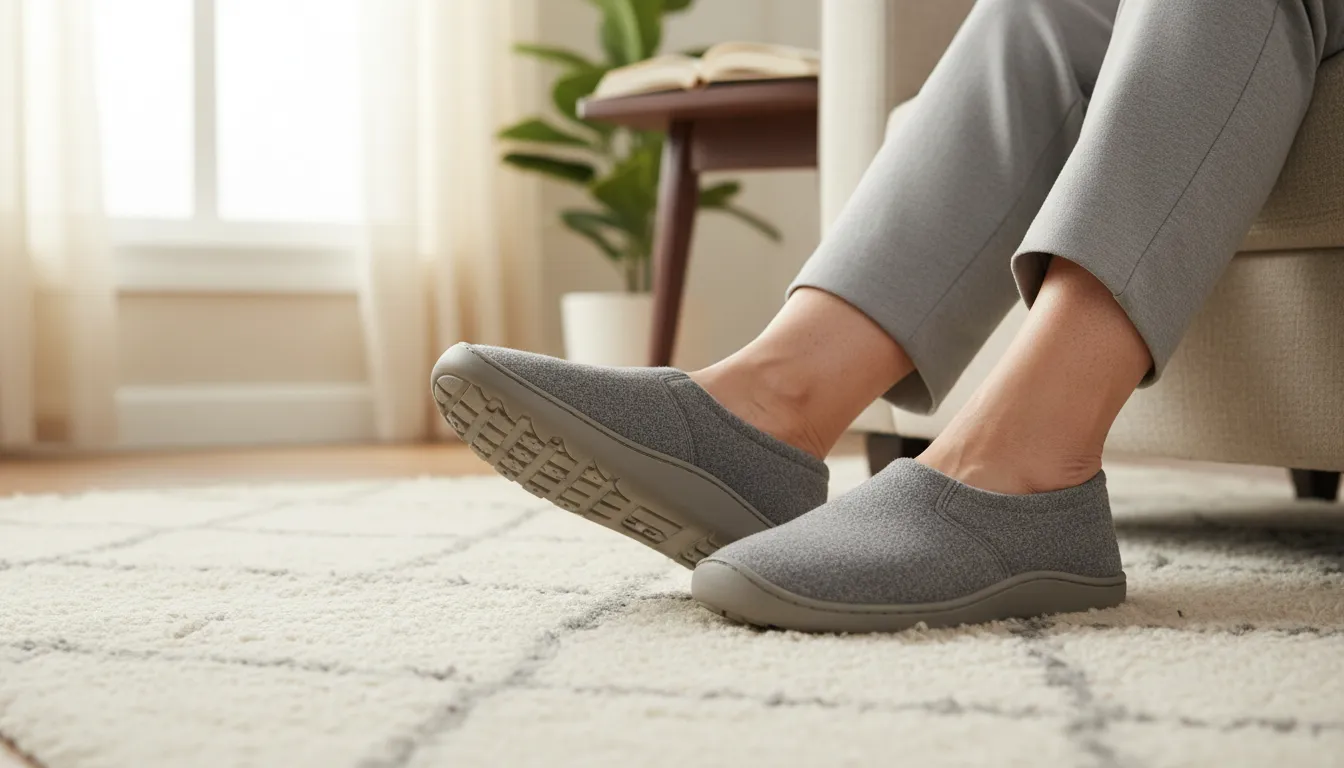
At the most basic level, safety slippers for seniors are slippers designed to do more than keep feet warm. They’re made to improve traction, support the foot properly, and stay secure while walking around the house. In other words, they’re not just about comfort — they’re about confidence.
That distinction matters because falls are one of the biggest safety concerns for older adults. According to the CDC, falls are a leading cause of injury among adults 65 and older, and many of them happen at home. That part always gets me a little, because home is supposed to be the easy place. The familiar place. The place where you know exactly where the light switch is and can probably walk to the kitchen half-awake. But familiar spaces can create a false sense of security, especially when flooring is slick and footwear isn’t doing much to help.
That’s where safety slippers for seniors come in. A well-made pair usually includes non-slip soles, supportive footbeds, enough cushioning to soften impact, and a design that stays put on the foot. Those features may sound simple, but together they make a real difference in how steady someone feels moving through everyday spaces.
There’s research behind this too, which I think makes the advice more useful. A 2024 review by IJ Kim looked at footwear design for fall prevention in older adults and found that elements like fit, fixation, slip resistance, and sole firmness all influence safety. So when people say footwear matters, they’re not just tossing out common-sense advice. There’s actual evidence showing that design choices affect how safely older adults move.
Good safety slippers for seniors aren’t magical, of course. They won’t turn every hallway into a padded gymnastics mat. But they can reduce obvious risks and make movement feel more natural and secure — which is a pretty strong return for something you wear every day.
How Do Non Slip Slippers Reduce Fall Risks for Seniors?
If there’s one feature that does the heavy lifting in safety slippers for seniors, it’s the sole. Non-slip slippers help reduce fall risk by improving traction, which means they grip the floor more effectively when weight shifts, when someone turns quickly, or when the floor is a little smoother than expected.
That sounds simple, and it is. But simple is good here.
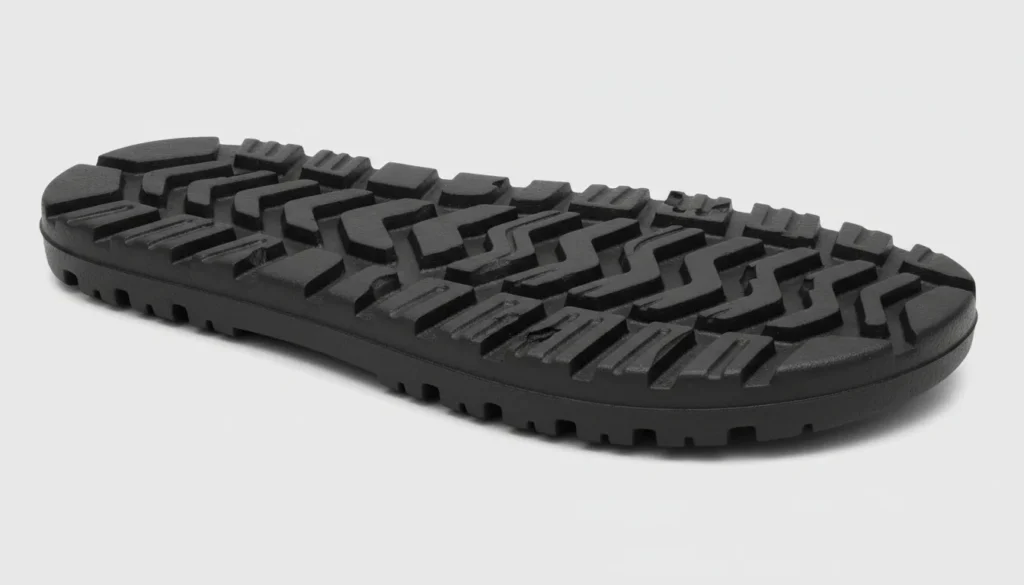
The most effective non-slip slippers usually use rubber or other high-friction materials on the outsole. They also tend to include tread patterns that create more grip on surfaces like tile, hardwood, vinyl, or laminate. That tread matters more than a lot of people realize. A slipper can look warm and supportive from the top and still be dangerously slick underneath. I’ve seen pairs that looked perfect until you flipped them over and realized the bottom was basically one polite little skid waiting to happen.
Research has supported this for years. In a 2001 study, HB Menz examined the slip resistance of casual footwear and found that sole design plays a major role in performance on wet surfaces. Textured, well-designed outsoles generally performed better than smooth ones. It’s not flashy science, but it’s helpful science.
There’s also a psychological piece to this. When seniors feel steadier on their feet, they often move with more confidence. They’re less hesitant, less stiff, and less likely to take those tiny, uncertain steps that can throw off balance even more. I’ve noticed this with older family members. When they trust what’s on their feet, the whole way they move changes. Not dramatically. Just enough to make the day feel easier.
What Features Define Comfortable Slippers for Elderly Users?
Comfort gets talked about a lot in slipper marketing, but not always in a useful way. For safety slippers for seniors, comfort isn’t just about plush lining or soft fabric. Real comfort means the slipper feels good after hours of wear, doesn’t rub or pinch, and supports the foot in a way that makes walking feel easier instead of more tiring.
Cushioning is a big part of that. Soft insoles can reduce pressure on sensitive areas of the foot, which is especially important for seniors dealing with arthritis, joint pain, neuropathy, or general foot fatigue. Memory foam is popular because it molds to the shape of the foot and spreads pressure more evenly. That custom feel can be a real relief, especially if regular slippers have started to feel thin or unforgiving.
But — and this is important — cushioning alone isn’t enough. Too-soft slippers can actually feel unstable, almost like walking on something that gives too much under your feet. Comfortable? Maybe for a minute. Safe? Not always. The best safety slippers for seniors balance softness with structure, so the foot feels cushioned without wobbling around.
Breathable uppers also help more than people expect. Warm, sweaty feet don’t just feel uncomfortable; they can make slippers feel less secure. Materials that allow airflow tend to be better for all-day wear, especially in warmer climates or heated homes.
And then there’s the issue nobody likes to admit: if slippers are awkward to put on, some seniors just won’t bother. That’s not laziness. That’s real life. In a 2017 evaluation by HB Menz and colleagues, older adults placed a lot of value on comfort, appearance, and ease of use. That makes sense to me. If something is technically safe but annoying, it tends to stay in the closet.
Arch support is a key part of comfort too, and honestly, it’s often underrated. A supportive arch helps the foot stay in a healthier position, which can reduce strain on the ankles, knees, and lower back. For seniors with plantar fasciitis, flat feet, or general soreness, that kind of support can make home life feel noticeably better.
Which Non Slip Technologies Are Most Effective in Safety Slippers for Seniors?
When comparing safety slippers for seniors, it helps to know what actually creates better grip. Brands love phrases like “anti-slip,” but the real story is in the materials and sole design.
How Do Sole Materials and Designs Enhance Slip Resistance?
Rubber is one of the best sole materials for traction. It offers reliable grip across a range of indoor surfaces and tends to hold up well with daily wear. That’s why so many quality safety slippers for seniors use rubber outsoles instead of softer, smoother materials that wear down quickly.
Tread design matters just as much. Grooves, ridges, and textured patterns help the sole connect with the floor more effectively. On slightly wet surfaces, those grooves can also help move moisture out of the way, which improves grip. A smooth sole just can’t do that well, no matter how cozy the upper looks.
This is one of those times when flipping the slipper over tells you more than the product description ever will. I always think that’s a useful little test. If the bottom looks like it was designed by someone who has actually walked on tile, good sign. If not, maybe keep browsing.
What Are the Latest Safety Certifications and Standards for Anti Fall Slippers?
Some slipper brands mention testing standards like ASTM or ISO in their product details, particularly when they want to highlight slip resistance. Not every pair of safety slippers for seniors will have formal certification, but when a brand includes testing information, it usually adds credibility.
That said, not having a visible certification doesn’t automatically mean the slipper is poor quality. Sometimes the most useful clues are still the basics: sole material, tread depth, fit, and customer feedback from people using them in real homes. I’d rather see a practical, well-designed sole and honest reviews than a lot of fancy wording with nothing solid behind it.
How Do Orthopedic Benefits Improve Foot Health in Slippers With Arch Support?
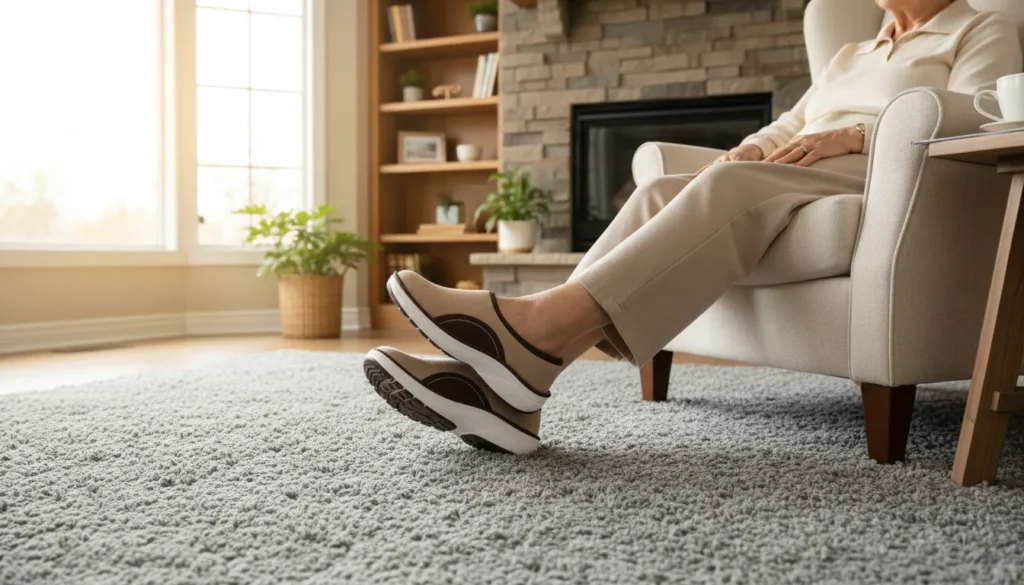
Orthopedic slippers sound a little clinical, but the idea is pretty simple: they support the foot in a way that reduces strain and improves comfort. For many older adults, that support can make everyday walking feel easier and less tiring.
With safety slippers for seniors, orthopedic features often include built-in arch support, deeper heel cups, cushioned insoles, and a shape that encourages better alignment. That matters because when the foot is supported properly, the rest of the body usually benefits too. Ankles don’t have to overcompensate as much. Knees track better. Even posture can improve slightly.
Why Is Arch Support Crucial for Elderly Footwear?
Arch support helps distribute weight more evenly across the foot. Without it, certain areas can take on too much pressure, which may lead to soreness, instability, and altered walking patterns. Over time, that can make movement more tiring and less steady.
A lot of seniors don’t necessarily ask for arch support by name. They just know their feet hurt less when a slipper is supportive. That’s often the real giveaway. If someone can stand longer, walk more comfortably, and feel less foot fatigue by evening, the slipper is doing something right.
What Cushioning and Memory Foam Options Provide Maximum Comfort?
Memory foam is popular in safety slippers for seniors because it creates a more personalized feel. It molds to the foot and helps cushion high-pressure areas, which can be especially useful for sensitive or aging feet.
Still, memory foam works best when it’s paired with some structure. A slipper made of nothing but softness can feel unstable, especially for someone with balance concerns. The sweet spot is cushioning that feels gentle underfoot but still keeps the foot supported and secure. Soft enough to feel good. Firm enough to feel trustworthy.
How to Choose the Right Size and Fit for Comfortable Slippers for Elderly Feet?
Fit has a huge impact on both safety and comfort, and it’s one of the easiest things to get wrong. A slipper can have all the right features, but if it slides around or pinches the foot, it’s not doing its job.
What Are the Best Practices for Measuring Senior Foot Size Accurately?
Feet should be measured while standing, since they naturally spread under body weight. Measure both feet and use the larger one as your guide. If possible, use a proper measuring tool rather than guessing based on shoe size from ten years ago. Feet change over time. That’s normal.
It also helps to try slippers with the socks normally worn at home. Thick socks can make a noticeable difference in fit, and a snug slipper can quickly become too tight if sizing doesn’t account for that.
How Do Wide Fit and Adjustable Slippers Enhance Safety and Comfort?
Wide-fit slippers and adjustable closures can make a big difference for seniors with swelling, bunions, or foot shape changes during the day. Velcro straps, elastic panels, and flexible uppers allow the fit to be customized without making the slipper hard to use.
And that ease matters. If a slipper is too complicated to put on, it becomes one more small frustration in the day. Nobody needs that before breakfast.
A slipper that fits securely without squeezing tends to feel safer right away. That’s one of the reasons adjustable safety slippers for seniors are such a practical option for many households.
What Are Practical Fall Prevention Tips When Using Safety Slippers for Seniors?
Choosing the right pair of safety slippers for seniors is a strong first step, but slippers work best when they’re part of a bigger fall-prevention setup.
How Should Seniors Maintain and Inspect Their Slippers for Safety?
Slippers should be checked regularly for signs of wear. If the tread is wearing smooth, the insole has flattened out, or the upper feels stretched and loose, the slipper may no longer provide the traction or support it once did.
Cleaning also matters. Following the manufacturer’s care instructions helps preserve the materials and keep the soles working properly. Dirt, moisture, and general wear can slowly reduce grip over time.
A quick check every now and then can help:
- Look for thinning or smooth spots on the sole
- Notice whether the fit feels looser than before
- Replace slippers when support or traction starts to fade
Some people keep wearing old slippers long after they’ve stopped being helpful because they’re “still comfortable.” I get it. We all have a soft spot for old favorites. But sometimes your favorite pair has quietly retired and just forgot to tell you.
What Additional Home Safety Measures Complement Anti Fall Slippers?
Even the best safety slippers for seniors can’t do all the work alone. Home setup matters too. Loose rugs, dim lighting, cluttered pathways, and slippery wet areas all increase fall risk.
Simple changes can make a real difference:
- Remove or secure loose rugs
- Improve lighting in key areas like hallways and bathrooms
- Keep walkways clear
- Use non-slip mats in wet spaces
- Install grab bars where extra support is needed
These aren’t flashy upgrades, but they’re effective. And when they’re paired with better footwear, the whole house starts working a little better for the person living in it.
Where Can Seniors Find Trusted User Reviews and Buying Guides for Safety Slippers?
Shopping for safety slippers for seniors online can feel like wandering into a sea of identical promises. Everything is “cozy.” Everything is “supportive.” Everything apparently has “premium comfort.” At some point, the words stop meaning much.
That’s why specific user reviews matter. Look for reviews that mention how the slippers perform on hardwood or tile, whether the fit stays secure over time, how easy they are to put on, and whether the support actually feels noticeable. Reviews from caregivers and older adults tend to be especially helpful because they focus on real-life use instead of just first impressions.
Buying guides can also be useful when they compare slippers based on actual needs, like swollen feet, arch support, or indoor-outdoor wear. The most trustworthy guides usually sound practical rather than overly polished.
Which Brands and Retailers Offer Reliable Safety Slippers for Elderly?
Many comfort-footwear and orthopedic brands offer reliable options, but the best choice depends on the user’s needs. Instead of relying only on brand recognition, it helps to look closely at the product details — outsole material, closure type, fit options, and return policy.
Retailers that offer clear sizing guides, detailed photos, and honest customer reviews tend to make the process easier. A good return policy is especially helpful, since fit can be hard to predict until someone actually walks around in the slippers at home.
How Do Expert Recommendations and Testimonials Influence Purchase Decisions?
Expert recommendations and user testimonials help narrow the options by pointing out how a slipper performs over time. Some slippers look impressive online but don’t hold up to daily wear. Others may not be the prettiest pair in the world, but they’re comfortable, stable, and easy to use — which, honestly, is what matters most here.
The most useful feedback usually mentions comfort, durability, traction, fit, and ease of wear. That gives a clearer picture than star ratings alone.
Frequently Asked Questions
What should I look for in the materials of safety slippers?
Look for rubber soles with good traction, breathable uppers, and supportive insoles. Materials that are easy to clean are also helpful for long-term use.
How often should safety slippers be replaced?
Check them every six months or so. Replace them sooner if the tread wears down, the cushioning flattens out, or the fit becomes loose.
Can safety slippers be worn outdoors?
Some can, especially those with sturdy rubber soles designed for light outdoor use. Always check the product details first.
Are there specific brands known for high-quality safety slippers?
Yes, several comfort and orthopedic footwear brands offer strong options. The best pair depends on the senior’s support, fit, and closure needs.
What role do user reviews play in selecting safety slippers?
They offer practical insight into fit, comfort, traction, and durability in real-world use, which can be more helpful than marketing claims.
How can I ensure my slippers fit properly?
Measure both feet while standing, fit to the larger foot, and try the slippers with regular socks. Make sure the heel feels secure and the toes have a little room.
Conclusion
Choosing the right safety slippers for seniors may not sound like a life-changing decision, but in a very practical way, it can be. The right pair can make everyday movement feel steadier, more comfortable, and less stressful — and for many seniors, that means more independence at home.
Look for non-slip soles, supportive arches, comfortable cushioning, and a fit that stays secure throughout the day. Then pair those slippers with a few simple safety improvements around the house. That combination goes a long way.
I really do think this is one of those small upgrades that punches above its weight. It’s not glamorous, and nobody’s bragging about their new slippers at dinner, but if they help prevent one bad fall, they’ve already done something important. And that’s more than enough reason to choose carefully.