
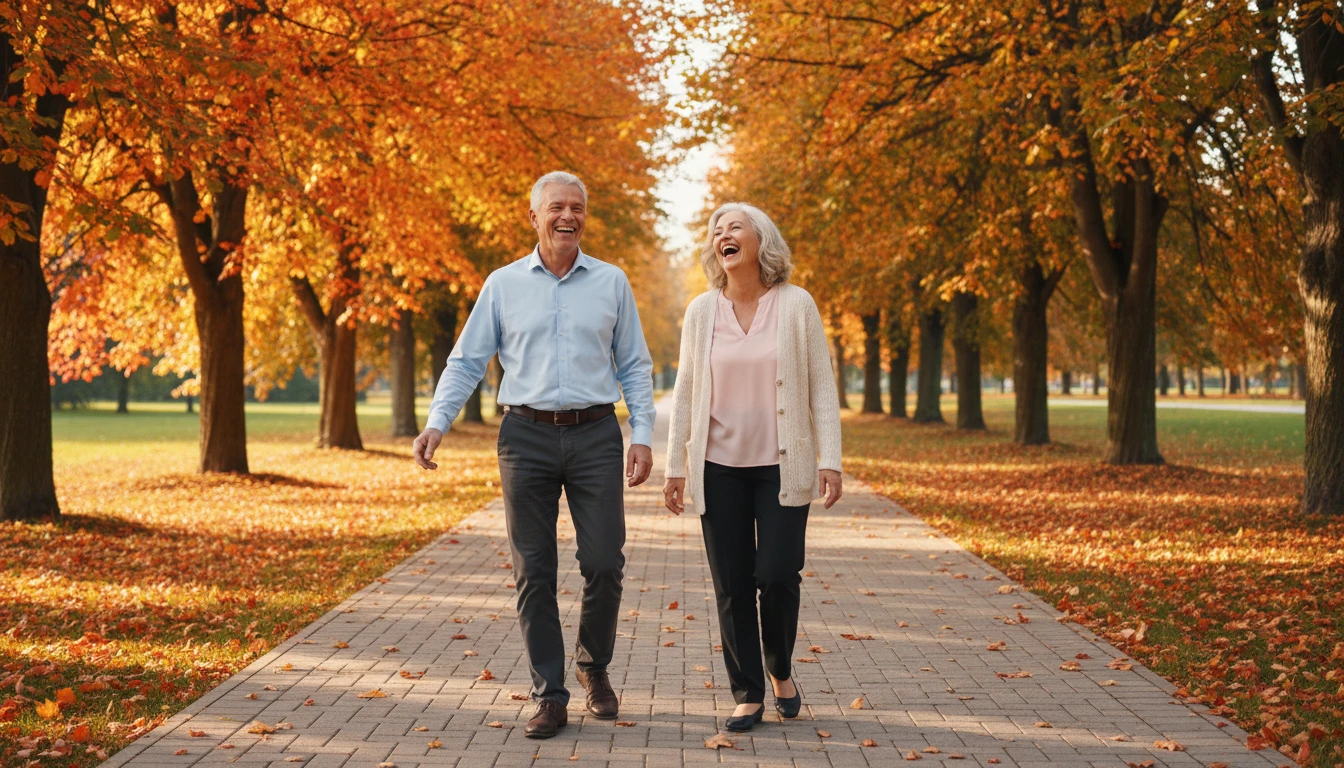
Why Exercise Is an Important Component of Good Physical Fitness — Especially in Retirement
Discover why exercise is an important component of good physical fitness in retirement — more energy, better mood, deeper sleep, and a longer, healthier life.
Nobody tells you about the body part of retirement.
They tell you about the freedom. The slow mornings. The trips you’ve been putting off for thirty years. What they don’t mention — what nobody puts in the retirement planning brochure — is that somewhere around week three, your body quietly starts filing complaints.
The knees protest at the bottom of the stairs. The back sends a strongly worded memo around 7 a.m. The afternoon slump arrives at 2 p.m. like it has a standing appointment, and you’re genuinely not sure what you did to deserve it. You’re sleeping more than you have in years, and somehow you’re still tired.
Here’s what happened: the movement disappeared.
Not the intentional, gym-membership kind of movement. The invisible kind. The walking to meetings. The rushing through airports. The standing at the printer, pacing during phone calls, taking the long way back from the break room because you needed two minutes to think. All of that built-in, accidental movement — gone. And your body, which had been quietly relying on every bit of it, is now looking at you with genuine concern.
Why exercise is an important component of good physical fitness in retirement isn’t about becoming someone else. It’s not about six-pack abs or signing up for a 5K (unless that genuinely sounds fun — in which case, go for it). It’s about feeling like yourself again. Capable. Steady. Not winded by a flight of stairs. Not dreading the walk from the far end of the parking lot. Not waking up at 3 a.m. and lying there wondering why your hip hurts.
I think of exercise the way I think of that one friend who shows up when you’re moving apartments — no announcement, no Instagram story about it, just quietly carrying boxes and making everything easier. That’s what movement does in retirement. It just shows up and helps. Every single day, in ways you stop noticing because they become normal again.
Is it always fun? Absolutely not. Some days it’s you, a stubborn shoelace, and a playlist that cannot commit to a single genre. Some days the couch makes a very compelling argument. But movement is one of the few habits that quietly improves almost everything else in your life — your mood, your sleep, your energy, your joints, your brain, your patience, your long game. And in a chapter where you finally have the time to actually invest in yourself, that’s not a small thing.
Grab something to drink. Coffee, tea, the lemon water you keep meaning to refill — whatever you’ve got. Let’s talk about this like real people who are actually living it.
What Does “Good Physical Fitness” Even Mean After Retirement?
Not the magazine version. Not the before-and-after photo version. The real, Tuesday-afternoon, “I just want to feel okay in my body” version.
Good physical fitness in retirement means your body can handle what your actual life asks of it. Not some idealized version of your life — your real one. Carrying groceries from the car in one trip, because you absolutely refuse to make two. Lifting a grandkid without bracing yourself first and hoping for the best. Climbing a flight of stairs without doing that thing where you pause at the top and pretend you’re just “taking in the view.” Sitting on the floor to play with the dog and getting back up without a full negotiation with your knees and a hand on the coffee table.
It’s made up of a few things working together:
- Endurance: you can keep going without fizzling out halfway through a walk, a day of sightseeing, or an afternoon with the grandkids.
- Strength: you can push, pull, lift, carry, and feel stable doing it — without bracing for impact every time.
- Mobility and flexibility: your joints move the way they’re supposed to. No lightning bolts in the back when you reach for the top shelf. No wincing when you turn your head too fast.
- Balance and coordination: you stay steady on uneven ground, slippery floors, and those sneaky sidewalk cracks that seem to appear out of nowhere specifically to ruin your day.
- Body composition: enough muscle to support you, sturdy bones, and a healthy amount of body fat for your frame and your age.
Here’s where it shows up in real retirement life — the stuff nobody puts in the brochure:
- You make one trip from the car with all the bags because you refuse to go back. Absolute hero behavior, and your body made it possible.
- You walk into a restaurant from the far end of the parking lot and arrive without needing a moment to quietly collect yourself.
- You sleep through the night — or at least most of it — without staring at the ceiling replaying a conversation from 2011 that you definitely could have handled better.
- You keep up with grandkids at the park without needing a two-day recovery period afterward.
- You travel without your body making the trip harder than it needs to be.
And here’s the one most people don’t think about until it becomes urgent: bone health. Weight-bearing movement and resistance work send a signal to your bones to stay dense and strong. That matters enormously as we age, because osteoporosis doesn’t announce itself — it just quietly shows up one day when you least expect it. Think of strength training as the “older-you insurance policy” that nobody markets well but everyone eventually wishes they’d started sooner.
This is where why exercise is an important component of good physical fitness really lands in retirement. Movement is training for real life. Netflix is genuinely excellent for the soul — I will defend this — but it won’t make stairs easier. Ten-minute walks will.
Exercise and Your Cardiovascular System: The Heart of the Matter
Can we give cardio a proper rebrand? Because somewhere along the way it became synonymous with punishment — treadmills, suffering, fluorescent lighting, and someone nearby who is clearly enjoying themselves far too much. And that association has kept a lot of people away from something that could genuinely change their retirement.
Your heart is a muscle. Like every other muscle in your body, it gets stronger when you use it and weaker when you don’t. Brisk walks, easy bike rides, a steady swim, a dance class at the community center, a round of golf where you actually walk the course — all of it counts. All of it helps.
What cardio quietly does for you in retirement:
- Raises “good” HDL cholesterol and helps lower triglycerides — without a prescription.
- Keeps blood pressure in a healthier range, which matters more with every passing year.
- Makes your heart more efficient, so daily activities stop feeling like a workout.
- Improves circulation, which supports brain health, energy levels, and even mood in ways that are hard to overstate.
The guideline that has stood the test of time: aim for about 150 minutes a week of moderate activity — or 75 minutes of vigorous. That’s 22 minutes a day. Less than one episode of most TV shows. Hit that consistently, and you’ll meaningfully lower your risk of heart disease, stroke, and hypertension. The American Heart Association lays it all out here.
When I first started walking regularly in retirement, I told myself it was “just a stroll.” Fifteen minutes, flat road, nothing dramatic, barely counts. Two weeks later I noticed I wasn’t gripping the handrail on the stairs anymore. Three weeks in, the afternoon slump stopped showing up. That’s cardio doing its quiet, unglamorous work — improving how your body moves oxygen around, one unremarkable walk at a time. No confetti. Just results.
Strength Training in Retirement: The One Most People Skip — And Shouldn’t
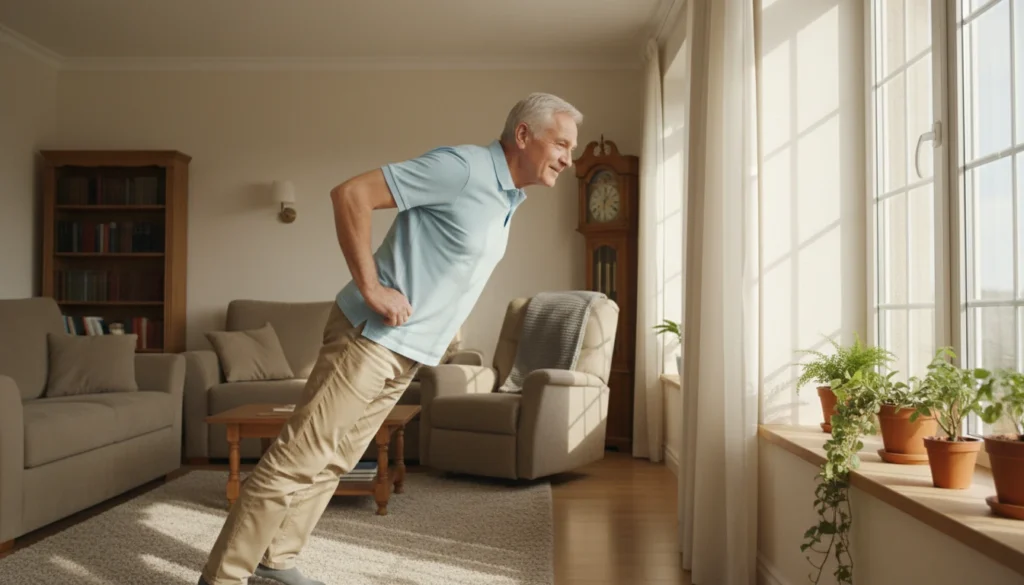
I’ll be straight with you: this is the one retirees most often skip. And it’s the one that pays off the most.
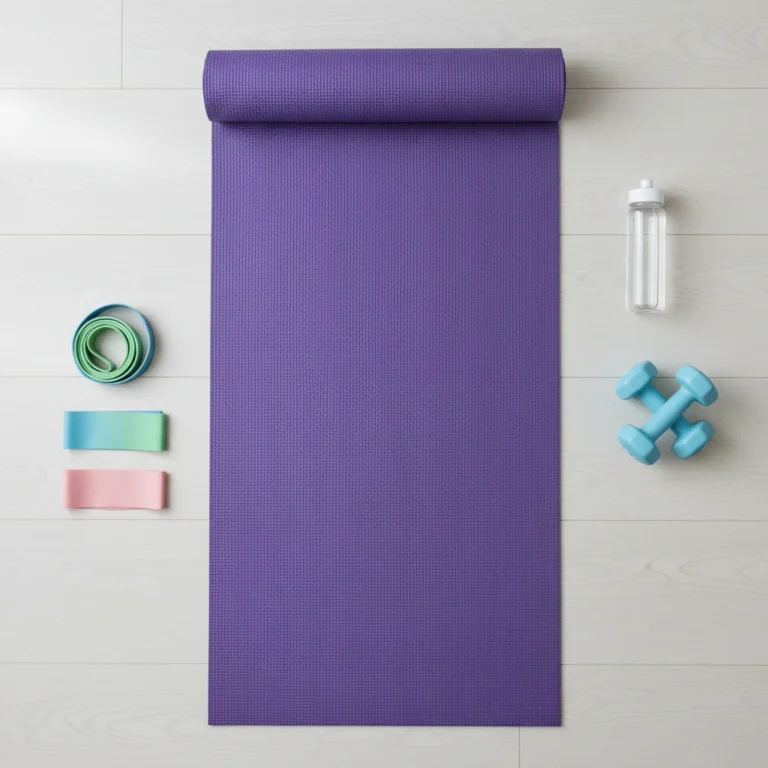
Strength training has a branding problem. People picture gyms with loud music and chalk everywhere and someone grunting near a rack of weights while everyone pretends not to stare. But that’s not what this is — not for us, not in retirement. Strength training for retirees looks like a resistance band in your living room. A couple of dumbbells by the couch. Your own body weight and a mat on the floor. That’s genuinely it.
Here’s why it matters so much in this chapter of life:
- After 50, we naturally lose muscle mass — a process called sarcopenia — at a rate of about 1–2% per year. Strength training is the most effective way to slow that down significantly.
- Strong muscles protect your joints. Less joint pain. Fewer injuries. Fewer falls — which is one of the biggest threats to independence as we age.
- You move better in daily life — lifting, carrying, bending, climbing, reaching — without bracing yourself every single time.
- Resistance work builds and maintains bone density, which is one of the most important things you can do to reduce fracture risk as you get older.
- People who strength train even twice a week consistently report less joint pain, better mobility, and greater independence as they age. The National Institute on Aging backs this up — it’s one of their top recommendations for older adults, full stop.
A simple starter routine — no gym, no equipment, no excuses:
- Squats (or chair sit-to-stands if you’re easing back in — completely valid)
- Push-ups (wall or knees are perfectly fine; they still work)
- Hip hinges (a gentle bowing motion; hold a backpack for added weight when you’re ready)
- Rows (with a band or dumbbell; a sturdy post or door hinge works fine)
- Plank (knees down if needed — it still counts, it still works, don’t let anyone tell you otherwise)
Do 8–12 slow, controlled reps of each, rest, and repeat for 2–3 rounds. When the last few reps feel genuinely hard but your form is still holding — that’s the sweet spot. That’s where the adaptation happens. That’s where the “older-you insurance” gets paid.
Mental Health Perks: Exercise as Your Brain’s Best Friend in Retirement
Here’s the part nobody puts on the fitness poster, and honestly, it might be the most important part of all.
Retirement is a bigger emotional adjustment than most people expect — and most people don’t talk about it, which makes it lonelier than it needs to be. The loss of structure, identity, daily purpose, the rhythm of being needed somewhere — it sneaks up on you. One day you’re busy and scheduled and essential, and the next you’re standing in the kitchen at 10 a.m. with a full cup of coffee, wondering what to do with yourself. That disorientation is real. It’s common. And it deserves to be taken seriously.
Movement helps. Not in a dismissive “just go for a run and you’ll feel better” way — but genuinely, biochemically, measurably helps. Exercise releases endorphins, dopamine, and serotonin — your body’s built-in mood regulation team. It doesn’t fix life. It doesn’t solve the big questions. But it changes how you meet them. It lowers the volume on the anxiety. It gives your nervous system something to do with all that restless energy.
On the days when my brain feels like a browser with 47 tabs open and music playing from a tab I absolutely cannot find, a 15-minute walk is the difference between “stuck and spiraling” and “okay, I can actually handle this.” If that sounds familiar, you are in very good company — and the research is genuinely encouraging: regular movement can be as effective as antidepressants for mild to moderate depression, with fewer side effects and no co-pay. Harvard Health has a thorough, readable summary here.
Retirement anxiety is real. The low-grade restlessness of too much unstructured time is real. Exercise gives your day an anchor — a reason to get up, get dressed, and go do something that matters. That structure is more valuable than most people expect, especially in the first few years of this transition. If you’re navigating the emotional side of retirement, how to cope with retirement anxiety is worth reading right alongside this one.
And it doesn’t have to be intense to count. Stretch with a playlist you love. Walk and talk with a neighbor. Dance to one completely ridiculous song in your kitchen with the blinds closed. Your nervous system responds to gentle motion too. It doesn’t need a workout. It just needs movement.
Sleep Better, Feel Better: How Exercise Helps Retirees Actually Rest
Let me paint you a picture. It’s 3 a.m. You’re wide awake. You’re replaying a conversation from 2009 — one where you said “you too” to a waiter who told you to enjoy your meal, and your brain has decided that tonight is the night to revisit it in full cinematic detail.
Sleep changes as we age, and not in the fun direction. It gets lighter, shorter, more fragmented. You spend less time in the deep, restorative stages. You wake up more easily. You lie there longer before falling back asleep. And the cruel irony of retirement is that it was supposed to mean finally getting enough rest — but without the physical demands and structure of work, sleep often gets worse before it gets better.
Regular movement is one of the most effective and most underused tools for fixing this. Exercise helps you fall asleep faster and spend more time in slow-wave sleep — the deep, restorative kind that makes mornings feel like mornings instead of a foggy continuation of the night before. Johns Hopkins has a clear, helpful explainer on exactly how this works.
One practical note worth knowing: if you’re doing higher-intensity workouts, try to finish them a few hours before bed. Evening movement is wonderful — just keep it lighter (a walk, some mobility work, gentle yoga) if your brain tends to rev up at night rather than wind down. For a much deeper dive into sleep strategies built specifically for retirees — including what actually works after 60 — how to fall asleep with insomnia in retirement covers it all.
Weight Management in Retirement: The Honest, Unglamorous Truth
Let’s talk about this like adults, because the fitness industry has done a remarkable amount of damage here and someone needs to say it plainly.
Metabolism slows with age. Muscle mass drops. Hormones shift. The habits that kept your weight steady at 45 may genuinely not work the same way at 65 — and that is not a personal failure. That is biology. Your body is not broken. It’s just different than it used to be, and it needs a different approach.
Exercise helps — but the bigger win isn’t a number on a scale. It’s body composition. It’s steadier energy throughout the day. It’s that feeling of “I can trust my body again” that’s hard to put a number on but impossible to miss when it comes back.
Here’s what actually happens when you move consistently:
- Cardio helps burn calories and supports fat loss over time — not dramatically, but reliably.
- Strength work builds muscle, which raises your baseline metabolic rate. Not magically, but meaningfully.
- Regular movement helps you avoid the “lose fast, regain faster” cycle because it protects muscle mass and supports your metabolism through the whole process.
I’ve tried the dramatic fixes. They were dramatic — and temporary. What actually worked was the boring, repeatable stuff: walking after meals, two simple strength sessions a week, and movement “snacks” scattered through the day. Not exciting. Not shareable. Very, very effective.
Physical Activity Guidelines for Retirees: How Much Do You Actually Need?
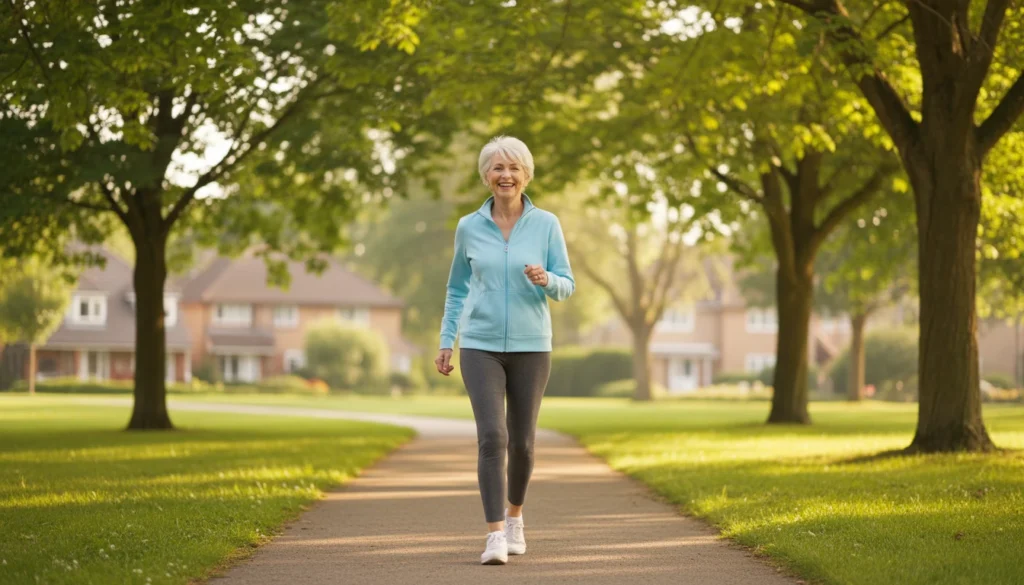
Here’s the genuinely good news: you don’t need a packed schedule, a gym membership, or a new personality. The basic plan is completely doable — even on the days when motivation has left the building entirely.
- 150 minutes/week of moderate activity (or 75 minutes vigorous), plus
- 2 days/week of strength training for major muscle groups.
That’s it. Break it up however life allows — 10-minute chunks, 15-minute sessions, 30-minute walks. It all counts. Gardening counts. Cleaning counts — the kind where you actually break a sweat and move furniture. Walking to the mailbox and back five times counts. The full, friendly breakdown is here: HHS Move Your Way – Physical Activity Guidelines.
How it should feel:
- Moderate: you’re breathing heavier but can still hold a conversation. Singing is not recommended — trust me on this one.
- Vigorous: short phrases only. Your lungs are running the show now, and they’d like everyone else to be quiet.
Overcoming Barriers: Making Exercise a Retirement Habit That Actually Sticks
Knowing why exercise is an important component of good physical fitness and actually lacing up your shoes on a cold Tuesday morning are two completely different skills. And in retirement, the barriers are real — not laziness, just life. Some days the couch makes a very compelling argument. Some days the weather is terrible. Some days your body aches and motivation has simply packed its bags and left without a note.
The fix isn’t willpower. Willpower is a terrible long-term strategy — it runs out, usually right when you need it most. The fix is making movement so small and so easy that you do it before your brain has time to negotiate.
What actually helps:
- Start microscopic. Five minutes counts. Five minutes repeated becomes a habit. A habit, over time, becomes a lifestyle. Don’t underestimate the five-minute walk.
- Make it obvious: shoes by the door, mat already on the floor, water bottle filled the night before. Remove every possible friction point.
- Stack it onto something you already do: after morning coffee → 5-minute walk. After lunch → 10 squats. After the evening news → a short stretch. Attach the new habit to the existing one.
- Keep it simple: if you need seven props and a tutorial to get started, you won’t do it on a tired day. And there will be tired days. Plan for them.
- Track short, forgiving streaks: three days in a row feels genuinely good. It creates momentum. When life interrupts — and it absolutely will — reset without guilt and start again. The streak isn’t the point. The habit is.
The day you absolutely don’t feel like it is the day the five-minute rule saves you. You don’t have to do a full workout. You just have to start. Motivation almost always shows up once you’re already moving — it just refuses to go first.
Start Today: 10-Minute Exercise Wins for Retirees
Pick one. Just one. Do it today. Not tomorrow, not Monday, not “when things settle down.” Today.
- 10-minute brisk walk after lunch. Loop the block twice. Done — and it genuinely counts.
- 2 rounds: 10 chair sit-to-stands + 10 wall push-ups + 20-second plank.
- Mobility mini: neck rolls, shoulder circles, hip hinges, ankle rotations. Slow, gentle, no rushing.
- Stairs: 60 seconds up and down, rest 60 seconds; repeat 5 times. Simple and surprisingly effective.
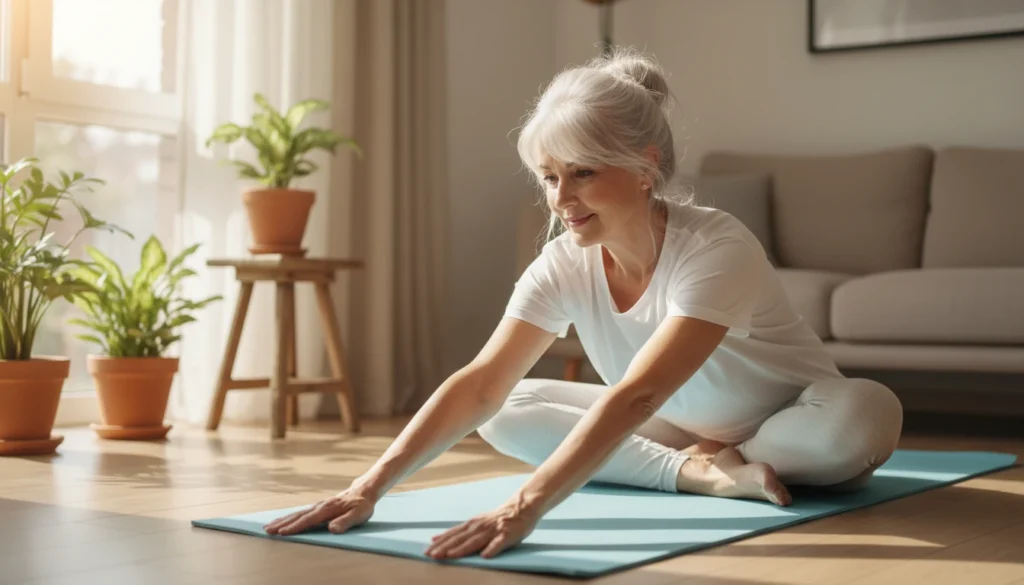
- Evening calm-down: 5–8 minutes of gentle yoga or floor stretches before bed.
Easy habit hooks for retirement life:
- After morning coffee → walk around the block once. Just once.
- After every TV episode → 10 bodyweight reps of anything. Squats, push-ups, whatever.
- When the credits roll → 2-minute plank or side planks. You’re already on the couch — the floor is right there.
- While the kettle boils → countertop push-ups + calf raises. The kettle takes three minutes. Use them.
- Before your afternoon rest → 5-minute full-body stretch. Your body will thank you when you wake up.
The Social Benefits of Exercise in Retirement: It’s So Much Better With People
You don’t have to do this alone. And honestly, you shouldn’t — because in retirement, the social piece matters just as much as the physical one, and the two together are genuinely powerful.
Everything is easier with company. Walk with a friend. Try a beginner fitness class at the community center. Join a pickleball game — it’s basically the unofficial sport of retirement, and for very good reason: it’s fun, it’s social, it’s competitive enough to be interesting, and it doesn’t require you to be in peak athletic condition to enjoy it. Weekend hike. Park laps while the grandkids run around. Water aerobics with people who will absolutely make you laugh.
Some of the best conversations I’ve ever had happened on walks. There’s something about side-by-side movement that makes talking easier — less intense than sitting face-to-face, more honest somehow. You point at a bird. You solve two small life problems without even trying. You come home lighter than you left — and you accidentally hit your step goal without once thinking about it.
Text a friend right now: “Walk tomorrow morning? Low drama. High gossip.” It works every single time. I promise.
The Long Game: How Exercise Helps Retirees Live Longer and Better
Here’s the part that keeps me honest on the days when the couch is winning.
Regular physical activity isn’t just about today’s mood or this week’s energy levels. It’s about the quality of the years ahead — and there are, if we’re lucky and we take care of ourselves, a lot of them left.
People who consistently meet the activity guidelines tend to live longer — and spend more of those years in genuinely good health. Not just surviving, but actually living. The research is clear and remarkably consistent across decades of study:
- Lower risk of heart disease, type 2 diabetes, and several cancers.
- Better brain health as you age — movement supports blood flow to the areas that handle memory, focus, and decision-making. This is not a small thing.
- Reduced risk of falls and fractures — one of the biggest and most underappreciated threats to independence in later life.
- Greater functional independence — the ability to live on your own terms, in your own home, for longer.
Large cohort studies and meta-analyses have linked regular physical activity with meaningfully lower all-cause mortality. The Lancet has published several significant papers on this if you want the deep dive and the data.
And one more thing worth knowing — because it surprised me when I first read it: long stretches of sitting aren’t great for health, even if you exercise regularly. A meta-analysis in the Annals of Internal Medicine found that prolonged sitting was linked to higher all-cause mortality, independent of how much you worked out. The fix is beautifully, almost insultingly simple: stand up every 30–60 minutes, take a short lap around the room, stretch, refill your water. Small interruptions. Surprisingly big difference over time.
A Simple Weekly Plan Retirees Can Actually Stick To
Use this as a starting point — not a rulebook. Swap days. Change activities. Make it fit your actual life, not some idealized version of it.
- Monday: 25-minute brisk walk + 5-minute mobility
- Tuesday: 20-minute strength (chair sit-to-stands, wall push-ups, rows, glute bridges) + 5-minute stretch
- Wednesday: 30-minute cycling, swimming, or a hillier walk
- Thursday: 15-minute intervals (1 minute faster, 1 minute easy × 7–8) + 10-minute stretch
- Friday: 20-minute strength (step-ups, hip hinges, plank, light dumbbell carries)
- Saturday: 30-minute “fun cardio” — hike, dance class, pickleball, family bike ride, whatever actually sounds good to you
- Sunday: 20–40-minute easy walk or gentle yoga
Progress without drama:
- Add 5 minutes to one session each week, or
- Add one extra set to your strength moves.
- Keep one genuinely easy day. Your body improves during recovery, not just during effort. Rest is part of the plan.
No-gear, low-impact options for any fitness level:
- Chair sit-to-stands instead of squats
- Wall push-ups instead of floor push-ups
- Step-ups on stairs (hold the rail — absolutely no shame in that)
- Towel rows wrapped around a sturdy post
- March in place during phone calls
- Several 5-minute walk “snacks” spread throughout the day
For more ideas on building a lifestyle that genuinely supports your health in this chapter, healthy retirement lifestyle habits is a wonderful companion read to this one.
Wrapping It Up: Why Exercise Deserves a Permanent Spot in Your Retirement
Here’s the honest heart of it — the thing I come back to on the days when I’d rather not.
Why exercise is an important component of good physical fitness in retirement comes down to how life feels. Not how it looks. Not what the scale says. How it actually feels to be in your body, moving through your days, showing up for the people and the moments that matter.
Your heart steadies. Your brain softens its edges. Your sleep deepens. Your bones and muscles show up for you when you need them. Your patience stretches a little farther. Your energy stops being something you ration carefully and starts being something you actually have. And yes — your sense of purpose, your mood, your confidence in your own body — all of it quietly improves, one unremarkable walk at a time.
Exercise isn’t punishment. It’s not something you owe the world for what you ate or didn’t eat or how you spent last week. It’s a way of taking yourself seriously — of caring for the one body that has carried you through every single thing you’ve ever done, and that you’re going to need for every single thing still ahead.
You worked hard to get to this chapter. You deserve to feel good in it. Not just okay. Actually good.
Start where you are. Do what you can. Keep going.
A quick safety note: If you’re managing a medical condition, recovering from surgery, or returning to movement after a long break, have a quick conversation with your doctor first. It’s a short conversation that can save you a lot of guessing — and help you start smarter, not harder.
Three small steps to start today:
- Pick one 10-minute option from the list above.
- Put it on your calendar like a real appointment — because it is one.
- When you finish, write one sentence about how you felt. Just one.
That’s your spark. Stack those tiny wins. Let momentum do what motivation won’t.
Close this tab. Lace up. One small walk. You’ll come back a little lighter — and tomorrow, it’ll be just a bit easier to go again. That’s how real, human fitness gets built. One quiet, unglamorous, completely worth-it step at a time.


2 Comments
Comments are closed.