Fun Things to Do in a City for Seniors: The Ultimate Guide to Memorable Urban Adventures in 2026
Discover fun things to do in a city for seniors, from museums and parks to local food, hidden gems, and easygoing city adventures.
Let me tell you how I almost missed the best part of a trip to Chicago.
I had the itinerary. I had the good walking shoes. I had a printed list of attractions sorted by neighborhood, with estimated walking times and little notes in the margins like I was preparing for a pleasant military campaign. Museums in blue. Parks in green. Food in orange. I was organized in the way people are right before life gently takes their clipboard away.
Then on my second morning, while trying to find a coffee shop I was absolutely certain was “right around here,” I got a little lost and ended up on a side street where an older man was setting up a folding chess table. He looked up, nodded toward the empty chair, and asked, “You play?”
I hadn’t played in years. I sat down anyway.
He beat me twice. Calmly. Respectfully. The kind of respectful that somehow makes the loss feel even more official. But while we played, he told me about the neighborhood—what had changed, what hadn’t, which bakery had been around forever, and which restaurant was worth the wait if I didn’t mind standing in line with people twenty years younger and somehow all wearing better jackets.
I never made it to half the things on my list that day.
I also never once regretted it.
That’s the thing I’ve come to believe about cities, especially now. The best fun things to do in a city for seniors are not always the famous ones. Sometimes they are. I’m not above a great museum or a dramatic skyline view. But sometimes the thing you remember most is a park bench, a small jazz club, a bookstore cat, or a stranger telling you where to get the soup that actually matters.
So yes, this guide will give you a starting point. But I hope it also gives you permission. Permission to travel slower. To notice more. To leave room for the accidental moments that end up feeling like the whole reason you came.
Why Cities Are Perfect Destinations for Seniors in 2026

I think cities get underestimated as retirement travel destinations.
People love to talk about cruises, mountain cabins, beach towns, and quiet resorts. All lovely. No complaints. But cities? Cities are where you can have one excellent morning, one very good lunch, one long sit in a park, and still feel like you’ve lived a whole day by dinner.
That’s part of why fun things to do in a city for seniors are so easy to find. Cities give you options without demanding a huge amount of effort to reach them. You’re not driving an hour between activities. You’re not committing to one giant excursion that eats up your energy and leaves you needing a nap and possibly a formal apology. In a city, you can pivot. If your knees decide at 2 p.m. that they’ve had enough, you can stop. Sit somewhere nice. Order tea or coffee or something with whipped cream if the situation calls for courage. And the day is still a success.
I’ve had some of my favorite travel moments happen precisely because I stopped trying to “maximize” a city. That word alone makes me tired now. I used to want to see everything. Now I want to feel like I was actually there.
Cities help with that. They’re layered. You can move through art, architecture, history, food, music, and ordinary street life all in the same afternoon. The U.S. Travel Association has long pointed out that urban destinations pack a high concentration of attractions into a small area. That matters more as we get older. Energy becomes something you spend with more intention. Frankly, that’s wisdom, not limitation.
And in 2026, many cities are simply better set up for older travelers. Thanks in part to the World Health Organization’s Age-Friendly Cities work, more destinations are improving walkability, accessibility, signage, transportation, public seating, and cultural programming for older adults. None of that sounds glamorous until you’ve been in a city with bad sidewalks and nowhere to sit. Then suddenly a well-placed bench feels like evidence that civilization may yet survive.
Top Attractions: Museums, Parks, and Historic Sites
Some classics are worth being classic about.
When people look up fun things to do in a city for seniors, the big attractions still deserve a place on the list. The trick is not doing them like you’re racing a stopwatch.
Museums: More Than Just Rainy-Day Plans
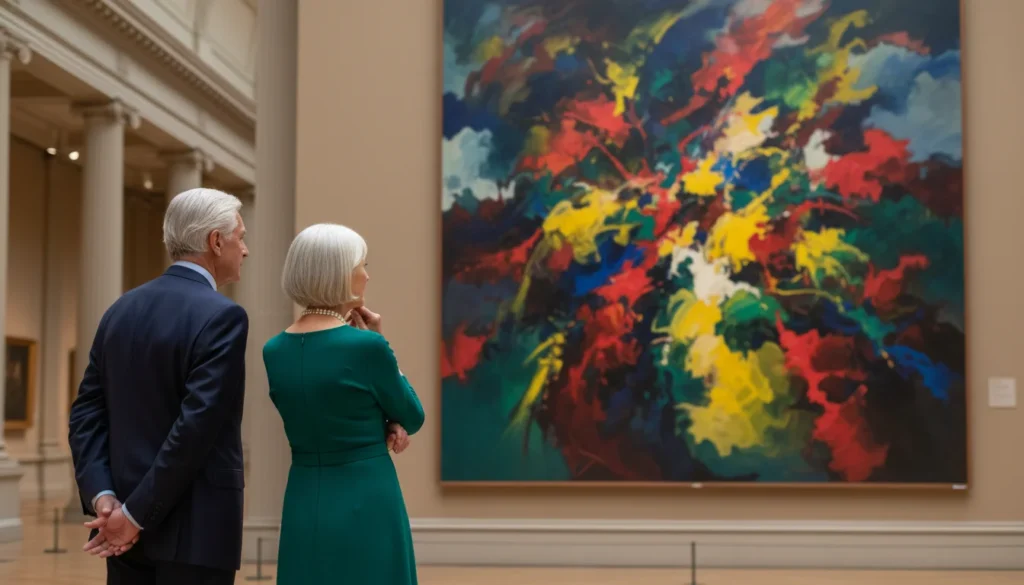
Museums are where a city keeps its memory, or at least the parts it had the good sense to label and light properly.
I love museums, but I had to learn how to love them in a way that didn’t leave me limping into the gift shop with the thousand-yard stare of a person who had tried to absorb too much culture at once. I used to go in with a map and a mission. Every floor. Every exhibit. Every placard. By the end, I’d remember one painting, two facts, and where the restroom was.
Now I go slower. Two or three exhibits. One place to sit. A little wandering. A little curiosity. It’s better in every possible way.
That approach makes museums one of the best fun things to do in a city for seniors, especially because so many now make room for a gentler pace. A 2019 study in the Journal of Epidemiology & Community Health linked regular cultural engagement, including museum visits, with better life satisfaction and lower odds of depression. Many museums have responded by offering slower guided tours, accessible seating, large-print guides, sensory-friendly programming, and dementia-inclusive sessions.
And then there are the delightfully odd museums. I once wandered into a museum dedicated to vintage typewriters and stood there staring at a typed grocery list behind glass like it was a lost Shakespearean fragment. Milk. Bread. Eggs. Butter. It was so ordinary it became moving. That happens to me more now than it used to. The ordinary gets heavier in a good way.
Parks: The City’s Lungs
If museums are where cities keep their memory, parks are where they exhale.
I don’t say this lightly: some of the best fun things to do in a city for seniors involve doing almost nothing in a very good location. A park is perfect for that. You can walk if you want. Sit if you want. Read. Snack. People-watch. Bird-watch. Dog-watch. There is no wrong way to be in a park unless you are loudly playing bad music from your phone, and that’s a separate issue.
My favorite park memory isn’t from some famous landmark park. It’s from a tiny square in Philadelphia where an older man was feeding pigeons with the concentration of someone doing holy work. He had a system. He knew the birds. He adjusted his toss with small, serious precision. I sat nearby for twenty minutes and left feeling oddly restored, as if I had witnessed a minor but important ceremony.
That restoration is real. Research in the American Journal of Preventive Medicine has linked time in green spaces with lower stress and improved mental well-being in older adults. So yes, your quiet afternoon on a bench may count as wellness. I find that information extremely convenient.
City parks are also where everyday life shows itself without performing. Kids run, people read, couples argue softly, dogs behave like unpaid mayors. In warmer months, parks host concerts, films, food trucks, tai chi groups, and local events. They ask very little from you and often give quite a lot back.
Historic Districts and Landmarks
Historic districts do something to the imagination that photos never quite manage.
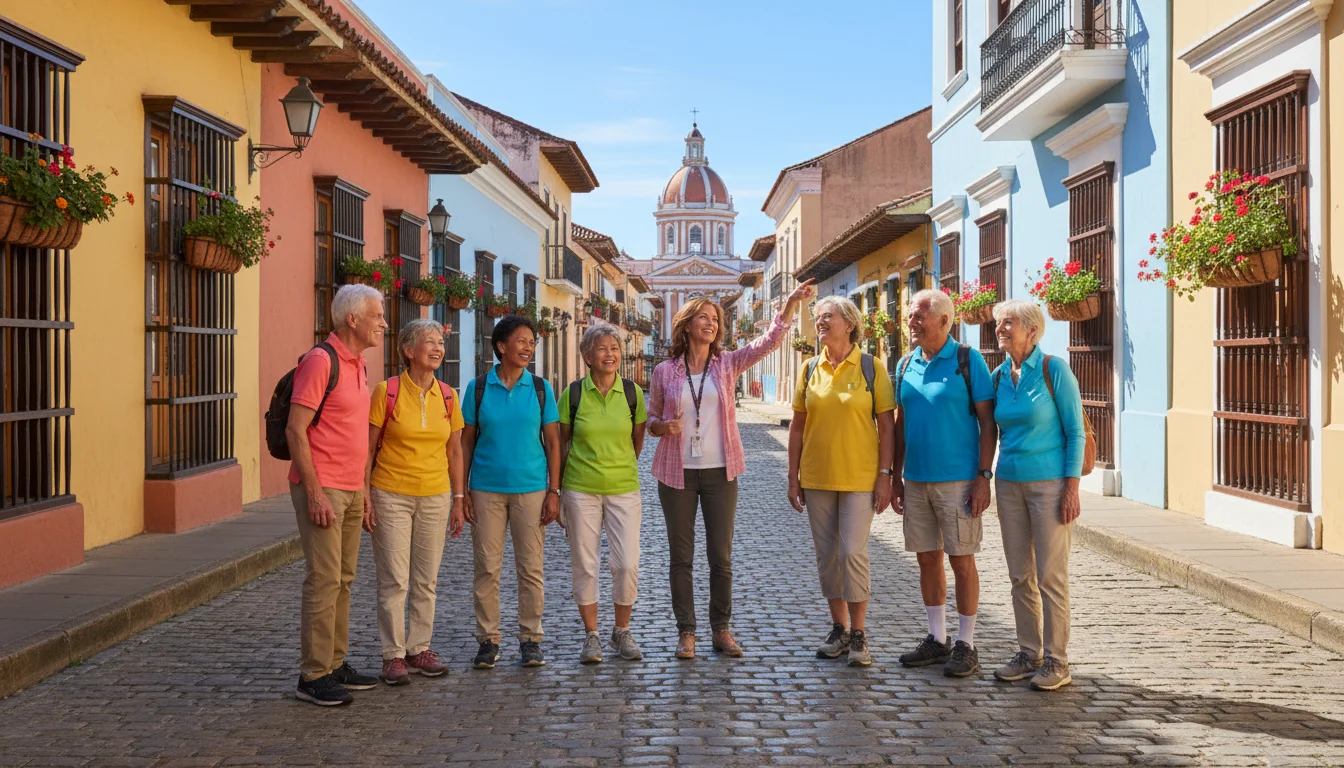
Walk down an old street, cross a bridge that has been carrying people for generations, stand in front of a building older than your grandparents’ stories, and suddenly the city stops feeling abstract. It becomes human-sized. You start thinking about all the lives that unfolded there. Meals cooked. Jobs worked. Arguments had. Letters written. Shoes worn down on the same stretch of sidewalk.
The first time I stood on the Brooklyn Bridge, I had one of those travel moments that sneaks up on you. People have been crossing this bridge since 1883. Workers, immigrants, families, tired people, hopeful people, people who had no idea what would come next. And there I was, in supportive footwear, taking a photo and trying not to get emotional in public like a completely normal person.
Historic sites in 2026 are often easier to enjoy than they used to be. Better audio guides, improved accessibility, digital exhibits, and augmented reality features can add depth without turning the visit into a technological hostage situation. When it works, it feels less like a gimmick and more like the city gently saying, “Here, let me show you who I used to be.”
Dive Into Local Life: Hidden Gems and Neighborhoods
This is where travel goes from pleasant to memorable.
If you only visit the top attractions, you may have a very nice trip. But if you spend time in neighborhoods, you start to feel the city under its skin. That’s where some of the best fun things to do in a city for seniors really live: corner bakeries, family-run cafés, used bookstores, side streets with murals, local markets, tiny music venues, and quiet residential blocks where people are just out living their lives.
One of my favorite travel habits is asking locals, “If you had a free afternoon, where would you go?” Not where should a tourist go. Where would you go if you wanted to enjoy your own city.
That’s how I once ended up in a small jazz club after a barista wrote the address on my receipt. No flashy sign. No curated “experience.” Just a dark room, a tired-looking trumpet player, and music so good it made the whole day feel reassembled around it.
Technology helps, of course. In 2026, neighborhood guides, map apps, local recommendation tools, and event listings are better than ever. But curiosity still matters more. A phone can point. It cannot notice for you. The best hidden gems usually reveal themselves to people who are willing to walk a little slower and pay attention.
Outdoor and Active Adventures: Hiking, Biking, and More
City travel doesn’t have to mean standing in lines and calling it enrichment.
Many urban destinations offer easy, active options that feel good without feeling punishing. Waterfront trails, urban gardens, scenic overlook walks, bike paths, and nearby nature routes all make wonderful fun things to do in a city for seniors, especially if you like movement but have no interest in pretending vacation is boot camp.
E-bikes, in particular, deserve a standing ovation. The first time I rented one, I spent most of the ride laughing like someone who had been let in on a secret far too late. You get the breeze, the views, and the freedom without arriving at lunch looking like you’ve escaped a survival challenge.
The World Health Organization recommends at least 150 minutes of moderate physical activity each week for adults over 65. City travel can help you get there almost by accident. Walk to the museum. Stroll the riverfront. Bike the park path. Take the scenic route back because the weather is nice and your body is cooperating for once.
One small practical note: if something is popular and weather-dependent, reserve it ahead. I have more than once said, with confidence, “I took care of it,” only to learn I had taken care of absolutely nothing.
Waterfront and Beach Activities: Embracing the City’s Blue Spaces
Water changes the mood of a city.
A riverwalk, harbor, marina, canal, lakeside path, or urban beach can soften everything. Even busy places seem to breathe differently near the water. So do I, if I’m honest.
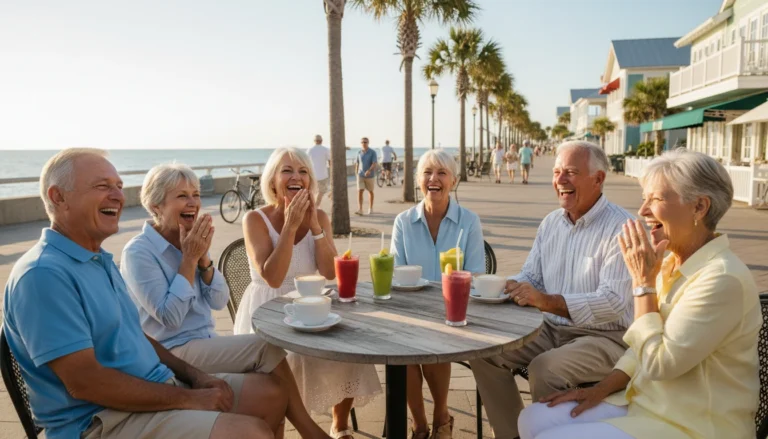
That’s one reason waterfronts are among the most relaxing fun things to do in a city for seniors. You can walk, sit, snack, watch boats, watch people, take a ferry, or just stare at the horizon and let your brain unclench a little. Research on blue spaces has linked time near water with lower stress and better mental well-being, including findings published in Health & Place. Which is wonderful news for those of us who already suspected a harbor bench and a decent seafood lunch might qualify as therapy.
I once spent an entire afternoon on a bench in Baltimore with a crab cake and no plans. It remains one of the most restorative afternoons I’ve had anywhere. My only error was not ordering a second crab cake, and I prefer not to discuss that any further.
Shopping and Entertainment: From Boutiques to Big Shows
Even if you are not a shopper, browsing is one of the sneakiest pleasures in a city.
Independent shops, old bookstores, artisan markets, vintage stores, neighborhood florists, and little specialty businesses tell you what a city loves. Or at least what it’s willing to pay rent for, which in some cases may be even more revealing.
I once spent forty-five minutes in a used bookstore in New Orleans, bought one book I never finished, one postcard I still have, and developed a complicated respect for the cat on the counter who looked at every customer with open disappointment. Perfect outing. No improvements needed.
Entertainment matters too. If you want fun things to do in a city for seniors that turn into actual stories, look for live music, local theater, comedy, film screenings, lectures, or community events with a little personality.
Entertainment That Sticks With You
The best entertainment is not always the fanciest. Sometimes it’s just the most alive.
That might be a jazz trio in a small room, a neighborhood theater production that’s better than it has any right to be, or a trivia night where your confidence briefly outpaces your competence. I once answered a geography question with such certainty that my entire team trusted me. This was unwise. I was wrong in a way that strengthened the group through shared adversity.
Still, we laughed all night. That counts.
Food and Drink Scene: Savoring Local Flavors
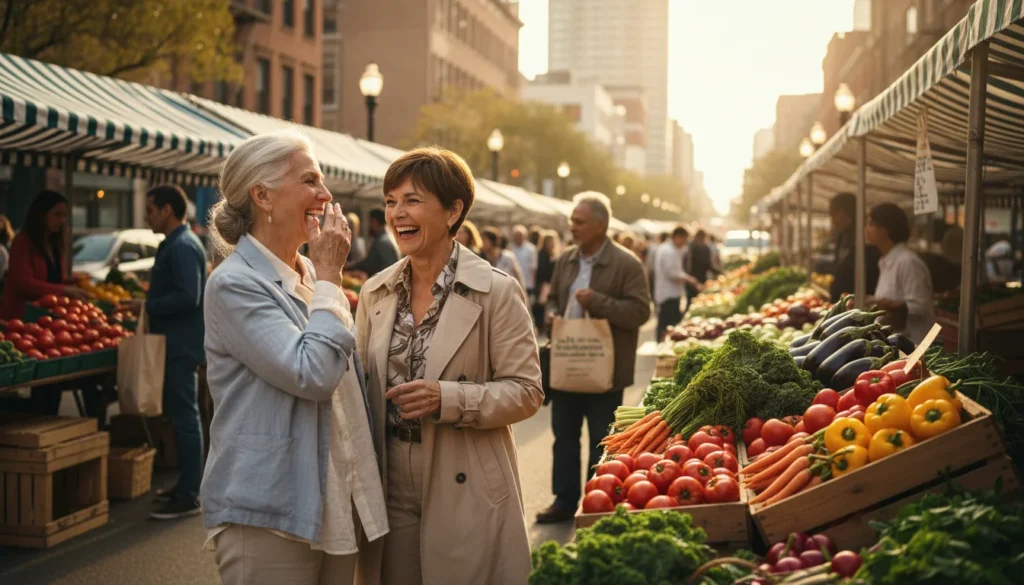
Food is not a side activity. It is the activity, or at least a very persuasive co-star.
A city’s food tells you what it remembers, what it celebrates, and what its people crave on a Tuesday when nobody’s trying to impress anyone. That’s why local dining remains one of the richest fun things to do in a city for seniors.
I have one rule when I travel: at least one meal should come from a place I did not research in advance. No rankings. No viral posts. Just a look through the window and a feeling. This has brought me excellent pho, incredible pastries, unforgettable pasta, and one deeply regrettable sandwich. Life is statistics.
In 2026, many cities are also making dining easier for older adults—quieter seating, accessible layouts, more flexible menus, earlier reservation times. It’s a small thing until you’ve tried to read a tiny menu in a loud room while pretending not to need your glasses. Then it becomes a very large thing.
Food tours and cooking classes are also worth a look. They combine stories, local history, and snacks, which is honestly hard to beat as a format.
Unique and Quirky Activities: Offbeat Urban Experiences
Some of the best travel memories are difficult to explain later.
A museum dedicated to something strangely specific. A rooftop garden hidden above an office building. An interactive art show. An open-mic night. A board game café where you accidentally spend three hours learning a game from a retired engineer who absolutely did not come there to lose.
These offbeat experiences matter. They wake you up. They keep travel from becoming repetitive. And they remind you that one of the joys of this stage of life is that you can follow your curiosity without needing to justify it to anyone.
That freedom is no small gift.
Social and Cultural Events: Concerts, Festivals, and Community Gatherings
If you want to feel a city’s pulse, go where people gather on purpose.
Festivals, open-air concerts, neighborhood markets, cultural celebrations, public fairs, and seasonal events are some of the most human fun things to do in a city for seniors because they let you enter the life of a place instead of just observing it from the edge.
I’m an introvert, which means I enjoy people best with an exit strategy. So I’ve learned to do festivals in a way that actually works for me: arrive early, find a good spot, get something to eat, take it in, and leave while I’m still glad I came. That is not cheating. That is wisdom with comfortable shoes.
Research in Perspectives on Psychological Science has linked social connection and a sense of belonging with healthy aging and longevity. Which means that yes, that lovely outdoor concert may be doing more for you than simply providing background music for your roasted corn.
Nightlife and Evening Activities: After-Dark Urban Adventures
At night, cities change personality.
They soften a little. Streetlights come on. Waterfronts glow. Music drifts out of doorways. Even a simple walk can feel cinematic if the evening is kind and your feet are still in a cooperative mood.
The good news is that nightlife no longer has to mean staying out until a time of day normally reserved for emergencies. In 2026, more cities offer early-evening concerts, twilight garden events, sunset cruises, dessert cafés, and intimate live music venues that make perfect fun things to do in a city for seniors. You get the atmosphere without needing to sacrifice tomorrow morning.
Frankly, this feels like one of humanity’s better ideas.
Affordable and Free Activities: How to Explore Without Breaking the Bank
Not every memorable city experience requires a ticket with service fees attached.
Some of the best fun things to do in a city for seniors are free or inexpensive: parks, waterfront promenades, neighborhood walks, public art, ferry rides, open-air music, free museum hours, local markets, and public gardens. Cities can be generous that way if you know where to look.
Public transportation is worth mentioning too. A bus or tram ride can be as revealing as any tour. You see the city in its natural state—commuters, students, workers, grandparents, somebody carrying too many bags and refusing all common sense. It’s real. And real is interesting.
Planning Your Trip: Tips for Making the Most of Your City Visit in 2026
A little planning helps. Too much planning starts to feel like homework in sensible pants.
If you want the best fun things to do in a city for seniors, plan loosely. Check museum hours, senior discounts, accessibility details, and event listings. Pick a few anchors for each day. Then leave room.
Room for rest. Room for weather. Room for the bakery you discover by smell alone. Room for the unexpected conversation. Room for the strange little detour that becomes the story you tell later.
And please, wear good shoes. Cities are built on false promises like “it’s only a few blocks.”
Key Takeaways
- Fun things to do in a city for seniors work best when you balance iconic attractions with slower local experiences.
- Museums, parks, and historic districts offer culture and flexibility without requiring a frantic pace.
- Neighborhoods often hold the most memorable parts of a trip.
- Waterfronts, food stops, and live entertainment can turn an ordinary day into a great one.
- Some of the best city moments are inexpensive, unscheduled, and a little accidental.
Final Thoughts: Why Every City Is Worth Exploring in 2026
Cities are noisy, layered, imperfect, funny, beautiful, and full of life. That’s exactly why they’re so rewarding now.
When I think about fun things to do in a city for seniors, I don’t really think in terms of checklists anymore. I think in terms of rhythm. One interesting thing. One delicious thing. One beautiful thing. One unplanned thing. That’s usually enough for a very good day.
Travel changes as we get older, but I don’t think it gets smaller. I think it gets sharper. You notice more. You rush less. You know the value of a good meal, a quiet bench, a meaningful conversation, and the freedom to change your plans without apology.
So yes, go see the museum. Walk the waterfront. Try the pastry. Take the ferry. Sit in the park longer than you meant to. Say yes to the little jazz club.
And if the day goes sideways in a way that opens up something better, let it.
Some of the best trips begin the moment you stop trying so hard to have the perfect one.