
Experiential Travel in Retirement: Your Complete Guide to Transformative Journeys
Discover how experiential travel in retirement can transform your golden years — from cultural immersion and culinary adventures to conservation projects and meaningful connections around the world.
There’s a specific kind of tired that retirement doesn’t fix.
Not the physical kind — sleep takes care of that. I mean the deeper kind. The “I’ve been doing the same things for 35 years and I’m not sure who I am outside of my job title” kind. The kind that sneaks up on you around month three of retirement, when the novelty of sleeping past 6 a.m. has worn off and you’re standing in your kitchen at 10 on a Tuesday thinking: Now what?
I know a man — sharp, funny, spent thirty years as a civil engineer — who told me that the first six months of retirement were the strangest of his life. Not bad. Just strange. “I kept waiting for someone to tell me what to do next,” he said. “And nobody did. And I realized I’d forgotten how to decide for myself.”
That’s not a failure. That’s what happens when you’ve been excellent at a structured life for three decades and then the structure disappears overnight. The swim-up bar helps for about forty-five minutes. Then you’re sitting there with a paper umbrella in your drink thinking: Is this really it?
Not because it isn’t pleasant. It’s perfectly pleasant. But pleasant and meaningful are two very different things, and you’ve spent thirty-five years earning the right to finally have both.
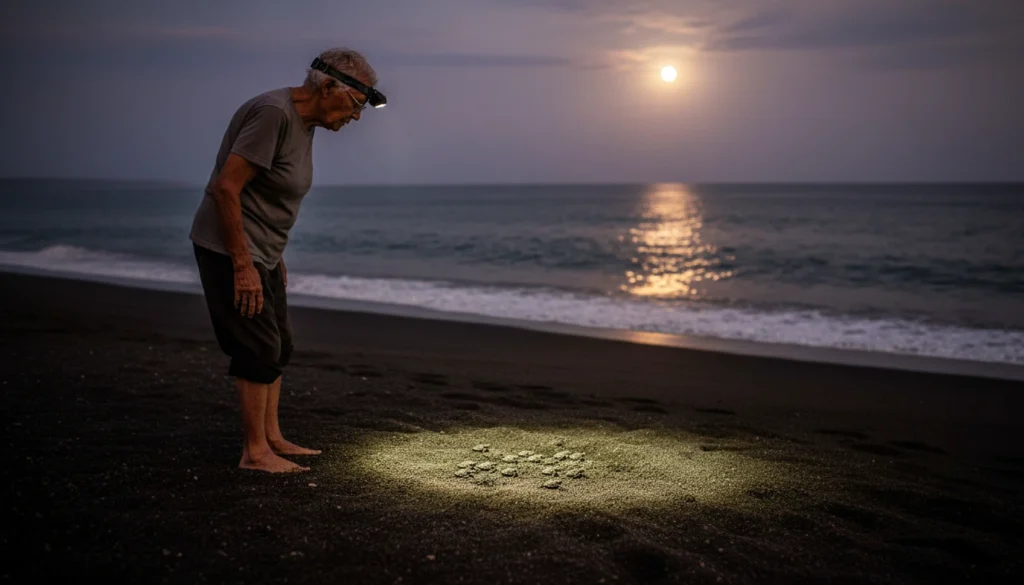
That’s where experiential travel in retirement comes in. And I’ll be honest — the first time I really understood what it meant, I was standing barefoot in cool Costa Rican sand at 4 a.m., headlamp haloed with moths, watching tiny turtle hatchlings make their wild, improbable dash toward the ocean. No tour bus. No crowd. No one narrating the moment into a microphone. Just the sound of the waves and the quiet, almost holy focus of watching something small and determined do exactly what it was born to do.
I didn’t take a single photo. I just watched.
I thought about that morning for months afterward. Still do. And I’ve been to a lot of places.
That’s the pull of experiential travel in retirement: you don’t just observe the world — you participate in it. You learn something real. You come home different in ways that are hard to explain but impossible to miss.
What Experiential Travel Actually Means (And What It Doesn’t)
Here’s the simplest way I can put it: experiential travel asks you to slow down and take part in local life. Less “look at that,” more “show me how.” You join a kitchen, a workshop, a field, a ritual — always by invitation, always with respect. It’s hands-on. You learn by doing and listening, not by reading a placard and moving on.
It’s worth distinguishing from a couple of things it often gets confused with. Adventure travel is adrenaline-first — the bungee jumps, the white-water rapids, the “I can’t believe I survived that” stories. Eco-tourism is environment-first — conservation, sustainability, minimal footprint. Experiential travel is people-first. Not in a selfie way. In a “pull up a chair and tell me the story behind this bread” way. It’s about practicing culture, not sampling it.
Picture a market day. A tourist strolls, snaps a few photos, buys a magnet. An experiential traveler wakes before dawn, helps set up a stall, learns the seasons from the produce, practices greetings in a language they’re still fumbling through, and hears why a certain herb belongs in a family soup that’s been made the same way for four generations.
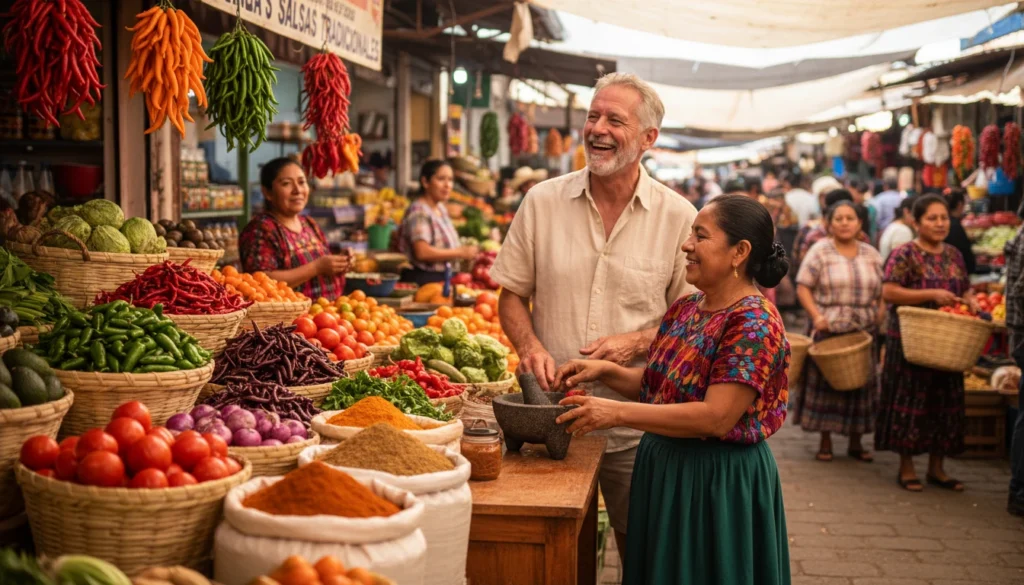
In Oaxaca, what I thought would be a quick market stop turned into two hours of chile TLC and an impromptu salsa lesson from a woman named Esperanza who found my technique both impressive and deeply concerning. She corrected my grip three times. She sighed once. She laughed a lot. I walked out with a handwritten recipe, a friendship, and a story I’ve told at every dinner party since. My salsa is still not great, for the record. Esperanza would not be proud. But I’m working on it, and every time I make it I think of her, and that’s worth more than any souvenir I’ve ever bought.
Stays shift too. Homestays, eco-lodges, and community-run guesthouses open the door to actual conversations. You trade a buffet for a table where dinner lasts because the stories do. You won’t remember the thread count. But you’ll remember the laughter — and the way the grandmother at the end of the table kept refilling your glass before you’d even finished it, because that’s just what you do for guests.
Why Experiential Travel Is Booming — Especially Among Retirees
The global experiential travel market reached $1.3 trillion and continues growing at around 4.5% annually. That’s not a niche trend — that’s a fundamental shift in how people think about what travel is for.
After the pandemic, something changed in how retirees approach travel. Fewer trips, more meaning. The sprint from landmark to landmark started feeling hollow in a way it hadn’t before — like eating a meal so fast you can’t taste it. Analysts at Skift Research and Deloitte have both documented this pivot toward experience-led choices and community-centered design — travelers increasingly want to know that their presence in a place actually benefits the people who live there, not just the hotel chain that owns the property.
For retirees specifically, the timing couldn’t be better. You finally have what younger travelers almost never have: time. Real time. Not a week squeezed between work obligations and a pile of emails waiting for your return, but weeks — sometimes months — to actually settle into a place, learn its rhythms, and let it change you.
That’s not a small thing. That’s the whole thing. And it took me an embarrassingly long time to realize it.
The Mental Health Case for Experiential Travel in Retirement
This part matters more than most travel guides admit, so I want to spend a real moment on it.
Retirement is a significant identity transition. For many people, it’s the first time in decades that their days aren’t structured by external demands — and that freedom, while genuinely wonderful, can also feel disorienting in ways nobody warned you about. I’ve talked to retirees who describe the first year as quietly unmooring. Not bad, exactly. Just strange. Like being handed a blank calendar and realizing you’ve forgotten how to fill one without someone else’s priorities shaping it.
Research published in Social Science & Medicine has found that maintaining a sense of purpose, novelty, and active engagement is strongly associated with better cognitive and emotional outcomes in older adults. Experiential travel delivers all three simultaneously — and it does it in a context that feels like living, not like therapy homework.
There’s also the learning dimension. Research associated with Robert Bjork’s Learning and Forgetting Lab at UCLA demonstrated that effortful, hands-on learning produces significantly stronger and more durable memory formation than passive observation. In plain English: the bread you kneaded in a Tuscan farmhouse kitchen will stay with you far longer than the fifteenth museum placard you read on a conventional tour. Your brain is literally more engaged, and the memories stick differently — deeper, more textured, more yours.
And then there’s the social dimension. A 2020 study published in PLOS ONE found that social connectedness is one of the strongest predictors of wellbeing in retirement — stronger, in fact, than income or physical health alone. Experiential travel, almost by design, creates genuine human connection. Not the polite, transactional kind. The kind where you’re elbow-deep in someone’s family recipe and laughing about something that doesn’t require a shared language to be funny.
I’ve made friends on experiential trips that I still email. That I still think about. That I’d fly back to see. That doesn’t happen at the swim-up bar. I’ve tried. The conversations there tend to end when the drinks do.
Types of Experiential Travel Worth Knowing About
Cultural Immersion
Homestays. You live a local rhythm — morning chores, evening tea, the small negotiations of who does dishes. A seven-year-old will fix your accent with love and zero mercy, and you will be grateful for it. This is the format that tends to produce the most lasting connections, and for retirees who have the time to settle in rather than rush through, it’s often the most rewarding.
I stayed with a family in rural Portugal for ten days. By day three, I was helping with the chickens. By day five, the grandmother was teaching me to make a soup that her mother had taught her, measuring nothing, explaining everything. By day seven, I had a standing invitation to Sunday lunch. By day ten, leaving felt like leaving family — because in the small, real ways that matter, it was.
Traditional crafts. Pottery in Greek villages, weaving in the Guatemalan highlands, woodcarving in Bali. Multi-session workshops mean you actually improve. The first bowl tilts. The second stands tall. There’s something quietly profound about making something with your hands in a place where that craft has been practiced for centuries — and something quietly humbling about realizing how much skill goes into things you’ve always taken for granted. I spent an afternoon trying to throw a pot in Crete. The instructor was patient. The pot was not.
Language and culture. Lessons by day, practice in markets and community spaces by afternoon. Add a host family and your vocabulary gets brave fast. I’ve found that even a handful of words in the local language changes how people respond to you — not because it’s impressive, but because it signals that you’re actually trying. People respond to effort. They always have. A stumbled greeting in someone’s language is worth more than a perfect sentence in your own.
Spiritual traditions. Meditation in Nepali monasteries, the Camino de Santiago, indigenous ceremonies — only with permission and proper guidance. Respect isn’t optional here. It’s the whole point. And if you approach it right, these experiences have a way of quieting something in you that you didn’t even know was loud.
Culinary and Agricultural Experiences
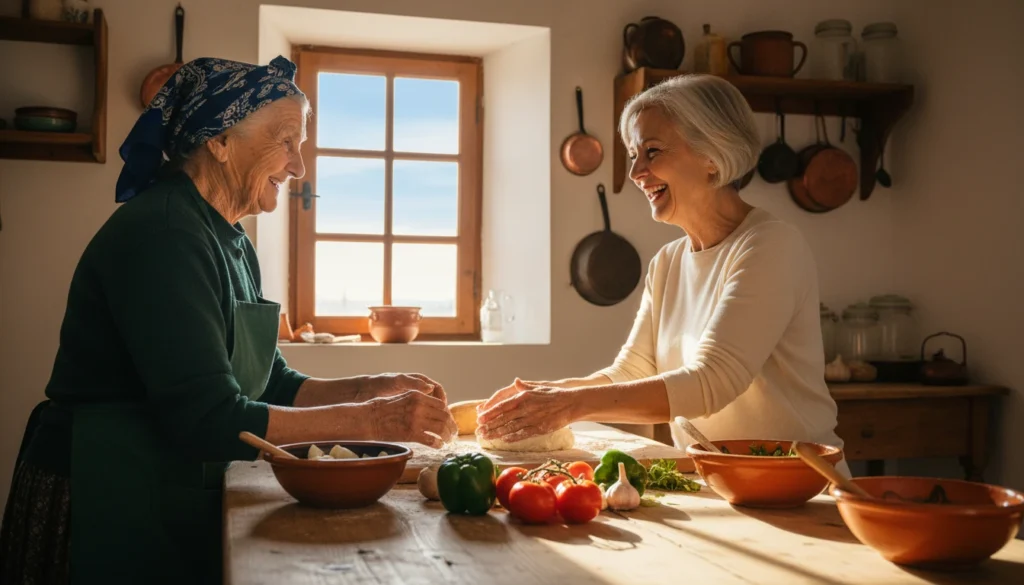
Farm-to-table. Tuscany, Provence, Vermont. You harvest, knead, stir, and let patience do its quiet work. The silence when everyone tastes something perfect — when the bread comes out of the oven and the whole room just stops for a second — that’s church. I don’t know how else to describe it.
Cooking with locals. Bangkok markets, Marrakech tagines, Andean grains. A small tweak from an experienced cook can genuinely rewrite your home kitchen. I came back from a cooking class in Chiang Mai and immediately threw out half my spice rack and started over. My family has not complained. This is a significant win.
Wine and olive oil. Argentina’s vineyards, Portugal’s Douro, California’s small-batch growers. You learn terroir, timing, and when “just a splash” becomes a generous pour that nobody at the table objects to. You also learn that people who make things with their hands for a living have a particular kind of quiet pride that is genuinely contagious.
Foraging and indigenous foodways. Aboriginal bush tucker in Australia, Inuit food traditions in Canada, Scandinavian forest foraging. You step into a knowledge chain that stretches back thousands of years. Carefully, respectfully, and with genuine wonder at how much the land holds when you know how to ask it.
Adventure and Conservation Experiences
Wildlife conservation. Turtle patrols in Costa Rica, ethical elephant sanctuaries in Thailand, community-led safaris in Tanzania or Madagascar. You help. You learn. You leave it better than you found it — which is a genuinely good feeling to carry home. Better than any souvenir I’ve ever bought, and I’ve bought some truly questionable souvenirs.
Citizen science. Coral reef monitoring in the Maldives, bird migration studies in Panama. Curiosity gets a job to do, and the data you collect actually matters to researchers who need it. There’s something deeply satisfying about contributing to something larger than your own itinerary — about knowing that your week in the water produced something that will outlast your tan.
Outdoor skills. Canadian bushcraft, Jordanian rock climbing with Bedouin guides, navigation and leave-no-trace principles in the American Southwest. Competence feels good in the bones, especially when you’re learning it somewhere extraordinary and from someone who has lived it their whole life.
The Real Benefits of Experiential Travel in Retirement
Personal Growth That Actually Sticks
You get braver, more patient, more curious. Reading a bus timetable in a new alphabet and figuring it out turns “I can’t” into “I can” in a way that carries home and applies to things that have nothing to do with buses.
A retired teacher I met on a conservation trip in Madagascar told me she’d spent her whole career helping other people learn things. The experiential travel she’d done in retirement was the first time in decades she’d been the student. “It’s humbling,” she said, stirring her coffee, looking out at the trees. “And I mean that in the best possible way. I forgot what it felt like to not know something yet.” She came home and signed up for ceramics. Then a Spanish course. Then a woodworking workshop. The trip didn’t just give her a story — it gave her a new relationship with learning itself. That’s not nothing. That’s everything.
Mental Health Benefits That Go Beyond Relaxation
Novelty plus active learning is a powerful combination for cognitive health. A study published in Psychological Science found that engaging in mentally stimulating activities — particularly those involving new skills and social interaction — was associated with significant improvements in memory function in older adults.
The glow from an experiential trip lasts considerably longer than a beach nap. Not that there’s anything wrong with beach naps. I’m a devoted fan. But they’re not the same thing, and your brain knows the difference even when the rest of you is pretending otherwise.
Community Impact That Goes Beyond Your Trip
More money stays local when you travel experientially — with guides, artisans, and families rather than international hotel chains. Research from the World Tourism Organization (UNWTO) has documented higher household income and stronger community resilience in destinations where community-led tourism models are in place.
When you choose an experiential operator that’s genuinely community-rooted, your travel budget does real work in the places you visit. That matters to me. It’s one of the things I think about when I’m deciding where to put my money — not just where I want to go, but what my going actually does for the people there. Tourism that extracts is easy to find. Tourism that gives back takes a little more looking. It’s worth the effort.
Environmental Gains
Habitat restoration, wildlife monitoring, and sustainable resource projects leave real footprints — the good kind. Conservation-focused experiential travel has been shown to generate meaningful ecological data and direct habitat benefit, particularly in regions where funding for conservation is limited and volunteer presence makes a measurable difference. You show up. You help. The reef is a little healthier. The turtles have a slightly better shot. That’s not a small thing to carry home.
Planning Your Experiential Trip: The Practical Side
Budget Realistically
Expect a 20–40% premium over conventional tours — usually with more included: instruction, materials, local transport, meals, and the kind of access that money alone can’t buy on a standard package tour. A week-long immersion might run $2,000–$4,000 compared to $1,400–$2,800 for a standard tour.
Value beats volume here, every time. I’d rather have one trip that changes something in me than three trips I can barely remember. That’s not a budget philosophy — that’s a life philosophy that happens to apply to travel.
Book Further Ahead Than You Think
Remote or seasonal programs: 3–6 months ahead, sometimes longer. Culinary and craft experiences: 1–3 months. Highly specialized or remote conservation projects: 6–12 months. Ask about peak weeks and waitlists — the best programs fill up fast, and the best spots within those programs fill up faster. I’ve missed things I really wanted to do because I waited too long. Learn from my impatience.
Align With Seasons and Cultural Calendars
The right week changes everything. Harvest seasons, migration windows, cultural festivals — these aren’t just nice-to-haves. They’re often the entire point. Do your research, or ask your operator directly. A good one will know exactly when to send you. A great one will tell you which week to avoid and why.
Prepare Like You Mean It
Learn greetings and numbers in the local language before you go. Read up on etiquette — dress codes, photo consent, table customs. Sort health needs: vaccines, travel insurance that covers hands-on activities (standard policies sometimes don’t — check the fine print, because that fine print has surprised more than a few people I know). Pack to participate: closed-toe shoes, quick-dry layers, a headlamp, a notebook.
I always tuck in a small gift from home — coffee beans or a packet of good tea. It starts conversations in a way that nothing else quite does. People light up when you bring something from your world into theirs. It says: I thought about you before I even met you. That lands.
If you’re heading somewhere new and want to make sure your packing is genuinely dialed in, Vanika’s guide to packing for international travel as a retiree covers everything from medications to documents to the gear that actually earns its weight in your bag.
How to Choose Authentic Experiences (And Spot the Ones That Aren’t)
Red Flags to Watch For
Big groups with rigid itineraries and no community input. Glossy promises with few specifics. An obsession with photo opportunities over actual learning. If it feels staged — if the “local family” seems to be performing rather than living, if the “traditional ceremony” has a gift shop attached — it probably is. Trust that instinct. It’s usually right, and it’s trying to protect you from spending real money on something hollow.
What Genuine Operators Look Like
Community partnerships with transparent revenue sharing. Fair pay for local guides and artisans. Real sustainability certifications — look for GSTC, B Corp, or Rainforest Alliance. Reviews that mention respect, reciprocity, and genuine learning rather than just “so fun!!” and a string of exclamation points. The best reviews I’ve ever read for experiential programs sound a little like the person is still processing what happened to them. That’s the right sign.
Questions Worth Asking Directly
How do communities benefit from this program? What percentage of revenue stays local? Who designed the itinerary — the operator, or the community? How are traditions protected from commodification? Do guests receive cultural briefings before they arrive?
A good operator answers these questions without hesitation — often with enthusiasm, because they’re proud of the answers. One who gets evasive or defensive? That’s your answer right there. Move on.
Where to Go: Top Destinations for Experiential Travel in Retirement
Asia-Pacific
Japan. Tea ceremony training, ryokan stays, Hokkaido farm days. Every motion in a Japanese tea ceremony carries meaning — learning it is less about the tea and more about the quality of attention it teaches you to bring to everything else. I’ve never felt more present in my life than during a tea ceremony in Kyoto. And I’ve tried meditation apps. This was better. Considerably better.
Indonesia. Woodcarving and batik in Bali, volcanic coffee farming in Java, sustainable fishing in Flores. Craft, coast, coffee — and some of the warmest hospitality I’ve encountered anywhere. The kind where you feel genuinely welcomed rather than efficiently processed.
New Zealand. Māori cultural immersion, Fiordland conservation, adventure farming in Canterbury. When learning meets land this beautiful, it sticks in a particular way — like the landscape itself is helping you remember.
Europe
Portugal. Paint azulejos in Porto, harvest cork in Alentejo, shadow fishers in Nazaré. Old skills, new respect — and a country that genuinely welcomes retirees in a way that feels personal rather than transactional. If you’re curious about Portugal as a longer-term destination, Vanika’s guide to the best places for retirees to live abroad covers the practical side in real depth.
Romania. Maramureș village life, Transylvanian crafts, Carpathian shepherding. Slow is the point here, and that’s exactly what makes it extraordinary. Nobody is rushing you. Nobody has anywhere else to be. It’s a feeling that’s harder to find than it should be.
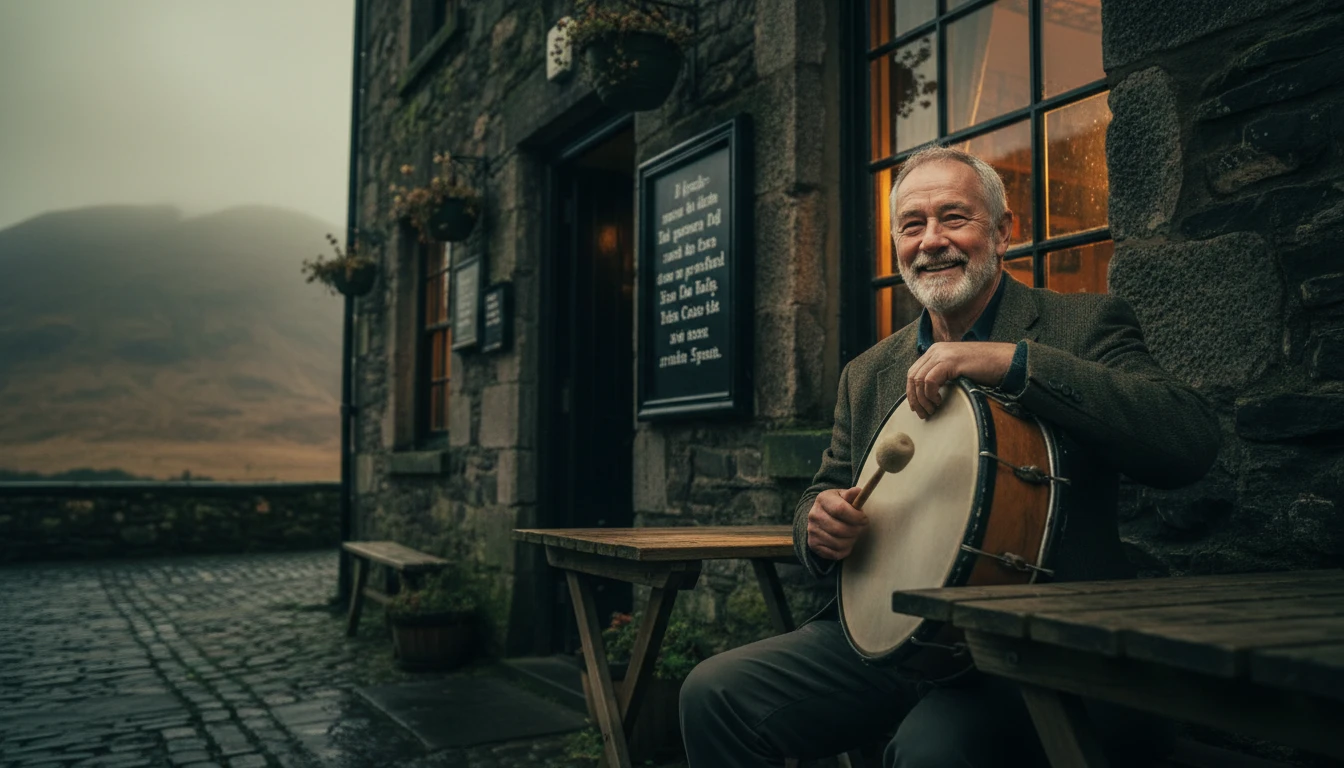
Scotland. Islay whisky from grain to barrel, Highland farm work, traditional music sessions in Edinburgh where you’re not just watching — you’re invited to join. I played a very bad bodhran at a session in a pub in Inverness. The regulars were kind about it. Mostly. One man patted my shoulder in a way that communicated both sympathy and relief when I stopped.
Americas
Peru. Andean weaving co-ops, Amazon cacao farming, Lake Titicaca fishing traditions. History you can hold in your hands — and a landscape that makes you feel appropriately small in the best possible way.
Mexico. Oaxaca mezcal, Yucatán Mayan cooking, Chiapas artisan workshops. Flavors with stories built in — and a culinary tradition that rewards curiosity more than almost anywhere else I’ve been. Esperanza would agree.
Canada. First Nations cultural programs in British Columbia, maple seasons in Quebec, Arctic basics in Nunavut. Go prepared. Come back different. The Arctic, especially, has a way of recalibrating your sense of what matters.
Africa
Tanzania. Community-based safaris where local Maasai guides lead the experience and the revenue stays in the village. Wildlife conservation that you participate in rather than just observe from a Land Rover. The difference between watching an elephant from a vehicle and helping monitor a herd’s movement patterns with a local conservationist is the difference between a postcard and a memory.
Morocco. Souk experiences, traditional hammam rituals, cooking with families in Marrakech medinas. The sensory richness alone is worth the trip — the smell of cumin and cedar and something sweet you can’t quite name — but the human connection is what you’ll actually remember.
Solo Experiential Travel in Retirement: A Word on Going It Alone
A lot of retirees assume experiential travel requires a travel partner. It genuinely doesn’t — and in some ways, going solo makes the experience richer. When you’re alone, you’re more approachable. You accept more invitations. You have more conversations that go somewhere unexpected, because there’s no one beside you to default to.
A retired engineer I know did a solo conservation trip in Madagascar at 67. He’d never traveled alone in his life. He almost didn’t go — talked himself out of it twice, booked it a third time, nearly cancelled again the week before departure. He came back with a WhatsApp group of twelve people from six countries, a standing invitation to return, and a story about a lemur that I’ve now heard four times and would happily hear a fifth. “I almost didn’t go,” he told me. “I keep thinking about that. I almost didn’t go.”
That said, solo travel requires a bit more preparation, especially for hands-on programs in remote areas. Choose vetted operators, share your itinerary with someone at home, favor homestays or small groups over isolated arrangements, and register with your embassy when traveling to unfamiliar regions. Vanika’s guide to solo travel safety for retirees covers the practical side of this in detail — worth reading before you book anything.
Making It Meaningful: How to Get the Most Out of Every Experience
Observe first. Spend day one noticing. Who greets whom? When does the market actually wake up? What’s the local rhythm? Context breeds respect, and respect opens doors that curiosity alone can’t. Resist the urge to fill every silence with your own noise.
Listen fully. Phone away. Eyes up. Ask follow-up questions. You’re here to learn, not to perform being a traveler. There’s a difference, and people can feel it immediately. The ones who feel it tend to share more.
Give back thoughtfully. Buy local, tip well, and — if invited — offer skills the community actually wants. Let locals set the agenda. Reciprocity over rescue. The most meaningful exchanges I’ve had while traveling have been ones where I brought something genuine to the table, not just my tourist dollars and my good intentions.
Reflect daily. I jot three lines each night: one surprise, one skill, one gratitude. Weekly, I ask what challenged me and what changed in me. Small practice, genuinely big lift. You’ll be amazed what you notice when you’re paying attention on purpose — and what you would have missed if you hadn’t been.
Keep the thread. Follow hosts with consent, order from their shops when you can, send photos back, plan a return. Culture is a relationship, not a transaction. The best experiential travelers I know treat it that way — and the relationships they’ve built across decades of travel are some of the richest I’ve ever witnessed.
Leave margin for yes. Build slack into your itinerary so you can accept a last-minute invitation — a family lunch, a festival detour, a dawn boat ride that wasn’t on any schedule. Serendipity needs space. Give it some. The best moments of every trip I’ve ever taken were the ones I didn’t plan. Every single one.
Frequently Asked Questions
How much more does experiential travel cost than conventional tourism?
Typically 20–40% more, reflecting small groups, expert time, and community benefit. A week-long immersion might run $2,000–$4,000 compared to $1,400–$2,800 for standard tours — often with more included and considerably more lasting value. Think of it as paying for depth rather than distance.
What’s the difference between experiential travel and volunteer tourism?
Experiential travel focuses on learning and cultural exchange; volunteer tourism centers on service projects. Both can be ethical when community-led — the intent and structure differ. The best experiential programs often blend elements of both without making the traveler the hero of the story.
Can solo retirees do this safely?
Absolutely. Choose vetted operators, share your itinerary with someone at home, favor homestays or small groups, and register with your embassy when traveling to unfamiliar regions. Many solo retirees find experiential trips create instant community in ways that conventional tours rarely do. The engineer with the lemur story is proof.
What if an activity feels unethical in the moment?
Trust your gut. Step away respectfully, note the specifics, alert your provider, and seek community-led alternatives. Leave an honest review so better programs rise and problematic ones face accountability. Your feedback matters more than you might think — it shapes what future travelers find.
How far in advance should I book?
Immersion and conservation programs: 3–6 months. Agricultural experiences: align with seasons, so 4–8 months. Culinary and craft workshops: often 1–3 months. Highly remote or specialized programs: 6–12 months. When in doubt, book earlier than feels necessary. The best spots go fast, and regret is a terrible travel companion.
Key Takeaways
- Experiential travel in retirement prioritizes authentic cultural immersion over traditional sightseeing — and the research on its mental health benefits is genuinely compelling
- The global experiential travel market has reached $1.3 trillion, driven by a fundamental shift toward depth, meaning, and community-centered design
- Research from PLOS ONE and Psychological Science links the novelty, social connection, and active learning of experiential travel to measurable improvements in wellbeing and cognitive function in older adults
- Popular experiences include cooking classes with local families, indigenous community visits, conservation projects, and traditional craft workshops
- Successful experiential trips require thorough research, flexible planning, genuine respect for local cultures, and a willingness to be changed by what you encounter
- Top destinations include Japan for tea ceremonies, Peru for Andean village life, Morocco for souk experiences, and Tanzania for community-based safaris
- Solo retirees thrive in experiential travel — the format creates genuine community in ways that conventional tours rarely do
Why Experiential Travel Belongs on Your Retirement Calendar
Here’s what I really want to leave you with.
Experiential travel in retirement turns trips into turning points. You come home with skills, stories, and a wider circle of people you quietly root for — people whose names you actually know, whose lives you’ve briefly but genuinely touched. People you think about on ordinary Tuesdays for no particular reason except that they mattered.
I think about the retired teacher who came home from Madagascar and signed up for ceramics. The engineer who almost didn’t go and now has twelve friends across six countries and a lemur story he’ll tell for the rest of his life. The woman who learned to make salsa in Oaxaca from a woman named Esperanza and still makes it every Sunday, badly, with great joy, thinking of her.
These aren’t just travel stories. They’re evidence of lives that kept expanding when they could have easily stopped. Lives that said yes when they could have said maybe next year. Lives that packed curiosity and humility and time — and found that a place will always meet you halfway when you show up like that.
If you’re craving connection, perspective, and memories that don’t evaporate by Tuesday, this is the kind of travel that delivers. Start small if you need to. Or go big. The scale matters less than the intention.
Pack curiosity. Pack humility. Pack time.
A place will meet you halfway.
That’s experiential travel at its best: not just seeing the world, but letting it shape you — gently, and for good. And in retirement, when you finally have the time to let that happen properly?
There’s really no better use of it.




One Comment
Comments are closed.