
Better Eyesight: Vision Health Guide & Nutrition Tips (2026)
A practical vision health guide to protect eyesight with smart habits, eye nutrition, and supplements—without the scary medical jargon.
I didn’t think much about vision health until I caught myself squinting at my phone like a confused grandparent trying to decode a text message. You know the look—half suspicion, half denial, like the phone is the problem, not my eyeballs.
That moment was a little funny… and a little rude. Because it reminded me of something I’d rather not admit: our eyes do a ridiculous amount of work for us, and most of us only notice when they start filing complaints.
And vision health isn’t just about seeing clearly. It’s about staying independent, feeling confident driving at night, working without headaches, and catching the small stuff—the expression on someone’s face, the street sign you really need to read before the exit passes you, the way the sky looks when you finally look up from a screen.
Whether you’re dealing with digital eye strain (same) or you’re thinking ahead to age-related vision changes, this vision health guide walks through the big stuff: common eye diseases, nutrition, supplements, and the daily habits that actually make a difference.
Understanding the Basics of Vision Health
At its core, vision health is the combination of prevention, protection, and maintenance—preventing avoidable eye problems, protecting your eyes from damage (hello, UV and screens), and maintaining long-term function as you age.
It’s easy to assume eye health is mostly genetics and luck, like hairline destiny. Genetics definitely matter, but day-to-day choices matter too—more than most people realize.
One reason this is worth taking seriously: vision problems are common and often under-addressed. The CDC has reported that millions of adults in the U.S. live with vision impairment, and a meaningful portion of vision loss is preventable or can be delayed with early detection and consistent care. That’s not a “panic” statistic—it’s a “hey, maybe book the eye exam” statistic.
The good news? You have more control over your vision health than you might think. Not total control—this isn’t a superhero origin story—but enough to move the needle.
The Most Common Eye Diseases You Should Know About
I’ve always believed knowledge is power, especially with health. A little awareness helps you notice changes earlier, ask better questions, and actually show up to your eye appointment with something more useful than, “I don’t know… my eyes feel weird?” (Though honestly, I’ve said that. No shame.)
Cataracts: The Cloudy Culprit
Cataracts are like having a smudgy windshield you can’t wipe clean. They happen when the lens of your eye becomes cloudy, usually with aging (and sometimes from other causes like steroids, diabetes, or trauma).
The symptoms tend to creep in:
- Colors start looking a little washed out—like someone turned down the saturation on life.
- Night driving gets annoying because headlights glare and halo.
- Reading might require brighter light than you used to.
The upside: cataract surgery is extremely common and typically very successful. (If you want to be precise, “success” depends on how it’s defined and your eye’s overall health, but most people see major improvement.)
Glaucoma: The Silent Vision Thief
Glaucoma is famous for being sneaky. Many people don’t feel it happening until peripheral vision has already been lost, which is why it’s often called the “silent thief of sight.” Glaucoma damages the optic nerve, frequently associated with elevated eye pressure—though you can have glaucoma with “normal” pressure too.
The most common type (open-angle glaucoma) usually develops slowly and painlessly. People sometimes describe later-stage vision like looking through a tunnel.
There’s also acute angle-closure glaucoma, which isn’t subtle and can be a medical emergency: severe eye pain, headache, nausea, halos around lights, and sudden blurred vision. That’s not a “sleep it off” situation.
The recurring theme in vision health: regular exams matter because early glaucoma often doesn’t come with a warning label.
Age-Related Macular Degeneration (AMD): The Central Vision Stealer
AMD affects the macula—the part of your retina responsible for sharp central vision. It’s one of the leading causes of vision loss in older adults.
Early symptoms can include:
- Blurry spots in central vision
- Distortion (straight lines looking wavy)
- A dark or empty area in the middle of your vision
Research has tracked AMD trends for years. For example, projections published in JAMA Ophthalmology (2016) estimated AMD prevalence would rise significantly over time as the population ages. That’s not destiny, but it is a reminder to take vision health seriously—especially if you have risk factors.
Refractive Errors: The Everyday Vision Problems
These are the classics: myopia (nearsightedness), hyperopia (farsightedness), astigmatism, and presbyopia (age-related trouble focusing up close).
Symptoms are straightforward:
- Blurry vision at certain distances
- Eye strain and headaches
- Squinting like you’re trying to read a secret message
I still remember the day I realized street signs weren’t supposed to be blurry suggestions until you were practically under them.
Dry Eye Syndrome: The Modern Epidemic
Dry eye is one of the most common complaints in eye care now, and modern life deserves at least half the blame. Your eyes may feel gritty or burning… or oddly watery (which sounds contradictory until you learn your eyes can overproduce tears in response to irritation).
Screen time, reduced blinking, air conditioning, certain medications, contact lenses, aging, and autoimmune conditions can all contribute.
If there’s one simple vision health habit that helps with dry eye, it’s remembering to blink—like, on purpose. It feels ridiculous, but it works.
Nutrition: Feeding Your Eyes the Good Stuff
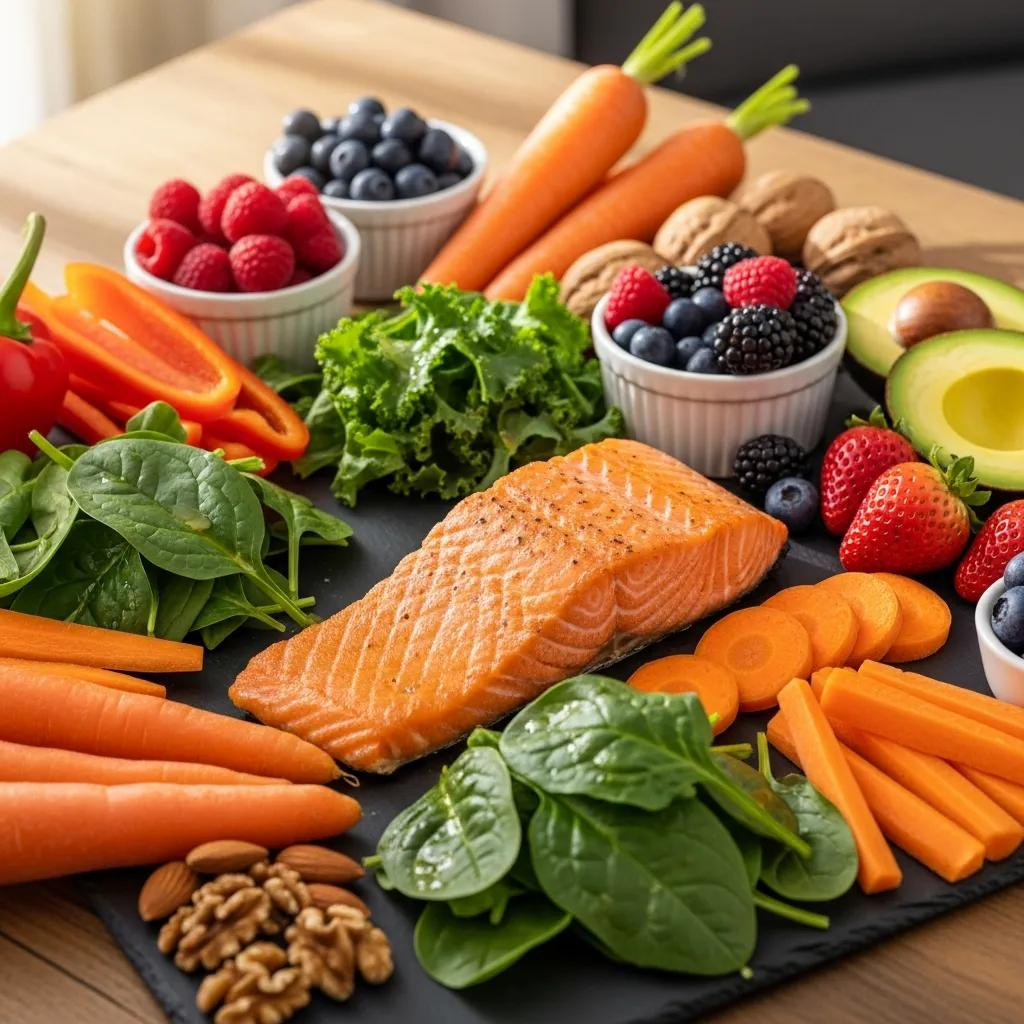
This is the part where people expect me to say “eat carrots” and then ride off into the sunset. Carrots are fine. But the truth is, vision health nutrition is more like a full team than one magical vegetable.
Your eyes are metabolically active tissue. They deal with light exposure, oxidative stress, and inflammation. So nutrients that support antioxidants, retinal function, and healthy blood vessels really do matter.
The Power Players: Lutein and Zeaxanthin
Lutein and zeaxanthin are carotenoids that concentrate in the macula. Think of them as internal “tinted filters” that help absorb blue light and fight oxidative stress.
The National Eye Institute’s AREDS2 trial (Age-Related Eye Disease Study 2) found that lutein and zeaxanthin were beneficial in the supplement formula designed to reduce progression risk in certain people with AMD.
Food sources I actually lean on:
- Kale, spinach, collards
- Broccoli
- Egg yolks (quietly underrated)
Omega-3 Fatty Acids: The Inflammation Fighters
Omega-3s support retinal structure and may help with dry eye for some people by supporting the tear film’s oil layer.
Here’s the honest version: research is mixed. Some studies show improved dry eye symptoms with omega-3 supplementation, while others (including large trials) show minimal effect. But as part of a food-first approach—especially fatty fish—omega-3s are still a strong overall health win.
Best sources:
- Salmon, sardines, mackerel
- Flax, chia, walnuts (plant-based, with conversion limits)
Vitamins A, C, and E: The Antioxidant Trio
Vitamin A is essential for vision, especially low-light vision. Deficiency can cause night blindness and serious eye damage. You can get vitamin A from animal sources (like liver) or from beta-carotene in plants.
Vitamin C supports blood vessels in the eye and antioxidant defenses.
Vitamin E protects cell membranes from oxidative damage.
My practical grocery list version:
- Sweet potatoes, carrots, leafy greens (vitamin A via beta-carotene)
- Citrus, strawberries, bell peppers, broccoli (vitamin C)
- Nuts, seeds, vegetable oils (vitamin E)
Zinc: The Unsung Hero
Zinc helps transport vitamin A and supports retinal function. It also shows up in the AREDS/AREDS2 conversation because it was part of the formulation shown to slow progression in certain AMD cases.
Food sources:
- Oysters (if you’re adventurous)
- Beef, pork, chicken
- Beans, nuts, whole grains
If you go the supplement route, note that high-dose zinc can cause stomach upset and can affect copper levels—one reason copper is included in AREDS2 formulas.
The Best Foods for Vision Health
If I had to build a realistic “eye-friendly plate,” I’d keep it simple:
Start with dark leafy greens. Add a fatty fish protein if you eat it. Throw in colorful vegetables (orange, red, yellow, green—basically eat like a kindergarten crayon box). Add nuts or seeds. Finish with fruit.
Other eye-friendly foods include:
- Eggs (lutein, zeaxanthin, zinc)
- Legumes (zinc and general antioxidant support)
- Citrus fruits (vitamin C)
- Whole grains (vitamin E, zinc, niacin)
- Lean meat and poultry (zinc)
That style of eating supports vision health and also—conveniently—most of your body. Love when that happens.
Lifestyle Habits That Protect Your Vision Health
Nutrition is huge, but your daily habits are the stuff that quietly stacks up over years.
The 20-20-20 Rule: Your Eyes’ Best Friend
If you use screens all day, memorize this like it’s a password: every 20 minutes, look at something 20 feet away for at least 20 seconds.
This helps reduce digital eye strain by giving your focusing system a break. I set a timer because if I rely on “remembering,” I will absolutely forget until my eyes feel like overworked interns.
Sleep: The Ultimate Eye Reset
Sleep is when your eyes get lubrication and recovery time. Chronic lack of sleep can contribute to dryness, twitching, and discomfort.
Most adults do best with 7–9 hours. I know, that’s not always realistic. But even improving consistency helps your overall vision health (and your mood, and your ability to behave like a kind human).
Hydration: More Important Than You Think
Hydration supports tear production and eye comfort. Dehydration can make dryness worse.
If you’re not sure where to start, aim for steady water intake through the day—not a heroic “chug a gallon at 9 p.m.” situation.
Smoking: The Vision Villain
Smoking increases risk for cataracts and AMD, and it’s bad news for blood vessels in general—which includes the tiny ones that feed the retina.
If you needed a practical reason to quit beyond the obvious, vision health is a big one. And yes, risk decreases after quitting (it just takes time).
UV Protection: Sunglasses Aren’t Just Fashion
Sunglasses aren’t optional decoration; they’re PPE for your eyeballs.
Look for lenses that block 99–100% of UVA and UVB. Wraparound styles are great because UV sneaks in from the sides.
Also: UV rays still show up on cloudy days. The sun is basically a consistent overachiever.
Exercise: Good for Your Body, Great for Your Eyes
Exercise improves circulation and supports the health of blood vessels that feed the eye. It also helps manage diabetes and blood pressure—two major players in long-term vision health.
Research published in Ophthalmology (2006) found associations between regular physical activity and lower glaucoma risk. You don’t need to become a marathon person. Brisk walking counts.
Vision Supplements: Do They Actually Work?
The supplement aisle is wild. If labels were honest, some would say, “This might help, but only if you’re the exact person it was studied on.”
So let’s talk reality.
The AREDS Formula: Science-Backed Support
AREDS and AREDS2 are landmark National Eye Institute studies looking at whether specific nutrients could slow progression of AMD.
The AREDS2 formula includes:
- Vitamin C (500 mg)
- Vitamin E (400 IU)
- Lutein (10 mg)
- Zeaxanthin (2 mg)
- Zinc (often 80 mg; some versions use lower doses)
- Copper (2 mg)
Important: AREDS2 is generally recommended for people with intermediate AMD or advanced AMD in one eye—not as a “just because” daily vitamin for everyone. If you smoke or used to smoke, avoid beta-carotene formulas (AREDS2 removed beta-carotene partly for safety reasons in smokers).
Bilberry: The Folklore Favorite
The bilberry night-vision story from WWII pilots is legendary… but the evidence is not legendary.
A Cochrane review (2015) reported insufficient evidence to support bilberry for improving night vision. That doesn’t mean bilberry is evil; it just means it’s not a reliable vision health hack.
Other Supplements to Consider
- Vitamin D: Some observational research has linked higher vitamin D status with lower risk of certain eye conditions, but it’s not a slam-dunk “take this for eyesight” supplement. It’s worth checking levels with your doctor if you’re deficient.
- Astaxanthin: Early studies suggest it may help with eye fatigue in some people, but more high-quality research is needed.
- Ginkgo biloba: Limited evidence for certain circulation-related eye issues, but it can interact with medications (especially blood thinners). Definitely a “talk to your clinician” supplement.
A Word of Caution
Supplements aren’t regulated like medications, so quality matters. If you buy them, look for third-party testing (USP, NSF) and avoid mega-dosing without guidance.
I think of supplements as support tools, not miracle workers. They can help fill gaps, but they can’t out-supplement a lifestyle that treats your eyes like they’re replaceable.
Essential Eye Care Practices for Long-Term Vision Health

Regular Eye Exams: Non-Negotiable
Many serious eye diseases don’t show obvious symptoms early. That’s why comprehensive eye exams are such a cornerstone of vision health.
General guidance often looks like this (though your doctor may adjust based on risk):
- A baseline comprehensive exam around age 40
- More frequent exams as you get older
- Earlier and more frequent exams if you have diabetes, high blood pressure, strong family history, or other risk factors
If you only do one thing from this whole guide, make it this: schedule the exam.
Managing Digital Eye Strain
Digital eye strain is very common, especially for people who work at a computer.
Beyond 20-20-20, a few practical tweaks help:
- Keep the screen about an arm’s length away and slightly below eye level
- Reduce glare (lighting, anti-glare screens)
- Increase text size so you’re not squinting
- Use artificial tears if dryness is an issue
- Consider task-specific computer glasses if your eye doctor recommends them
About blue-light glasses: some people feel more comfortable with them, especially at night, but evidence they prevent eye disease is limited. If they help you feel better and don’t drain your budget, fine. Just don’t let them replace the basics of vision health like breaks, ergonomics, and sleep.
Proper Eye Hygiene
Basic, but important:
- Wash hands before touching eyes or contacts
- Remove makeup before bed
- Replace eye makeup every 3–6 months
- Don’t share makeup or applicators
- Follow contact lens instructions to the letter (your eyes don’t reward improvisation)
Know Your Family History
Glaucoma, AMD, and other conditions can run in families. Tell your eye doctor what runs in yours so they can tailor screening.
Manage Chronic Conditions
Diabetes, high blood pressure, and high cholesterol can damage the vessels that feed the retina. Managing them is a vision-protection strategy, not just a general health strategy.
Special Considerations for Different Life Stages
Children and Teens
Vision affects learning more than most people realize. If a kid can’t see well, school becomes a weird daily guessing game.
Signs to watch for:
- Sitting very close to screens
- Squinting or head tilting
- Frequent eye rubbing
- Avoiding reading
- Complaints of headaches or tired eyes
The American Optometric Association suggests early comprehensive exams (including infancy, preschool, and before school starts), then as recommended.
Adults (20s–40s)
This is peak screen time for a lot of people, and it’s when lifestyle habits start showing up in your body’s “performance review.”
Priorities:
- UV protection
- Digital eye strain management
- Nutrition that supports vision health
- Exercise and sleep consistency
- Routine eye exams
Middle Age (40s–60s)
Presbyopia shows up. Suddenly your arms aren’t long enough. It’s not personal. It’s physics.
This is also when glaucoma and AMD risk becomes more relevant. Stay consistent with exams and talk with your eye doctor about risk and prevention.
Seniors (60+)
After 60, risk for serious eye disease increases. Annual exams are often recommended, along with prompt evaluation for any new vision changes.
Also: good lighting at home matters more than people think. It’s not just convenience—it can reduce fall risk.
Putting It All Together: Your Vision Health Action Plan
Okay—lots of info. Let’s turn it into a plan that doesn’t require a personality transplant.
Today:
- Schedule a comprehensive eye exam if you haven’t had one recently
- Start using the 20-20-20 rule if you’re screen-heavy
- Commit to real UV-blocking sunglasses
This Week:
- Add leafy greens, colorful veggies, eggs, and fatty fish (or plant omega-3 sources) to your meals
- Adjust your workstation to reduce glare and awkward screen distance
- Check your contact lens case and eye makeup situation (if it’s older than some friendships, replace it)
This Month:
- Get serious about sleep consistency
- If you smoke, look into quitting support
- Learn your family eye history and share it at your next appointment
Ongoing:
- Eat a varied, nutrient-rich diet
- Stay hydrated
- Move your body regularly
- Protect from UV
- Manage chronic conditions
- Keep up with eye exams
The Bottom Line on Vision Health
Your eyes are irreplaceable, and vision loss can seriously change your quality of life. But here’s the encouraging part: a lot of vision health comes down to small, consistent habits—food, sleep, screen breaks, sunglasses, and checkups.
I’m not perfect at this. Some weeks I’m eating spinach and salmon like I’m auditioning for a “healthy living” documentary. Other weeks I’m running on coffee and vibes and wondering why my eyes feel like crumpled paper.
But progress beats perfection.
Start with one change that feels doable. Stack another on top when it sticks. Keep the basics boring and consistent. And don’t skip the eye exam because “nothing seems wrong”—that’s exactly when a lot of issues are easiest to catch.
Now if you’ll excuse me, I’m going to look at something 20 feet away for 20 seconds because my timer just went off… and I’m trying to be the kind of person who actually takes their own advice.





One Comment
Comments are closed.