

Bathtub Safety for Seniors: The Real Guide to Preventing Falls Without Losing Your Dignity
Bathtub safety for seniors matters more than most people realize—here’s a practical guide to the right products, smart installation, and everyday tips that truly help.
Nobody plans to slip in the bathroom. That’s kind of the problem.
I still remember visiting my grandmother’s house and noticing how she grabbed the towel bar every single time she stepped out of the tub. A towel bar. The kind held in place by two tiny screws and blind optimism. I smiled on the outside, panicked on the inside, and thought, we need to fix this before the bathroom decides to become the villain of the house. That moment is a big part of why I started paying real attention to bathtub safety for seniors.
One second you’re reaching for shampoo, and the next the floor feels a whole lot closer than it used to. The bathroom—especially the bathtub area—is one of the most hazardous places in the home for older adults. The CDC has reported that roughly 235,000 people end up in emergency rooms each year because of bathroom injuries, and adults 65 and older make up a large share of those cases. A bathroom fall isn’t just painful in the moment. It can shake confidence, limit mobility, and chip away at independence faster than most families expect.
The good news is that a lot of this risk is preventable. Not magically. Not perfectly. But very realistically, with the right setup. Bathtub safety for seniors has improved a lot over the years. It’s no longer just about tossing a cheap rubber mat in the tub and hoping for the best. There are better products now, better installation methods, and even smart tech that can make bathing safer without making the bathroom feel like a hospital wing.
Whether you’re a caregiver, an older adult planning ahead, or the person in the family who gets volunteered for every home project, this guide is for you.
Why Bathtub Safety for Seniors Deserves More Attention Than It Gets

One thing that really stands out to me is how often families wait until after a fall to make bathroom changes. It’s understandable. Life gets busy. If everything seems mostly fine, it’s easy to delay one more home project. But delaying bathtub safety for seniors is a little like buying an umbrella after the storm has already soaked you.
The risk doesn’t usually arrive all at once. It sneaks in gradually. A little less balance. A little less leg strength. A little more stiffness getting in and out of the tub. Maybe a medication causes dizziness. Maybe eyesight isn’t quite what it used to be in dim light. None of those things seem dramatic on their own, but together, in a wet bathroom with a hard floor and a high tub wall, they add up fast.
Several common changes make bathroom falls more likely:
- Reduced muscle strength can make it harder to control movement on slick surfaces.
- Balance and coordination often become less forgiving with age.
- Slower reaction times leave less room to recover from a slip.
- Medications such as blood pressure drugs, sleep aids, and diuretics can cause dizziness.
- Vision changes make it harder to judge distance, contrast, and floor hazards.
That’s why bathtub safety for seniors matters so much. It isn’t about overreacting. It’s about noticing that an everyday routine now asks more from the body than it used to, and then making smart adjustments before something goes wrong.
The Products That Actually Make a Difference
There’s no shortage of bathroom safety products on the market, and some of them are genuinely helpful. Others feel like they were invented by someone who has never tried stepping into a wet tub while holding a sore hip together with pure determination. The products that matter most are the ones that improve stability, reduce awkward movements, and make daily bathing feel less stressful.
Grab Bars: The Unsung Heroes of Bathroom Safety

If I had to pick one upgrade with the biggest payoff for bathtub safety for seniors, it would be grab bars. Real grab bars. Not towel bars pretending to be helpful. Not the side of the sink. Not the shower curtain rod doing its best. Properly installed, load-bearing grab bars anchored into studs or solid backing.
Grab bars help during the two moments when falls are most likely: stepping into the tub and stepping out of it. That transition is surprisingly demanding. One foot is shifting, the surface is wet, balance is changing, and everything happens quickly. A well-placed grab bar gives the body something solid to work with.
And the details matter. Research published in the Journal of Aging and Health found that placement, diameter, and surface texture all affect how useful grab bars are for older adults. In other words, not every bar is equally helpful.
A few things are worth looking for:
- A diameter of about 1.25 to 1.5 inches for a comfortable grip
- A textured or knurled finish that isn’t slippery when wet
- Placement near the tub entrance and where the user sits or stands
- A load rating that meets ADA expectations, typically 250 pounds of force or more
If you’re unsure where bars should go, an occupational therapist can assess the bathroom and make recommendations based on how the person actually moves. That’s one of those expenses that can save you money, stress, and a whole lot of regret later.
Non-Slip Mats: Simple, Affordable, and Genuinely Effective
Non-slip mats don’t get much glory, but they absolutely earn their place in any conversation about bathtub safety for seniors. A good suction mat creates traction where the tub is most slippery, which helps reduce the chance of a foot sliding at exactly the wrong moment.
I think people sometimes underestimate how many falls happen during very ordinary movements. Not while performing an acrobatic twist for the conditioner bottle. Just standing, turning, shifting weight, or preparing to sit down. That’s where better traction helps.
Research in the American Journal of Preventive Medicine has linked bathroom modifications, including non-slip surfaces, with lower fall risk in older adults. It’s not a miracle fix, but it’s a meaningful one.
When choosing a mat, the biggest thing to look for is suction. You want something that stays put, not something that floats around like it has personal freedom goals. A good mat should also resist mildew, clean easily, and cover enough surface area to be useful.
And don’t stop with the inside of the tub. A rubber-backed mat outside the tub matters too. Plenty of close calls happen right after the bath, when wet feet hit a slick floor and confidence suddenly becomes theoretical.
Transfer Benches: The Bridge Between Standing and Sitting

Transfer benches are one of the most practical tools in bathtub safety for seniors, especially for people who have trouble stepping over the tub wall or lowering themselves safely. They don’t always get the same attention as walk-in tubs, but they can make a huge difference.
The idea is simple. Instead of stepping over the tub wall and trying to sit at the same time, the person sits first on a bench placed partly outside the tub, then swings or slides their legs over. That removes one of the trickiest parts of the entire bathing process.
There are a few common types:
- Standard transfer benches
- Sliding transfer benches
- Adjustable-height transfer benches
The best choice depends on the user’s mobility, strength, and bathroom layout. What matters most is stability. The bench should feel sturdy, fit the tub correctly, and be simple enough that it gets used the right way every time. If a product is too complicated, people tend to improvise. And improvising in a wet bathroom is usually not where great decisions are made.
Installing Bathtub Safety Rails: Do It Right or Don’t Bother
The Step-by-Step That Actually Matters
Installing bathtub safety rails is one of those jobs where “good enough” really isn’t good enough. A rail that pulls out of the wall when someone leans on it isn’t a safety feature. It’s a betrayal.
I’ve seen grab bars installed with drywall anchors alone, and it always makes me nervous. They may look secure at first glance, but bathtub safety for seniors depends on support that holds when full body weight suddenly shifts onto it.
Here’s the right way to think about installation:
- Choose the location based on where support is actually needed, not where it’s easiest to drill.
- Anchor into studs or other solid backing whenever possible.
- Use a level so the bar feels natural and secure to grip.
- Use the right drill bit for tile, masonry, or the wall material involved.
- Test the rail thoroughly before anyone relies on it.
If there’s any uncertainty about what’s behind the wall or how to install the bar properly, hiring a professional is a smart call. I like saving money too, but there are some projects where DIY confidence needs adult supervision.
Keeping Rails Reliable Over Time
Installation is only the beginning. For bathtub safety for seniors to stay effective, the equipment has to stay dependable. That means giving rails and grab bars regular checkups.
Once a month, give each rail a firm tug. Look for looseness, rust, cracks, or movement around the mounting points. Clean soap residue off the bars so they stay easy to grip. If anything wobbles, fix it right away. A loose grab bar is worse than a missing one because it convinces people they’re safe right up until they’re not.
Walk-In Bathtubs: Are They Worth the Investment?
What Makes Them Work for Seniors
Walk-in bathtubs get a lot of attention in discussions about bathtub safety for seniors, and honestly, much of that attention is deserved. Their biggest advantage is obvious: they eliminate the need to step over a high tub wall.
That matters because climbing over a standard tub edge asks a lot from the body all at once. It requires balance, flexibility, leg strength, and confidence—all on a wet surface. Walk-in tubs reduce that demand by giving seniors a low-threshold entry and a built-in seat.
Most walk-in tubs include features like:
- A low side door
- Built-in seating
- Textured flooring
- Integrated grab bars
- Optional fast-drain systems or heated seats
The ADA recognizes walk-in tubs as an accessible bathing solution, and it’s easy to see why. For many seniors, they make bathing feel manageable again instead of stressful.
The Honest Tradeoffs
That said, walk-in tubs aren’t perfect. One of the main drawbacks is that you have to get in before the tub fills and stay seated while it drains. That means waiting in cooling water at the end of the bath, which some people tolerate just fine and others absolutely do not.
Cost is another factor. Walk-in tubs can range from about $2,000 to $10,000 or more, depending on features and installation. For some families, that’s a worthwhile long-term investment. For others, it’s simply too much.
The encouraging part is that some financial help may be available through programs such as Medicaid Home and Community-Based Services waivers, state aging-in-place support, VA benefits, nonprofit organizations, or certain insurance arrangements when modifications are medically necessary. It’s worth checking before assuming the answer is no.
Safety Standards and Smart Tech: What’s New and Worth Knowing
ADA and CPSC: The Standards Behind the Products
When you shop for bathtub safety products, you’ll often see references to ADA compliance and CPSC guidance. Those aren’t just nice-sounding labels. They point to standards that influence how products are designed, tested, and used.
The Americans with Disabilities Act helps shape accessibility expectations for things like grab bar placement and support requirements. The Consumer Product Safety Commission helps monitor safety issues and consumer product risks. For bathtub safety for seniors, these standards provide a useful baseline. They help families separate products built for real support from products that only look reassuring in the photos.
Sensors, Smart Mats, and the Future of Fall Prevention
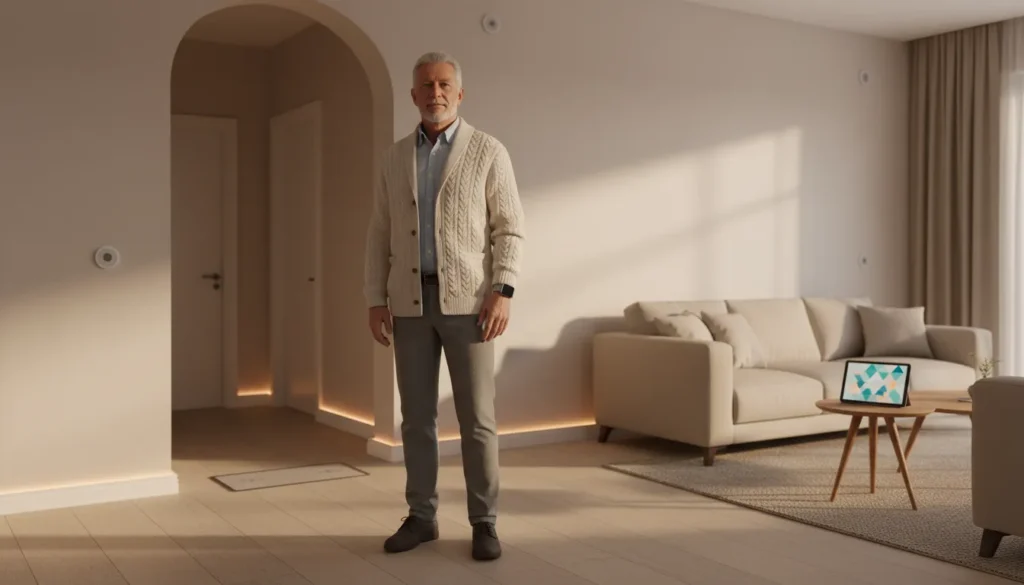
This is where things get especially interesting. Bathtub safety for seniors now includes more than physical supports. Newer products can add a layer of monitoring and response.
Some smart mats and sensor systems can detect unusual inactivity or a possible fall and send an alert to a caregiver. Pressure sensors in bath seats can track patterns that might signal trouble. Improved anti-slip coatings can increase traction without making the tub look noticeably different. Smart temperature monitors can also help prevent scalding, which is an often-overlooked risk for older adults with reduced sensation.
These technologies aren’t a replacement for basics like grab bars and non-slip mats. They’re more like a backup layer. And for seniors who live alone, that extra layer can offer real peace of mind.
Caregiver Tips That Go Beyond the Obvious
Setting Up the Environment for Success
Caregivers often focus first on products, which makes sense, but the overall setup matters just as much. I’ve seen bathrooms with excellent safety gear and terrible lighting, cluttered floors, and bath rugs that curl up at the corners like they’re plotting something.
A safer bathroom usually comes down to a few practical habits. Keep the room bright. Keep the path to the tub clear. Set the water heater to 120°F or below to reduce scalding risk. Store soap, shampoo, and towels within easy reach so seniors don’t have to twist, stretch, or lean awkwardly.
Small changes matter here. Bathtub safety for seniors is often improved not by one dramatic renovation, but by several smart, ordinary decisions that work together.
Teaching Proper Use of Equipment
Installing equipment is one thing. Making sure it’s actually used correctly is another. A grab bar only helps if someone reaches for it before their balance goes, not after. A transfer bench only works if the person sits first instead of trying to half-step and half-sit in one motion.
It helps to practice the routine together. Walk through how to enter the tub, where to place hands, when to sit, and how to stand back up. Yes, it can feel a little awkward at first. But confidence grows from repetition, and confidence is a real part of bathtub safety for seniors. People move better when they trust the process.
Frequently Asked Questions About Bathtub Safety for Seniors
What’s the Single Most Important Bathtub Safety Upgrade for Seniors?
If you can only make one change, install a properly anchored grab bar at the tub entry point. It supports the highest-risk moment in the entire routine: getting in and out.
How Do I Know if a Grab Bar Is Installed Correctly?
It should feel completely solid when you apply firm downward and side pressure. If there’s any movement, it needs to be fixed before use.
When Should a Bathtub Safety Product Be Replaced?
Replace any product that shows rust, cracks, loose fittings, weakened suction, or visible instability. Waiting for failure is a terrible inspection strategy.
Are There Financial Assistance Programs for Bathroom Safety Modifications?
Yes, sometimes. Medicaid waivers, state programs, VA benefits, nonprofit assistance, and certain insurance plans may help cover modifications when they’re medically necessary.
Can Technology Really Help With Bathtub Safety for Seniors?
Yes—especially as a supplement to physical safety equipment. Sensors and smart monitoring can improve response time and offer peace of mind, particularly for seniors who live alone.
The Bottom Line on Bathtub Safety for Seniors
Bathtub safety for seniors isn’t about buying one magic product and calling it a day. It’s about creating a safer routine with the right combination of equipment, thoughtful installation, regular maintenance, and a bathroom setup that supports steady, confident movement.
I keep thinking back to my grandmother and that towel bar. We eventually got proper grab bars installed after a minor slip that thankfully scared us more than it injured her. I wish we’d done it sooner. Not because fear should run the show, but because dignity matters. Independence matters. And everyone deserves a bathroom that works with them instead of against them.
The goal isn’t to make the bathroom look clinical. It’s to make it safer without making it feel depressing. With the right grab bars, a reliable non-slip mat, a well-chosen transfer bench or walk-in tub, and a little regular maintenance, bathing can go back to being what it should be: private, comfortable, and uneventful. Honestly, uneventful is underrated.
Start with one good change. Then another if you need it. Check the equipment once in a while. Pay attention to how the person actually moves in the space. That’s how bathtub safety for seniors really works—not through perfection, but through thoughtful upgrades that make everyday life easier and safer.
That’s worth every grab bar, every non-slip mat, and every carefully drilled hole in the wall.
Sources: CDC National Center for Injury Prevention and Control; Journal of Aging and Health; American Journal of Preventive Medicine; ADA Standards for Accessible Design; Consumer Product Safety Commission.




2 Comments
Comments are closed.