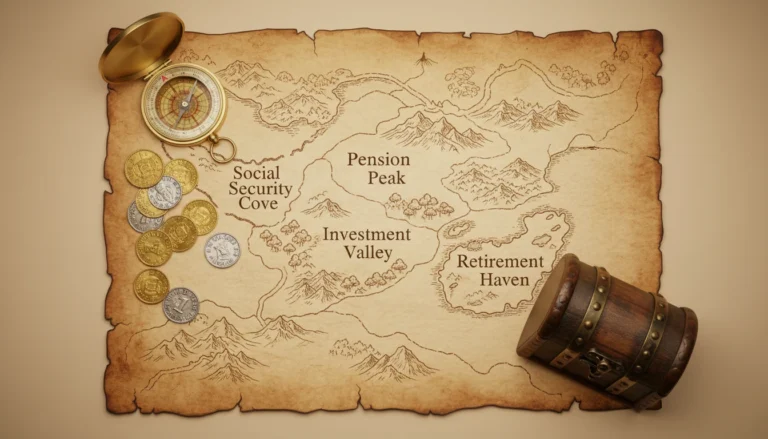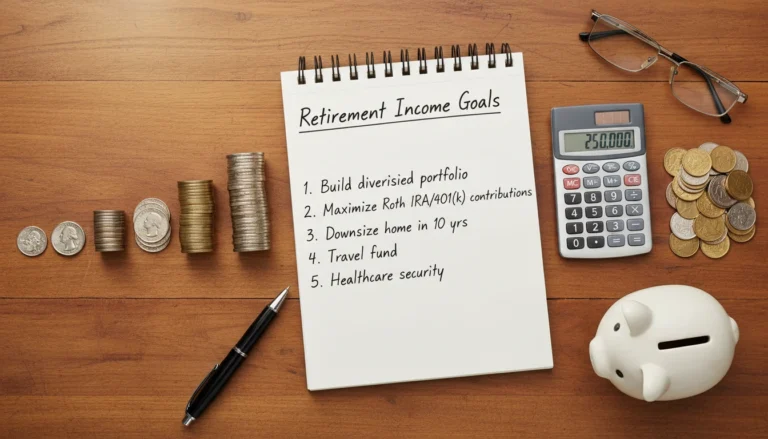

How to Make Money as a Retiree: Practical Income Ideas and Realistic Earning Strategies
This is your guide on how to make money as a retiree—passive income, flexible work, freelancing, and hobby-based side income.
Retirement is supposed to feel like you’ve finally been let out for recess.
And sometimes it does.
But sometimes it also comes with a surprise side quest: figuring out how to stretch your income so you can live comfortably and enjoy the freedom you worked for. That’s usually when people start typing how to make money as a retiree into Google—because you’re not trying to get rich, you’re trying to feel steady.
Here’s what I like about this topic: there are plenty of ways to bring in extra income after you retire that don’t involve turning your life into another 40-hour week. You can build a few income streams that match your energy, your skills, and your tolerance for “drama.” (Some income ideas come with a side of drama. We’ll avoid those.)
Below, I’ll walk you through practical passive income options, flexible part-time work, freelancing and consulting, income-focused investments, and ways to monetize hobbies. It’s comprehensive, but it’s written like a blog—not a brochure.
How to Make Money as a Retiree: What Are the Best Passive Income Strategies for Retirees?
Passive income is the retirement buzzword that makes everyone smile. It’s money that comes in with minimal day-to-day effort.
But let’s keep it real: “passive” usually means you do the thinking and setup first, then it becomes low-maintenance later. Like planting a tree. You don’t call it passive while you’re digging the hole.
If you’re exploring how to make money as a retiree, passive income is attractive because it can create cash flow without trading hours every week. It’s especially useful if you want income that doesn’t depend on your schedule, your health, or your desire to put on real pants.
Which Passive Income Streams Suit Retirees’ Financial Goals?
Retirees can consider several passive streams that match common retirement priorities:
- Real Estate Investments: Owning rental properties can deliver steady monthly income and potential long-term appreciation. The catch is it’s only passive if you set it up that way—by buying the right property, keeping cash reserves, and (often) hiring a property manager.
- Dividend Stocks: Dividend-paying shares provide periodic payouts and a chance for capital growth. Think of dividends like little “thank you” payments from companies that are profitable enough to share the cash.
- Peer-to-Peer Lending: Lending through online platforms can earn interest, though it carries credit and platform risk you should understand. Translation: borrowers can default, and platforms can change rules or have issues.
Each option can help you reach income goals while limiting daily involvement, depending on how hands-on you want to be.
How Can Retirees Start Earning Passive Income Safely?
To pursue passive income with care, consider these practical steps:
- Research Thoroughly: Know what you’re buying, how it pays you, what could go wrong, and what fees you’re agreeing to.
- Diversify Investments: Don’t put your retirement calmness in one basket. Spread your risk.
- Consult Financial Advisors: A fiduciary advisor can help you think through taxes, withdrawal timing, and how new income interacts with the rest of your plan.
Retirement withdrawal planning often references William Bengen’s 1994 paper in the Journal of Financial Planning, which helped popularize the “4% rule.” The later “Trinity Study” (Cooley, Hubbard, Walz, 1998) explored sustainable withdrawal rates across different stock/bond mixes. You don’t have to treat either like scripture, but the big lesson is solid: retirees tend to do better when income plans are diversified and built on realistic assumptions—not hype.
What Are the Top Part-Time Jobs After Retirement?
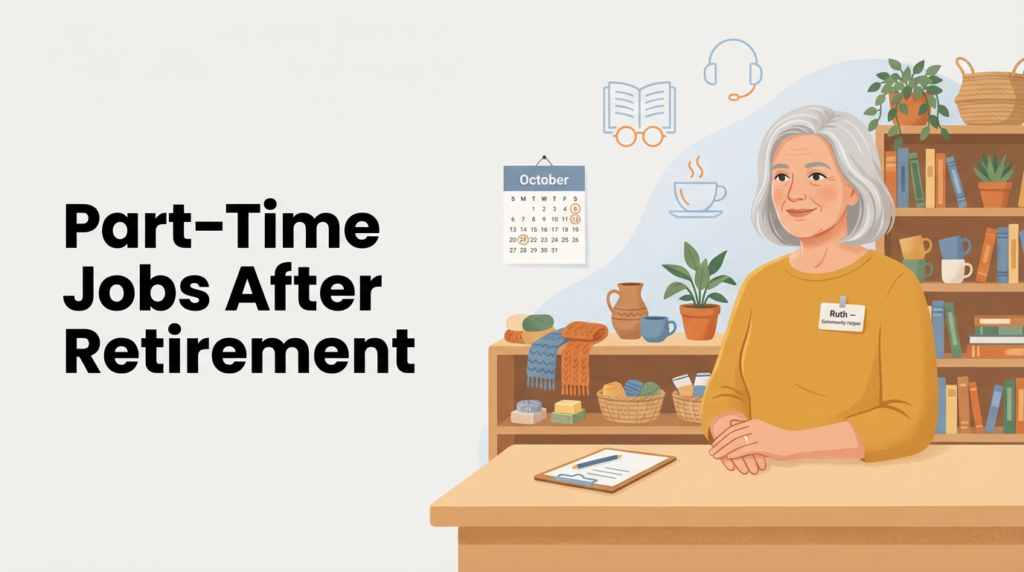
Part-time work is the most straightforward answer to how to make money as a retiree when you want income soon. It’s simple: you work a bit, you get paid.
The trick is choosing jobs that fit retirement life.
A good retirement job should:
- respect your schedule,
- not wreck your body,
- and not make you dread Monday (or any day, honestly).
Which Side Jobs Offer Flexibility and Extra Money for Retirees?
Consider these flexible side jobs that balance pay and convenience:
- Consulting: Use your professional experience to advise businesses or individuals on a per-project basis.
- Tutoring: Teach subjects or skills you know well—online or in person—for steady supplemental income.
- Retail or Hospitality Jobs: Many stores and venues offer part-time schedules that fit retirement life.
These jobs help you stay active, meet people, and earn extra cash without a full-time commitment.
A small “blog-style” aside: I’ve noticed retirees either love retail (the social side, the movement, the discount) or they hate it within two shifts. If you’re unsure, try seasonal work first. It’s the dating phase of part-time jobs.
How Do Retirees Find and Qualify for Senior-Friendly Part-Time Work?
Look for suitable part-time roles by following straightforward steps:
- Utilize Job Boards: Search for “part-time,” “seasonal,” “flexible,” “remote,” or “mornings only.”
- Network: Tell people what you’re looking for and what schedule you want. Being specific helps others help you.
- Tailor Resumes: Emphasize relevant skills, reliability, and recent experience to match employers’ needs.
One practical tweak that helps a lot: put your preferred schedule near the top of your resume (or in your cover note). Hiring managers love clarity. It saves everyone time.
How Can Retirees Earn Extra Money Through Freelance and Consulting Opportunities?

Freelancing and consulting are great because they let you keep the best parts of work—using your brain, solving problems, helping people—without the worst parts—endless meetings, politics, and the printer that jams only when you’re already late.
If you’re researching how to make money as a retiree and you want flexibility, this section is your friend.
What Freelance Jobs Are Ideal for Retirees’ Skills and Experience?
Freelance roles that often suit retirees include:
- Writing and Editing: Create content, edit documents, write newsletters, polish resumes, proofread reports.
- Graphic Design: Offer design services for businesses, nonprofits, or local clients.
- Virtual Assistance: Provide remote administrative support, scheduling, inbox cleanups, and customer help from home.
These options let you pick projects and hours that match your energy and interests.
If you want a simple way to start without feeling like you’re launching a spaceship: pick one service and one type of client.
For example:
- “I edit resumes and LinkedIn profiles for mid-career professionals.”
- “I help small businesses tidy their QuickBooks and monthly reports.”
- “I write and schedule newsletters for local organizations.”
Specific beats impressive. Always.
How to Launch a Consulting Career After Retirement?
Get started with consulting by following these steps:
- Identify Niche Expertise: Focus on what you can solve quickly and confidently.
- Build a Network: Reconnect with former contacts and join professional groups to find clients and referrals.
- Market Services: Create a clear one-page profile or simple website and use LinkedIn or local channels to promote your services.
Here’s the part people overcomplicate: you don’t need “branding,” you need clarity. What do you do? Who do you help? What result do they get?
With a targeted approach, you can build a consulting practice that fits your schedule and income needs.
Adopting a location-independent approach—freelancing or running online projects—can expand these opportunities and give you more control over where and when you work.
Digital Nomad Retirement: Freelancing & Online Ventures
This lifestyle emphasizes flexibility: you can earn through freelancing, consulting, or running a personal blog, turning professional skills into ongoing income. It’s about designing work that fits the life you want.
I like the idea of income that travels well. Not because everyone wants to live out of a suitcase, but because location flexibility is a quiet kind of power. If you can earn from anywhere, you can choose where “anywhere” is. (The Digital Nomad Retiree: Make Money, Travel More, 2025)
What Investment Options Are Best for Seniors Seeking Income?
Investing can help retirees generate income while protecting capital. In retirement, the goal often shifts from “grow as fast as possible” to “grow steadily while staying stable.”
That’s not boring. That’s smart.
And it’s a major part of how to make money as a retiree without working more hours.
Which Low-Risk Investments Provide Reliable Retirement Income?
If you want lower volatility, consider these options:
- Bonds: Government and high-quality corporate bonds pay fixed interest and are generally more stable than stocks.
- High-Yield Savings Accounts: These accounts offer better interest than standard savings and are a safe place for emergency funds.
- Certificates of Deposit (CDs): CDs lock in a guaranteed rate for a set term, giving predictable returns.
Low-risk investments can form the backbone of an income-focused retirement portfolio.
If you like predictable cash flow, look into “laddering” with CDs or bonds—staggering maturity dates so you’re not forced to guess the perfect term. It’s a simple move that can make your cash plan feel less fragile.
How Can Retirees Balance Risk and Return in Their Investment Portfolios?
Balance your portfolio with these habits:
- Assess Risk Tolerance: Be honest about how much market volatility you can tolerate without losing sleep.
- Diversify Portfolios: Mix bonds, equities, cash, and other assets to reduce concentration risk.
- Regularly Review Investments: Check performance periodically and rebalance to keep your strategy aligned with your goals.
Regular reviews and a diversified mix help manage risk while pursuing steady returns.
One thing I’ll add (because it matters): the “right” risk level is the one you can stick with. A brilliant plan you abandon in a panic isn’t a brilliant plan.
How Can Retirees Monetize Hobbies and Skills to Generate Income?
This is the fun section. Monetizing a hobby is one of the most enjoyable ways to learn how to make money as a retiree, because it can feel less like “work” and more like “wait… people pay for this?”
Also, it’s a nice change of pace. Not everything has to be a financial strategy. Sometimes it can just be a thing you enjoy that happens to earn money.
What Are Profitable Ways to Turn Hobbies Into Side Income?
Many retirees find success with these hobby-based ventures:
- Crafting: Sell handmade items online or at local markets to reach buyers who value unique goods.
- Photography: Offer event photography, portraits, or sell prints and stock photos.
- Gardening: Grow and sell plants, produce, or offer garden consulting and design services.
Hobby-based income can be both personally fulfilling and financially useful.
A tiny warning from the “seen this happen” department: don’t underprice yourself into misery. If your hobby becomes a job you resent, you’ll stop doing it. Price it so it stays fun.
How Do Retirees Market Their Skills for Online and Local Opportunities?
Promote your skills with these steps:
- Create an Online Presence: A simple website, a marketplace listing, or even one well-made social profile is enough to start.
- Join Local Groups: Community centers, clubs, and farmers’ markets are great places to meet customers and collaborators.
- Offer Free Workshops: Short workshops build credibility and often lead to paid work.
Combining online exposure with local connections often produces the best results.
Clearly presenting your work online—photos, descriptions, and easy ways to buy—is key to turning hobbies into a steady income stream.
Retirement Side Hustles: Monetizing Skills & Crafts Online
A clear online presence and good product presentation make it easier to sell crafts, courses, or services. Practical tips include showcasing your best work, pricing sensibly, and using marketplaces that match your product. (Retirement Side Hustles: Smart Ways to Earn Extra Money, 2025)
What Emerging Digital Income Opportunities Are Available for Retirees?
The digital economy has created more flexible ways to earn than ever. If you’re looking for how to make money as a retiree without commuting or standing for long shifts, digital options can be a good fit.
Just don’t feel like you have to do all of it. Pick one thing and get good at it.
How Can Retirees Leverage Online Tutoring and Content Creation?
Online platforms let retirees teach or create content from home:
- Online Tutoring: Teach subjects, test prep, or language skills through video lessons for steady hourly pay.
- Content Creation: Blogs, YouTube channels, and podcasts can earn through ads, sponsorships, and affiliate links once you build an audience.
- E-commerce: Sell goods or digital products on marketplaces or your own site to reach customers beyond your local area.
These paths offer flexibility and scale depending on how much time you want to invest.
If you want the least frustrating path: pair something that pays quickly (tutoring, freelancing) with something that can grow slowly (content, digital products). That combo tends to keep motivation alive.
What Gig Economy Roles Are Growing Among Senior Workers?
Gig work can be a convenient way to add income with controlled hours:
- Rideshare Driving: Choose when to work and earn from driving for ride services.
- Delivery Services: Deliver food or packages on your schedule for extra cash.
- Task-Based Work: Short-term gigs—from handyman tasks to online microjobs—offer varied ways to earn without long commitments.
Gig roles let you pick assignments that match your mobility, energy level, and time availability.
As work continues to change, the gig economy often provides flexible, accessible options for retirees who want to stay active and earn money on their terms.
A quick research tie-in: work like C. Cook’s 2019 discussion of older workers in the gig economy highlights flexibility as a major driver for senior participation—people value control over hours, not just the paycheck.
Gig Economy for Retirees: Flexible Work Options
For many older workers, gig roles offer control over hours and intensity, making it easier to phase into retirement or supplement income without a fixed schedule. Older workers and the gig economy, C Cook, 2019
Frequently Asked Questions
What are some common mistakes retirees make when seeking additional income?
Common missteps include jumping into high-risk investments without enough research, relying on a single income source, and neglecting professional advice. Some retirees also overlook how to present recent experience on a resume for part-time roles.
Avoid these errors by researching options, diversifying, and getting guidance from a trusted financial advisor.
How can retirees ensure their income strategies are sustainable long-term?
To keep income plans sustainable, set realistic goals, diversify revenue sources, and review your finances regularly. Maintain a budget, adjust plans as markets or health change, and schedule periodic check-ins with a financial planner to stay on course.
What role does technology play in helping retirees earn money?
Technology opens many doors: remote tutoring, freelancing, online shops, and marketing via social media or simple websites. Learning a few digital tools can expand who you reach and make it easier to manage clients and payments remotely.
Are there specific tax considerations retirees should be aware of when earning extra income?
Yes—income from part-time jobs, freelance work, and some investments can affect your tax bill and Social Security benefits. Keep accurate records, track deductible expenses, and consult a tax professional to understand how extra earnings interact with your overall retirement income.
How can retirees balance work and leisure to maintain a healthy lifestyle?
Balance comes from setting clear limits: decide how many hours you want to work each week and stick to them. Prioritize activities that energize you, keep up social connections, and schedule regular exercise and downtime to avoid burnout while you earn extra money.
What resources are available for retirees looking to start a business?
Retiree entrepreneurs can tap local Small Business Administration (SBA) offices, community college workshops, online courses, and local chambers of commerce for training and mentorship. These resources can help with business planning, financing, marketing, and legal basics to get a small venture off the ground.
Conclusion
If you’re still thinking about how to make money as a retiree, here’s the simplest way to frame it: don’t hunt for one perfect solution. Build a small mix.
Start with stability (smart investing and a plan you can live with). Add one income stream that pays soon (part-time work, tutoring, consulting). Then, if you want, layer on something you enjoy that could grow (a hobby business, a small online offer, content creation).
And keep it light enough that it still feels like retirement.
Because the whole point of learning how to make money as a retiree isn’t to stay busy. It’s to stay comfortable—and keep your freedom intact.