
Which of The Following Are Common Mental Health Problems In The Elderly Population: Understanding Depression, Anxiety, and Dementia
Which of the following are common mental health problems in the elderly population? Learn about depression, anxiety, dementia, causes, symptoms, and care.
Mental health matters at every age. But mental health in older adults sometimes gets treated like the last item on a long checklist, somewhere after blood pressure, cholesterol, and whether anyone drank enough water today. The problem is that depression, anxiety, and dementia can shape day to day life just as much as any physical condition. Sometimes they shape it more.
I have sat at kitchen tables with families trying to figure out what changed. Why did Mom stop calling friends. Why is Dad suddenly scared to leave the house. Why is Grandpa forgetting the same story but also looking sad in a way no one can quite name. These moments are common, and they deserve more than a shrug and the phrase, That is just getting old.
This article walks through the most common issues older people face, how they often show up, and the particular challenges caregivers and clinicians should watch for. We cover prevalence, typical symptoms, how to tell dementia and depression apart, other mental health concerns that can arise later in life, and practical strategies to support mental wellness.
Which of The Following Are Common Mental Health Problems In The Elderly Population
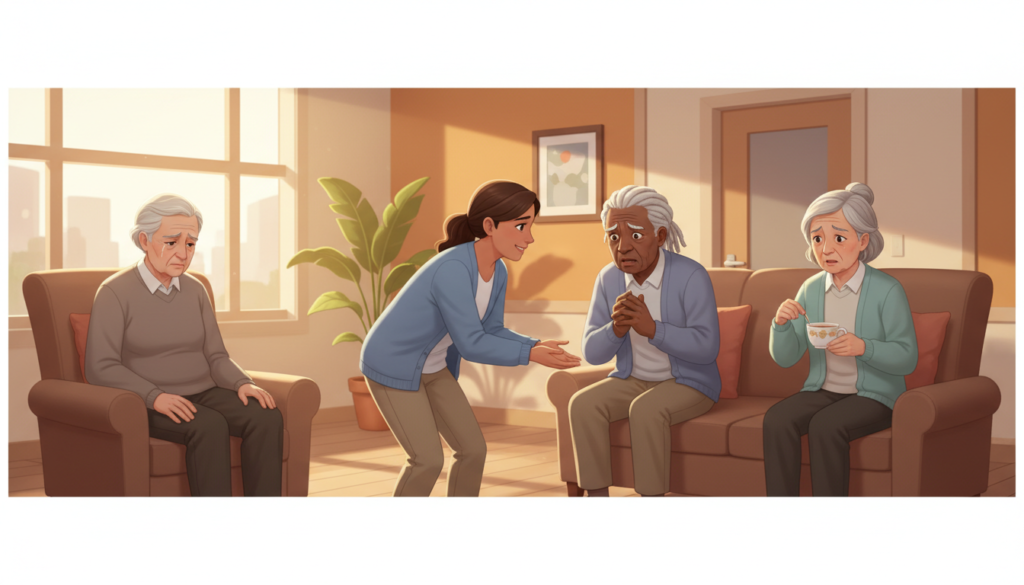
Older people may experience a range of mental health conditions, but depression, anxiety, and dementia are the ones seen most often. Each can interfere with independence, relationships, and quality of life.
One reason mental health in older adults is easy to miss is that it rarely arrives with a dramatic entrance. It usually slides in quietly. Fewer outings. A shorter temper. More time in bed. Less interest in food. More comments like, I do not want to bother anyone. If you are a caregiver, you might notice something feels off before you can explain exactly what it is.
Prevalence of depression, anxiety, and dementia in seniors
Current data suggest roughly 7 percent of older adults experience depression, about 3.8 percent have an anxiety disorder, and dementia including Alzheimer’s disease affects around 5 to 8 percent of people aged 65 and older. These figures underline why early recognition and thoughtful care are so important.
I like to frame these numbers in a simple way. In most communities, these conditions are not rare. They are part of the landscape. When we treat them as uncommon, people hide. When we treat them as common and treatable, people talk and get help.
Key risk factors for mental health challenges in the elderly
Several factors increase the likelihood of mental health problems in later life, including:
- Social isolation: Losing friends or family and reduced social contact can leave older adults vulnerable to loneliness, depression, and anxiety.
- Chronic illness: Ongoing medical conditions and the burden of symptoms can worsen mood and stress.
- Cognitive decline: Early cognitive changes or frustration over memory problems can heighten anxiety and distress.
Spotting and addressing these risks early helps guide effective support and intervention.
A quick note that matters. None of these risk factors are personal failures. Isolation is not laziness. Anxiety is not being dramatic. Cognitive changes are not a lack of effort. Mental health in older adults improves when we treat symptoms like symptoms, not character.
How does depression present in older adults?
Depression in later life can look different than in younger people, which means it is sometimes missed or mistaken for normal aging or medical issues.
If you have ever heard someone say, She is just slowing down, you know how easy it is to minimize the early signs. But slowing down does not always mean aging. Sometimes it means depression. And depression is not a personality trait. It is a medical condition that deserves real care.
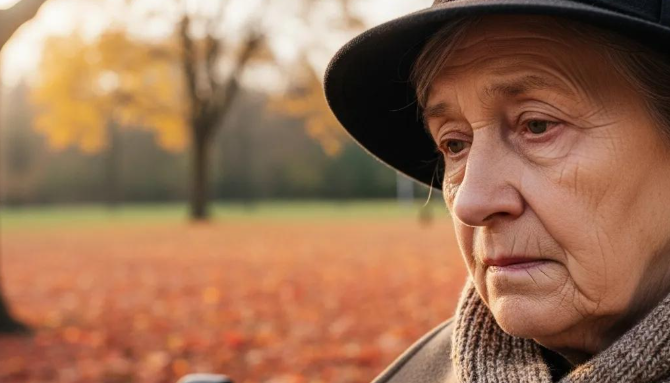
Recognizing symptoms and signs of geriatric depression
Common signs include:
- Persistent sadness, low mood, or a flat affect
- Loss of interest in hobbies or activities that used to bring pleasure
- Appetite or weight changes
- Sleep problems, such as insomnia or oversleeping
Awareness of these signs is vital so older adults get timely evaluation and care.
Depression in older adults can also show up as irritability, apathy, or constant complaints of feeling unwell. Some people rarely say, I feel depressed. Instead they say, I am tired all the time, or, Nothing tastes good, or, I just do not see the point. Mental health in older adults often hides behind everyday phrases.
Causes and risk factors unique to depression in seniors
Some factors that commonly trigger depression in older adults are:
- Life transitions: Retirement, moving, or bereavement can lead to grief and reduced purpose.
- Chronic pain: Ongoing pain from conditions like arthritis often contributes to hopelessness or withdrawal.
- Medication side effects: Certain drugs can worsen mood. Regular medication reviews are important.
Understanding these contributors helps caregivers and clinicians choose the right supports and treatments.
It also helps to separate grief from depression, even though they can overlap. Grief often comes in waves. You can still laugh at a story and then cry five minutes later. Depression tends to flatten everything, like someone turned the volume down on life. If an older adult cannot access relief or pleasure for weeks, that is a sign to take seriously.
What types of anxiety disorders are common among older adults?
Anxiety remains common in later life and often occurs alongside other health or mood conditions.
Anxiety in older age can be confusing because the worries often sound reasonable. Health worries make sense. Money worries make sense. Safety worries make sense. The key difference is intensity and impact. When the worry is constant and life shrinking, mental health in older adults needs attention.
Generalized anxiety disorder and panic attacks in older adults
Generalized anxiety disorder involves persistent, excessive worry about everyday concerns like health, money, or loved ones. Panic attacks, sudden intense fear with physical symptoms, can also affect older adults and may lead to avoidance or increased medical visits.
Many older adults describe panic as, I thought I was dying. That is not exaggeration. Panic can feel like a heart attack. This is why proper assessment matters. People deserve clarity and a plan, not a loop of emergency visits and reassurance that fades by bedtime.
Triggers and management strategies for anxiety in seniors
Typical triggers include:
- Health concerns: Worry about illness or functional decline.
- Financial stress: Anxiety about fixed incomes or rising costs.
- Social situations: Fear of meeting new people or attending events, which can deepen isolation.
Treatment can include psychotherapy, targeted medications, and lifestyle changes. Regular activity, sleep hygiene, and social engagement all help reduce anxiety symptoms.
If you want one practical idea that is boring and effective, here it is. Keep routines steady. Anxiety feeds on uncertainty. Predictability calms the nervous system. That might look like a consistent morning walk, the same grocery day, or a weekly call that happens whether anyone feels like it or not.
How can dementia be differentiated from depression in seniors?
Telling dementia and depression apart is essential because each requires different approaches. Mislabeling one for the other can delay effective care.
This is often the hardest part for families. Memory issues can show up in both depression and dementia. The difference is the pattern over time, and whether mood and motivation are driving the changes.
Comparing symptoms and onset of dementia versus depression
Both conditions may cause memory issues or slowed thinking, but the pattern differs. Dementia usually shows a steady decline in cognitive abilities over time. Depression more often presents with marked mood changes, reduced motivation, and sometimes attention problems that can look like cognitive loss. This reversible condition is sometimes called pseudodementia.
Research highlights how challenging and nuanced this distinction can be in older patients.
Key questions in geriatric psychiatry include how psychiatric disorders develop in late life, how to tell normal aging from pathological change, how different mental disorders overlap, and how mental and physical illnesses interact to affect daily functioning. Under the hypothesis that psychopathological symptoms become less distinct with advanced age, researchers have examined the links between depression and dementia and their shared consequences. The differentiation between depression and dementia in the very old, H Helmchen, 1993
Here is a simple real world clue that can help, with the caveat that it is not perfect. In depression, people often complain about memory and feel distressed by it. In dementia, people may be less aware of the changes or minimize them, even when daily functioning is shifting.
Importance of accurate diagnosis and support for cognitive decline
A clear diagnosis guides the right treatments, whether that is antidepressant or anti dementia strategies, cognitive rehabilitation, or caregiver education. When diagnosis is uncertain, a comprehensive assessment and family support are crucial to avoid inappropriate or ineffective care.
If you take one thing from this section, let it be this. Do not diagnose dementia based on fear. Get an evaluation. Sometimes the cause is depression. Sometimes it is medication effects. Sometimes it is poor sleep, including sleep apnea. Sometimes it is delirium from an infection. And sometimes it is dementia. Guessing wastes time and energy.
What other mental health issues affect the elderly population?
Beyond depression, anxiety, and dementia, older adults may face other mental health concerns that require attention and tailored treatment.
Mental health in older adults can be complex because health, loss, trauma, and life transitions keep happening. Aging does not pause the rest of life. It just adds more chapters.
Substance abuse and late onset psychiatric disorders in seniors
Some older adults develop substance misuse problems, sometimes as a way to cope with pain, insomnia, or loneliness. New psychiatric disorders can also emerge later in life. Conditions such as late onset psychosis need age appropriate assessment and care plans.
This topic can feel awkward, especially in families where the older adult has always been the responsible one. But substance misuse is often less about rebellion and more about relief. People are trying to sleep, trying to cope, trying to quiet the mind. That does not excuse risk, but it does explain why a compassionate approach works better than shame.
Impact of PTSD and trauma on older adults’ mental health
Trauma experienced earlier or later in life can produce long lasting effects. PTSD may surface or persist in older adults, contributing to anxiety, depression, sleep problems, and reduced daily functioning. Comprehensive, trauma informed care is often needed.
Sometimes quieter years bring old memories to the surface. Sometimes a hospital stay, a fall, or even a certain news story can stir up something that has been dormant for decades. If an older adult suddenly has nightmares, avoids reminders, startles easily, or seems emotionally stuck, trauma may be part of the story.
How can mental well being be promoted among older adults?
Supporting mental health in later life requires a combination of social, physical, and clinical strategies that promote purpose, connection, and resilience.
Here is the encouraging part. Many pillars of mental health in older adults are within reach. They are not complicated, but they do require consistency. Think connection, movement, routine, and support that is actually practical.
Preventing social isolation and loneliness in seniors
Ways to reduce isolation include:
- Community engagement: Local activities, senior centers, and volunteer opportunities can build meaningful connections.
- Technology use: Teaching older adults to use video calls and messaging helps them stay in touch with family and old friends.
- Support groups: Peer groups, whether in person or online, provide shared experience and practical coping tips.
A small suggestion that helps more than people expect. Schedule connection like it is part of healthcare. A Tuesday call. A Saturday lunch. A weekly class. When connection is optional, it often disappears. When it is planned, it becomes a lifeline.
Role of physical health and caregiver support in mental wellness
Good physical health supports good mental health. Regular exercise, balanced nutrition, pain management, and routine medical care all help mood and cognition. Caregivers also play a key role. Practical help, emotional support, and advocacy with health providers make a measurable difference.
Caregivers deserve a line of their own here. If you are caring for someone, you are doing important work. But you cannot run on empty. Respite is not selfish. It is maintenance. Even professional athletes rest, and no one yells at them for it.
| Condition | Estimated Prevalence | Typical Signs |
|---|---|---|
| Depression | ~7 percent | Persistent low mood, loss of interest, appetite or sleep changes |
| Anxiety disorders | ~3.8 percent | Excessive worry, panic episodes, avoidance of situations |
| Dementia | 5 to 8 percent | Progressive memory loss, confusion, difficulty with daily tasks |
Mental health in older adults is complex and often interconnected with physical health and social circumstances. Recognizing symptoms early, offering appropriate medical and psychosocial supports, and encouraging community and caregiver involvement can greatly improve quality of life for older people.
Frequently Asked Questions
What are the signs that an elderly person may be experiencing mental health issues?
Look for changes from their usual behavior: withdrawal from hobbies or social life, shifts in sleep or appetite, new irritability, trouble concentrating, or expressions of hopelessness. Sudden declines in self care or increased medical complaints without clear cause are also red flags. When you notice these signs, a medical and mental health evaluation is a good next step.
How can caregivers support elderly individuals with mental health issues?
Caregivers can help by listening without judgment, keeping routines, encouraging social contact, and helping with appointments and medication reviews. Learning about the person’s diagnosis and connecting with professionals, physicians, therapists, community services, ensures the care team addresses both medical and emotional needs.
What role does physical health play in the mental well being of seniors?
Physical and mental health are closely linked. Exercise improves mood and cognitive function. A nutritious diet supports brain health. Managing chronic conditions reduces stress and improves day to day functioning. Regular checkups help catch medical contributors to mood or cognitive change.
Are there specific therapies effective for treating mental health issues in older adults?
Yes. Cognitive Behavioral Therapy is effective for many forms of depression and anxiety. Supportive therapy and group programs can reduce isolation and teach coping skills. Medication can be helpful but should be chosen and monitored carefully because older adults are more sensitive to side effects and drug interactions.
How can technology help improve mental health in the elderly?
Simple tech, video calls, messaging apps, and online groups, keeps people connected and reduces loneliness. Mental health apps and teletherapy can provide convenient access to support and exercises for relaxation or cognitive practice. Training and patience make tech a realistic tool for many older adults.
What are the long term effects of untreated mental health issues in older adults?
If left untreated, depression and anxiety can worsen physical health, speed cognitive decline, increase hospitalizations, and reduce quality of life. Untreated mental health conditions also raise the risk of social isolation and mortality. Early identification and ongoing care help prevent these outcomes.
Conclusion
Mental health challenges, depression, anxiety, and dementia, are common and treatable. Timely assessment, the right mix of medical and psychosocial supports, and strong caregiver and community connections make a real difference.
If you are concerned about an older loved one or patient, reach out to a clinician or local resources to start a plan that protects dignity, safety, and quality of life. And if you are an older adult reading this, I will say what I would say over coffee. You do not have to tough it out. Mental health in older adults is health, full stop.




3 Comments
Comments are closed.