How to Ship Adventure Gear Overseas: The Complete International Shipping Guide for Retirees
Learn how to ship adventure gear overseas — best methods, packing tips, customs paperwork, and carrier choices so your gear arrives ready for the trip.
Key Takeaways:
- Knowing how to ship adventure gear overseas starts with matching your shipping method to your timeline and budget — air freight is fastest, sea freight is most cost-effective for bulk, and couriers balance speed and convenience for smaller packages
- The cheapest option that arrives late is actually the most expensive one — especially when your expedition starts on a fixed date
- Consistent labeling and documentation across every form is the single biggest factor in avoiding customs delays
- An ATA Carnet can save significant time and money for retirees traveling with high-value gear across multiple countries
- Lithium batteries, fuel-stained stoves, and drones each have their own rules — know them before you pack
- Australia and New Zealand have some of the strictest biosecurity rules in the world — clean your gear thoroughly and declare everything
- Insurance is only as good as your documentation — photograph gear and serial numbers before sealing the box
- Build buffer time into every international shipment, especially for remote destinations where the last 50 miles can take longer than the first 5,000
I want to tell you something that took me longer than it should have to figure out: the adventure doesn’t start at the trailhead. It starts the moment you decide to go — and for retirees figuring out how to ship adventure gear overseas, it often starts with a mug of coffee, a mildly dramatic internal conversation, and the dawning realization that getting your equipment to another country is its own expedition.
I’ve had gear arrive perfectly. I’ve had gear sit in customs limbo while I refreshed a tracking page with the focused intensity of someone watching a very slow tennis match. I’ve learned, sometimes the hard way, that knowing how to ship adventure gear overseas rewards people who are politely obsessive about paperwork — and punishes people who assume it’ll work out.
The good news is that most of the things that go wrong are preventable. Delays, holds, surprise fees — the majority of them trace back to documentation that doesn’t quite match, labeling that’s inconsistent, or a carrier that wasn’t the right fit for the job. Fix those things upfront, and shipping adventure gear overseas becomes genuinely manageable.
This guide covers everything: how to choose the right shipping method, how to pack gear so it actually survives the journey, what customs paperwork you need and why it matters, how to use tools like the ATA Carnet, and how to track your shipment without losing your mind. I’ll also share the small, practical things that don’t always make it into the official guides — the stuff that makes the difference between a smooth arrival and a stressful scramble.
For retirees specifically, this matters in a particular way. We have the time and the freedom to plan adventures that working people can only dream about. What we don’t always have is a corporate logistics department handling the details. That means the planning falls to us — and doing it well is what separates a trip that starts with excitement from one that starts with a phone call to a customs broker at 6 a.m.
Research backs up what experienced expedition travelers already know: delays in international shipping most often stem from document-processing errors and inconsistencies, not from the physical movement of goods. One internal 2022 distribution analysis highlighted document-processing delays as a major drag on shipment speed — your gear can travel thousands of miles in a few days, then sit for a week because one number on an invoice doesn’t match the packing list. The World Bank’s Logistics Performance Index has repeatedly identified customs efficiency and documentation quality as core drivers of reliable delivery. Translation: learning how to ship adventure gear overseas isn’t just about trucks and planes. It’s also about paperwork with consequences.
Quick note: this guide is practical and educational. For country-specific legal requirements, always verify with the relevant customs authority or a licensed customs broker.
Overcoming Bureaucracy and Delays When Shipping Adventure Gear Overseas
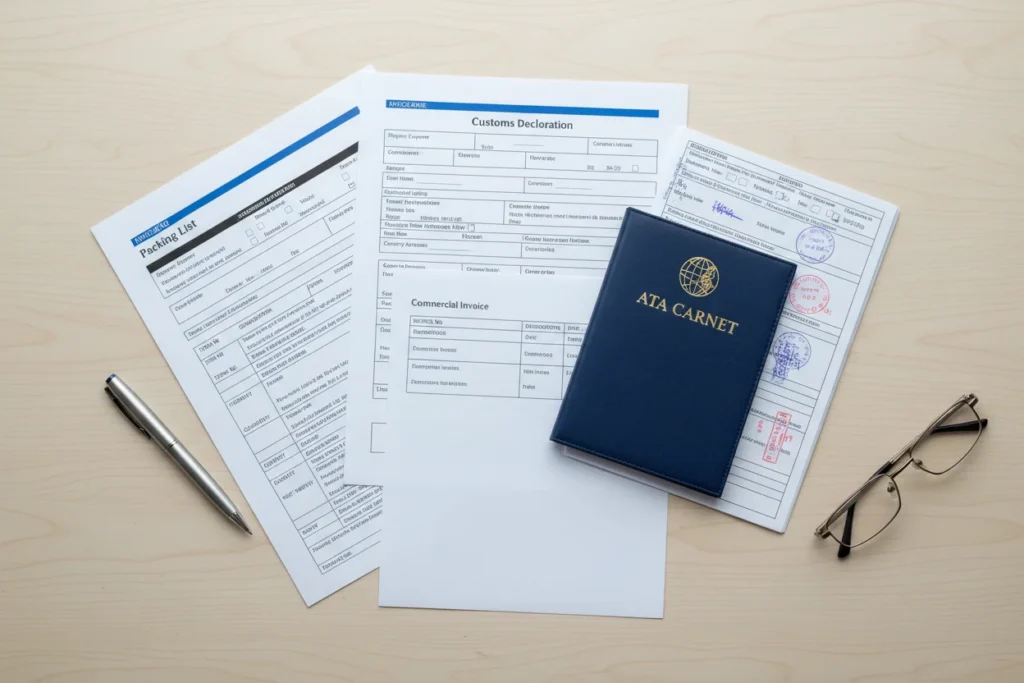
The most common source of delay when you ship adventure gear overseas isn’t distance — it’s paperwork. Slow document processing, inaccurate checks, and data mismatches between forms force corrections that stall shipments and add costs.
The fix is almost always the same: be consistent, be accurate, and be boring. Boring documentation clears customs. Interesting documentation gets questions.
If you want a framework for thinking about this: every document in your shipment should tell the same story. The packing list, the commercial invoice, the shipping label, and the customs declaration should all describe the same items, in the same language, with the same values. The moment those stories diverge, a customs officer has to reconcile them — and that takes time you probably don’t have.
What Are the Best Methods for Shipping Adventure Gear Overseas?
Picking the right shipping method is the first real decision when figuring out how to ship adventure gear overseas, and it shapes everything that follows — cost, timing, documentation requirements, and how your gear is handled along the way.
The mindset shift I’d encourage: don’t choose based on the cheapest quote. Choose based on the cost of failure. If your expedition starts on a fixed date, the option that arrives late is the most expensive one — regardless of what it said on the invoice.
How Do Air, Sea, and Courier Services Compare?
The three main options are air freight, sea freight, and international couriers. Think of them as the “fast, cheap, convenient” triangle — you generally get to pick two.
Air freight is the fastest option, typically 1–7 days depending on route and customs. It’s best for urgent or high-value gear, but it’s the priciest — especially for heavy or bulky items. Shipping climbing ropes or a camera body by air makes sense. Shipping a bike box by air can feel like buying it a business-class seat.
Sea freight is the most cost-effective option for large or multiple items, but transit can take several weeks to over a month. It rewards patience and advance planning. If you’re doing a long trip, moving gear for a season, or shipping a significant volume of equipment, sea freight can be a genuine lifesaver — as long as your timeline allows for it.
Courier services offer a middle ground: typically 3–10 days, door-to-door tracking, and cleaner online paperwork flows than most freight options. They’re ideal for smaller packages and for shipping to hotels, outfitters, or local contacts. Less mystery, fewer faxes — and yes, some corners of international shipping still use fax, which I find both baffling and oddly charming.
One factor that catches people off guard: volumetric weight. When you ship adventure gear overseas, you can be charged not just for how heavy your box is, but for how much space it occupies. Big, light boxes can be surprisingly expensive. Ask about dimensional pricing before you commit.
Which Freight Forwarders Specialize in Expedition Logistics?
For complex or oversized shipments, working with a specialist freight forwarder can simplify the process significantly. A few worth knowing:
- Expedition Logistics — experienced with oversized and fragile kit, end-to-end pickup and delivery
- Freight Forwarders International — tailored shipping plans with cross-border compliance support
- Global Expedite — fast, reliable options built for travelers and field teams
A word of practical advice: when a company name looks generic, verify their actual experience. Ask whether they’ve shipped your type of gear to your specific destination recently, and whether they handle customs brokerage in-house or subcontract it. The answers tell you whether you’re buying expertise or buying a nice website.
How to Prepare and Pack Adventure Gear for Overseas Shipping
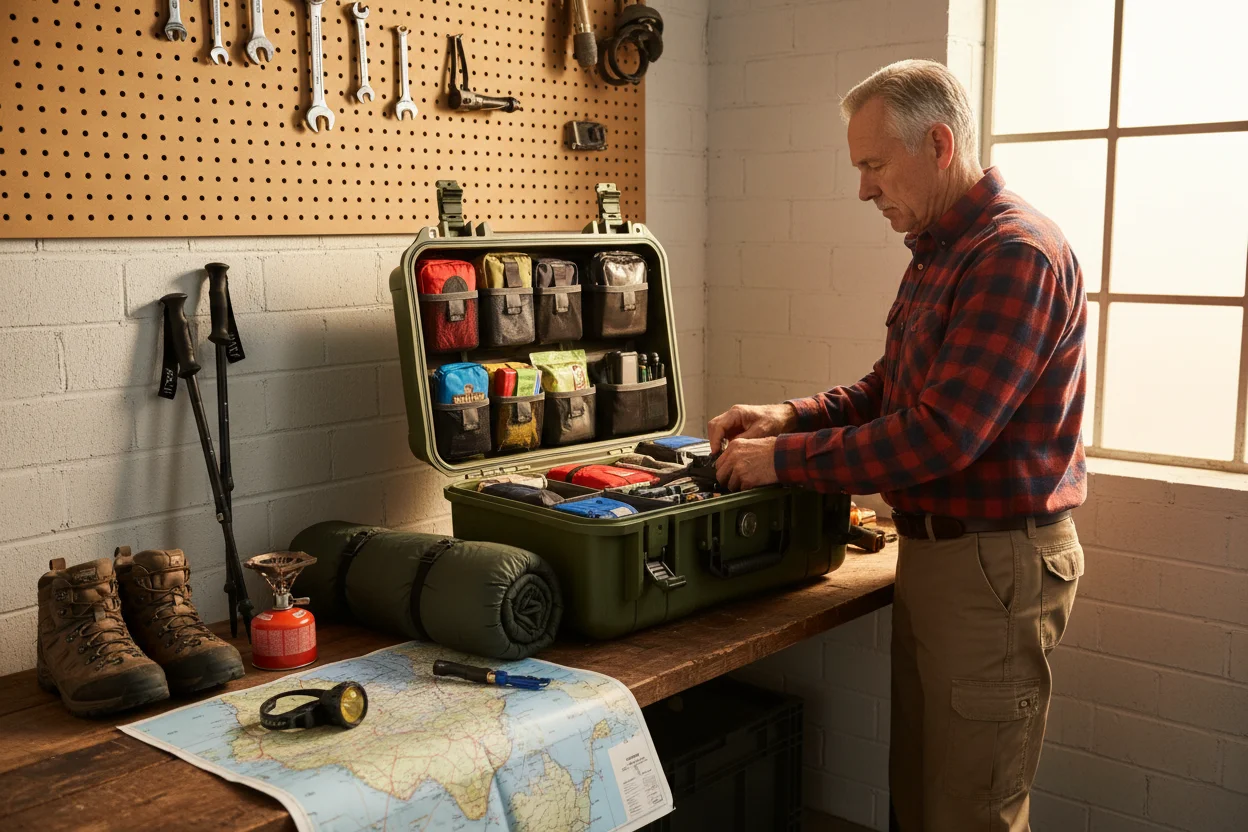
Good packing lowers the risk of damage and can reduce handling delays. It’s often the difference between a safe arrival and a ruined piece of kit — and I say that as someone who once watched a tent pole do interpretive dance through the side of a cardboard box somewhere between terminals.
The packing goal isn’t “looks tidy.” The goal is: nothing moves, corners are protected, and the outside can survive a minor apocalypse.
Best Packing Techniques for Fragile and Oversized Adventure Equipment
Use sturdy materials. Strong corrugated boxes, quality bubble wrap, and void-fill prevent movement and absorb impact. Don’t reuse boxes that have already been compressed or weakened.
Disassemble when possible. Breaking down large items protects vulnerable parts and helps them fit more securely. Bike pedals, tent poles, trekking pole sections — anything that can come apart, should.
Label for handlers. Mark boxes with destination details and handling instructions like “Fragile” or “This Side Up.” It doesn’t guarantee gentle handling, but it helps — and it matters for insurance claims if something goes wrong.
The shake test. Before sealing any box, give it a gentle shake. If you hear movement, you’re not done packing.
A few things people commonly overlook when they ship adventure gear overseas:
Anything with fuel residue is a red-flag item. Camp stoves, fuel bottles, and even “empty” canisters can be delayed or rejected — especially by air. Clean your stove thoroughly, air it out, and be honest about what it is on your documentation.
Lithium batteries have their own rules, and they’re worth understanding before you pack. The IATA Dangerous Goods Regulations distinguish between batteries installed in equipment and spare batteries shipped separately. A headlamp with batteries inside is often easier to ship than a bag of loose spares.
Finally, consider adding a small buffer kit to your carry-on: a base layer, socks, and any mission-critical small item like a GPS unit or prescription medication. It’s not a packing hack so much as emotional insurance — the kind that makes a delayed shipment inconvenient rather than catastrophic.
How to Label and Document Adventure Gear for International Transport
Clear labeling and accurate paperwork are the backbone of smooth overseas gear shipping. The goal is consistency — every document should describe the same items in the same language with the same values.
Create a detailed packing list. Include every item and its value. This is essential for customs and for insurance claims.
Use accurate shipping labels. Put the destination address and contact information on every box, plus any special handling notes. And put a duplicate label inside the box — it feels paranoid until the outer label gets scuffed or half-peeled off somewhere between terminals.
Attach required documents. Include customs forms and invoices in a clear pouch on the outside of the package to avoid delays at the border.
The nuance that saves the most headaches: keep your wording consistent across everything. If the packing list says “trekking poles,” don’t have the invoice say “sport sticks” and the label say “metal rods.” Customs officers aren’t trying to ruin your trip — they’re trying to match documents to physical items. Consistency speeds up the process when you ship adventure gear overseas. Inconsistency creates questions, and questions create delays.
What Customs Regulations and Documentation Are Required?
Customs rules vary by country, and knowing what your destination requires is one of the most important parts of learning how to ship adventure gear overseas. If this section makes you want to lie down for a moment, I understand. Customs is the broccoli of international shipping: good for you, not always fun, but skipping it leads to problems.
Essential Documents for Customs Clearance
Packing list. A detailed inventory of shipped items and quantities — the foundation of every customs declaration.
Commercial invoice. Shows item values for duty calculations. Even if you’re not selling anything, this document is required.
Specific permits. Certain gear — drones, firearms, lithium batteries, or biological samples — may require permits or certificates. Research these early, because obtaining them takes time.
Two things worth getting right from the start:
Decide whether your shipment is personal effects or a commercial shipment. Even if you’re not selling anything, how you describe the shipment can change the process and the taxes. Some countries offer simplified lanes for personal effects, but they often require supporting documentation like a passport copy, visa, or travel itinerary.
Don’t play games with declared value. Under-declaring can backfire if you need to make an insurance claim, and it can trigger additional scrutiny. Boring honesty is underrated when you ship adventure gear overseas.
How the ATA Carnet Simplifies Temporary Imports
An ATA Carnet is one of the most useful tools available for retirees who ship adventure gear overseas with expensive equipment. It’s a passport-like customs document that allows you to temporarily import equipment into another country without paying duties — and then bring it back out again without additional paperwork at each border.
For adventure travelers with high-value gear — cameras, drones, specialized bikes, medical equipment — the ATA Carnet can save significant money and time. Research supports this: an analysis of temporary import using the ATA Carnet system found it meaningfully reduces processing time compared with standard temporary import procedures. The International Chamber of Commerce administers the system globally through its World Chambers Federation network.
To obtain one, apply through your national chamber of commerce or work with a customs broker. The process takes some lead time, so start early.
One practical tip: a carnet works best when your gear list is clean and specific. List high-value and controlled items clearly — cameras, drones, specialized tools. Avoid vague categories like “miscellaneous equipment.” The cleaner your carnet list, the smoother the re-export process tends to be.
How to Choose the Right Shipping Service for Adventure Gear Overseas
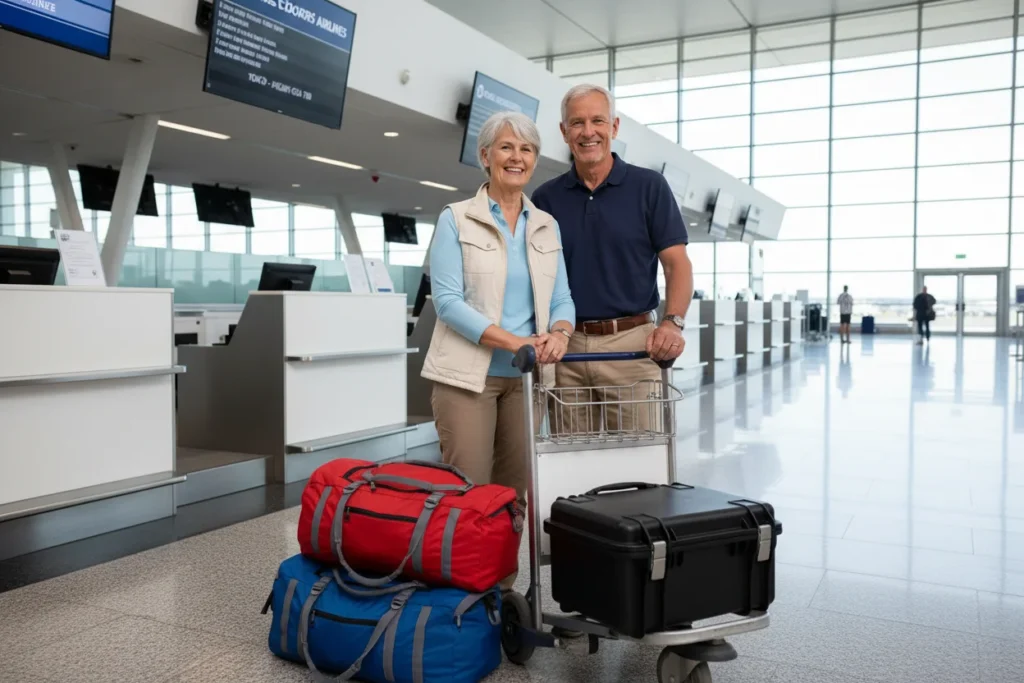
Choosing the right carrier is central to knowing how to ship adventure gear overseas successfully. It affects cost, timing, and how your gear is handled. When I’m evaluating options, I ask myself one question: if something goes sideways, will a real human help me fix it quickly? Because international shipping rarely fails loudly. It fails quietly — like a package sitting in “processing” limbo while your departure date gets closer.
Factors That Affect Cost, Speed, and Reliability
Cost. Get multiple quotes and check for fuel surcharges, handling fees, and customs brokerage charges. Some quotes look cheap until you realize brokerage, storage, and documentation correction fees are separate line items.
Speed. Match the service level to your required delivery window. Don’t pay for air freight speed if your timeline allows for sea freight — but don’t gamble on sea freight if your departure is fixed.
Reliability. Read reviews and ask about experience with similar shipments. A carrier’s track record with your type of gear and your destination matters more than their general reputation.
A few real-world cost levers worth knowing: if your gear is bulky, ask about dimensional pricing and whether you can reduce volume by removing retail packaging, collapsing frames, or splitting into two smaller boxes. Sometimes two smaller boxes are cheaper and easier to clear than one large one.
How to Evaluate Insurance for High-Value Adventure Equipment
Insurance is only as good as your documentation. Before you seal any box, photograph everything — gear laid out clearly, serial numbers visible. It feels like overkill until you need to file a claim, at which point it feels like the smartest thing you ever did.
When evaluating policies, look for:
- Coverage type. Cargo insurance can cover loss, theft, and damage during transit — but confirm what’s actually included.
- Full value coverage. Make sure the policy covers the declared value of your gear, not a depreciated or capped amount.
- International transit inclusion. Some policies have geographic exclusions. Verify your destination is covered.
- Exclusions. Watch for high deductibles or excluded causes like wear and tear, improper packing, or inherent vice.
Country-Specific Considerations When You Ship Adventure Gear Overseas

Each destination has its own customs rules and biosecurity requirements. Research your destination early — country rules are where shipping adventure gear overseas becomes very “choose your own adventure,” except the wrong choice can involve fines.
Customs and Import Restrictions at Popular Adventure Destinations
Australia. Australia’s Department of Agriculture, Fisheries and Forestry enforces strict biosecurity rules. Clean and declare all outdoor gear to prevent the introduction of pests, soil, and organic material. They can spot a single grain of dirt — because it is, genuinely, their job.
New Zealand. New Zealand’s Ministry for Primary Industries conducts detailed inspections of outdoor equipment, with heavy penalties for non-compliance. Clean boots, tents, tent pegs, and anything that’s been in the backcountry. Declare it. Honesty is faster here than anywhere else.
Canada. Rules vary by item type. Firearms, food, and some electronics have specific restrictions. Check Canada Border Services Agency requirements for your specific gear before shipping.
Navigating Logistics in Remote Adventure Locations
Remote deliveries take extra planning — and extra buffer time. A few strategies that help:
Ship to a stable hub. Consider shipping to a major city, outfitter, lodge, or logistics partner and then moving your gear locally from there. Remote addresses can confuse carriers, and “door delivery” can quietly become “door-ish delivery.”
Use local partners. Local carriers and freight forwarders know regional infrastructure limits and quirks that no international carrier’s website will mention.
Build in time for the last mile. When you ship adventure gear overseas to remote locations, the last 50 miles can take longer than the first 5,000. Plan accordingly.
Eco-Friendly Options When Shipping Adventure Gear Overseas
If you love wild places, it makes sense to treat shipping as part of responsible travel — not perfect, but thoughtful.
Carbon offsetting. Many carriers offer ways to offset shipping emissions. DHL GoGreen, UPS Carbon Neutral, and FedEx Sustainability all offer offset programs worth exploring.
Sustainable packaging. Opt for recyclable or biodegradable materials where possible. Avoid single-use plastics when alternatives are available.
Consolidated shipping. Combine shipments to reduce trips and overall emissions. This also reduces handling events — fewer chances for damage — and often reduces cost. It’s one of the rare “everybody wins” moves when you ship adventure gear overseas.
The greenest shipment is usually the one with fewer boxes and fewer re-shipments. Ship right the first time, and you’ve already made a meaningful choice.
How to Monitor and Track Your Adventure Gear Shipment Overseas
Active tracking and timely communication are the best defenses against surprises when you ship adventure gear overseas.
Use carrier tracking. Most providers give a tracking number you can use to follow progress online. Enable notifications for key milestones like customs clearance and delivery windows.
Set alerts. Don’t just check tracking manually — set up automated updates so you’re notified when something changes, not after it’s already been sitting somewhere for two days.
Contact customer service early. If something looks off, reach out before it becomes a problem. Proactive communication speeds resolution.
If your tracking shows “Held in customs” or “Clearance delay,” don’t panic — but do respond quickly. Most of the time, the carrier needs one of three things: a corrected invoice, proof of value, or clarification on item descriptions. Reply fast, clearly, and with the exact reference numbers they provide. Speed matters because storage fees can kick in when delays drag out.
FAQ: How to Ship Adventure Gear Overseas
What should I consider when choosing a shipping method for my adventure gear?
Decide by urgency, cost, and item type. Air freight is fastest but costly; sea freight is cheapest for bulk but slow; courier services balance speed and convenience for smaller packages. Verify the carrier’s experience with outdoor or oversized gear. If you’re on a fixed departure date, bias toward reliability over theoretical savings.
How can I ensure my gear is protected during overseas shipping?
Pack with strong materials, disassemble or pad vulnerable parts, and secure loose items. Label boxes clearly and buy cargo insurance that covers the declared value for international transit. Photograph everything before sealing the box — serial numbers included.
What customs issues might I face when I ship adventure gear overseas?
Common problems include incomplete paperwork, incorrect valuations, and restricted items that require permits. Prepare accurate packing lists and invoices, check destination rules in advance, and be especially careful with lithium batteries, fuel-stained stoves, drones, and anything that looks tactical on an X-ray.
How can I track my shipment once it’s been sent?
Use the carrier’s tracking number on their website or app and enable notifications. Keep your freight forwarder’s contact details handy for updates on customs clearance or routing changes. If tracking stalls for more than a couple of business days at a facility, that’s your cue to ask questions.
What are the benefits of using an ATA Carnet when shipping adventure gear overseas?
An ATA Carnet allows temporary import without paying duties, simplifying border procedures for equipment that will return with you. It speeds processing, reduces costs, and removes the need to file temporary import paperwork at each border — especially useful for high-value gear on multi-country itineraries.
Are there eco-friendly options when I ship adventure gear overseas?
Yes. Look for carriers offering carbon offsets, choose recyclable packaging, and consolidate shipments to cut trips and emissions. The greenest shipment is usually the one with fewer boxes and fewer re-shipments.
Ship Smart, Adventure Well
Knowing how to ship adventure gear overseas is manageable with the right planning. Pick the method that matches your timeline and budget. Pack to protect your equipment. Prepare accurate, consistent documentation. Consider insurance and sustainable options. And build in buffer time — because the world is big, customs offices are busy, and your adventure deserves a calmer start than a last-minute gear crisis.
If you take nothing else from this guide, take this: shipping adventure gear overseas rewards people who are politely obsessive. Label clearly. List items consistently. Keep documents together. Respond fast when a carrier asks for clarification. And remember that the goal of all this planning isn’t the paperwork — it’s the moment you unzip that case at the trailhead, pull out your gear, and realize it made it. Everything made it. Now go.