

Best City Retirement Destinations: A 2025 Guide

City retirement guide—compare costs, healthcare, walkability, taxes, and senior services to pick your best urban fit.
I’ll be honest: the first time I heard someone say they were planning a city retirement, my brain did the whole “Wait… like downtown downtown?” thing. I pictured noise, parking tickets, and paying $9 for a latte that comes with a side of judgment.
Then I actually spent time in a few retirement-friendly cities—walking neighborhoods at different times of day, riding public transit, chatting with folks at senior centers, and (yes) testing the important stuff like how easy it is to find a pharmacy when you’re tired and just want your vitamins and some peace. And that’s when it clicked: city retirement isn’t about “keeping up” with a city. It’s about letting the city carry a little more of the load.
Done well, city retirement gives you what most of us want more of as we age: convenient healthcare, easy ways to get around, built-in things to do, and a bigger pool of people to do life with. The trick is choosing an urban place that fits you—your budget, your body, your hobbies, your tolerance for winter, and yes, your relationship with traffic.
In this guide, I’ll show you how to compare cities using practical, objective tools (think Walk Score, Medicare hospital quality data, and state tax rules), while still leaving room for the “feel” factor you only get when you’re actually there. We’ll cover the best cities for retirees, what to look for in urban retirement communities, how to spot truly affordable cities for retirement, and a step-by-step plan to make the move without turning your life into a cardboard-box obstacle course.
What Makes City Retirement Different (And Why You Might Love It)
Here’s the simplest way I can put it: city retirement is retirement with a shorter distance between you and the stuff that matters.
That distance isn’t just measured in miles. It’s measured in effort.
In a good city retirement setup, your doctor, grocery store, library, coffee shop, and favorite park aren’t “a whole mission.” They’re… Tuesday. That’s especially important if driving becomes less appealing (or less safe), or if you just don’t want your social life to require a 25-minute merge onto a highway.
I also like city retirement for one underrated reason: it makes spontaneity possible again. In some places, seeing a friend requires coordinating calendars like you’re planning a moon landing. In a walkable neighborhood, you can bump into people, join a class last-minute, or say yes to a matinee without packing snacks like you’re crossing the Oregon Trail.
If you want a research-backed reason to care about all of this, the World Health Organization’s Age-Friendly Cities and Communities framework is a solid starting point. WHO doesn’t just talk about “nice to have” amenities—it focuses on the practical conditions that support healthy aging: transportation, housing, social participation, respect and inclusion, and access to services. That’s basically a city retirement checklist, just with fewer jokes.
What Are the Best Cities for Retirees in 2026?
Let’s talk about the cities everyone really came here for.
When I pull together a shortlist for city retirement, I look at four big buckets:
- Healthcare access and quality (a big hospital nearby is good; strong specialist access is better). For U.S. readers, Medicare’s Care Compare data is a helpful sanity check.
- Walkability and transit (Walk Score and Transit Score aren’t perfect, but they’re excellent at revealing “car-required” realities).
- Cost and tax environment (housing, insurance, state income tax treatment of retirement income, property tax relief programs).
- Age-friendly services (senior centers, accessible parks, library programming, ride services, home-care availability).
With those priorities in mind, here’s a concise top-five list that balances variety and practicality.
The Top Five Cities for City Retirement
1. Ann Arbor, Michigan
Ann Arbor is the kind of place where your neighbor might be a retired teacher, a former engineer, or someone who casually goes to lectures for fun. (Which sounds pretentious until you try it and realize it’s actually… kind of great.) The University of Michigan’s presence strengthens the healthcare ecosystem and keeps the city full of cultural events and learning opportunities.
For city retirement, that combination—academic medical access plus a lively, walkable core—makes Ann Arbor a standout. Housing costs can be “moderate to oof,” depending on the neighborhood, but the upside is real peace of mind on healthcare and a strong community vibe.
2. Des Moines, Iowa
Des Moines is my favorite “quietly excellent” pick for city retirement. It doesn’t show off, but it delivers: a lower overall cost of living, a downtown that’s been improving for years, and senior services that are easier to access than many people expect.
When I visited, I was surprised by how practical it felt—like the city was built by people who actually do errands. That’s not a glamorous compliment, but for city retirement, it’s a top-tier one.
3. Charleston, South Carolina
Charleston is charming in that unfair way, like someone who’s good at everything and also has perfect handwriting. Historic districts are highly walkable, the cultural scene is strong, and the “there’s always something happening” energy fits retirees who don’t want life to slow down.
The trade-off is cost—Charleston isn’t a bargain city—and some walkable areas have older infrastructure (hello, charming cobblestones that are less charming when your knees file a complaint). Still, for city retirement with culture, Charleston is hard to ignore.
4. Calgary, Alberta
Yes, Calgary is outside the U.S.—and no, that doesn’t automatically make it “too complicated.” Plenty of retirees consider international options for city retirement, and Calgary is appealing for its urban planning, access to nature, and strong community feel.
Healthcare and tax considerations are different in Canada, so this is a “do your homework” pick. But if you’ve ever thought, “I want city life and easy access to big sky and mountains,” Calgary deserves a serious look.
5. Clearwater, Florida
Clearwater gets points for the obvious: mild winters, coastal access, and a retirement infrastructure that’s been built up for decades. For city retirement, it’s a comfortable choice—good services, plenty of peer community, and a tax environment that many retirees find friendly.
The downside is that walkability can vary a lot by neighborhood. Some areas are easy to navigate without a car; others are… not. Still, if climate is a top priority for your city retirement plan, Clearwater belongs on the list.
Quick Comparison: How These Cities Stack Up
If you’re trying to rank these cities for city retirement, here’s the simplest lens: healthcare and walkability tend to create the biggest quality-of-life differences over time.
- Ann Arbor: healthcare depth + walkable core, moderate-to-higher housing costs.
- Des Moines: affordability + improving infrastructure, a steady “it works” vibe.
- Charleston: culture + charm + walkability in key areas, pricier and more tourism pressure.
- Calgary: strong urban design + active lifestyle potential, cross-border logistics and taxes to plan.
- Clearwater: climate + established senior services, neighborhood-by-neighborhood walkability.
Which Cities Offer the Highest Quality of Life for Seniors?
Quality of life is where city retirement gets personal fast.
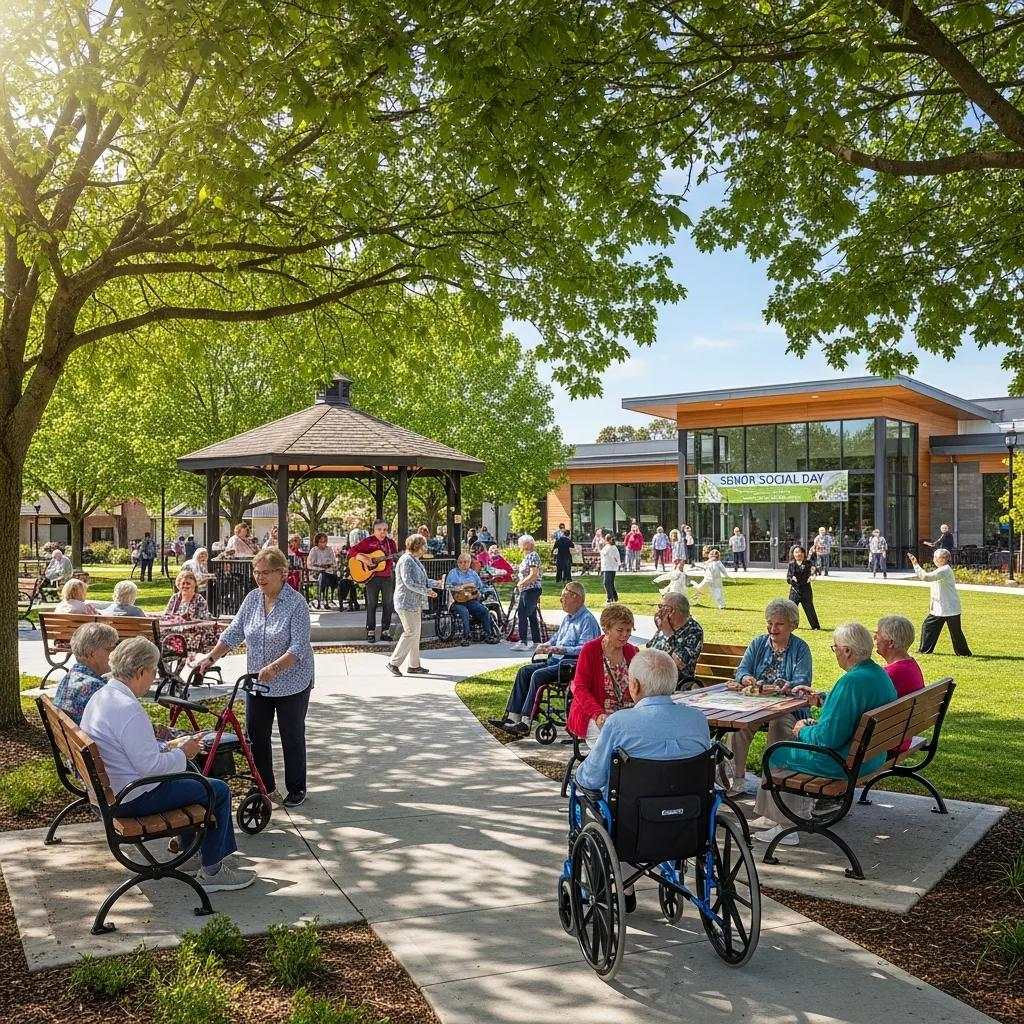
Some people want quiet streets and early dinners. Others want theaters, museums, classes, and a calendar that doesn’t look like a blank spreadsheet. Most of us want a mix: safety, good healthcare, and enough “life” around us that we don’t feel like we’ve been parked somewhere to wait.
I’ve noticed that mid-sized cities and university towns often shine here. They’re big enough to have hospitals and specialists, but not so big that you’re fighting crowds just to buy toothpaste. University ties also tend to bring continuing education, volunteer opportunities, and that gentle hum of community activity.
And there’s a deeper reason social connection matters for city retirement: it’s tied to health outcomes. In a well-known meta-analysis published in PLoS Medicine (2010), researcher Julianne Holt-Lunstad and colleagues found that stronger social relationships were associated with significantly better survival odds over time. You don’t need to turn into a social butterfly overnight—but choosing a city retirement setup that makes connection easier is a practical health decision, not just a lifestyle preference.
Healthcare and Amenities: The Real Differentiators
When people compare city retirement destinations, they often start with weather. I get it. But the older I get, the more I think the smarter starting point is: “If something happens, how quickly do I get good care?”
Healthcare differences between cities show up in ways that are easy to overlook until you need them:
- Do you have access to specialists without long waits or long drives?
- Is there a strong rehabilitation network (physical therapy, occupational therapy, home health)?
- Are there multiple hospital systems, or just one dominant option?
For U.S. retirees, I like using Medicare’s Care Compare as a reality check on hospital quality and patient experience. It won’t tell you everything, but it’s better than trusting vibes when it comes to emergency care.
On the amenities side, the best city retirement spots usually share a few traits: public libraries with robust programming, parks that actually have seating and shade, community centers that run real activities (not just “shuffleboard… again”), and transit options that reduce the “I guess I’ll just stay home” problem.
How to Find Affordable Retirement Cities Without Sacrificing Quality
Finding an affordable city retirement destination is like grocery shopping hungry: you need a plan, or you’ll end up with a cart full of expensive nonsense.

Affordability isn’t just about housing. It’s also about taxes, healthcare costs, transportation, and whether the city offers services that quietly save you money (senior transit fares, meal programs, recreation discounts, property tax relief, and so on).
The Five-Step Affordability Assessment
Step 1: Gather the Cost Metrics
Start with median home price or typical rents, then zoom in. What do utilities run? What’s homeowners insurance like? How much do you pay for car insurance in that state? Cities can look affordable until you add in the sneaky costs.
Step 2: Decode the Tax Situation
Tax rules are one of the most overlooked parts of city retirement planning, and I get why—reading tax policy feels like trying to assemble furniture with instructions written in riddles.
Still, it matters. Check:
- State income tax treatment of Social Security
- Taxation of pensions and retirement account withdrawals
- Property tax rates and senior exemptions
- Sales tax (especially on essentials)
The goal isn’t perfection. It’s clarity.
Step 3: Evaluate Healthcare Access (Not Just “There’s a Hospital”)
Look at how close you are to primary care, specialists, and an emergency room. Then ask: if you couldn’t drive for a month, could you still get to appointments? In city retirement, accessibility often matters more than availability.
Step 4: Inspect the Amenities That Replace Spending
Good parks, great libraries, accessible transit, and strong senior programming reduce the need to “buy entertainment.” That’s a real budget advantage.
Step 5: Do the Trial Run
Before you commit to a city retirement move, spend a week living there like a local. Grocery shop. Take transit. Walk to a pharmacy. Visit a senior center. Sit in a park for an hour and notice who’s there.
When I did this in a Midwest city I thought I’d love, I realized the winter sidewalks weren’t reliably cleared. That’s not a dealbreaker for everyone—but for city retirement, those small practical details can become daily stress.
Budget-Friendly Cities That Deliver
If affordability is your top filter for city retirement, these types of places tend to offer strong value:
Des Moines, Iowa: a standout mix of lower housing costs, solid services, and improving age-friendly infrastructure.
Grand Junction, Colorado: lower housing costs than many Colorado markets, outdoor access, and a practical mid-sized feel.
Augusta, Georgia: moderate costs, healthcare access (including veteran-friendly options), and an established older population.
Midland, Texas: no state income tax is attractive, though you’ll want to weigh climate preferences and healthcare depth.
What Senior-Friendly Urban Features Actually Matter?
Let’s make this real: the best city retirement features are the ones that keep you independent on an average Tuesday.
Not the “someday” features. The everyday ones.
Walkability: More Important Than You Think
I used to treat walkability like a nice bonus. Then I watched friends in retirement plan their lives around driving, and I started to see the downside: if driving becomes hard, everything becomes hard.
In city retirement, walkability isn’t about trendy neighborhoods. It’s about freedom. Sidewalk quality, safe crossings, curb ramps, benches, lighting, and even the simple presence of public bathrooms—all of these determine whether you’ll actually go out.
Walk Score is a helpful starting point. But don’t stop there. Visit. Walk the route from a potential home to a grocery store. If it feels sketchy, stressful, or physically difficult, that’s data too.
Public Transportation: Your Mobility Backup Plan
Even if you’re driving now, public transit is worth evaluating for city retirement because it’s your future flexibility.
Look for systems with low-floor buses, clear signage, audio/visual stop announcements, and senior fare programs. The best cities also design transit stops with seating and shade, which sounds small until you’re standing in the sun wondering why the bench is apparently a luxury item.
Healthcare Proximity: The Ultimate Peace of Mind
This part isn’t glamorous, but it’s essential. City retirement works best when healthcare is close—not just in miles, but in time and ease.
Consider travel time to:
- Emergency care
- Your likely specialists (cardiology, orthopedics, endocrinology, etc.)
- Physical therapy and rehab
- Pharmacies and urgent care
If you can get to these places quickly without a heroic effort, you’re setting yourself up for less stress later.
Community Centers and Social Infrastructure
If you want one “quiet advantage” of city retirement, it’s the social ecosystem. Cities often have a deeper bench of clubs, classes, volunteer programs, and senior services.
This matters because loneliness isn’t just a mood—it’s a health factor. Holt-Lunstad’s later work (including a 2015 meta-analysis in Perspectives on Psychological Science) also highlights how loneliness and social isolation are linked with increased risk for health problems over time. That doesn’t mean you need a packed calendar. It means your city retirement choice should make connection easier when you want it.
Understanding Urban Retirement Community Options
City retirement doesn’t have to mean “buy a condo and figure it out.” Urban retirement communities come in several forms, each with different costs and support levels.
Independent Living: The Social Solution
Independent living is for active retirees who want maintenance-free living and built-in community. You get your own place, plus shared dining and programming.
The best independent living communities feel like a launchpad—not a holding cell. When I toured one in a historic city, the vibe was less “end of the road” and more “what are we doing this weekend?” That’s what you want.
Assisted Living: When You Need More Support
Assisted living adds help with daily activities and medication management. It’s designed for people who need consistent support but don’t require full-time medical care.
If city retirement is your plan, it’s worth considering whether a community offers a continuum of care. Moving once is hard. Moving three times because your needs changed? That’s a plot twist nobody asked for.
University-Based Communities: For the Intellectually Curious
University-affiliated retirement communities are one of my favorite city retirement options for lifelong learners. They often offer access to lectures, libraries, performances, and an intergenerational energy you don’t get everywhere.
If your idea of a good Tuesday includes a campus talk and a museum exhibit, this model can be a perfect fit.
Luxury Senior Apartments: If You’ve Got the Budget
Luxury senior apartments are exactly what they sound like: high-end amenities, concierge services, premium locations.
I toured one where the rooftop view nearly convinced me to change careers and become “person who lives on rooftops.” If budget allows and convenience is a priority, it’s a valid city retirement path—just be honest about what you’re paying for and whether it matches your real lifestyle.
Activities and Social Opportunities That Make City Retirement Fulfilling
If you’re worried city retirement will feel isolating, I’ve got good news: cities are basically activity machines.
You can join a walking group, take a pottery class, volunteer at a museum, attend a library lecture, or become the unofficial mayor of your neighborhood coffee shop—no campaigning required.
The Power of Structured Activities
Having a few regular activities creates rhythm, and rhythm is underrated in retirement. It keeps your weeks from turning into an endless “What day is it?” loop.
A few city retirement-friendly favorites:
- Community gardens for light movement and easy conversation.
- Library volunteering (especially tech help—your patience will become a public service).
- Arts classes for creativity and dexterity.
- Walking groups and pickleball for fitness that sneaks up on you.
- Mentoring through local schools or universities for meaningful intergenerational connection.
Volunteer Opportunities: Using Your Experience
Volunteering in city retirement works best when it matches your energy level and identity. If you spent decades solving problems, leading teams, building systems, or caring for people, you don’t lose that value on your last day of work.
Cities usually have volunteer bureaus, nonprofit networks, hospitals, and museums with flexible roles. Find the place where your skills feel useful and your time feels respected.
Lifelong Learning: Keeping Your Brain Sharp
City retirement is a cheat code for lifelong learning.
Libraries run lecture series. Community colleges offer enrichment classes. Universities host public talks. And many places provide discounts or audit options for older adults.
AARP’s resources on livability and healthy aging regularly highlight the importance of staying engaged—socially and mentally. You don’t need to “stay busy” like it’s a competition. You just want enough stimulation that your days still feel like they belong to you.
Planning Your City Retirement: A Practical Roadmap
A successful city retirement move is less about one big decision and more about a string of smart, calm choices made in the right order.
The 12–18 Month Timeline
Months 12–18: Research and Exploration
Build a shortlist. Use AARP’s Livability Index, WHO’s age-friendly framework, Walk Score, and healthcare quality tools to screen cities. Then start planning visits.
Months 9–12: Trial Stays
Spend real time in your finalist cities. Test daily life. If you can, visit in different seasons—because a city retirement dream can become less dreamy when the sidewalks turn into a slip-n-slide.
Months 6–9: Decision and Financial Planning
Pick your city, then build a budget that reflects reality: housing, taxes, healthcare, insurance, transportation, and “fun money” so you don’t accidentally retire into boredom.
Months 3–6: Housing and Healthcare Setup
Secure housing. Identify primary care. Transfer records. If you have ongoing conditions, ask new providers about care continuity before you move.
Months 1–3: Logistics and Community Building
Handle movers, address updates, utilities, and paperwork. Then do the most important part: start connecting. Join a club. Visit a community center. Introduce yourself to a neighbor. City retirement gets better when you don’t try to do it alone.
Essential Planning Checklist
Financial Assessment: Project income, recurring expenses, taxes, and healthcare outlays.
Healthcare Planning: Identify local primary care and specialists, locate emergency services, arrange medical record transfers.
Housing Strategy: Decide rent vs. buy vs. community living; prioritize accessibility features.
Relocation Logistics: Plan downsizing, moving help, mail and service transfers.
Social Integration: Contact community centers, clubs, and volunteer organizations before arrival.
Making City Retirement Work for You
If I could sit across from you with coffee and give you the short version, it’d be this: city retirement works best when it matches your real life—not your fantasy life.
If you love culture and connection, lean into cities that make both easy. If healthcare is your non-negotiable, prioritize depth and proximity over charm. If affordability is the big driver, choose a place where your money buys not just housing—but also time, ease, and peace.
And don’t underestimate the “feel” of a neighborhood. Two cities can look identical on paper and feel completely different on foot.
The best city retirement destination is the one that helps you stay independent, supported, and genuinely interested in your own life—without requiring you to be a superhero to get through an average day.
If that’s the goal, you’re not just choosing a city. You’re choosing a future you can actually enjoy.






One Comment
Comments are closed.