

Where are the Best Places to Retire in the United States: Top Choices to Consider
Discover the best places to retire in the United States — affordable cities, top-rated healthcare, ideal retirement climates, and tax-friendly states.
Retirement is one of the biggest decisions you will ever make — and not just financially.
Where you choose to spend it shapes everything. The pace of your mornings. Whether you are walking to a farmers market or driving forty minutes to find a decent grocery store. Whether your doctor is ten minutes away or an hour. Whether winter means a light jacket or three months of icy roads you never signed up for.
The best places to retire in the United States are not just about low taxes or warm weather — though both of those matter. They are about fit. The city that is perfect for your neighbor might be completely wrong for you. So rather than hand you a generic ranked list, this guide breaks down what actually matters — affordability, healthcare, climate, safety, and community — and gives you concrete examples of where each factor shines.
Best Places to Retire in the United States: Affordable Cities With Great Amenities
Let’s start where most people start — the budget question. No matter how beautiful a city is, if it drains your savings faster than expected, retirement there becomes stressful instead of peaceful. The good news is that some of the most livable, amenity-rich cities in the country are also among the most affordable.
Top Affordable Retirement Cities in the USA
Fort Worth, Texas is a city that quietly overdelivers. The cost of living sits meaningfully below the national average, but what you get — a thriving arts district, sprawling parks, a diverse dining scene, and a warm, welcoming community — punches well above its weight. For retirees who want cultural engagement and outdoor access without paying a coastal premium, Fort Worth deserves serious consideration.
Columbia, South Carolina tends to fly under the radar, which is honestly part of its appeal. Housing is affordable, the climate is mild enough for year-round outdoor enjoyment, and the healthcare infrastructure — anchored by major medical centers — is strong for a city its size. Its university town energy keeps the community active in ways a lot of quieter retirement destinations simply do not.
Tucson, Arizona has earned its reputation as one of the best places to retire in the United States for active seniors. Lower housing costs, reliable sunshine, and a culture built around outdoor living — hiking, golf, desert walks, wellness events — make it particularly appealing for retirees who want to stay physically active without paying Phoenix’s premium prices.
How Retirement Communities Enhance Senior Life
The right retirement community does three things well:
- Social engagement — regular events, clubs, and shared spaces that create genuine friendships rather than surface-level neighborly waves
- On-site amenities — senior-designed fitness facilities, pools, hobby workshops, and walking paths you will actually use
- Healthcare proximity — on-site clinics or easy access to nearby facilities, so managing health needs does not require planning a small expedition
Visit communities in person before committing. The atmosphere matters as much as the amenity list.
Tax Benefits and Healthcare: The State-Level Factors That Really Add Up
Choosing a city is one layer of the decision. Choosing a state is another — and the financial and health implications can be enormous over a twenty or thirty year retirement.
States With the Best Tax Benefits for Retirees
| State | Key Tax Advantage |
|---|---|
| Florida | No state income tax; homestead exemptions; warm coastal lifestyle |
| Nevada | No state income tax; low overall tax burden on fixed income |
| Texas | No personal income tax; diverse culture and wide housing options |
None of these states tax your Social Security, pension, or investment income at the state level — which over a long retirement compounds into a meaningful difference in how far your savings actually go.
States Leading on Healthcare Quality in 2026
Access to quality healthcare becomes more important as you age. Three states consistently lead when evaluating the best places to retire in the United States for health services:
Minnesota is a perennial top performer. The state has a deep network of senior services, strong preventive care programs, and rehabilitation facilities among the best in the country. If long-term health management is a priority, Minnesota takes this seriously at the system level.
Hawaii pairs an emphasis on integrated wellness with strong medical access. The state’s health outcomes are among the strongest nationally, and the environment itself contributes to wellness in ways that are harder to quantify but very real.
Massachusetts is where you go for the most advanced medical research and geriatric specialization in the country. Boston’s concentration of world-class teaching hospitals means complex health conditions have resources here that simply do not exist in most other states.

Climate: The Retirement Factor People Underestimate Until They Experience It
Climate is not a soft factor. It directly affects your health, your activity level, your mood, and how much you actually leave the house. The best places to retire in the US tend to share one thing: a climate that lets you stay active and outdoors as much as you want to be.
Southern California is the gold standard for reliable, mild weather. Temperatures stay comfortable nearly every day of the year — cool mornings, warm afternoons, almost never extreme in either direction. Walking, gardening, outdoor dining — all stay possible year-round without weather becoming an obstacle.
Florida trades mild for warm and gets away with it because of the lifestyle it enables. Boating, golf, outdoor recreation, beach walks in January — for retirees who want an active outdoor life, Florida’s climate is a genuine asset. The summer humidity takes adjustment, but most long-term Florida retirees will tell you it is a fair trade.
Arizona offers dry heat — genuinely beneficial for seniors managing arthritis, respiratory conditions, or joint pain. Tucson and Scottsdale both sit in this category, and their wellness-focused communities reflect how well local culture has adapted to what the climate offers.
How Climate Affects Retiree Health and Daily Life
- Warm climates ease joint pain and naturally encourage more outdoor movement, improving cardiovascular and mental health
- Mild winters reduce seasonal affective disorder (SAD) risk and eliminate ice and snow hazards that limit independence for older adults
- Year-round sunshine supports Vitamin D production — critical for bone health, immune function, and mood
If you have a health condition affected by weather, climate belongs near the top of your decision criteria, not the bottom.
Safety and Lifestyle Amenities: The Daily Quality-of-Life Details
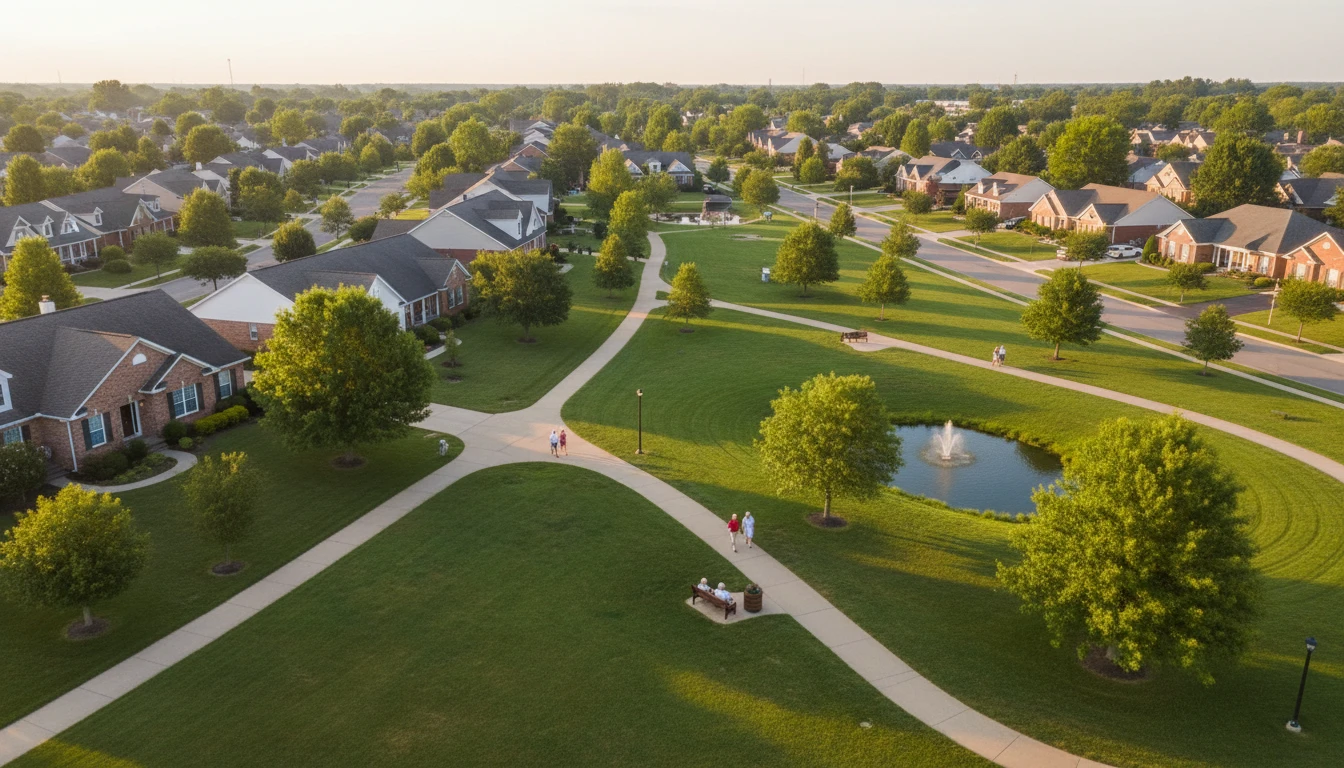
How Crime Rates Compare in Top Retirement Cities
Low crime does more than protect you physically. It shapes how freely you move through your community — whether you walk to the park in the evening, whether retirement feels like freedom or quiet anxiety. Among the best places to retire in the United States for safety, three cities stand out consistently:
Irvine, California has some of the lowest crime rates of any major U.S. city — a result of thoughtful urban planning and strong community investment. It is expensive, but the safety and livability it delivers are genuinely exceptional.
Naples, Florida combines low crime with an environment purpose-built for retirement: recreational facilities, waterfront access, a strong senior community, and a pace of life that feels genuinely relaxed without being dull.
Portland, Oregon offers abundant green space, walkable neighborhoods, and a strong community culture that creates safety through social cohesion. It suits retirees who value a Pacific Northwest lifestyle and want nature close by.
Essential Retirement Amenities Worth Evaluating
When evaluating any location, these three categories should be non-negotiable:
- Healthcare access — not just a hospital, but proximity to specialists, quality of facilities, and how emergency care functions in that area
- Recreational facilities — senior fitness amenities, walking and biking paths, pools, arts programs, and educational opportunities that keep you active and engaged
- Transportation options — as driving becomes less central to daily life, reliable transit or community shuttles directly support independence
Frequently Asked Questions
What is the impact of community size when choosing the best places to retire in the United States?
Larger communities offer more variety — more classes, more social groups, more amenities — while smaller communities foster closer relationships and a quieter atmosphere. Neither is objectively better; it depends on whether you thrive with social variety or prefer a tighter-knit, peaceful setting.
How do I assess healthcare quality before moving to a retirement area?
Research hospital quality ratings through Medicare’s Care Compare tool, review specialties offered, and check distance to the nearest major medical center. If possible, visit and tour healthcare facilities in person — it gives you a sense of the environment no website can fully convey.
What factors most influence cost of living in retirement cities?
Housing prices are the biggest driver, followed by state and local taxes, healthcare costs, and everyday expenses like groceries and utilities. Your personal lifestyle choices — dining out, travel, hobbies — also matter significantly. Run the full numbers before committing, not just housing costs.
Are there special programs for retirees in different states?
Yes — many states offer property tax exemptions, senior transportation programs, utility assistance, and healthcare supports specifically for older adults. Local Area Agencies on Aging are excellent resources for identifying what is available in any specific community.
How important is public transportation when choosing a retirement destination?
Increasingly important as retirement progresses. Even if you drive comfortably now, evaluating transit options is smart long-term planning. Reliable public transportation directly supports independence over time and expands access to healthcare, shopping, and social activities without a personal vehicle.
What role does social connection play in retirement happiness?
It is one of the most significant predictors of retirement satisfaction and longevity. Strong social engagement reduces isolation, lowers stress, improves cognitive function, and contributes directly to mental health. Communities with active clubs, volunteer programs, events, and shared spaces make this happen naturally.
Conclusion
The best places to retire in the United States in 2026 offer a genuine range across budget levels, climate preferences, and healthcare priorities. (7) Florida and Texas lead for tax advantages and affordability. Minnesota and Massachusetts lead for healthcare. Southern California and Arizona deliver climate and outdoor lifestyle for retirees who place daily quality of life first.
The common thread: the best places to retire reward retirees who do the research, visit before committing, and match their real priorities — honestly assessed — to what specific cities actually deliver. (8) Talk to residents. Check the healthcare system, not just the brochure. The right place is out there. Finding it is a research project worth doing right.
About the Author
Josh Gibson is the founder of Vanika.com, a retirement-focused resource dedicated to helping individuals better understand retirement income, Social Security, pensions, taxation, and financial planning for retirement.
With over a decade of experience in digital publishing, SEO, and content strategy, Josh currently serves as the Search Engine Optimization Manager at IC-Agency, where he leads content and search optimization initiatives for various online brands.
Through Vanika, Josh combines his expertise in research-driven content creation with a strong interest in retirement education, helping readers access clear, trustworthy, and easy-to-understand information sourced from reputable organizations, government agencies, and financial resources.
Vanika’s editorial approach focuses on accuracy, transparency, practical guidance, and regularly updated content designed to support retirees and pre-retirees in making informed decisions.
For inquiries or collaborations:
Email: josh[at]vanika.com