
What Causes Vertigo in the Elderly: Symptoms, Diagnosis, and Treatment Options
Wondering what causes vertigo in the elderly? The answer often involves the inner ear, medications, balance changes, or more serious medical issues.
If you’ve ever watched an older parent or grandparent suddenly stop mid-step, reach for the wall, and say, “The room is spinning,” you know how unsettling vertigo can be. It doesn’t just feel dramatic in the moment — it can shake a person’s confidence long after the episode passes. A quick walk to the bathroom starts feeling risky. Getting out of bed becomes a strategic event. Even turning your head too fast can feel like you’re starring in a very low-budget amusement park ride nobody asked for.
That’s why so many families start searching for one question: what causes vertigo in the elderly? And honestly, it’s the right question. Vertigo isn’t a condition by itself so much as a symptom with a backstory. Sometimes the cause is fairly straightforward, like a common inner ear problem. Other times, it points to medication side effects, blood pressure changes, or a neurological issue that needs attention.
I’ve noticed that people often use the words dizziness and vertigo like they mean the same thing. They don’t, exactly. Dizziness is a broad umbrella. Vertigo is more specific — it’s that spinning, tilting, or off-balance sensation that makes the world feel like it shifted half an inch to the left and forgot to tell you. In older adults, that sensation matters because it raises the risk of falls, injuries, anxiety, and loss of independence.
The good news? Once you understand what causes vertigo in the elderly, the path to diagnosis and treatment gets a whole lot clearer. So let’s walk through the most common causes, the symptoms to watch for, how doctors figure out what’s going on, and which treatments actually help.
Why Vertigo Is So Common in Older Adults

Aging affects the body in obvious ways, sure. But it also changes the systems we don’t think about much — like balance. Staying upright is actually a team effort involving the inner ear, the eyes, the brain, the joints, the muscles, and the nerves. When all of those systems communicate well, balance feels automatic. When one of them starts sending mixed signals, things can get wobbly fast.
That’s one reason what causes vertigo in the elderly isn’t always a simple question with a one-line answer. In many cases, more than one factor is at play. An older adult might have a mild vestibular issue, be taking medications that lower blood pressure, and also have weaker balance reflexes than they did ten years ago. None of those alone may seem dramatic, but together? That can absolutely produce vertigo or instability.
Research supports this layered picture. In a 2021 review, otolaryngologist AP Casani noted that dizziness and vertigo in older adults often fall into three broad categories: ear-related causes, central neurological causes, and functional or psychological causes. The review also pointed out something encouraging — vestibular and physical rehabilitation are widely recommended and rarely off-limits, even in older adults managing several health conditions at once.
So yes, age raises the odds of vertigo. But age alone isn’t the full explanation. To really understand what causes vertigo in the elderly, you have to look at the most common trouble spots.
The Inner Ear: The Most Common Culprit
Benign Paroxysmal Positional Vertigo (BPPV)
If vertigo had a usual suspect, it would be BPPV. This is one of the most common answers to the question what causes vertigo in the elderly, and by one large series, it’s responsible for about 42% of diagnosed cases in older patients. That study, published in Vertigo, Dizziness and Imbalance in the Elderly in 2008, found that peripheral or inner-ear vertigo made up the vast majority of cases.
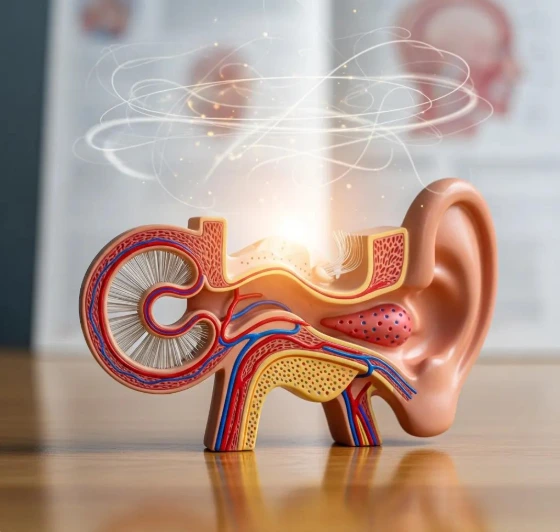
BPPV sounds intimidating, but the basic idea is surprisingly simple. Tiny calcium crystals in the inner ear — sometimes called otoliths — drift into a part of the ear where they don’t belong. Once that happens, certain head movements can trigger sudden spinning sensations. Rolling over in bed is a classic one. Looking up to reach a shelf can do it too. So can bending down to tie a shoe or pick up a dropped grocery bag.
It’s a weird condition, partly because the trigger can be so ordinary. One second you’re getting a sweater from the closet, and the next second your brain is convinced gravity has become a group project. But BPPV is also one of the more treatable causes of vertigo. A clinician can often confirm it with a bedside test and treat it with a repositioning technique, such as the Epley maneuver, which guides those crystals back where they belong.
Vestibular Neuritis
Another common inner ear cause is vestibular neuritis, which happens when the vestibular nerve becomes inflamed, often after a viral infection. Unlike BPPV, which usually causes short bursts of spinning, vestibular neuritis tends to cause longer-lasting dizziness and imbalance. An episode may last hours or even days, and it can come with nausea, vomiting, and real difficulty walking steadily.
For older adults, this kind of vertigo can be exhausting. It’s not just the spinning. It’s the way the whole body starts doubting itself. Suddenly, getting from the bed to the kitchen feels like an event requiring planning, nerve, and maybe a chair halfway there.
Ménière’s Disease and Other Inner Ear Problems
Ménière’s disease is another possible answer to what causes vertigo in the elderly, though it’s less common than BPPV. It’s linked to abnormal fluid buildup in the inner ear and tends to cause recurring episodes of vertigo along with hearing loss, tinnitus, and a sense of fullness in the ear. Episodes can last much longer than BPPV — sometimes 20 minutes, sometimes several hours.
Other inner ear disorders can also disrupt the balance system, including age-related vestibular decline. Sometimes there isn’t one dramatic diagnosis. Sometimes the issue is that the balance structures themselves just aren’t as sharp and responsive as they used to be.
Can Medications Cause Vertigo in the Elderly?

Yes — and more often than people realize.
When families ask what causes vertigo in the elderly, they usually think about the ears first. That makes sense. But medications deserve a starring role in the conversation. Older adults are more likely to take several prescriptions at once, and some of the most common ones can affect balance, blood pressure, alertness, or coordination.
A few medication types are especially worth reviewing:
- Blood pressure medications, which can sometimes cause a drop in pressure when standing up
- Sedatives and sleep aids, which may slow reaction time and affect coordination
- Some antidepressants, especially those that influence the central nervous system
- Diuretics, which can contribute to dehydration or electrolyte imbalances
- Certain antibiotics, including some that can affect the inner ear
This is one reason regular medication reviews matter so much. The culprit may not be a brand-new prescription, either. A medication someone has tolerated for years can suddenly become a problem when another drug is added, a dose changes, kidney function shifts, or hydration worsens.
I always think this part gets underestimated because it’s not flashy. Nobody says, “Ah yes, my thrilling plot twist was an antihypertensive.” But medication-related vertigo is real, common, and often fixable.
Neurological and Cardiovascular Causes
Not every case of vertigo starts in the ear. Sometimes the source is in the brain or cardiovascular system, and those causes need prompt attention.
When It Might Be Something More Serious
Stroke and transient ischemic attack (TIA) can sometimes mimic vertigo, especially when the dizziness starts suddenly and feels intense. In these cases, the spinning or imbalance may appear alongside other warning signs — weakness, facial droop, slurred speech, double vision, confusion, severe headache, or trouble coordinating movement.
That matters because when people ask what causes vertigo in the elderly, they’re not just asking about comfort. They’re also asking about safety. A sudden balance problem in an older adult may be a benign inner ear issue. But it may also be a sign that urgent medical evaluation is needed.
Cardiovascular problems can play a role too. Irregular heart rhythms, poor circulation, or drops in blood pressure can all create symptoms that look or feel like vertigo. Sometimes the person describes spinning. Sometimes they just say they feel faint, swimmy, or “not right.” Those descriptions may sound vague, but they’re often worth taking seriously.
What Vertigo Actually Feels Like — And What to Watch For
Vertigo doesn’t feel the same for everyone, but a few patterns come up again and again. The most classic description is spinning — either the room feels like it’s moving, or the person feels like they are. But older adults may not always use the word spinning. They might say they feel pulled to one side, suddenly unsteady, or like the ground has become unreliable.
Common symptoms include:
- A spinning or whirling sensation
- Loss of balance or unsteady walking
- Nausea, sometimes with vomiting
- Trouble focusing visually when moving
- A floating, tilting, or rocking feeling
- Increased symptoms when turning over in bed or moving the head quickly
Caregivers may notice the symptoms before the older adult names them clearly. Maybe they start walking more cautiously. Maybe they reach for furniture more often. Maybe they hesitate before stairs or stop going out because busy spaces suddenly feel overwhelming. These little shifts can be easy to miss at first, but they tell a story.
And if you’re helping a parent or loved one through this, keeping notes really does help. When did the episode happen? How long did it last? Was there hearing loss, headache, nausea, or a recent medication change? That kind of detail can make diagnosis much easier.
How Vertigo Gets Diagnosed
The Tests That Actually Matter
Diagnosing vertigo in older adults is a little like detective work. There’s no one perfect test that instantly answers what causes vertigo in the elderly. Instead, doctors look at timing, triggers, symptoms, medical history, and exam findings.
A typical workup may include:
- Vestibular function tests to see how well the balance organs and reflexes are working
- Hearing tests, since hearing changes often point toward inner ear causes
- Imaging such as MRI or CT, especially if a central neurological cause is suspected
For BPPV, clinicians often use a bedside exam called the Dix-Hallpike test, which helps trigger and observe the characteristic eye movements associated with positional vertigo. It’s not exactly anyone’s favorite party trick, but it can be extremely useful.
Doctors will also review medications, blood pressure patterns, heart history, hydration, and neurological symptoms. That broader view matters because vertigo in older adults is often multifactorial. The goal isn’t just to confirm that vertigo is happening. It’s to understand why.
Treatment Options That Actually Work
Treatment depends on the cause — which sounds obvious, but it’s worth saying because the best approach for BPPV is very different from the best approach for medication-related dizziness or a neurological issue.
Vestibular Rehabilitation Therapy (VRT)
One of the most effective long-term treatments for many vestibular disorders is vestibular rehabilitation therapy, or VRT. This is a specialized form of physical therapy designed to help the brain adapt to balance problems and use other sensory information more effectively.
It’s not glamorous. Nobody comes home from vestibular rehab saying, “You won’t believe how sexy my gaze stabilization exercises were today.” But it works. A 2016 review by SL Whitney found that vestibular rehabilitation can reduce dizziness, improve balance and gait, lower fall risk, and improve quality of life in people with vestibular dysfunction. For older adults, that’s huge.
VRT often includes targeted balance exercises, head-movement training, and activities that improve visual stability. Progress can take time, but many older adults become noticeably steadier and more confident with consistent practice.
Medications: Sometimes Useful, Never Casual
Short-term medications may help during severe vertigo episodes, especially when nausea is part of the picture. Depending on the cause, clinicians may use antihistamines, antiemetics, or — in limited cases — medications with sedating effects.
But this is where caution matters. Older adults are more sensitive to side effects, and medicines used to calm vertigo can sometimes increase confusion, drowsiness, and fall risk. So the goal is usually short-term relief, not long-term dependence.
Repositioning Maneuvers and Cause-Specific Care
If BPPV is the problem, repositioning maneuvers such as the Epley maneuver are often the first-line treatment. If medication is the issue, reviewing and adjusting prescriptions may bring major improvement. If dehydration, low blood pressure, or another medical problem is contributing, treatment needs to target that cause directly.
In other words, there isn’t one universal vertigo fix. But there are several very effective ones once the cause is clear.
Prevention: Small Habits That Make a Big Difference
If you want to reduce future episodes, prevention matters — especially because vertigo in older adults can create a frustrating cycle. A person feels dizzy, so they move less. Then they lose strength and balance confidence. Then they become more vulnerable to falls and future dizziness. Not exactly a helpful loop.
Balance Exercises and Physical Activity
Balance-focused movement can make a real difference. Good options include:
- Tai chi
- Gentle yoga
- Strength training designed for older adults
- Simple home balance exercises recommended by a clinician or physical therapist
Even modest, regular practice can improve stability. And for many older adults, that confidence boost matters just as much as the physical gain.
Hydration and Everyday Habits
Basic habits help more than people expect. Staying hydrated, getting enough sleep, standing up slowly, and avoiding sudden head movements can all reduce episodes in some cases. So can cutting back on alcohol or excessive caffeine, depending on the person and the trigger.
Medication Review and Routine Checkups
A regular review of prescriptions, blood pressure, hearing, and cardiovascular health can catch problems before they snowball. It’s not glamorous prevention. But then again, neither is a fall — and I know which one I’d rather choose.
Supporting an Older Adult With Vertigo
If you’re a caregiver or family member, practical support matters a lot. Small changes at home can reduce risk and make someone feel more secure.
Helpful adjustments may include:
- Removing loose rugs and other tripping hazards
- Improving lighting in hallways and bathrooms
- Adding grab bars where needed
- Making sure commonly used items are easy to reach
- Accompanying the person to appointments and helping track symptoms
But support isn’t only physical. Vertigo can be surprisingly discouraging. It can make someone feel fragile, embarrassed, or reluctant to leave the house. A calm, matter-of-fact kind of support goes a long way — not panic, not minimizing, just steady help.
Frequently Asked Questions
What are the most common causes of vertigo in the elderly?
The most common causes include inner ear disorders such as BPPV and vestibular neuritis, medication side effects, age-related balance system changes, and less commonly neurological or cardiovascular conditions.
Can vertigo go away on its own?
Sometimes, yes. BPPV may improve on its own, and some acute vestibular conditions settle with time. But persistent, recurrent, or severe symptoms should be evaluated, especially in older adults with fall risk.
What should someone do during a vertigo episode?
They should sit or lie down right away in a safe place, avoid sudden head movement, and wait for the spinning to pass. If the episode comes with weakness, severe headache, slurred speech, chest pain, or vision changes, seek urgent care immediately.
Is vertigo dangerous for older adults?
Vertigo itself may not always be dangerous, but the fall risk it creates absolutely can be. It can also reduce mobility and confidence if left untreated.
Can family members help with diagnosis?
Yes. Tracking when episodes happen, how long they last, what triggered them, and whether symptoms like hearing changes or nausea are present can be very helpful during medical appointments.
The Bottom Line
So, what causes vertigo in the elderly? Most often, it comes down to inner ear disorders, medication effects, age-related balance changes, or — in some cases — neurological or cardiovascular problems that need prompt attention. The exact cause matters, because treatment works best when it’s tailored to the reason the vertigo is happening in the first place.
The encouraging part is that many cases are manageable. Repositioning maneuvers can help with BPPV. Vestibular rehabilitation can improve balance and reduce symptoms. Medication reviews can uncover hidden triggers. And small daily habits can lower the odds of future episodes.
If there’s one takeaway I’d leave you with, it’s this: vertigo in older adults is common, but it isn’t something people should just “put up with.” When you understand what causes vertigo in the elderly, you’re in a much better position to get answers, reduce fall risk, and help an older adult feel steady — physically and emotionally — again.