Senior Recreation: Fun, Fitness, Friends, and Fresh Air (Without Feeling Like a “Program”)
A practical, upbeat guide to senior recreation—fitness, social groups, outdoor fun, hobbies, and tech that keeps you moving and connected.
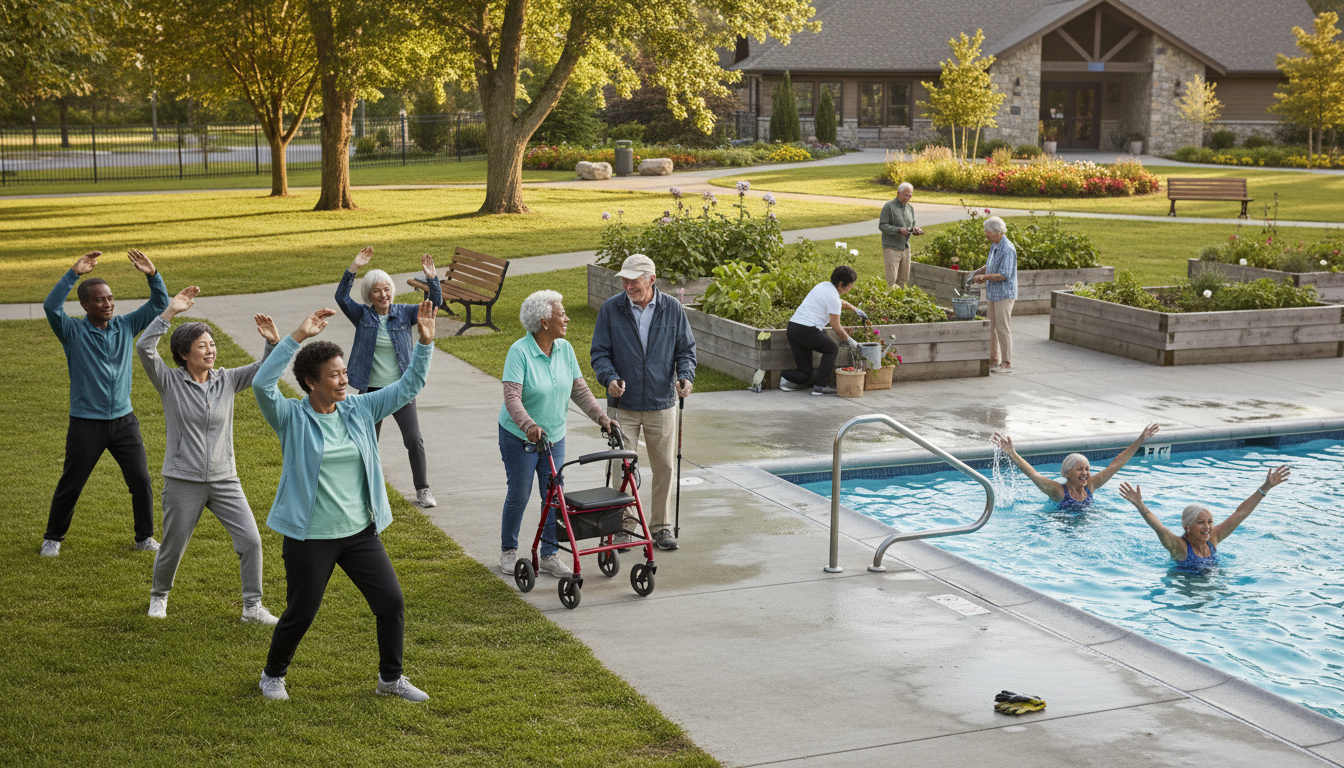
Senior recreation is one of those phrases that can sound a little… clipboard-y. Like someone’s about to hand you a schedule printed in 12-point font and strongly encourage you to “participate.” But in real life, senior recreation is simply the stuff that makes your days feel good—moving your body, laughing with people, getting outside, learning something new, and finding a rhythm that keeps you feeling like you.
I’ve seen it up close. I’ve watched older friends light up the moment they find the right class, the right walking buddy, or the right hobby that makes them forget to check the clock. And I’ve also seen what happens when activity and connection quietly disappear—days blur together, motivation dips, and the world starts to feel smaller. The good news? Senior recreation is one of the easiest ways to make life bigger again.
This guide is here to help you find the best senior recreation options—without overwhelm, without fluff, and without pretending everyone wants to join a competitive pickleball league (although… some people really do). We’ll cover senior fitness programs that support mobility, social groups that make it easier to meet people, outdoor activities that boost mood, hobbies that keep your mind sharp, and the ways technology can make it all more accessible.
Let’s make this practical, fun, and doable.
Why Senior Recreation Matters (Even If You’re “Not the Group Activity Type”)
Senior recreation isn’t just about entertainment. It’s a health strategy in comfortable shoes.
Staying active supports balance, strength, and independence. Staying connected supports mental health and resilience. And the combo—movement plus social engagement—is where the magic happens. The National Institute on Aging emphasizes that regular physical activity helps older adults maintain strength, improve balance, and reduce the risk of chronic disease, while also supporting brain health and mood. That’s a pretty strong return on investment for something that can look like a morning walk and a weekly coffee meetup.
Also, let’s talk about the sneaky part: isolation. It doesn’t always show up as loneliness. Sometimes it shows up as, “I’m fine, I just don’t feel like going out.” But the health impact is real. The U.S. Surgeon General’s advisory on loneliness and isolation (2023) outlines how social disconnection is linked with increased risk of premature mortality and other negative health outcomes. Translation: people need people. Even introverts. (Yes, even the ones who say they don’t.)
Senior recreation is the friendly bridge between “I should probably do something” and “Wait, I’m actually enjoying this.”
Senior Fitness Programs That Improve Health, Mobility, and Confidence
If senior recreation had a “starter pack,” it would include movement that feels safe, sustainable, and surprisingly satisfying.
The best senior fitness programs aren’t about intensity. They’re about consistency. They help you:
- keep joints moving,
- maintain muscle (which supports balance and daily tasks),
- protect bone health,
- and reduce fall risk.
The Centers for Disease Control and Prevention (CDC) recommends older adults aim for 150 minutes of moderate aerobic activity per week, plus muscle-strengthening activities on at least two days, and activities that improve balance. That sounds like a lot until you realize it can be broken into small, manageable chunks—ten minutes here, fifteen minutes there.
Low-Impact Exercises That Help Seniors Prevent Falls and Stay Active
Low-impact doesn’t mean low-benefit. It means your joints don’t feel like they’re filing a complaint.
Here are three foundational, low-impact options that fit beautifully into senior recreation routines:
Walking (The “Works for Almost Everyone” Classic)
Walking improves cardiovascular health, supports mood, and keeps legs and hips strong—major players in balance. It’s also wildly adjustable: pace, distance, terrain, and time can all match your current ability.
Try this: pick a “minimum walk.” Mine is 10 minutes. It’s the walk you can do even on an “ugh” day. Most weeks, you’ll naturally do more. But the minimum keeps the habit alive.
Yoga (Flexibility + Balance, Without the Drama)
Yoga helps with flexibility, posture, and balance. It also tends to improve body awareness, which matters more than people realize. When you know where your body is in space, you move with more confidence.
If getting up and down from the floor is a concern, look for:
- chair yoga
- gentle yoga
- restorative yoga
Strength Training (The Quiet Superpower)
Strength training helps maintain muscle mass and function—both of which naturally decline with age if we do nothing. And muscle is not just for “looking toned.” It’s for carrying groceries, getting up from chairs, climbing stairs, and keeping your independence.
You don’t need heavy weights. Many senior recreation programs use:
- resistance bands
- light dumbbells
- bodyweight movements (like wall push-ups)
If you want a simple start: sit-to-stands from a sturdy chair are shockingly effective and wonderfully practical.
Water Aerobics, Tai Chi, and Chair Exercises: Senior Recreation Favorites for a Reason
These three are staples in senior recreation because they’re joint-friendly, scalable, and—bonus—often social.
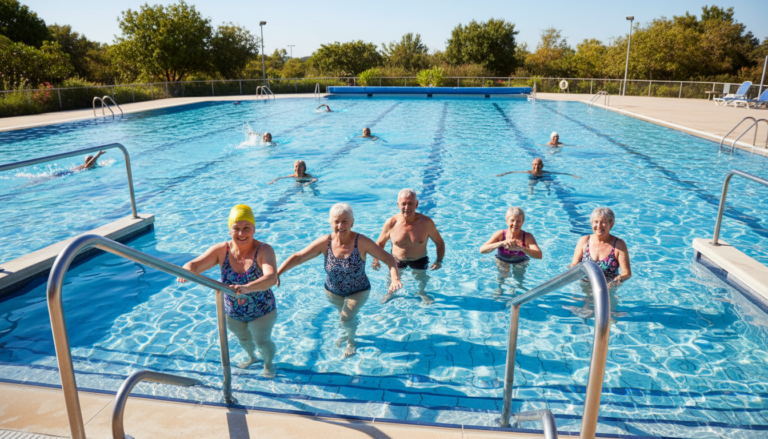
Water Aerobics (Joint-Friendly Cardio That Doesn’t Feel Like Punishment)
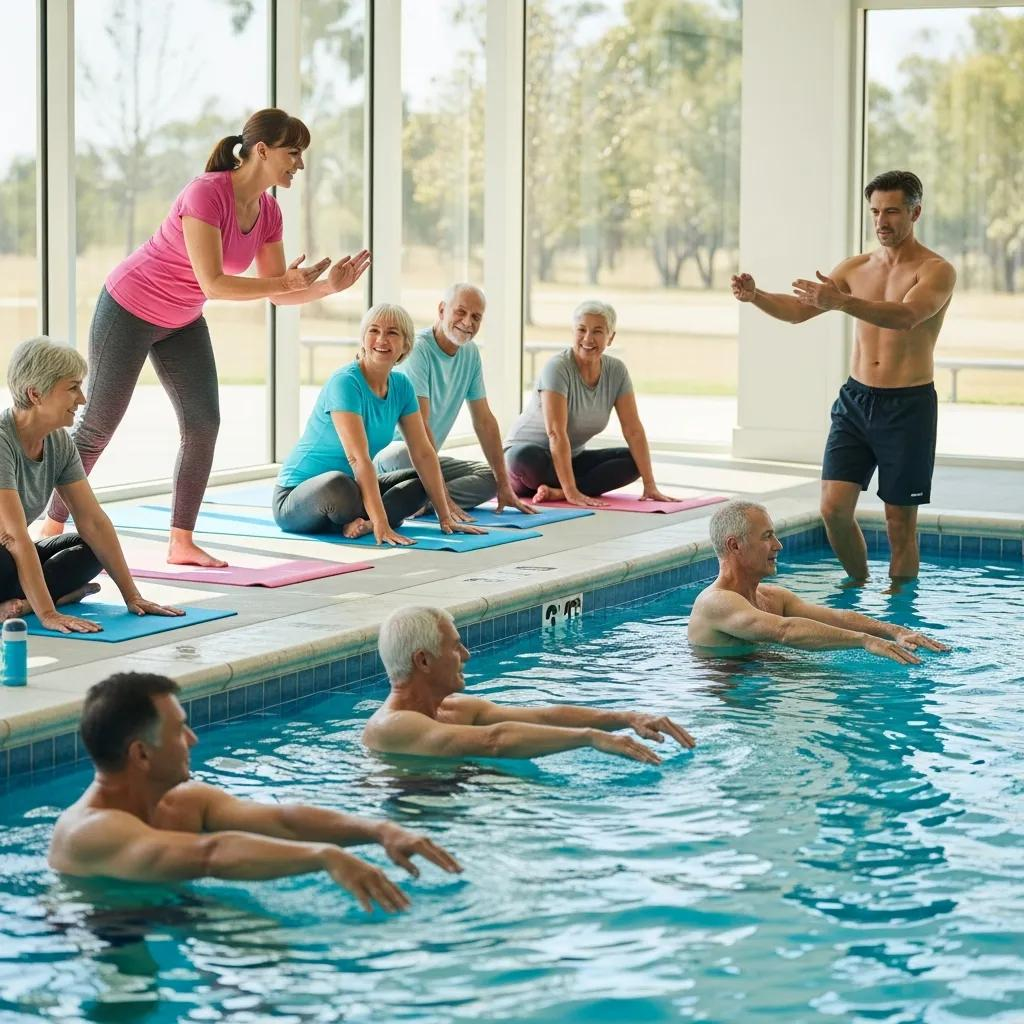
Water supports your body weight, reducing stress on joints. That makes it ideal for seniors with arthritis, joint pain, or limited mobility. And you still get resistance, which strengthens muscles.
Also, water aerobics classes tend to have great vibes. People chat. People laugh. Someone always has the best swim cap. It’s wholesome in the best way.
Tai Chi (Balance Training Disguised as Slow Motion Dancing)
Tai Chi improves balance, coordination, and calm. It’s gentle but powerful. A meta-analysis published in the Journal of the American Geriatrics Society found Tai Chi can reduce falls in older adults—one reason it’s frequently recommended as part of fall prevention efforts.
It’s also great for people who don’t enjoy “traditional exercise.” Tai Chi feels more like practice than workout.
Chair Exercises (Accessible, Effective, and Way More Legit Than They Sound)
Chair exercises can build strength, mobility, and circulation while reducing fall risk. They’re ideal if:
- standing for long periods is tough,
- balance is a concern,
- or you’re coming back from injury.
Plenty of senior recreation programs offer chair-based strength and stretching classes, and they’re often a perfect “on-ramp” to more activity.
How Seniors Can Find Social Groups (Without It Feeling Like Speed Dating)
Senior recreation isn’t just about movement—it’s about belonging. And if you’ve ever tried to “make friends as an adult,” you already know it can feel weird. Like… where do you even start? Do you compliment someone’s cardigan? Offer them a muffin? (Both are acceptable, by the way.)
The easiest way to build connections is to join something that meets regularly. Consistency creates familiarity, and familiarity creates friendship.
Senior Social Clubs and Community Centers: The Underrated Social Hub
Community centers and senior centers are senior recreation gold mines. They offer:
- planned activities (so you don’t have to invent social life from scratch),
- a variety of interest-based groups,
- and a low-pressure environment where “showing up” counts as success.
Common options include:
- book clubs
- dance classes
- craft circles
- fitness programs
- educational talks
- game afternoons
If you’re thinking, “I don’t want to join a ‘senior’ anything,” I get it. But here’s my gentle push: go once. Just once. If it’s not your vibe, you’re free. But you might be surprised by how normal—and genuinely fun—these places can be.
Volunteering and Travel Groups: Social Senior Recreation with a Purpose
Some people connect best when they’re doing something that matters. Volunteering and travel are perfect for that.
Volunteering
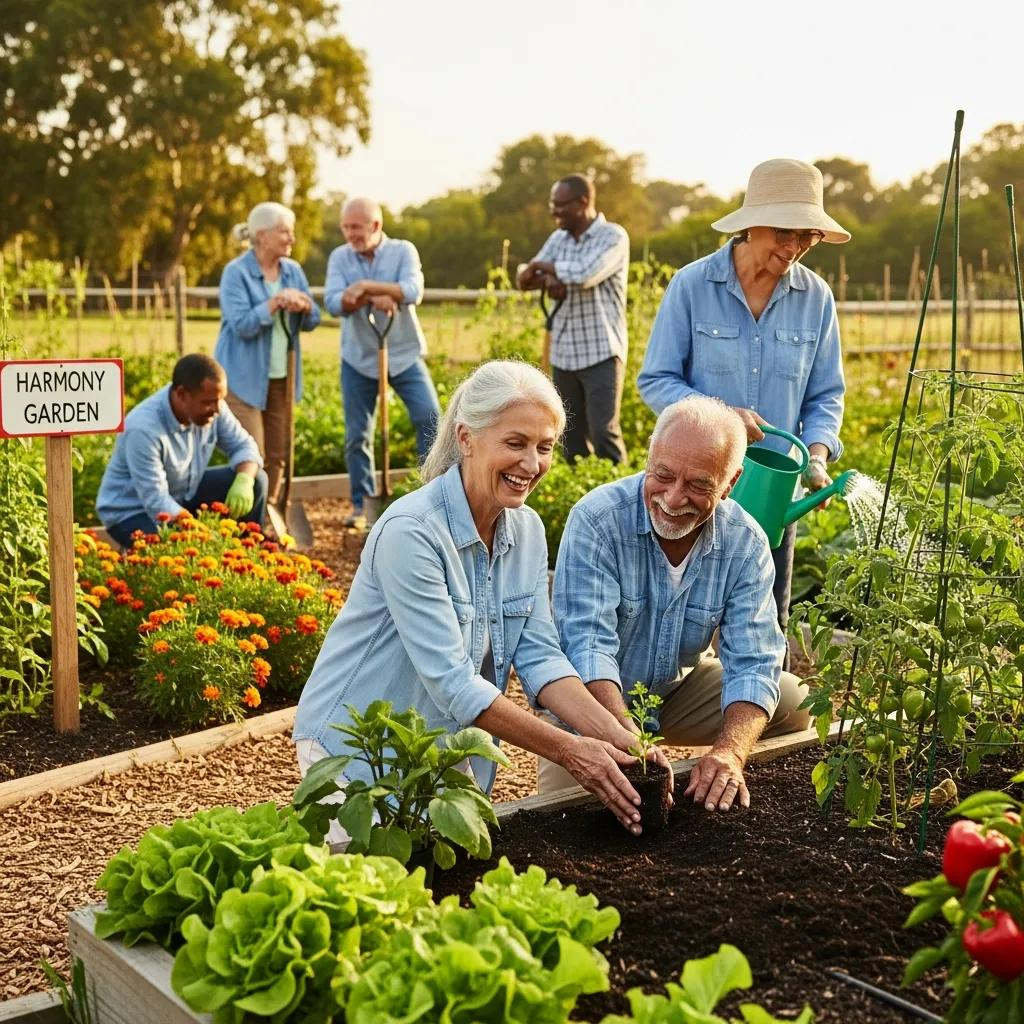
Volunteering builds routine, identity, and community. It also creates natural conversation because you’re working alongside others. Many seniors find volunteering gives them that “I’m still needed” feeling—and that’s huge.
Ideas that fit well into senior recreation:
- library helper
- museum docent
- community garden volunteer
- food bank support
- mentoring/tutoring
- animal shelter assistant
Travel Groups
Senior travel groups take the mental load off planning while giving you built-in companions. They’re often designed with pacing and accessibility in mind. If you’ve ever traveled with someone who insists on a 6 a.m. itinerary, you’ll appreciate that.
Travel is also fantastic cognitive stimulation: new places, new routines, new stories. Even short, local day trips count as senior recreation and can be easier to manage than big vacations.
Outdoor Senior Recreation That Boosts Mood, Energy, and Overall Well-Being
If you’ve ever stepped outside and felt your shoulders drop a little, you already understand why outdoor senior recreation matters. Nature has a way of resetting the nervous system.
And the great thing? Outdoor activities don’t need to be extreme to be beneficial. You don’t have to “conquer” anything. Just go outside and participate in the world.
Accessible Outdoor Activities Seniors Can Actually Stick With
Here are three outdoor senior recreation activities that are low barrier and high reward:
Walking Trails and Park Paths
Look for:
- paved or well-maintained paths
- benches for breaks
- shaded areas
- gentle elevation
Bonus tip: if safety is a concern, pick places with steady foot traffic—busy parks feel more comfortable.
Bird Watching (The Most Peaceful Treasure Hunt)
Bird watching is calm, purposeful, and surprisingly addictive. It gets you outdoors with a “mission,” which can be more motivating than “just go for a walk.”
And if you join a local birding group, it doubles as social senior recreation. People love sharing what they spot—like Pokémon, but with feathers.
Gardening (Movement + Mindfulness + Little Wins)
Gardening offers light strength work, mobility, and a deep sense of satisfaction. It’s also a wonderful way to connect with neighbors or community groups. Raised beds, container gardening, and adaptive tools make it accessible for many seniors.
There’s something about nurturing a living thing that feels quietly heroic.
How Nature Walks, Gardening, and Bird Watching Support Senior Wellness
Outdoor senior recreation supports wellness in a few key ways:
- Mood support: sunlight and movement can help regulate sleep and mood.
- Stress reduction: nature exposure has been linked to lower stress markers in multiple studies on green space and mental health.
- Gentle consistency: outdoor activities often feel easier to maintain than indoor workouts.
If you’re not sure where to start, start tiny: ten minutes outside after breakfast. That’s it. Build from there.
Hobbies and Cognitive Activities That Keep the Brain (and Spirit) Sharp
Senior recreation isn’t complete without something that challenges the mind or feeds your curiosity. And yes—scrolling social media technically involves your brain, but I’m not sure “doomscroll endurance” is the cognitive skill we’re aiming for.
The goal here is mental engagement: activities that involve learning, problem-solving, creativity, or memory.
Brain Games and Learning Activities for Cognitive Support
These are solid, proven options within senior recreation routines:
Puzzles and Word Games
Crosswords, Sudoku, jigsaws, logic puzzles—these help with attention and problem-solving. There’s also evidence that mentally stimulating leisure activities are associated with better cognitive function over time. A well-known study from Rush University (often referenced through the Rush Memory and Aging Project) has linked cognitive activities in older adults with slower cognitive decline. The point isn’t “solve puzzles to never forget anything.” It’s “keep the brain practicing.”
Memory Games
Simple matching games, recall games, or even “name that tune” style challenges can be fun and social. Memory work is easier to stick with when it feels like play.
Online Learning (Yes, It Counts as Recreation)
Learning is senior recreation with a long-term payoff. Taking an online course—history, photography, nutrition, language—keeps you engaged and gives you something to talk about with others.
And honestly, it’s a great conversation starter: “I’m taking a class on astronomy” sounds way cooler than “I watched three episodes of the same show again.”
Art Classes, Music, and Crafts: Creative Senior Recreation That Feels Like Therapy
If you want senior recreation that’s relaxing and stimulating at the same time, creative hobbies are it.
Art Classes
Painting, drawing, ceramics, collage—creative outlets reduce stress and boost mood. They also encourage you to notice details, which is a sneaky kind of mindfulness.
Music (Listening Counts, But Playing Is Next-Level)
Music activates multiple brain regions. Singing in a group adds breathing support, social connection, and a sense of belonging. Choirs and community music groups are fantastic senior recreation options even for beginners.
Crafts
Knitting, quilting, woodworking, scrapbooking—crafts improve fine motor skills and give you tangible progress. Plus, craft groups are basically social clubs with a built-in activity (which removes the awkward “So… what do we talk about?” problem).
How Technology Makes Senior Recreation Easier (and Sometimes More Fun)
Technology can be annoying, yes. Passwords are basically modern riddles. But when it comes to senior recreation, tech can be a genuine helper—especially for seniors who can’t easily get out or who want more options at home.
Online Fitness Programs and Apps for Older Adults
A few popular senior recreation-friendly options include:
- SilverSneakers (often included with Medicare Advantage plans): offers both in-person and online classes focused on strength, balance, flexibility.
- FitOn: provides workout videos, including low-impact and beginner-friendly routines.
- MyFitnessPal (nutrition tracking): helpful for seniors managing health goals or dietary needs.
Online classes are especially useful when:
- weather is bad,
- transportation is tricky,
- or you simply prefer home workouts in pajamas (which I support).
Virtual Reality and Smart Devices: Staying Active and Connected
This is the “future is now” part of senior recreation.
Virtual Reality (VR)
VR can make movement feel like an experience instead of exercise. Some programs offer:
- guided virtual travel
- interactive games that encourage motion
- immersive relaxation experiences
It’s not for everyone, but for the right person, it can be a game-changer—especially if motivation is a challenge.
Smart Devices and Wearables
Fitness trackers can monitor steps, heart rate, and activity levels, and some watches offer fall detection features. Smart speakers can:
- set reminders
- play guided workouts
- call family hands-free
- help with routines
Technology doesn’t replace human connection, but it can support it—like a helpful assistant that doesn’t mind repeating itself (unlike your nephew explaining how to use your phone “one last time”).
Building a Senior Recreation Routine You’ll Actually Keep
Here’s my favorite approach: don’t aim for perfect. Aim for repeatable.
A simple senior recreation routine includes:
- Movement (2–4 days/week): walking, water aerobics, chair strength, Tai Chi
- Social time (1–2 days/week): club, volunteer shift, travel meetup, group class
- Mind + creativity (most days, even briefly): puzzle, music, art, learning
If you’re just starting, choose one anchor activity and attach it to something you already do:
- after breakfast → 10-minute walk
- after lunch → chair stretching
- after dinner → puzzle or guitar practice
- Saturday morning → community center class
And if you miss a day? Welcome to being human. You don’t quit brushing your teeth because you forgot once. Same logic.
Safety Notes (Because Fun Is Better When You’re Not Injured)
Senior recreation should feel safe and empowering. A few practical tips:
- Talk with a healthcare provider if you’re starting new exercises, especially with heart conditions, balance issues, or chronic pain.
- Start lower than you think you need to. You can always add more.
- Choose supportive shoes for walking and outdoor activities.
- Prioritize balance work (Tai Chi, heel-to-toe walking, single-leg stands with support).
- Hydrate, especially in outdoor heat.
The goal is “better,” not “battered.”
Conclusion: Senior Recreation Is How You Keep Life Big
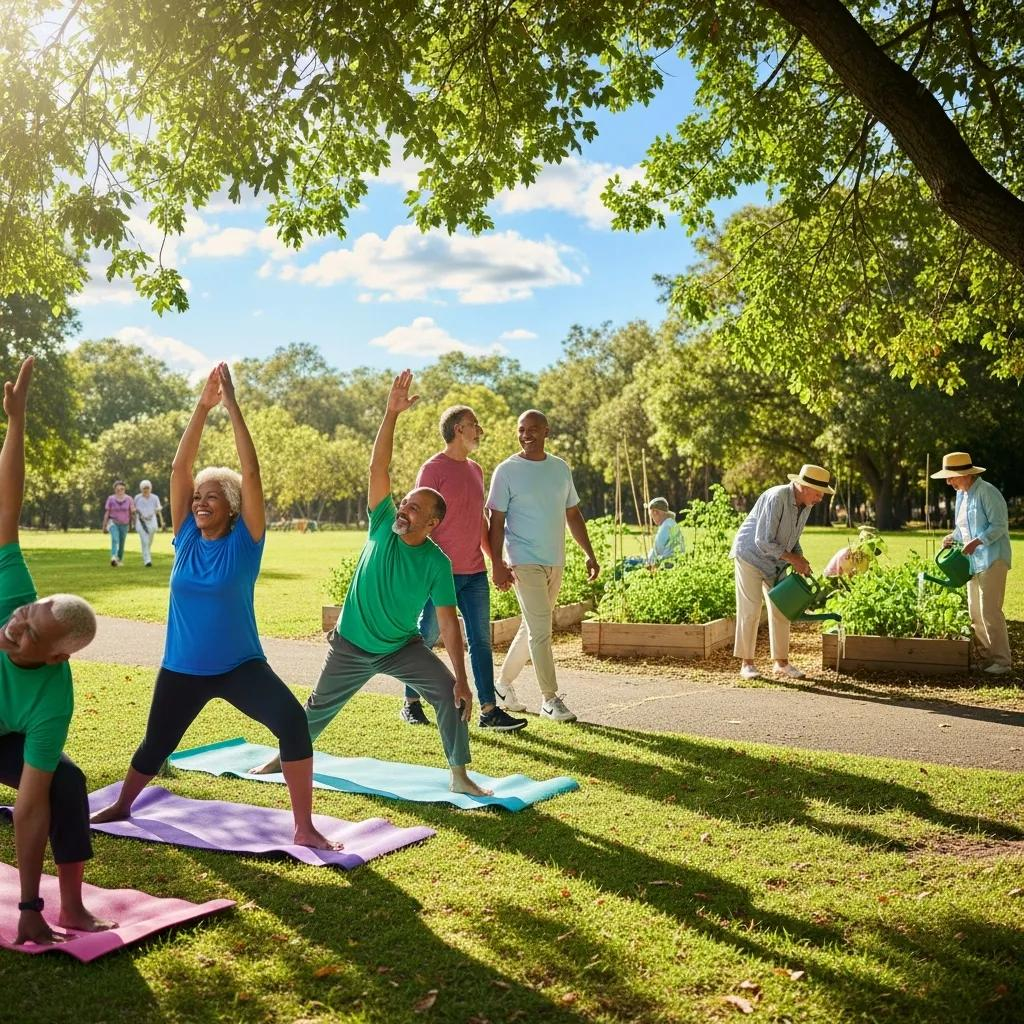
Senior recreation isn’t a bonus add-on to later life. It’s the foundation that supports independence, joy, and connection. It’s how you keep your body capable, your mind curious, and your calendar filled with things you actually look forward to.
If you’re thinking, “Okay, but where do I start?” here’s my honest answer: pick the easiest thing that sounds mildly enjoyable and do it this week. A short walk. A chair class. A community center visit. A beginner art session. Something small that creates momentum.
Because the truth is, senior recreation doesn’t require becoming a new person. It just asks you to keep showing up as the person you already are—curious, capable, and absolutely allowed to have fun.
And if anyone tells you recreation is “just for kids,” politely disagree… and then go beat them at bingo, Tai Chi, or bird identification. Your choice.
FAQ: Senior Recreation
What is senior recreation?
Senior recreation refers to activities designed to help older adults stay active, social, and mentally engaged. It can include fitness classes, outdoor activities, hobbies, volunteer work, and community events—basically anything that supports health and enjoyment while keeping life connected and interesting.
Why is senior recreation important for healthy aging?
Senior recreation supports the big three: mobility, mood, and connection. Regular movement helps maintain strength and balance, which supports independence. Social activities reduce isolation (a major health risk), and hobbies keep the brain engaged. The National Institute on Aging highlights that physical activity helps older adults maintain function and reduce risks tied to chronic conditions, while also benefiting mental health.
What are the best senior recreation activities for beginners?
If you’re just starting, choose something simple and low-pressure:
- Walking in a park or mall (great for all fitness levels)
- Chair exercise or chair yoga
- Water aerobics (especially joint-friendly)
- Tai Chi (excellent for balance)
- A community center game day or casual social club
The “best” beginner activity is the one you’ll actually do again next week.
Which senior recreation activities help prevent falls?
Falls are a big concern, and the most helpful senior recreation choices usually build leg strength + balance:
- Tai Chi (strong evidence for fall-risk reduction; often recommended in fall prevention programs)
- Strength training (resistance bands, light weights, sit-to-stands)
- Balance-focused walking drills (heel-to-toe with support, stepping patterns)
- Yoga or gentle mobility classes
The CDC also recommends balance and strength activities as key strategies for fall prevention.
What are good senior recreation options for arthritis or joint pain?
Look for low-impact activities that reduce joint stress while keeping you moving:
- Water aerobics / aquatic exercise
- Cycling on a stationary bike
- Gentle yoga or stretching classes
- Walking on flat, even surfaces
- Chair-based strength training
Many people find consistency matters more than intensity—small amounts done regularly tend to help more than occasional big efforts.
How can seniors find local senior recreation programs?
Start with places that already organize activities:
- Senior/community centers
- Local parks and recreation departments
- YMCA or gyms with senior classes
- Libraries (often host groups, classes, and events)
- Faith-based organizations
- Local volunteer organizations
If you’re not sure where to look, call your city’s parks and rec office and ask what senior recreation programs they offer (they usually have a list ready).
What if I’m shy or don’t know anyone—how do I join a group?
Totally normal. Try “structured social” senior recreation first—activities where the focus isn’t just talking:
- Classes (Tai Chi, art, water aerobics)
- Volunteer shifts
- Book clubs with discussion prompts
- Gardening groups
The easiest social trick is showing up consistently. Familiar faces turn into friendly faces faster than you’d think.
What are the best outdoor senior recreation activities?
Outdoor senior recreation is great for mood and energy, and it doesn’t have to be intense:
- Park walks or accessible trails
- Gardening (raised beds if needed)
- Bird watching
- Nature strolls with a group
- Outdoor stretching or gentle yoga
If balance is a concern, pick routes with benches and even surfaces, and go with a friend.
What hobbies count as senior recreation (besides exercise)?
A lot, actually—and these can be just as important as fitness:
- Puzzles, crosswords, Sudoku
- Art classes (painting, ceramics, drawing)
- Music (choir, lessons, or even curated listening)
- Crafts (knitting, quilting, woodworking)
- Cooking clubs, photography, language learning
If it keeps you engaged and gives you something to look forward to, it counts.
Can senior recreation really help with memory and brain health?
It can support cognitive function—especially when it includes learning, problem-solving, and social interaction. Mentally stimulating activities (like puzzles, learning new skills, or creative hobbies) are associated with better cognitive outcomes over time. The National Institute on Aging also notes that staying physically active and socially connected supports brain health as we age.
What are good at-home senior recreation ideas?
If getting out is hard (weather, transportation, caregiving responsibilities), at-home senior recreation still works:
- Online senior fitness classes (chair workouts, gentle strength, yoga)
- Guided stretching and balance routines
- Puzzles, crafts, music practice
- Video calls or online clubs
- Indoor “walking routes” at home (yes, laps count)
A smart approach is building a simple weekly rhythm: 2–3 movement days, 1–2 social touchpoints, and a daily hobby.
Which apps or online programs are best for seniors?
Popular senior-friendly options include:
- SilverSneakers (online + in-person senior classes; availability depends on your plan)
- FitOn (free workout videos with low-impact options)
- MyFitnessPal (nutrition and activity tracking)
If tech feels overwhelming, start with one app and keep it simple—basic tracking and a few short workouts are plenty.
How often should seniors do recreational activities?
A practical goal is to include senior recreation most days in some form:
- Movement: a few days a week (even 10–20 minutes counts)
- Social activity: at least weekly (more if possible)
- Mental/creative activity: several times per week
The CDC’s general guidance for older adults includes 150 minutes/week of moderate activity plus strength and balance work—but it’s fine to build up gradually.
What’s the safest way to start a new senior recreation routine?
- Start small (short sessions, low intensity)
- Choose low-impact options first (walking, water, chair exercises)
- Focus on consistency over pushing hard
- Use stable supports (chairs, railings) for balance moves
- Check with a healthcare provider if you have medical concerns or recent injuries
The goal is “I can do this again tomorrow,” not “I need to recover for a week.”