Comprehensive Guide to Retirement Residences: Senior Living Communities and Wellness Programs
Discover how retirement residences support senior wellness through life enrichment programs, assisted living, and vibrant community living.
Okay, real talk for a second.
When my family first started looking into retirement residences for my grandmother, I handled it the way most people handle things they don’t know how to handle — I panicked quietly, opened seventeen browser tabs, and convinced myself I needed to become an expert overnight. I read comparison charts. I downloaded PDFs with titles like “Navigating Senior Transitions: A Family Workbook.” I called my cousin who works in healthcare and talked for forty-five minutes without actually saying anything useful.
And through all of that, what I really wanted was just someone to sit down with me and say: here’s what this actually looks like. Here’s what matters. Here’s what you’re probably overthinking.
So that’s what I’m going to try to do here. No jargon. No corporate-speak. Just an honest, thorough look at retirement residences — what they are, what makes them good, what to watch out for, and how to find the right one for someone you love.
Because here’s the thing nobody tells you upfront: the best retirement residences aren’t sad places. They’re not the fluorescent-lit, institutional-smelling facilities that live rent-free in our collective imagination. The good ones — and there are a lot of good ones — are genuinely vibrant communities where people laugh, argue about books, grow tomatoes, take yoga classes, and occasionally destroy their grandchildren at trivia night. Once I actually started visiting places instead of just reading about them, my whole perspective shifted.
Yours might too.
What Is a Retirement Residence, Really?

Let’s Clear Up the Confusion First
A retirement residence is a living community designed specifically for older adults — but that description barely scratches the surface of what these places actually are. The term covers a pretty wide spectrum, from active independent living communities where seniors basically just have really great neighbors and don’t have to mow their own lawn, all the way to specialized memory care facilities that require a level of clinical expertise and emotional intelligence that honestly deserves more recognition than it gets.
What makes a retirement residence different from just downsizing to a smaller apartment? It’s the whole ecosystem around it. You’re not just getting a place to sleep — you’re getting a built-in social life, wellness programming, dining services, transportation, and a team of people whose entire professional purpose is making sure you’re not just getting by, but actually living well.
Here’s a quick breakdown of the main types:
- Independent living communities — for active seniors who want community, convenience, and connection without needing much hands-on support. Think: your own apartment, but with a restaurant downstairs and a yoga class on Tuesday mornings.
- Assisted living facilities — for those who need help with daily tasks like bathing, dressing, or managing medications, but still want to maintain as much independence as possible.
- Memory care communities — purpose-built environments for residents living with Alzheimer’s or other forms of dementia, designed around safety, routine, and meaningful engagement.
- Continuing care retirement communities (CCRCs) — the “we’ve thought of everything” option, offering multiple levels of care under one roof so residents can age in place as their needs evolve over time.
Each type has its own rhythm, culture, and cost structure. Which is exactly why the research phase matters — and why “nice old people homes near me” probably isn’t going to cut it as a search strategy. (Not that I’d know anything about that.)
The Amenities That Actually Change Daily Life
What Good Really Looks Like
I want to tell you about the moment my whole perception of retirement residences changed, because I think it might help reframe things for you too.
We were touring the third or fourth community on our list — I’d lost count at that point, honestly — and I was doing my dutiful checklist thing, mentally noting the cleanliness of the hallways and whether the staff made eye contact. And then we walked past the dining room, and I just… stopped.
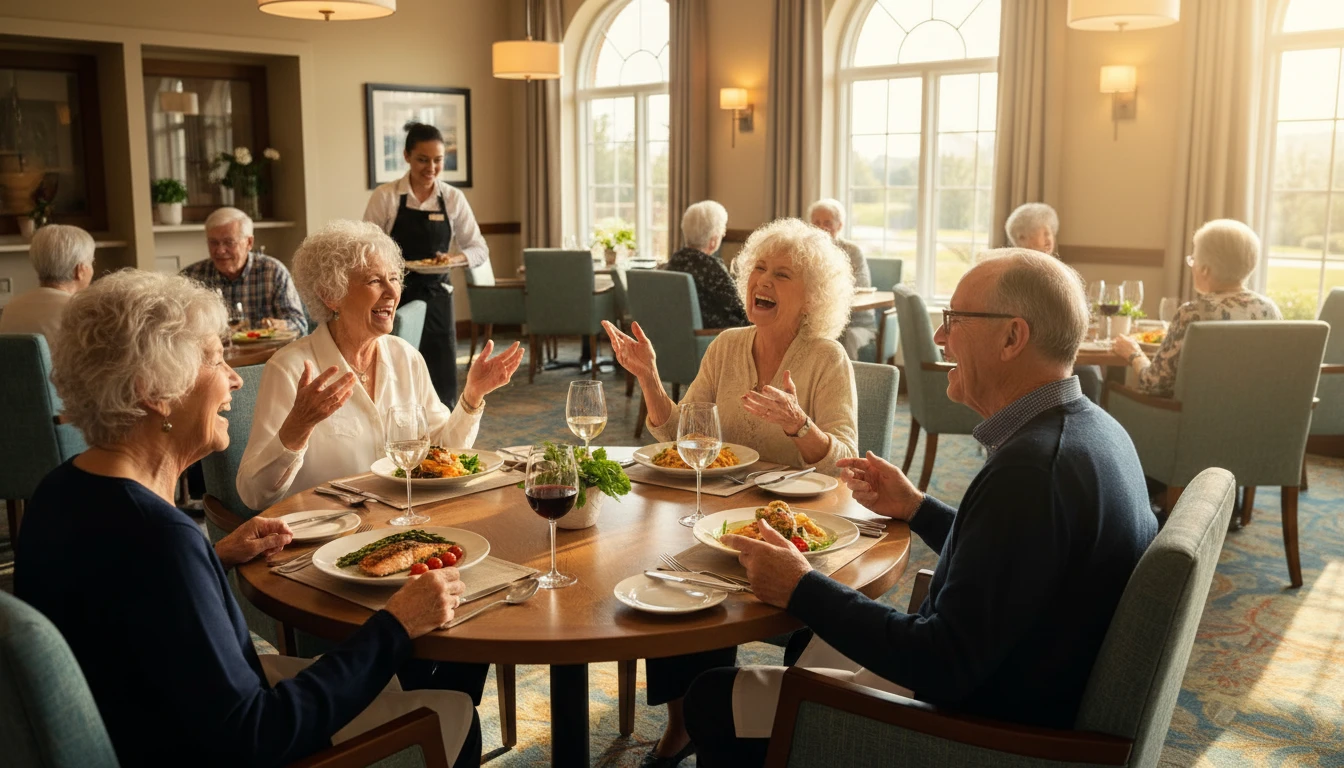
There was a group of women at a round table, absolutely losing it over something. One of them was wiping tears from her eyes she was laughing so hard. A man nearby was reading a thick novel with a cup of coffee, completely unbothered by the world. Someone had clearly just won a game at the activity table because there was a small eruption of applause and at least one person saying “oh, come on” in the way that means they’re about to demand a rematch.
It looked like life. Real, warm, ordinary life. And I hadn’t expected that.
That’s what good amenities actually do — they don’t just provide convenience, they create the conditions for a real, textured daily existence. Here’s what you’ll typically find in a quality retirement residence:
- Restaurant-style dining with chef-prepared meals, flexible menus, and genuine accommodation for dietary needs — low-sodium, diabetic-friendly, plant-based, gluten-free, whatever the situation calls for
- Fitness centers and group exercise classes designed specifically for senior bodies — water aerobics, chair yoga, balance training, strength work with certified instructors who actually know what they’re doing
- Transportation services for medical appointments, grocery runs, and social outings — because not being able to drive anymore shouldn’t mean not being able to go anywhere
- Housekeeping and maintenance so residents can spend their time on literally anything more enjoyable than scrubbing a bathroom or arguing with a leaky faucet
- On-site salons, libraries, gardens, and hobby rooms that give daily life texture, variety, and something to look forward to
- 24/7 security and emergency response systems for peace of mind — both for residents and for the family members who lie awake at 2am worrying about them
The quality of a retirement residence almost always shows up in the small details before it shows up anywhere else. Whether the dining room feels warm and social. Whether staff know residents by name — and by story. Whether there’s a genuine sense of life happening in the hallways, not just maintenance of it. Those things matter more than the brochure photos. Every single time.
Life Enrichment Programs: The Heart of Senior Wellness
Why “Keeping Busy” Is Actually Science
Here’s something that genuinely surprised me when I started digging into this: the activities and social programs in a retirement residence aren’t just nice extras. They’re not the cherry on top of the real care. They are the care, in a very real and research-backed sense.
A 2012 Cochrane review by E. Aguirre on cognitive stimulation therapy found that structured group activities designed to engage thinking, memory, and concentration produced measurable improvements in cognitive function for people with dementia — and the benefits extended to quality of life and emotional well-being, not just clinical test scores. That’s peer-reviewed science saying, with a completely straight face: the book club matters. The Tuesday morning painting class matters. The trivia night that gets weirdly competitive matters.
So when you’re evaluating a retirement residence, don’t skim past the activity calendar like it’s fine print. That calendar is a window into the soul of the community.
Physical Wellness Programs That People Actually Show Up For
The best retirement residences don’t just stick a treadmill in a spare room and slap a “Fitness Center” sign on the door. They build physical wellness into the culture of the community — which means residents actually participate, actually enjoy it, and actually feel better because of it. There’s a difference, and you can feel it when you visit.
What that looks like in practice:
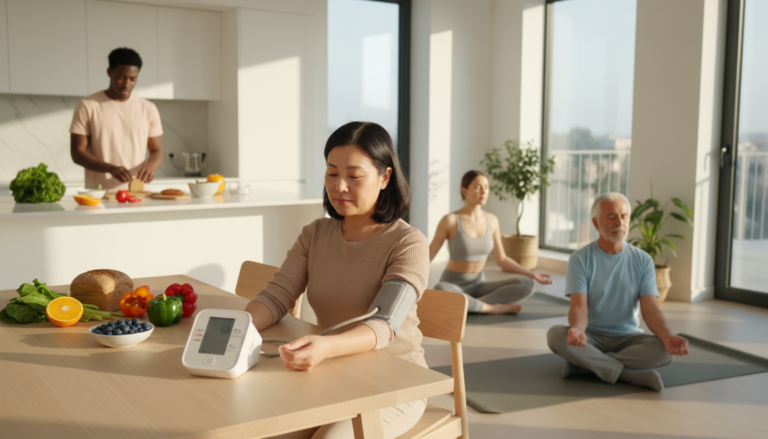
- Group fitness classes like tai chi, yoga, and low-impact aerobics led by qualified instructors who understand senior physiology and know how to make a class feel encouraging rather than intimidating
- Walking clubs and outdoor activities that combine movement with fresh air and the kind of easy, natural conversation that happens when you’re side by side rather than face to face
- Balance and fall-prevention programs — falls are one of the leading causes of serious injury in older adults, and targeted, consistent exercise genuinely and significantly reduces the risk
- Individualized fitness plans that account for each resident’s health history, mobility level, and personal goals — because a seventy-year-old former marathon runner and an eighty-five-year-old who’s recovering from hip surgery have very different starting points
The goal isn’t to turn anyone into an athlete. It’s to help people feel strong, capable, and confident in their own bodies — which, if you’ve ever watched someone regain that feeling after losing it for a while, you know is one of the most quietly powerful things in the world.
Cognitive Engagement: Keeping the Mind Sharp and the Days Interesting
Mental stimulation in a good retirement residence goes well beyond crossword puzzles — though I will go to my grave defending the crossword puzzle as a legitimate and underrated activity. Strong life enrichment programs include:
- Art and music classes that tap into creativity and self-expression in ways that feel genuinely joyful, not like homework
- Book clubs and lecture series that keep residents intellectually engaged and give them something to passionately disagree about over dinner
- Language learning, technology workshops, and trivia nights that challenge the brain in fun, low-pressure ways — the kind where it’s okay to be wrong and everyone laughs about it
- Reminiscence therapy and storytelling groups — especially valuable in memory care settings — that help residents connect with their personal histories and feel genuinely, deeply seen
Cognitive engagement isn’t just about slowing decline. It’s about giving people a reason to look forward to Tuesday. And if you’ve ever had a stretch of days where nothing felt worth looking forward to, you know that’s not a small thing at all.
Social Activities: The Wellness Tool Nobody Talks About Enough
I want to spend a moment on this one because I think it gets undersold in most conversations about senior health, and it really shouldn’t.
Loneliness is genuinely dangerous for older adults. Not metaphorically dangerous — actually, clinically dangerous. Research has linked social isolation in seniors to increased risks of depression, cognitive decline, and cardiovascular disease. Living alone in a house that’s gotten too quiet, in a neighborhood where you don’t know anyone anymore, where days can pass without a real conversation — that takes a toll that doesn’t always show up on a medical chart but absolutely shows up in a person.
A retirement residence, by its very nature, is a built-in antidote to that. And the best ones lean into that hard, building social connection into the fabric of daily life rather than treating it as an optional add-on.
Social programming typically includes:
- Community events and seasonal celebrations that bring residents together around shared experiences and give the calendar some shape
- Group outings to restaurants, theaters, museums, and local attractions — because life doesn’t stop at the front door, and it shouldn’t
- Volunteer opportunities and intergenerational programs that give residents a sense of purpose and connection that extends beyond the community walls
- Resident councils and committees where seniors have a real, meaningful voice in how their community is run — not just a suggestion box that nobody reads
When I think about what makes a retirement residence truly excellent — like, the kind you feel in your chest when you walk in — it always comes back to this: residents who feel like they belong somewhere. That’s not a small thing. That’s the whole thing.
Assisted Living Programs: Support Without Sacrifice
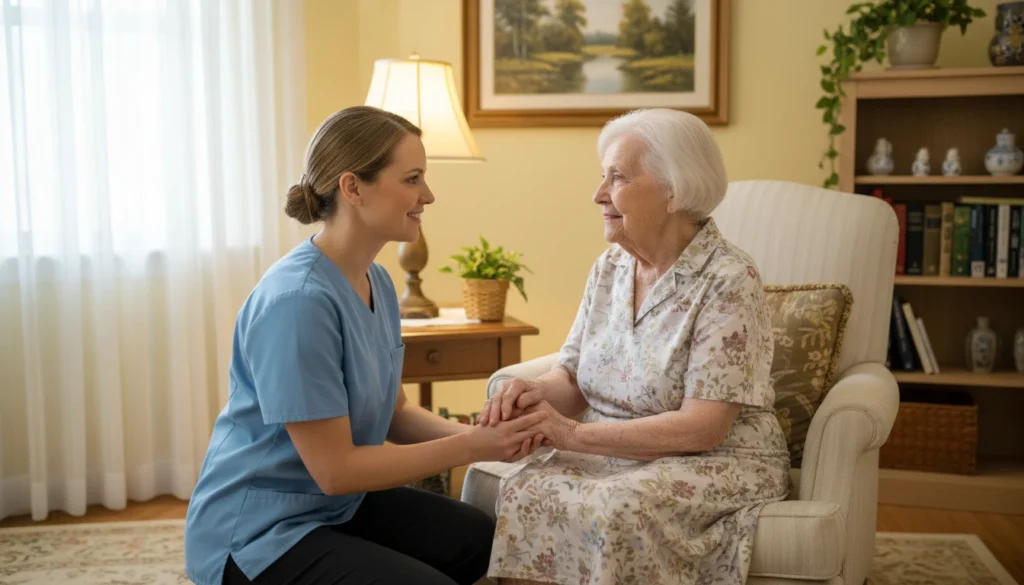
The Balance That Actually Matters
Assisted living is probably the most misunderstood part of the retirement residence world, and I say that as someone who misunderstood it completely for longer than I’d like to admit.
For a long time, I associated “assisted living” with giving up — giving up independence, giving up control, giving up the version of yourself that didn’t need help. And I think a lot of families carry that same quiet fear into the conversation. But the best assisted living programs are designed to do exactly the opposite of what that fear imagines. The goal is to provide just enough support so that residents can focus on living, rather than exhausting themselves trying to manage tasks that have become genuinely difficult and sometimes dangerous.
A 2024 scholarly project on wellness programming in assisted living facilities found that structured group wellness programs significantly improved quality of life and well-being among older adult residents — particularly when those programs addressed multiple dimensions of wellness: physical, emotional, and social. The takeaway isn’t complicated: it’s not enough to just provide care. The how matters enormously. The intention behind the care matters. Whether residents feel like people or patients matters.
Assisted living programs typically support residents with:
- Activities of daily living (ADLs) — bathing, dressing, grooming, medication management — the things that become harder with age and that nobody should have to struggle through alone
- Meal preparation and nutritional support that ensures residents are actually eating well, not just eating whatever’s easiest
- Mobility assistance and fall prevention that keeps people moving safely and confidently
- Health monitoring and coordination with medical providers so that nothing falls through the cracks
The best communities do all of this while preserving residents’ dignity, autonomy, and sense of self. That balance is genuinely hard to get right. It requires staff who are not just trained but actually good at this — patient, perceptive, and genuinely invested in the people they’re caring for. It’s worth asking about directly when you’re evaluating options. Don’t be shy about it.
Memory Care: Where Compassion Meets Expertise
Memory care is its own world within the retirement residence landscape, and I want to talk about it honestly because it’s often the part families find most emotionally difficult to navigate — and the part where the stakes feel highest.
These specialized units are designed for residents living with Alzheimer’s or other forms of dementia. The best ones are remarkable places. Not easy places — I won’t pretend otherwise — but remarkable ones. They combine clinical expertise with a level of patience, creativity, and genuine warmth that I find moving every time I encounter it.
Key features of quality memory care programs include:
- Secure, thoughtfully designed environments that minimize confusion and reduce wandering risks without feeling like a lockdown — there’s a real art to this, and the good communities have figured it out
- Structured daily routines that provide consistency and a sense of safety for residents who find unpredictability distressing
- Sensory activities and reminiscence therapy that engage residents in meaningful, accessible ways — music from their era, familiar textures, photographs, stories that connect them to who they’ve always been
- Highly trained staff who understand the behavioral and emotional dimensions of dementia care, not just the clinical protocols
- Family involvement programs that keep loved ones connected, informed, and genuinely supported — because families need care too, even if nobody says it out loud
If you’re navigating this particular part of the journey, I just want to say: it’s okay if it’s hard. It’s supposed to be hard. The communities that do memory care well know that, and they’ll meet you where you are.
Technology’s Growing Role in Retirement Residences
Innovation That Actually Helps (Not Just Impresses)
Technology in retirement residences has come a long way from the emergency pull-cord in the bathroom — though those still matter, and don’t let anyone convince you otherwise. Today’s communities are integrating genuinely useful innovations that improve safety, health outcomes, and social connection in ways that feel natural rather than clinical or cold.
Some of the most impactful:
- Wearable health monitors that track vital signs, activity levels, and sleep patterns — and alert staff to potential issues before they become emergencies
- Telehealth platforms that allow residents to consult with doctors and specialists without leaving the community — a genuine game-changer for anyone managing multiple health conditions
- Smart home features like voice-activated assistants, automated lighting, and fall-detection sensors that make daily life safer and more comfortable without making it feel medicalized
- Digital communication tools — tablets, video calling apps, and social platforms — that help residents stay connected with family and friends across any distance
I think about my grandmother video-calling her sister across the country from her retirement residence room, both of them laughing about something that happened sixty years ago like it was yesterday, and I’m still a little amazed that this is just a regular Tuesday afternoon now. Technology, when it’s implemented thoughtfully and with actual humans in mind, doesn’t make senior living feel cold or institutional. It makes it feel connected. And connection, as we’ve established, is kind of the whole point.
The Real Benefits of Retirement Community Living
What Residents Actually Experience (Not What the Brochure Says)
Beyond the amenities and the programs and the technology, what do residents themselves say about life in a retirement residence? When you actually sit down and listen — really listen, not just nod politely during a tour — the consistent themes are striking.
- Improved physical health — regular access to fitness programs and nutritious meals makes a visible, measurable difference that family members often notice before residents do
- Reduced loneliness — having neighbors, shared spaces, and organized activities creates natural, low-pressure opportunities for connection that don’t require anyone to try too hard
- Greater peace of mind — knowing that help is available if needed allows residents to actually relax and enjoy their days, often for the first time in years
- A renewed sense of purpose — through volunteering, mentoring, creative pursuits, and community involvement that gives life shape, meaning, and something to get up for in the morning
A 2019 randomized controlled trial by T. Rantanen and colleagues — the AGNES intervention study — found that individualized counseling focused on helping older adults engage in self-selected, valued activities significantly improved well-being outcomes. In plain English: when seniors get to do things that actually matter to them, they thrive. Not just cope — thrive. The best retirement residences understand this at a fundamental level and build their entire programming philosophy around it.
Key takeaways for families considering retirement residences:
- Look for communities where residents have genuine input into programming — not just a suggestion box that collects dust
- Prioritize places where staff know residents by name and by story — there’s a real difference
- Ask about outcomes, not just offerings — not what programs exist, but how residents actually respond to them
- Visit more than once, at different times of day, to get a real feel for the culture when nobody’s putting on a show for prospective families
How to Choose the Right Retirement Residence
A Framework That Actually Works in Real Life
Choosing a retirement residence is one of those decisions that feels completely overwhelming until you have a clear framework — and then it still feels hard, but at least it feels manageable. Here’s how I’d approach it, with the benefit of hindsight and a few too many tours under my belt.
Start with needs, not aesthetics. Before you fall in love with a beautiful garden courtyard or a stunning dining room, get clear on what level of care is actually needed — now and in the foreseeable future. A community that’s perfect for independent living today may not be the right fit if assisted living becomes necessary in two years. Ask about what happens when needs change. The answer will tell you a lot.
Evaluate the life enrichment programs specifically. Ask for a monthly activity calendar and actually look at it. Look for variety, frequency, and evidence that programs are genuinely attended and enjoyed. A calendar full of activities that nobody shows up to is a quiet but significant red flag.
Ask about staff quality and turnover directly. High staff turnover is one of the most reliable indicators of a poorly run community. Don’t dance around it — ask directly. How long have staff members been there? How are they trained? How are they supported when things get emotionally difficult? The answers matter.
Talk to current residents and their families. No brochure, no tour, no sales pitch will tell you what a candid conversation with someone who actually lives there will. Ask what they love. Ask what they’d change. Ask whether they feel genuinely heard. And watch their faces when they answer — faces don’t lie the way brochures do.
Consider location and accessibility. A retirement residence that’s far from family, friends, and familiar places can feel isolating even if the community itself is excellent. Proximity to the people and places that matter isn’t a minor consideration — it’s a major one.
Review the contract carefully. Understand what’s included in the monthly fee, what costs extra, and what happens if care needs change over time. Financial transparency isn’t just nice to have — it’s non-negotiable. If a community is vague about costs, that’s information.
| Factor | What to Look For |
|---|---|
| Level of care | Matches current and anticipated needs |
| Life enrichment programs | Varied, well-attended, genuinely resident-driven |
| Staff quality | Low turnover, well-trained, visibly compassionate |
| Community culture | Warm, active, inclusive — not performative |
| Location | Accessible to family and familiar places |
| Financial transparency | Clear contracts, no hidden fees or vague language |
Final Thoughts: A Retirement Residence Is About Living Well
Here’s what I want you to actually take away from all of this, and I mean it from the bottom of my heart: a great retirement residence isn’t a consolation prize. It’s not where life slows down and quietly fades. It’s not giving up.
It’s often — more often than people expect, more often than I expected — where life opens up in ways that genuinely surprise everyone involved. Including the person moving in.
I’ve heard from seniors who found their closest friendships in their seventies. Who picked up painting or pottery for the first time at eighty-two and discovered they were actually good at it. Who felt more engaged, more purposeful, more themselves in a retirement residence than they had in years of rattling around a house that had gotten too quiet and too big and too full of things that needed fixing.
That’s not marketing copy. That’s what happens when you put people in an environment that’s actually designed to support their whole selves — physically, mentally, socially, and emotionally. When the community is right, it doesn’t feel like a facility. It feels like home. A really good home, with better food than most of us cook for ourselves and a yoga class on Tuesday mornings.
The key is finding the right retirement residence — one that matches not just the care needs on paper, but the personality, the values, the quirks, and the lifestyle of the person who’s going to call it home. Take your time. Ask the hard questions. Trust your gut when you walk through the door. And don’t be afraid to walk back out if something feels off, because something feeling off is data.
Because the goal here isn’t just a safe place to age. It’s a genuinely great place to live. And those places exist. I’ve seen them. I’ve felt the difference between a community that’s just going through the motions and one that’s actually, genuinely alive.
Go find the alive one. Your loved one deserves nothing less.
Looking for more guidance on senior living options? Explore resources from the National Institute on Aging and AARP’s Senior Living Guide to continue your research.