
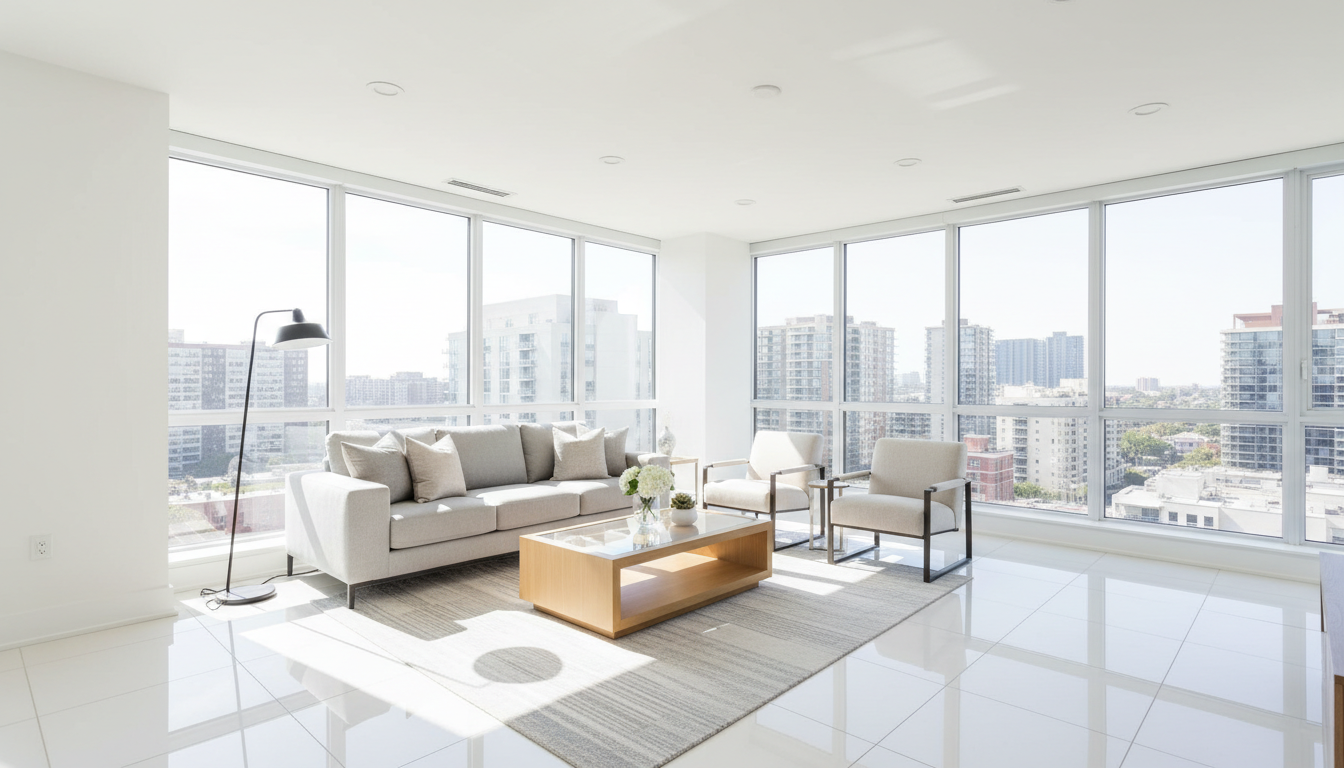
Living Apartments: Your Complete Guide to Finding, Enjoying, and Managing Rental Homes
A practical, friendly guide to living apartments—how to find the right rental, pick amenities, understand leases, and enjoy apartment life.
I’ve toured enough rentals to know there are two kinds of people in the world: the ones who can walk into an empty living room and “see the potential”… and the rest of us, who mostly see where the couch will go and whether the neighbor’s music is already leaking through the wall. If you’re searching for living apartments, you’re not just picking a place to sleep—you’re choosing the backdrop for your everyday life. Your mornings. Your routines. Your “where did I put my keys” moments. Your Sunday resets.
And yeah, finding the right apartment can feel like a part-time job you didn’t apply for. Listings disappear fast. Prices shift like a mood ring. “Cozy” is sometimes code for “your bed will also be your dining room.” But the good news is: once you know how the rental world works, you can make smarter decisions with less stress—and maybe even enjoy the process a little (or at least survive it with your sense of humor intact).
This guide is built to help you navigate living apartments from start to finish: how to search efficiently, how to evaluate neighborhoods, which amenities matter, what first-time renters should watch for, how to actually enjoy apartment living, and what’s happening in the rental market right now. I’ll keep it comprehensive, but also human—like we’re talking over coffee, not reading a contract written by a committee of robots.

Why Living Apartments Are More Than “Just Renting”
Let’s set the tone: living apartments aren’t a consolation prize while you “wait” for a house. For a lot of people, apartment living is a deliberate choice—flexibility, convenience, location, amenities, community, maintenance that isn’t your problem… all of that counts.
Apartments can also be a smart financial move. The U.S. Bureau of Labor Statistics regularly tracks consumer spending patterns, and housing remains the biggest slice of most budgets. That’s why choosing the right rental setup—right price, right utilities, right commute—has a real impact on your day-to-day stress level. (And yes, stress absolutely costs money. Usually in the form of late fees, impulse takeout, and “treat yourself” purchases.)
The goal isn’t to find a perfect apartment. The goal is to find the right apartment for your life right now.
How to Find Living Apartments Without Losing Your Mind
Apartment hunting can be oddly emotional. You’ll fall in love with a place that’s way over budget. You’ll tour a unit that smells like “mystery.” You’ll see a listing with 12 perfect photos that somehow don’t include the bathroom (and now you know why).
Here’s how to make the search feel less chaotic and more strategic.
Start With the Big Three: Budget, Location, Timing
Before you get lost in listings, lock in these basics:
1) Budget (your real budget, not your “maybe” budget)
A common guideline is spending about 30% of gross income on housing, but everyone’s situation is different. If you’ve got student loans, childcare costs, or you’re trying to save aggressively, your number may need to be lower.
A practical approach I like:
- Decide your max rent
- Add estimated utilities
- Add parking, pet fees, and internet
- Make sure you can still afford groceries and joy
Because living in an apartment shouldn’t require an exclusive relationship with instant noodles.
2) Location (where your life actually happens)
When you’re comparing living apartments, location isn’t just a pin on a map. Ask:
- How long is the commute—in real traffic?
- Is there a grocery store nearby, or will you be doing “grocery field trips”?
- Are parks, gyms, cafes, or transit walkable?
- Does it feel safe at night?
If you can, visit the area at different times—weekday morning, evening, and weekend. Neighborhoods have personalities. Some are “quiet and charming.” Some are “quiet until Friday night.”
3) Timing (because the market has seasons)
Rental markets tend to be more competitive in spring and summer. Winter can be quieter, which sometimes means better options and more negotiating room. That varies by city, but it’s a pattern worth remembering.
Use Online Listings—But Don’t Stop There
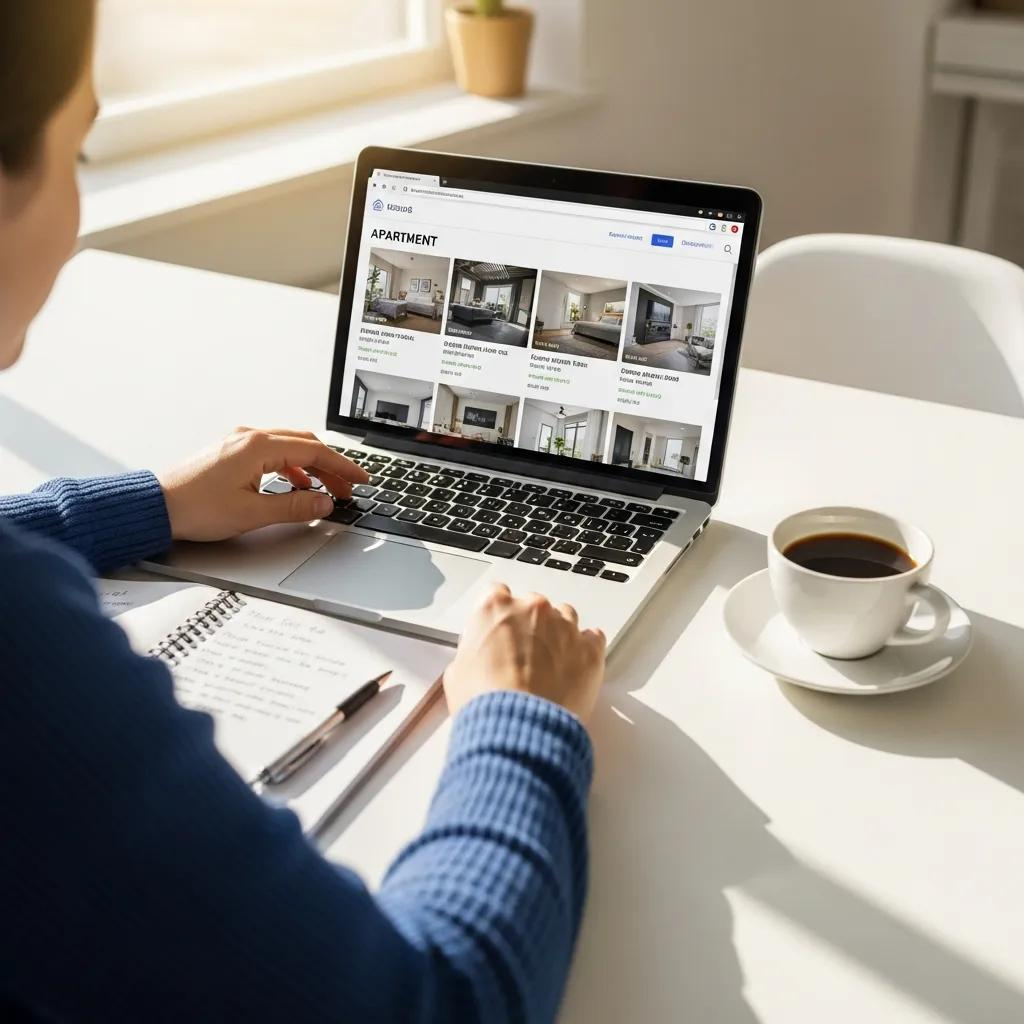
Yes, you’ll probably use major platforms to find living apartments. Filter by your must-haves, save searches, and set alerts. But also:
- Ask friends and coworkers: Some of the best apartments get rented by word-of-mouth before they’re widely advertised.
- Join local community groups: Neighborhood Facebook groups and community boards can be surprisingly effective.
- Walk the area: In some neighborhoods, smaller landlords still rely on “For Rent” signs.
Create a “Must-Have vs. Nice-to-Have” List (and stick to it)
This sounds basic, but it’s the difference between a smart choice and an emotional choice.
Must-haves might include:
- commute time limit
- safety level
- air conditioning (if you live somewhere that turns into a toaster oven)
- pet-friendly policy
- in-unit laundry (if you’ve ever had your socks stolen by a shared laundry room, you understand)
Nice-to-haves might include:
- rooftop deck
- gym
- smart locks
- a view that makes you feel like a main character
Don’t let a “nice-to-have” trick you into ignoring a “must-have.”
Neighborhoods and Lifestyle: Choosing Where You’ll Actually Be Happy
A lot of apartment advice treats neighborhoods like categories: “safe,” “hip,” “family-friendly.” But your best neighborhood depends on what you value.
Here are three neighborhood traits that genuinely shape apartment life:
Safety and a Comfortable Vibe
Look beyond stats if you can:
- Are streets well-lit?
- Do people walk dogs or jog in the evening?
- Are local businesses active?
- Does it feel like a place you’d come home to without a stress spike?
Everyday Convenience
In living apartments, convenience is underrated until you don’t have it. Think:
- groceries
- pharmacies
- coffee
- public transit
- parking realities
I once lived in a place where the nearest grocery store was a 20-minute drive. It didn’t sound like a big deal—until I realized I was basically scheduling meals around “grocery day.” That is not the carefree lifestyle I signed up for.
Transportation and Commute Patterns
If you’re transit-dependent, check:
- bus/train frequency
- walkability to stops
- reliability
- safety at night
If you drive, check:
- parking availability
- street cleaning rules
- traffic patterns at commute times
Location shapes your routine. Routine shapes your happiness. It’s not dramatic—it’s math.
Essential Amenities in Living Apartments (What Actually Matters)
Amenities are where listings get… creative. You’ll see things like “luxury finishes” and “resort-style living,” which could mean anything from marble countertops to “we painted the hallway gray.”
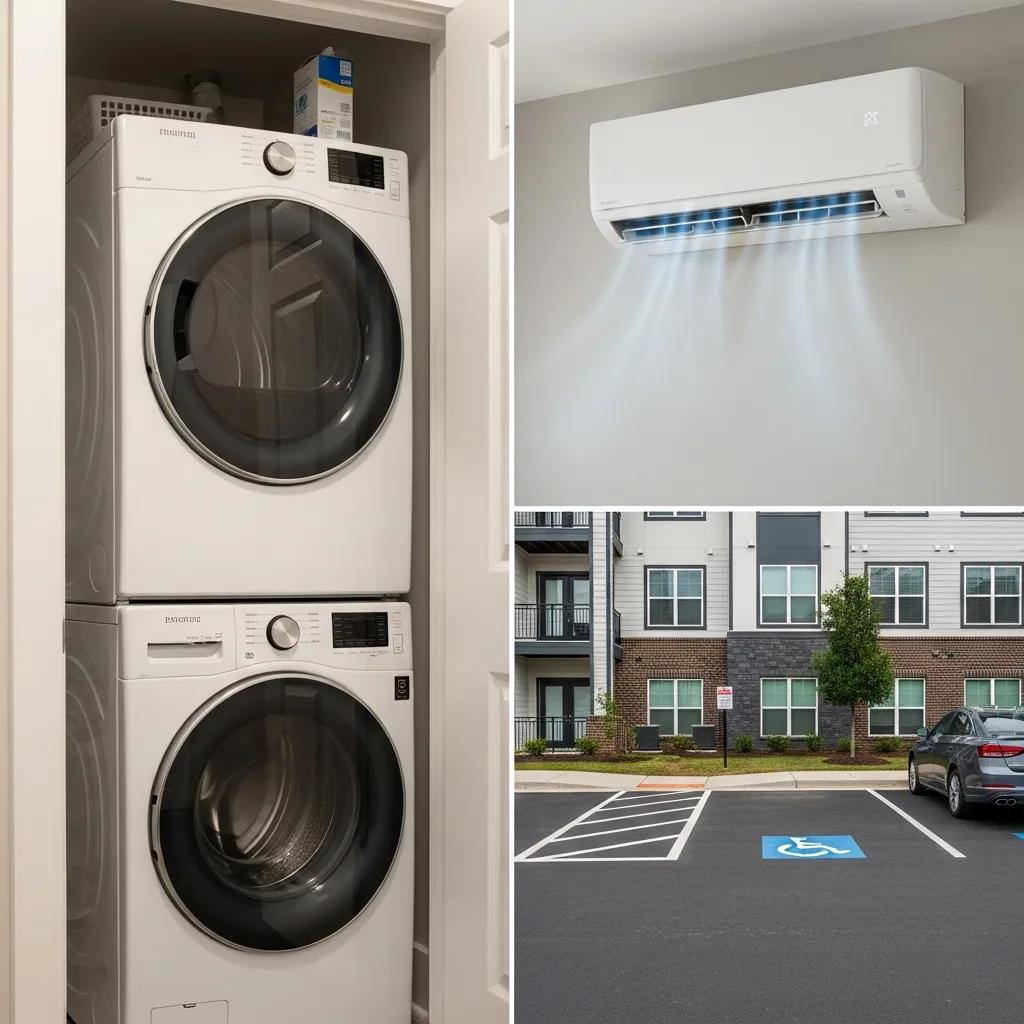
Let’s talk about the features that truly improve daily life.
The “Daily Life” Amenities That Make a Difference
In-unit laundry
If you can get it, it’s a major quality-of-life upgrade. Not having to haul laundry down stairs or across a parking lot? Incredible. It’s like adulting, but with fewer steps.
Air conditioning (or reliable climate control)
If you live in a warm climate—or anywhere summers get intense—AC isn’t a luxury, it’s sanity protection.
Parking (if you have a car)
Make sure you understand:
- assigned vs. unassigned spots
- guest parking
- monthly fees
- street parking rules
Parking can be the difference between “I love this place” and “I hate coming home.”
Soundproofing (or at least a quiet layout)
Noise is one of the most common complaints in apartment living. When touring, listen:
- hallway noise
- street noise
- footsteps from above
- thin walls
Tour at a realistic time if possible (after work hours, not 11 a.m. on a Tuesday when everyone’s out).
Smart Home Features: Helpful, Not Just Hype
Smart features can make living apartments feel safer and easier:
- Smart thermostats can cut energy waste
- Smart locks reduce key drama (because losing keys is a lifestyle for some of us)
- Video doorbells / secure access can add peace of mind
Just don’t let “smart” distract you from basics like plumbing, pest control, and maintenance responsiveness.
Touring Living Apartments: What to Check (Beyond “Is It Cute?”)
A tour is not a vibe check. It’s a fact-finding mission.
Here’s what I look at every time:
Inside the Unit
- Water pressure (turn on faucets, flush toilet)
- Windows (do they open? are they drafty?)
- Cell signal (dead zones are real)
- Outlets (enough? placed well?)
- Storage (closets that aren’t emotional support closets)
- Signs of pests (tiny droppings, traps, weird smells)
The Building and Common Areas
- Mail/package system
- Elevator cleanliness (if there is one)
- Trash area (clean or chaos?)
- Parking safety/lighting
- Hallway noise
The Lease and Costs (ask before you fall in love)
Ask for a fee breakdown:
- application fee
- admin fee
- security deposit
- pet deposit/pet rent
- parking fee
- amenity fee
- move-in/move-out fees
- utilities included vs. separate
That “great price” can quietly become not-so-great once fees stack up.
First-Time Renters: What You Should Know Before Signing Anything
If you’re renting for the first time, welcome. You’re about to learn a lot quickly—mostly because leases don’t care about your feelings.
Questions to Ask Before You Sign a Lease
- What’s the lease term and renewal process?
- What happens if I need to break the lease?
- How are maintenance requests handled?
- What’s the policy on guests?
- Are renters required to have renter’s insurance?
- What are the rules around decorating (nails, paint, mounting TVs)?
Security Deposits and Move-In Documentation
Security deposits are typically one to two months’ rent. You want that money back, so treat move-in like you’re documenting a crime scene (in a loving way).
Do this:
- Take photos and video on move-in day
- Note damage on the move-in checklist
- Email a copy to management so it’s time-stamped
Security deposit rules vary by state/country, but many places require landlords to return deposits within a set timeframe and provide an itemized list of deductions.
If you want deeper reading, Nolo has long-standing, practical guides on landlord-tenant topics (and they’re generally readable without a legal translator). Start here: Nolo: Security Deposits
Utilities: Know What You’re Really Paying
Clarify:
- Which utilities are included?
- Who bills for water/trash?
- Is electricity individually metered?
- Is internet choice flexible, or is there one provider?
This is where budgeting for living apartments often gets messy—because the rent looks fine until the bills show up.
How to Enjoy Living Apartments (Not Just “Live” in Them)
Here’s the fun part: making your apartment feel like home.
Comfort and Organization Tips That Don’t Require a Pinterest Degree
Use space-saving furniture that doesn’t look like camping gear
- storage ottomans
- beds with drawers
- foldable desks
- nesting tables
Go vertical
Shelves, hooks, tall bookcases—vertical storage gives you more room without feeling cluttered.
Lighting is everything
Most apartments come with “bright overhead lighting” that makes you look tired and your plants look terrified. Add:
- warm floor lamps
- table lamps
- under-cabinet lights
- soft bulbs
Instant cozy.
Making a Rental Feel Personal (Without Sacrificing Your Deposit)
Try:
- removable wallpaper
- peel-and-stick backsplash
- Command hooks/strips
- area rugs
- curtains (check if you can replace hardware)
Little changes make a big difference in living apartments—especially when you can’t repaint walls.
Building Community With Neighbors (Yes, Really)
Apartment communities can be surprisingly social—if you lean in just a little:
- say hi in the hallway
- attend building events
- join community boards/groups
- be the person who starts a casual conversation near the mailboxes
You don’t need to become best friends with everyone. But knowing a neighbor or two can turn a building into a community—and that’s a real quality-of-life upgrade.
Living Apartments in 2026: Market Trends and What Renters Should Watch
Markets vary by city, but a few broader patterns are shaping renters’ experiences.
Supply and Demand: Why It Still Feels Competitive
In many areas, demand remains strong due to:
- ongoing urbanization
- job concentration in metro areas
- higher mortgage rates pushing some would-be buyers back into renting
At the same time, new multifamily construction has added supply in some regions, which can stabilize rent growth—but it’s uneven.
For broader U.S. market context, the Joint Center for Housing Studies of Harvard University publishes an annual report that’s widely cited and data-heavy (in a good way): Harvard JCHS: The State of the Nation’s Housing
Cities With Rent Growth (and What It Means for You)
Some cities have seen notable rent increases over recent years due to job growth and limited housing supply. When that happens, renters should:
- expand search radius slightly
- consider units with longer lease incentives
- move quickly on good listings
- negotiate where possible (especially on lease length, move-in date, or fees)
How to Negotiate Rent (Without Making It Weird)
You can absolutely negotiate in many cases. The key is being respectful and prepared.
Try:
- bring comparable listings
- ask for a modest discount or waived fees
- offer a longer lease if you’re stable
- negotiate upgrades (parking included, storage unit, free month spread across lease)
Even if rent is firm, fees often aren’t.
Common Pitfalls in Living Apartments (And How to Avoid Them)
Let’s save you from the classics:
Pitfall 1: Falling for the photos
Photos can hide:
- road noise
- smells
- weird layouts
- tiny rooms
Always tour or do a video walkthrough.
Pitfall 2: Not reading the lease
I know it’s long. Read it anyway. Future-you will be grateful.
Pitfall 3: Skipping renter’s insurance
It’s usually affordable, and it protects your stuff. Many landlords require it now, and honestly, it’s worth it.
Pitfall 4: Ignoring long-term livability
Ask yourself:
- Will I hate this commute in 3 months?
- Is the neighborhood changing?
- Can I see myself here through a lease term?
FAQ: Quick Answers About Living Apartments
What should I consider when moving into a new apartment?
Focus on lease terms, neighborhood safety, the condition of the unit, and total monthly costs (rent + utilities + fees). Document everything on day one.
How can I negotiate my rent with a landlord?
Bring comparable listings, ask politely, and negotiate fees or lease incentives if the rent itself is fixed. Off-peak seasons can help.
What are common pitfalls to avoid?
Not reading the lease, skipping inspections, ignoring renters insurance, and underestimating total costs beyond rent.
How can I make my apartment feel like home?
Use lighting, textiles, removable decor, and organization systems that fit your routine. A few small changes go a long way in living apartments.
What are the benefits of apartment communities?
Shared amenities, maintenance support, built-in community, and often better security features than standalone rentals.
How do I handle conflicts with neighbors?
Start with respectful communication. If it continues, document issues and involve management. Calm beats combative almost every time.
Conclusion: Finding the Right Living Apartments Is About Fit, Not Perfection
If you take one thing from this guide, let it be this: the best living apartments aren’t always the fanciest or the trendiest—they’re the ones that fit your life. The ones that make your mornings smoother, your evenings calmer, and your budget a little less dramatic.
Use a smart search strategy. Pick a neighborhood that matches how you actually live. Prioritize amenities that improve daily life. Read the lease. Document everything. And once you move in, give yourself permission to make the space yours—even if you’re doing it with peel-and-stick wallpaper and a lamp you found on sale.
Apartment living can be flexible, fun, and surprisingly fulfilling. And when you find the right place? It’s not just “a rental.” It’s home—the kind where your routines settle in, your life expands a little, and you stop refreshing listing sites at midnight. Which, honestly, is a beautiful thing.
If you’d like, tell me your target city/country and typical reader (students, young professionals, families, etc.), and I’ll tailor the market trends + amenities section so it matches what renters there actually care about—while keeping living apartments naturally optimized.