
How to Prevent UTI in the Elderly (Without Turning Life Into a Medical Project)
Here’s how to prevent UTI in the elderly with realistic daily habits—hydration, bathroom timing, gentle hygiene, diet support, and early symptom recognition.
UTIs are one of those topics nobody brings up at dinner. But if you’re caring for an older parent—or you’re the older adult yourself—you’ve probably had to think about them more than you ever expected.
And the frustrating part is this: a lot of UTIs in seniors are preventable, but prevention doesn’t come from one “magic” product. It comes from a few boring, consistent habits that don’t feel urgent… until they are.
This guide walks through how to prevent UTI in the elderly in a way that’s actually doable day-to-day (especially if you’re already juggling meds, appointments, and everything else).
How to Prevent UTI in the Elderly and Why UTIs hit older adults harder
A UTI isn’t always “just a UTI” in an older body. Seniors can get dehydrated faster, bounce back slower, and sometimes show symptoms that don’t look like the classic textbook signs.
The common, real-life reasons UTIs keep happening
Usually it’s a mix of things, not one single cause:
- The bladder may not empty all the way, so bacteria have time to grow.
- Incontinence can keep the area damp longer than it should be.
- Diabetes (and some other chronic conditions) can increase risk.
- Some people drink less because they’re trying to avoid bathroom trips—totally understandable, but it can backfire.
- Mobility or memory issues can make hygiene and hydration harder to keep up with.
- In men, an enlarged prostate (BPH) can slow urine flow.
- In women after menopause, lower estrogen can change the local environment in ways that make infections more likely.
None of this is about blame. It’s about knowing what you’re working with.
How to prevent UTI in the elderly: the habits that make the biggest difference

If you’re overwhelmed, start with the first two. Seriously.
1) Hydration (the simplest prevention tool that people skip)
You don’t need a fancy plan here. You need steady fluids—because peeing regularly helps flush bacteria out.
A lot of older adults don’t feel thirsty the way they used to. So waiting for thirst isn’t reliable.
What “good hydration” can look like in real life
- A drink with every meal.
- A drink with morning meds and evening meds.
- A small glass “parked” where they actually sit (not hidden in the kitchen).
Many older adults do well around 6–8 cups (1.5–2 liters) of fluid a day, but it depends on medical conditions and fluid restrictions—so if a clinician has set a limit, follow that.
If nighttime urination is the big worry, try shifting more fluids earlier in the day instead of cutting fluids overall.
2) Don’t hold urine for long stretches
Holding urine gives bacteria more time to multiply.
If someone tends to forget, avoid, or delay bathroom trips, a gentle routine can help: “Let’s try the bathroom every 2–3 hours while awake.” Not as a rigid rule—more like a supportive nudge.
This is especially useful for seniors with memory changes who aren’t noticing the usual signals.
3) Keep hygiene gentle (not harsh) and consistent
This is where people sometimes overcorrect. Strong soaps, fragrances, and aggressive cleaning can irritate tissue and make things worse.
What usually works better:
- Mild, unscented cleansing (or just warm water) during regular care.
- For women: wipe front to back.
- Change wet/soiled incontinence products promptly when possible.
- Breathable underwear when practical.
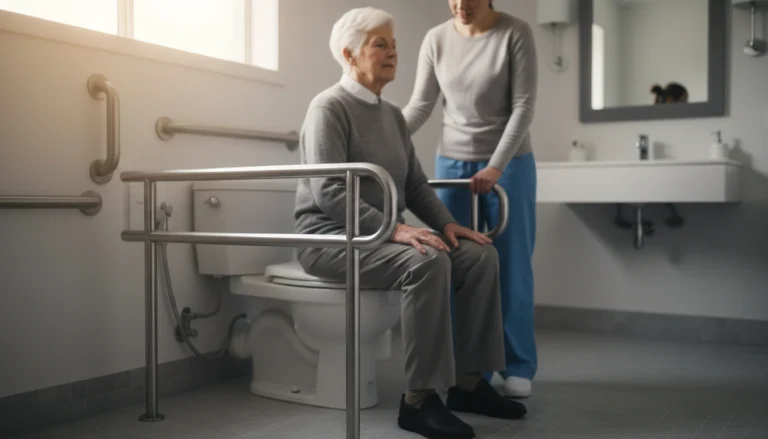
If you’re a caregiver helping with hygiene: the “right” technique only matters if it’s realistically doable with the person’s mobility. Tools like a peri bottle, bidet attachment, or caregiver-friendly wipes can make a bigger difference than perfect instructions.
4) Address constipation (yes, really)
This one surprises people. Constipation can contribute to bladder pressure and incomplete emptying.
If UTIs are recurring and bowel habits are irregular, it’s worth tackling:
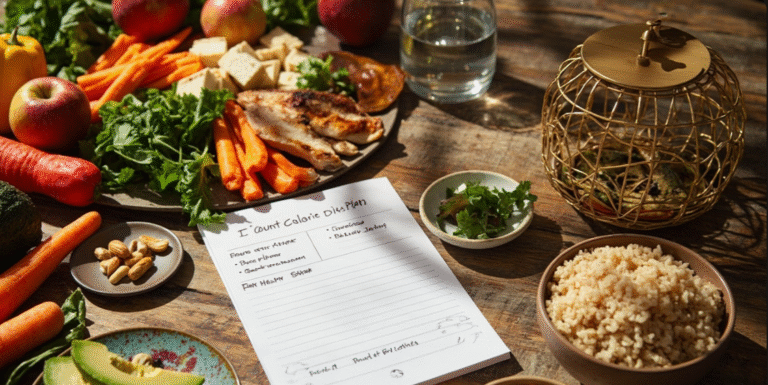
- fiber from food (fruits, vegetables, whole grains)
- enough fluids to match the fiber
- gentle movement (even chair exercises count)
5) Diet: use it as support, not a strict rulebook
Diet won’t “cure” UTIs, but it can support prevention.
Cranberry: helpful for some, not magic for all
Cranberry products may help reduce bacteria sticking to the urinary tract in some people. If juice is used, watch the sugar. Many prefer supplements for consistency.
Because seniors often take multiple meds, it’s smart to run supplements by a clinician/pharmacist—especially if the person has a complicated medication list.

Probiotic foods are an easy, low-pressure add-on
If tolerated, yogurt or kefir can be a simple way to support gut health. No hype—just a reasonable habit.
If the bladder seems easily irritated…
Some people feel worse with lots of caffeine, alcohol, or very acidic foods. You don’t have to ban them forever—just notice patterns.
The symptom problem: UTIs in seniors can look “weird”

This is where families get caught off guard.
Typical symptoms (when they show up)
- burning with urination
- urgency/frequency
- lower belly discomfort
- cloudy urine (not always reliable)
Atypical symptoms (common in older adults)
Sometimes the first sign is:
- sudden confusion or delirium
- unusual sleepiness or agitation
- a noticeable change in walking steadiness
- new/worse incontinence
- falls
Important nuance: confusion has many causes (dehydration, medication side effects, low sodium, infection, etc.). But a sudden change is still a “don’t wait” moment.
When to call a clinician urgently
Get prompt medical attention for:
- fever/chills
- new back/flank pain
- vomiting or severe weakness
- rapidly worsening confusion
If UTIs keep coming back, don’t just keep “trying harder”
If someone keeps getting UTIs, it’s worth asking the clinician about underlying drivers—because prevention sometimes requires fixing a mechanical issue, not just adding cranberry.
Questions that are worth asking
- “Are they emptying their bladder fully?”
- “Could BPH or retention be part of this?”
- “For postmenopausal women, would vaginal estrogen be appropriate?”
- “Are we treating only when there are clear symptoms?”
(Older adults can have bacteria in the urine without a true infection; treating that when there are no symptoms often does more harm than good. A clinician can help sort this out.)
A caregiver-friendly routine that doesn’t take over your day
If you want a simple default plan:
- Offer fluids at predictable times (meals + meds).
- Bathroom reminder every few hours while awake.
- Gentle hygiene, no harsh products.
- Watch for “off” behavior changes and act early.
- Keep a quick note of symptoms + fluids if UTIs are frequent (it helps a lot at appointments).
Final thoughts
If you’re trying to learn how to prevent UTI in the elderly, don’t aim for perfection. Aim for consistency. Hydration, regular bathroom habits, gentle hygiene, constipation prevention, and early symptom recognition are the boring basics that actually prevent the scary outcomes.