
Activities for the Blind Elderly: Practical Ideas to Boost Sensory, Cognitive, and Physical Well‑Being
Practical activities for the blind elderly that support the senses, memory, movement, and connection—so daily life feels fuller, safer, and more fun.
Meaningful activities for the blind elderly aren’t just “nice extras.” They’re the little hinges that swing big doors: confidence, routine, independence, and that priceless feeling of I can still do things that matter to me. If you’re supporting an older adult with vision loss (or you’re the one navigating it), this guide is meant to feel doable—not like a Pinterest project that requires a hot glue gun and a master’s degree.
I’ve seen how quickly vision loss can shrink someone’s world. A person who used to be out and about starts skipping outings because it’s tiring to ask for help… then the days get quieter… then loneliness sneaks in wearing comfortable shoes. The right activities for the blind elderly push back on that shrinking. They keep hands busy, minds engaged, and hearts connected.
You’ll find practical sensory exercises, cognitive games, mobility and rehabilitation ideas, assistive technology options, and group activities that support mental health and social connection. Use these suggestions to adapt routines, build confidence, and enrich daily life for visually impaired seniors—one small win at a time.
What Are the Best Sensory Activities for Blind Elderly to Stimulate the Senses?
Sensory activities for the blind elderly focus on the senses that often stay strongest—touch, hearing, smell, and taste—to create meaningful stimulation without relying on sight. Done well, they’re safe, comforting, and (surprise) genuinely enjoyable.
A good sensory activity can do a few things at once:
- Bring a person back into the present moment (hello, calm nervous system).
- Spark memories in a gentle, non-demanding way.
- Offer a sense of control: “I can explore this on my terms.”
If you’re thinking, “Okay, but what does that look like on a Tuesday afternoon?”—you’re in the right place.
How Do Adaptive Sensory Activities Improve Mental Health in Visually Impaired Seniors?
Adaptive sensory activities for the blind elderly support mental health because they give the brain something to do—and give emotions somewhere to go. When someone loses vision, they often lose favorite hobbies too (reading print books, driving, browsing a garden). That loss can come with grief, anxiety, or a sense of disconnection.
Sensory routines help rebuild steadiness. A short tactile craft session, a familiar playlist, or guided scent exploration can become an anchor in the day. And there’s real evidence behind the “small routines matter” idea: the World Health Organization’s World Report on Vision (2019) emphasizes that vision rehabilitation and supportive interventions can improve functioning and well-being—not because they magically restore sight, but because they restore participation.
On the emotional side, social contact is a huge lever. The National Academies of Sciences, Engineering, and Medicine (2020) report on social isolation and loneliness in older adults highlights how isolation is linked with higher risks for depression and other health problems. Sensory group activities—music circles, cooking sessions, even a “smell and tell” herb exploration—create low-pressure ways to be with people again.
And honestly? Sometimes the best mental-health benefit is simpler: the activity feels pleasant. Not everything needs to be a personal-growth moment. Sometimes a warm mug and a cinnamon sachet are just… nice.
Which Tools and Materials Are Used in Sensory Stimulation Exercises for Blind Seniors?
Everyday, low-cost items often work best for sensory activities for the blind elderly. You’re not building a museum exhibit. You’re building a moment.
Here are tools that are easy to find and easy to rotate so the activities don’t feel stale:
Textured materials: Fabric swatches (denim, fleece, silk), natural items like smooth stones or pinecones, and even household sponges invite touch and comparison. Pro tip: mix “soft,” “bumpy,” “cool,” and “scratchy” so the contrasts are obvious.
Simple musical instruments: Lightweight, easy-to-hold options like tambourines, hand drums, shakers, or rhythm sticks. You can do call-and-response rhythms, “copy my beat,” or a group pulse that’s basically teamwork in sound form.
Scented items: Familiar herbs, spice jars, essential oils (used safely), coffee beans, citrus peels, or scented sachets. If allergies or sensitivities are a concern, stick to milder scents and keep sessions short.
To make these activities for the blind elderly feel meaningful (not random), pair the sensory item with a tiny prompt:
- “Does this texture remind you of anything?”
- “If this scent had a season, what season would it be?”
- “What’s a song that makes you feel brave?”
Small prompts, big stories.
Which Cognitive Games Are Effective for Enhancing Memory in Blind Elderly?
Cognitive activities for the blind elderly work best when they lean on sound, touch, and memory cues rather than sight. The goal isn’t to “win” cognition (if only). It’s to keep the brain active, encourage problem-solving, and make everyday thinking feel a little smoother.
One thing I’ve learned: older adults don’t want to be treated like a science experiment. If a game feels childish or overly clinical, it won’t land. But if it feels like play—and it respects the person’s interests—it can become a highlight of the day.
What Are Top Adaptive Cognitive Games Designed for Visually Impaired Seniors?
Here are a few high-impact cognitive activities for the blind elderly that are simple to run at home or in a group:
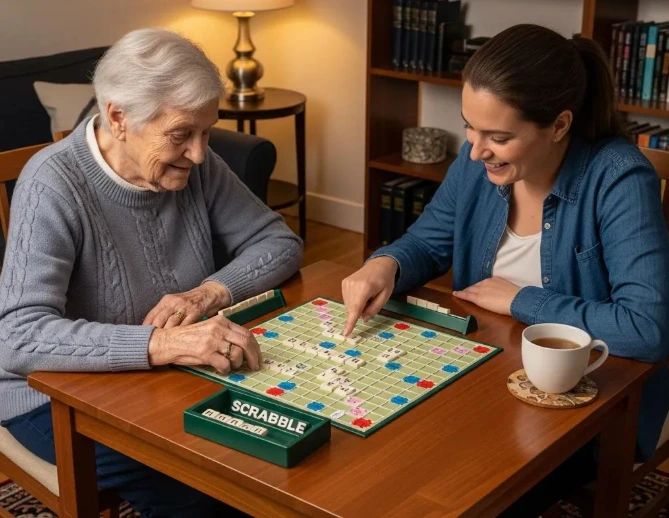
Braille Scrabble: A tactile twist on a familiar classic. It builds vocabulary, supports tactile scanning skills, and gives Braille readers a real “I’ve still got it” moment.
Audio trivia (done right): Short themed rounds played aloud—music from the 60s, famous places, “name that sound” (train, rain, applause), or family-history trivia. Keep it friendly, not competitive. Nobody needs a pop quiz with snacks.
Tactile puzzles and pegboards: Raised-piece puzzles, shape sorters, or pegboards help with spatial reasoning and fine motor planning. Start easy and scale up—like progressive overload, but for your fingers.
And yes, you can absolutely use tech here. Smart speakers can run word games, play “20 Questions,” or set up routine memory prompts. The best activities for the blind elderly blend old-school and new-school without making anyone feel like they’re “behind.”
Braille: A Foundation for Learning and Independence
Braille continues to be central to education and independence for people with vision loss. Alongside audio tools and screen readers, Braille supports literacy skills, memory, and spatial understanding in a way that audio alone doesn’t always replace.
You mentioned this source, and it’s worth keeping in the conversation: Braille Literacy and Visual Disabilities (B. Gurnani, 2025) highlights how Braille strengthens cognitive connections through tactile reading—especially useful for people who want direct control over spelling, punctuation, and text structure.
I like to explain it like this: audio is wonderful for speed and convenience. Braille is wonderful for precision and ownership. Many people thrive with both. And for activities for the blind elderly, Braille-based games or short daily Braille practice can feel empowering—not like “therapy,” but like a skill.
How Do Cognitive Activities Support Mental Agility and Emotional Well-being?
Cognitive activities for the blind elderly help maintain attention, memory, and processing speed. But the emotional piece is just as important: games create a sense of progress. Even a small “I remembered that!” moment can shift someone’s mood.
A few practical ways to make cognitive activities more effective (and less frustrating):
- Keep sessions short (10–30 minutes) and end on a win.
- Use consistent routines: same day, same time, similar structure.
- Offer choices. Choice is dignity in disguise.
Also: laughter counts. If the “story chain” game ends with a cat becoming the mayor, that’s not off-topic. That’s memory work with a side of joy.
How Can Mobility and Rehabilitation Exercises Improve Independence for Blind Elderly?
Mobility and rehabilitation activities for the blind elderly build strength, balance, and coordination—skills that support safer, more confident movement around the home and community. The goal is practical: fewer falls, smoother routines, and less fear.
And fear matters here. When someone is worried about falling, they often move less. When they move less, they get weaker. When they get weaker, the risk goes up. It’s a loop nobody asked for.
The antidote is guided, gradual practice—ideally with input from a physical therapist, occupational therapist, or orientation and mobility specialist.
What Are Safe and Effective Mobility Exercises for Visually Impaired Seniors?
Here are mobility-focused activities for the blind elderly that tend to be safe and effective when introduced gradually:
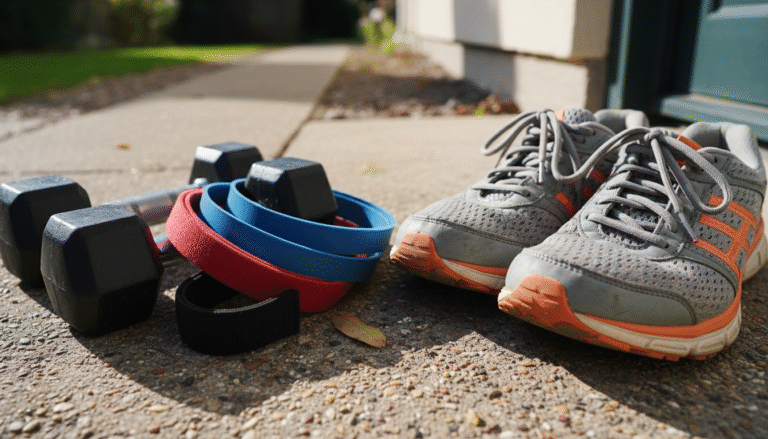
Chair exercises: Seated leg lifts, heel slides, ankle circles, and arm circles help maintain strength and flexibility without the stress of standing balance. Put on a favorite song and suddenly it feels less like exercise and more like “moving with purpose.”
Guided walking: Supervised walks on familiar routes (hallway loops, garden paths, driveway-to-mailbox) build endurance and confidence. Consistency beats intensity. A five-minute daily walk that actually happens is gold.
Supported balance practice: Weight shifts, heel-to-toe standing with a sturdy counter, or gentle marching in place while holding a chair. The key is stability and calm. If the activity feels scary, it won’t stick.
Safety notes I always mention (because I enjoy everyone having intact hips): use non-slip shoes, clear floor clutter, keep lighting consistent for those with partial vision, and consider contrast tape on step edges.
How Does Rehabilitation Support Daily Living Skills in Blind Elderly?
Rehabilitation is where activities for the blind elderly get wonderfully practical. It focuses on the daily skills that make life feel manageable:
- Orientation and mobility training: Route planning, cane technique, safe street-crossing strategies when appropriate, and navigating familiar environments.
- Daily living skills training: Adaptive cooking, safe pouring, labeling systems, clothing organization, medication management routines.
- Home organization strategies: Consistent “homes” for objects, tactile markers on appliances, and simplified layouts.
It’s not about doing everything the “right” way. It’s about finding a way that works for that person—and practicing it until it’s second nature.
What Assistive Technologies Enhance Daily Living for Blind Elderly?

Assistive technology supports activities for the blind elderly by removing friction from everyday tasks. Think auditory, tactile, and voice-driven tools that make reading, navigating, cooking, and communicating easier.
I used to assume technology would be overwhelming for many older adults. Sometimes it is—at first. But I’ve also watched a person light up the first time a phone reads a text message aloud. That’s not “tech.” That’s independence showing up with a slightly robotic voice.
Which Assistive Devices Are Most Beneficial for Visually Impaired Seniors?
Here are a few assistive tools that pair beautifully with day-to-day activities for the blind elderly:
Talking devices: Clocks, thermometers, kitchen scales, blood pressure cuffs, and calculators that speak readings aloud reduce guesswork and increase safety.
Smartphone apps and built-in accessibility: Screen readers, voice dictation, magnifiers for low vision, navigation aids, and object recognition tools can support shopping, travel, and reading mail.
Braille displays: Refreshable Braille devices convert digital text into tactile output for independent reading and communication—especially useful for people who already use Braille or want a tactile way to access long-form information.
The “best” device is the one the person will actually use. That often means choosing fewer tools, training patiently, and keeping the setup simple.
How Does Technology Support Social Engagement and Communication?
Technology can be the bridge back to people—which is why it fits so well with social activities for the blind elderly.
Video calls and voice messages help older adults stay connected to family and friends. Smart speakers can make it easier to call someone without navigating a screen. And accessibility features like text-to-speech, voice control, and simplified interfaces reduce the cognitive load.
A tip that helps: build “connection routines.” For example, Sunday afternoon voice notes to grandchildren, or a weekly group call with a friend. When social connection becomes a habit, it stops feeling like a favor and starts feeling like life.
How Do Social and Group Activities Benefit the Blind Elderly?
Group activities for the blind elderly provide companionship, purpose, and routine. Shared experiences—creative, recreational, or fitness-oriented—offer emotional support and cognitive stimulation while creating regular social contact.
If someone is hesitant about groups (very common), start small. One familiar person. One short session. One activity that doesn’t require “performing.” The goal is comfort first, community second.
What Group Activities Foster Connection and Reduce Isolation Among Blind Seniors?
A few group-based activities for the blind elderly that tend to work well:
Audio or Braille book clubs: Choose short readings and focus on discussion. The conversation is the main event.
Crafting groups: Tactile arts and crafts where members create, describe, and share work together. When people can touch materials and talk through what they’re making, participation becomes natural.
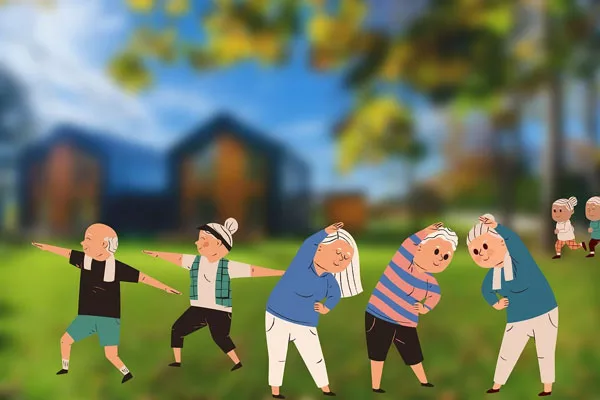
Group exercise classes: Chair yoga, tai chi with verbal cues, guided stretching, or walking groups with trained support. These support physical health and create easy, recurring social contact.
One small thing that makes a big difference: consistent introductions. Saying names out loud (“This is Maria, she’s on your left”) helps everyone feel oriented and included.
How Can Caregivers Facilitate Inclusive Social Activities?
Caregivers can make activities for the blind elderly more inclusive with a few practical habits:
Invite and support: Give clear invitations, offer transport or accompaniment, and reassure anxious participants. A calm “We’ll try it once and leave whenever you want” can open doors.
Adapt activities: Modify games and materials for touch and sound—raised markers, tactile labels, verbal descriptions, and consistent routines.
Create a welcoming space: Reduce background noise when possible, use clear audio cues, introduce people by name, and keep the vibe respectful (no talking over the person with vision loss like they’re a houseplant).
Over time, consistent inclusion builds confidence and steady attendance. And steady attendance is where friendships happen.
Frequently Asked Questions
What are some benefits of sensory activities for blind elderly individuals?
Sensory activities for the blind elderly can improve mood, reduce anxiety, and spark positive memories. By engaging touch, hearing, smell, and taste, these activities offer emotional comfort and mental stimulation. They also encourage social interaction and provide gentle routines that support a stronger daily rhythm and sense of purpose.
How can caregivers support the implementation of cognitive games for blind seniors?
Caregivers can support cognitive activities for the blind elderly by choosing games that match interests and abilities, explaining rules clearly, and offering encouragement during play. Simple adaptations—tactile pieces, audio cues, step-by-step prompts—make games accessible and fun. Regular, brief sessions tend to work best.
What role does social interaction play in the well-being of blind elderly individuals?
Social interaction is essential. For many people, the best activities for the blind elderly are the ones that naturally include other humans—because connection reduces loneliness, supports emotional health, and provides mental stimulation. Group activities and informal visits both contribute to a stronger support network and a more fulfilling daily life.
Are there specific mobility exercises that can be done at home for blind seniors?
Yes. Chair-based strength moves, guided short walks in familiar spaces, and simple balance drills using a chair or countertop for support are all safe, effective home options. Start slowly, prioritize safety, and consult a professional when introducing new activities for the blind elderly that involve balance or endurance.
How can technology improve the quality of life for blind elderly individuals?
Technology expands independence. Voice assistants, talking devices, navigation apps, and accessible communication tools make routine tasks easier and keep people connected. When combined with training and support, these tools can reduce reliance on others and increase day-to-day confidence—especially when they’re integrated into practical activities for the blind elderly.
What types of assistive technologies are available for enhancing communication among blind seniors?
Options include voice-activated assistants, text-to-speech apps, talking watches and appliances, Braille notetakers, and refreshable Braille displays. These tools help with reading, writing, and staying in touch—giving older adults more control over how they communicate and access information.
Conclusion
Thoughtful, well-adapted activities for the blind elderly make a real difference. Sensory routines, cognitive games, tailored mobility work, and the right assistive technology can all support independence, mental health, and social connection.
If you take one thing from this guide, let it be this: start small and make it repeatable. A five-minute texture exploration. A weekly audio trivia round. A short walk to a familiar spot. A book club that meets with tea and zero pressure. These activities for the blind elderly work because they’re human—built on comfort, curiosity, and connection.
Try a few ideas this week and see what resonates. The goal isn’t perfection. The goal is a life that still feels like yours—with plenty of laughter along the way (and maybe a tambourine, if you’re feeling brave).