
Employees Association for Retirees: What It Is, Why It Matters, and How to Make the Most of It
Employees association for retirees covers worker rights, legal support, collective advocacy, and the benefits that can protect your income and dignity well into retirement.
I’ll admit it: the first time I heard someone confidently talk about an employees association, I nodded like I was fully informed and absolutely not confused. Then I went home and looked it up. Immediately. That’s usually a sign a topic matters more than people explain it.
And that’s really the problem. Most employees spend years working — and then retire — without ever getting a clear, human explanation of what an employees association is, what it actually does, and whether staying connected to one could protect their retirement income, pension rights, or workplace legacy. We hear vague phrases like “worker representation” or “collective advocacy,” and somehow the explanation always gets swallowed by corporate jargon or legal language that sounds like it was written in a basement conference room with no windows.
So let’s do this differently.
This guide is a plain-English look at the modern employees association — what it is, how it works, how it compares to a union, and why it can matter so much for retirees when pensions, benefits, and hard-earned protections are on the line. If you’ve ever wondered whether these groups are still relevant after you’ve left the workforce, the short answer is yes. Very much yes. Maybe more than ever.
Key Takeaways
- An employees association for retirees can help protect pensions, benefits, and workplace rights even after you’ve left the workforce
- It is not always the same as a union, but it can provide many valuable forms of advocacy, education, and support
- Collective voice is one of its greatest strengths — retirees are harder to ignore when they act together
- These organizations often help with bargaining, dispute resolution, legal guidance, and labor education
- They reduce isolation by giving retirees community, clarity, and a structured way to respond to benefit changes
- In a fast-changing economy, an employees association still plays a major role in protecting retiree rights and financial security
What Even Is an Employees Association?

At its simplest, an employees association is a group created by workers — and often extended to retirees — to support, represent, and advocate for members in the workplace and beyond. It gives people a way to raise concerns together instead of trying to solve every problem one awkward one-on-one meeting at a time.
That matters because, in most workplaces, individual employees don’t have much leverage on their own. And once you retire, that leverage can shrink even further. Even smart, capable, respected people can feel small when they’re challenging a pension policy, questioning a benefits change, or asking a former employer to honor something that obviously should’ve been honored three budget cycles ago.
An employees association for retirees helps close that gap.
It can offer representation, education, legal guidance, and a shared structure for speaking up. Sometimes that means formal negotiation. Sometimes it means workshops, advocacy campaigns, dispute support, or helping retirees understand their rights before a problem gets worse. Either way, the core idea is the same: retirees shouldn’t have to figure everything out alone.
I’ve always thought that’s part of what makes an employees association so compelling. It turns “I guess I just have to deal with this” into “Actually, there’s a process, and there are people who know how this works.” That shift matters enormously — especially when your retirement income depends on it.
Wait — Isn’t That Just a Union?
Not exactly. They’re related, but they’re not interchangeable.
A labor union is usually the more formal structure. Unions often have legal recognition for collective bargaining, may negotiate binding contracts, and in some cases can organize strikes. They’re built for formal worker representation and, when needed, direct power plays.
An employees association can overlap with some of those functions, but it’s often broader and more flexible. It may focus heavily on education, advocacy, peer support, lobbying, or professional development alongside workplace representation. In some settings, it acts as a bridge between employees, retirees, and management. In others, it becomes a strong organizing body in its own right.
A 2019 workers’ training manual on freedom of association described this kind of body as a hybrid between a local civic association and a workers’ lobbying group. I actually like that description because it captures something people miss: an employees association for retirees isn’t always just about conflict. It’s also about voice, participation, and having a seat at the table — even after you’ve technically left the building.
That distinction matters. Some retirees need the structure of a union. Others benefit from an employees association that focuses on advocacy, information, support, and representation without functioning exactly the same way as a traditional union. Both exist for a reason.
What Does an Employees Association Actually Do for Retirees?

This is where the topic gets a lot more practical.
A good employees association helps retirees navigate the real stuff of post-work life: pension concerns, healthcare benefit changes, cost-of-living adjustments, disputes over promised benefits, and the creeping sense that everyone is expected to “be flexible” except the people who already gave decades to the job.
In many organizations, an employees association for retirees serves as the organized voice of former employees. It gathers concerns, identifies patterns, and raises issues in ways that are harder to brush off. That can include conversations about:
- Pension adjustments and cost-of-living increases
- Retiree healthcare coverage and premium changes
- Survivor benefit protections
- Disputes over promised retirement benefits
- Advocacy for broader labor and retirement policy reforms
It also helps retirees understand what’s normal, what’s unfair, and what may actually violate labor or pension law. Those are not always the same thing. Something can be frustrating without being illegal. Something else can feel “just part of retirement” and absolutely be a legal issue. That’s why the educational side of an employees association matters so much.
Many associations also help with grievance processes, mediation, documentation, and referrals to legal or labor specialists. In other words, an employees association for retirees does more than complain professionally. It creates structure. And structure, it turns out, is wildly useful when people’s retirement income and benefits are involved.
The Benefits of Joining — And Yes, They’re Real
People usually want to know one thing: does joining an employees association actually help retirees?
In many cases, yes. Tangibly.
The value isn’t just philosophical. It’s practical. Members often gain stronger representation, clearer information, more bargaining power, and better access to support when something goes sideways. That doesn’t mean every problem disappears in a puff of procedural justice. Life would be simpler if it did. But it does mean you’re better equipped.
Collective Bargaining: The Power of Not Going It Alone
There’s a huge difference between one retiree asking for better pension terms and a coordinated group making a case together.
That’s the heart of collective bargaining, and it’s one of the clearest benefits of a strong employees association for retirees. When retirees act collectively, they have more leverage, more credibility, and more protection than they do as isolated individuals. Employers may ignore one complaint. It’s harder to ignore a pattern backed by organized retirees, documented concerns, and clear proposals.
And the economic impact is real. According to the U.S. Bureau of Labor Statistics, union members in the United States had higher median weekly earnings than nonunion workers. While an employees association is not always a union, the underlying point still matters: organized worker and retiree representation often improves bargaining outcomes.
The benefits go beyond wages too. Collective advocacy can influence healthcare coverage, pension adjustments, survivor benefits, cost-of-living protections, and retiree representation in policy decisions. These aren’t side issues. They shape daily retirement life in very real ways.
I’ve talked to retirees who stayed engaged with their former employer’s association only because representation helped protect benefits they’d been counting on for years. Sometimes it’s not about loving your former employer. Sometimes it’s about making sure the retirement you planned for doesn’t quietly get renegotiated without you in the room.
Legal Support: Because HR Is Not Your Friend — Even in Retirement
That heading sounds a little dramatic, but only a little.
HR can be helpful. Many HR professionals are thoughtful, capable people doing complicated work. But structurally, HR exists to protect the employer. That’s important to remember when a retirement benefit situation starts getting serious.
An employees association for retirees can provide something different: support that is actually centered on the retiree. That might include guidance during benefit disputes, help documenting changes to promised benefits, referrals to labor or pension attorneys, representation in formal disputes, or assistance understanding whether a policy change is unfair, questionable, or outright unlawful.
This kind of support matters because retirement benefit problems often escalate fast. A healthcare premium increase becomes a coverage reduction. A pension adjustment becomes a structural change. A “routine policy update” turns out to affect survivor benefits in ways nobody clearly explained.
Having representation changes the experience. It helps retirees respond thoughtfully instead of reactively. It also helps them avoid one of the most common retirement mistakes: assuming that if something feels wrong, the system will naturally correct it. It often won’t. An employees association helps make sure someone is paying attention.
Education: The Thing Nobody Taught You Before You Retired
For something as central as retirement income, most people receive shockingly little education about retiree rights.
We learn to save. We learn to invest, sort of. But many of us enter retirement without knowing how pension protections work, what retaliation can look like when you raise benefit concerns, when discrimination protections still apply to retirees, or how to read a benefits summary without glazing over by paragraph three.
That’s where an employees association for retirees becomes incredibly useful. Good associations teach members how to understand retirement rules, labor protections, grievance procedures, and negotiation basics. They explain the difference between policy and law. They help people document issues properly. They offer context, not just slogans.
This educational role is easy to underestimate until you need it. Then it becomes priceless.
And there’s a confidence that comes with knowing what you’re entitled to. Not performative confidence. Real confidence. The kind that lets you ask better questions, recognize red flags earlier, and walk into difficult conversations without feeling like you’re making it all up as you go.
Community: The Benefit Nobody Talks About Enough
This part doesn’t get enough attention.
Retirement can be lonely, even when you’re surrounded by people. Especially when you’re dealing with something stressful or unfair. One of the quiet strengths of an employees association for retirees is that it reminds people they are not the only ones noticing what’s happening.
That sense of solidarity matters more than it gets credit for. It reduces isolation. It makes it easier to speak up. It gives retirees context. “Oh, this isn’t just happening to me” is sometimes the sentence that changes everything.
Research supports that broader idea too. The International Labour Organization has long emphasized that freedom of association is tied not only to representation, but also to stronger labor protections, reduced inequality, and healthier economic participation. That’s a policy way of saying something pretty human: people do better when they have support and a voice — and that doesn’t stop being true the day you retire.
How Employees Associations Actually Get Things Done
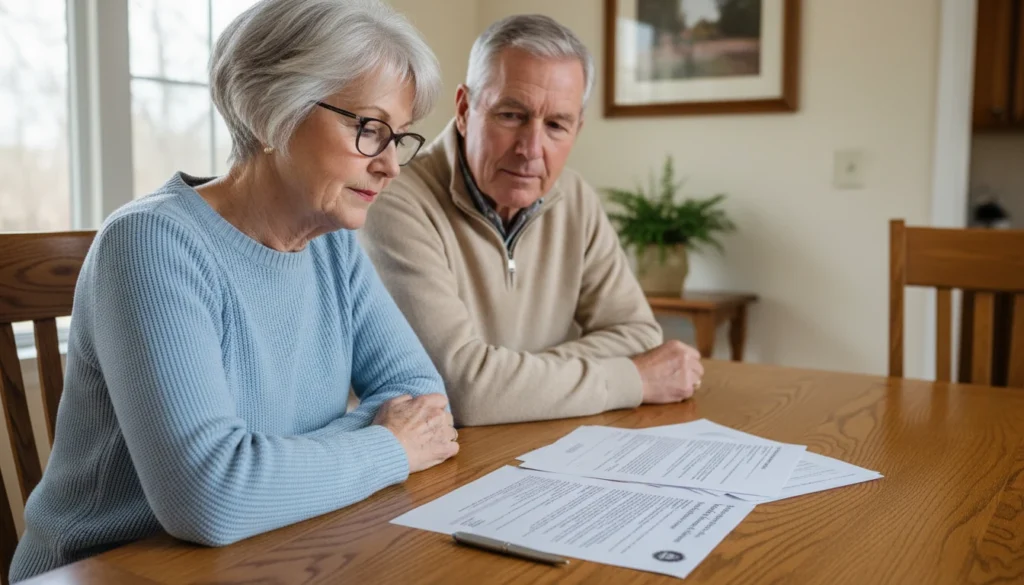
A lot of people picture worker advocacy as one dramatic showdown in a conference room. Real life is usually less cinematic and more strategic.
A strong employees association for retirees gets results through preparation, communication, and persistence. It identifies priorities, gathers information, trains representatives, and builds enough trust among members that advocacy doesn’t fall apart the second things get complicated.
The Collective Bargaining Process, Step by Step
The process usually starts with listening. An employees association gathers concerns from members, identifies patterns, and figures out which issues are most urgent. That may include surveys, meetings, or one-on-one conversations. Good advocacy begins by understanding what retirees actually need, not by guessing.
Next comes research. Representatives may look at industry benchmarks, pension comparisons, labor law guidance, and internal policy gaps. If you’re going to argue for better benefits or protected pension terms, it helps to know what comparable organizations are already doing.
Then proposals are developed. These can cover pension adjustments, healthcare coverage, survivor benefits, cost-of-living protections, and retiree representation in policy decisions. Negotiation isn’t just saying “we want things to improve.” It’s turning vague frustration into specific, workable demands.
From there, formal discussions begin. Management responds. Counterproposals happen. Compromises get debated. This part can be slow, and yes, occasionally maddening. But it’s the kind of slow that builds durable outcomes.
Finally, agreements are reviewed, approved, and monitored. A solid employees association for retirees doesn’t disappear once an agreement is made. It keeps an eye on implementation, compliance, and whether the promised changes actually show up in real life. Because everyone has met a policy that sounded great in an email and vanished on contact with reality.
Resolving Disputes Without Everything Falling Apart
Not every retirement benefit issue needs to become a legal war or a dramatic all-staff meltdown.
Often, an employees association helps resolve disputes through structured advocacy and negotiation before things get that far. If a retiree is facing unfair benefit reductions, pension discrepancies, healthcare coverage changes, or retaliation for raising concerns, the association can step in to clarify facts, document the issue, and push for a proper resolution.
That’s valuable for retirees, obviously. But it can also help organizations function better overall. Resolving conflicts early, fairly, and transparently is usually better than letting resentment ferment until everyone starts calling lawyers.
And sometimes retirees just need someone beside them in the room. Not to make a speech. Just to make sure the conversation stays grounded, fair, and documented. An employees association for retirees can provide exactly that kind of steadiness.
The Organizations Working Behind the Scenes
Employees associations often do their best work in partnership with larger labor and policy organizations.
That includes agencies and groups like the National Labor Relations Board, which oversees key labor rights in the U.S.; the National Employment Law Project, which focuses on workplace protections and policy reform; and the Economic Policy Institute, which publishes labor and wage research that often shapes public debate and negotiation strategy.
These organizations matter because a local employees association may know exactly what retirees are facing, but broader legal, research, and policy support helps turn those experiences into action. One group brings the lived reality. Another brings legal infrastructure, research, and reach. Together, they’re far more effective.
This partnership also matters in a changing landscape. Economist Claus Schnabel’s 2020 review of union membership and collective bargaining trends found that bargaining structures have become more decentralized in many countries, even as representation remains important. Translation: retiree advocacy isn’t disappearing, but it is changing shape. An employees association for retirees is often part of that modern shape.
Your Rights as a Retiree: The Basics You Actually Need to Know

Even the best employees association works better when members understand the basics.
In the U.S., many retirees retain rights related to pension protections under ERISA, healthcare continuation coverage, and protections against retaliation for raising benefit concerns. Workers and retirees are also protected under laws covering discrimination, overtime earned during employment, and workplace safety conditions that may affect retirement benefit claims.
That may sound obvious. It isn’t. Plenty of retirees still assume they have no recourse once they’ve left the workforce. In many cases, that assumption is wrong.
This is where an employees association for retirees becomes more than a support group. It becomes a practical guide to what rights exist, how they apply, and what steps make sense when those rights are ignored.
It also helps retirees separate fear from fact. And honestly, that’s huge. A lot of bad benefit behavior survives because retirees aren’t sure what’s normal, what’s legal, and what’s worth challenging.
How to Actually Join One
Joining an employees association for retirees is usually more straightforward than people expect.
First, identify whether your former workplace, profession, or industry already has one. Some associations are employer-specific. Others are tied to a field, profession, or sector. Then review what membership includes: representation, legal guidance, advocacy, training, newsletters, meetings, and any dues involved.
After that, it’s usually a matter of completing an application and participating. And that last part counts. Joining helps, but engaging helps more. Attend meetings. Read updates. Ask questions. Learn the process.
You do not need to become the person giving speeches in a folding chair under fluorescent lights. Unless that’s your thing. But a little involvement goes a long way — especially when your retirement benefits are what’s on the table.
Why This Matters More Now Than It Ever Has
If anything, the modern retirement landscape has made the case for an employees association stronger, not weaker.
Work is changing fast. Gig and contract work complicate pension protections. AI tools are reshaping how employers track, evaluate, and manage both current employees and retiree benefit systems. More decisions are being made by software, dashboards, and metrics that retirees often don’t fully understand or get to question.
That creates new kinds of vulnerability.
Retirees still need fair pensions, protected healthcare, and reasonable benefit terms. They also increasingly need transparency, digital privacy, and a voice in how automated systems affect their retirement accounts and benefit eligibility. An employees association for retirees can help navigate those changes before “innovation” becomes a fancy label for “we quietly reduced your coverage.”
The broader case is strong too. The International Labour Organization has argued that freedom of association helps support productivity, reduce inequality, and distribute economic gains more fairly. That’s not abstract. It shows up in better retirement standards, more stable benefit structures, and retirees who aren’t constantly forced to choose between silence and risk.
In that sense, an employees association for retirees isn’t just about protection. It’s about participation. It gives retirees a way to shape the rules of retirement instead of just absorbing them.
Frequently Asked Questions
What is an employees association for retirees?
It’s a group that supports, represents, and advocates for retired employees — helping protect pensions, benefits, and retiree rights through collective voice, legal guidance, and organized advocacy.
Is an employees association the same as a union?
Not exactly. A union is typically more formal with legal collective bargaining rights. An employees association is often broader, focusing on education, advocacy, peer support, and representation — sometimes including retirees specifically.
Can retirees still benefit from an employees association?
Absolutely. Many associations extend membership to retirees and actively advocate for pension protections, healthcare coverage, cost-of-living adjustments, and survivor benefits on their behalf.
What rights do retirees have when it comes to benefits?
In the U.S., retirees have protections under ERISA for pension plans, rights related to healthcare continuation, and protections against retaliation for raising benefit concerns. An employees association can help you understand and exercise those rights.
How do I find an employees association for retirees in my field?
Start by checking with your former employer’s HR department, your professional industry association, or national labor organizations like the AFL-CIO or relevant sector-specific groups.
Final Thoughts on Employees Association for Retirees
A lot of retirees put off engaging with an employees association because they assume it’s something for people still actively working. That it’s too late. That the ship has sailed. That they’ll figure out any benefit problems on their own when and if they come up.
I get that. I do. But “when and if” has a sneaky habit of arriving faster than expected — and usually at the worst possible time.
An employees association for retirees isn’t really about becoming extreme or confrontational. It’s about becoming less fragile. A little less dependent on your former employer doing the right thing without any accountability. A little less stressed when a benefit changes, a premium increases, or a policy gets quietly rewritten. In retirement especially, that kind of quiet resilience is worth a lot. You’ve worked hard to get here. A little organized support protects the retirement you’ve built.
Start smaller than your anxiety says you should. Attend one meeting. Read one newsletter. Ask one question. A little involvement is better than none. And once you’ve done it, you’ll probably feel what I felt: relief, mostly. Not excitement. Not activist glory. Just the quiet comfort of knowing that if something changes with your benefits or pension, your household won’t immediately descend into chaos and phone-hold music.
That’s worth a lot.
So if you’ve been meaning to look into an employees association for retirees, take this as your nudge. Find the right group. Learn what membership includes. Show up occasionally. Ask the questions you’ve been putting off. Then move on with your retirement — a little more protected, a little more connected, and a lot more ready for whatever comes next.
Honestly, that’s the whole point.
Are you currently a member of a retirees association? Share what’s been most valuable in the comments — I’d love to hear from others navigating this.