

Why Seniors Should Not Go To Summer Camp— Risks and Safer Options
Wondering why seniors should not go to summer camp? Summer camp for seniors can sound charming, but heat, health issues, and mobility concerns can make it risky. Safer summer activities often offer the same benefits with a lot less strain.
I understand why summer camp for seniors sounds appealing at first. It has all the right ingredients. Fresh air. New faces. A change of scenery. A schedule full of activities that sounds healthy and cheerful and just structured enough to make everybody feel productive. On paper, it almost feels impossible to argue with.
And honestly, I get the emotional pull of it too. A lot of families want older adults to have a summer that feels full again. Not lonely. Not repetitive. Not built around the same chair, the same television, and the same daily routine. I’ve had that conversation with relatives before — the one where everyone wants something uplifting, active, and social, and summer camp somehow ends up sounding like the answer because it checks a lot of hopeful boxes.
But here’s the problem: summer camp for seniors can look better in theory than it feels in real life.
For some older adults, it really can be enjoyable. I don’t think that should be ignored. But for many seniors, camp settings create challenges that are easy to underestimate until the person is already there. Heat, long activity blocks, unfamiliar routines, poor sleep, medication side effects, walking more than expected, trying not to “cause a fuss” — those things add up. Fast.
I’ve always thought summer plans for seniors should be judged by one simple question: does this leave the person feeling more alive, or just more tired? That sounds obvious, but apparently it needs saying. Not every activity that looks wholesome is actually a good fit.
So if you’re considering summer camp for seniors, it helps to look beyond the sunny brochure language and think about what the experience really asks from an older body. In this guide, I’ll walk through the main health risks, the safety standards worth checking, and the alternatives that often work better. Because summer should feel good. Not like a mild endurance event with craft supplies.
Key Takeaways
- Summer camp for seniors can raise the risk of dehydration, heat exhaustion, and heat stroke.
- Common medications and chronic illnesses can make older adults more vulnerable in hot-weather camp settings.
- Mobility limitations and cognitive changes may make camp more stressful than enjoyable.
- Camps designed specifically for older adults are generally safer than general camp-style programs.
- Alternatives like swimming, gardening, community classes, and local events often provide the same benefits with fewer risks.
- Hydration, rest breaks, sun protection, and caregiver support can make summer activities much safer.
Why Seniors Should Not Go To Summer Camp? What Are the Real Health Risks Involved?
The tricky thing about summer camp for seniors is that the risk usually doesn’t show up all at once. It creeps in.
It might start with a hot day, a missed glass of water, or an activity that runs longer than expected. Then maybe lunch is late, the shade is limited, the walk back is farther than it sounded, and nobody wants to be the first person to say they need to sit down. By the time someone actually admits they’re not feeling well, they may be more dehydrated or overheated than anyone realized.
That’s why camp can be hard on seniors even when the activities sound mild. It’s often not one major problem. It’s a stack of little ones.
Heat Is Not Just an Inconvenience for Older Adults
If there’s one issue families should take seriously with summer camp for seniors, it’s heat.
Older adults typically don’t regulate body temperature as efficiently as younger adults. They may sweat less, get thirsty later, and take longer to cool down once overheated. I think this is one of those facts people hear and nod at without really absorbing what it means. It means a senior can look “mostly fine” while their body is struggling much more than anyone realizes.
And in a camp environment, being outside is usually part of the whole appeal. Group walks, light exercise, lawn games, outdoor meals, social hours on patios, trips around the grounds — none of that sounds especially intense. But when the weather is hot, even low-key activity can become physically draining.
The early warning signs don’t always wave a giant red flag, either. A senior may seem quieter than usual, more tired, less steady on their feet, or a little confused. Those symptoms are easy to explain away. Maybe they didn’t sleep well. Maybe they’re just tired. Maybe it’s nothing. Sometimes it is. Sometimes it really isn’t.
The Centers for Disease Control and Prevention has repeatedly warned that adults 65 and older face a greater risk of heat-related illness because the body does not adjust as well to temperature changes with age. That matters a lot in any summer camp for seniors setting where long outdoor blocks are built into the schedule.
Medications Can Quietly Make Heat More Dangerous
This is the part I wish more families asked about before signing anyone up.
A lot of seniors take medications that change the way the body deals with fluid, temperature, or blood pressure. Diuretics can increase fluid loss. Some heart medications can affect circulation and heat response. Certain antidepressants and antipsychotics can interfere with thermoregulation.
In everyday life, that may already require some caution. In a camp setting, where heat and activity are layered on top, it becomes a bigger issue.
A 2020 study by J.B. Layton and colleagues examined heatwaves, medications, and heat-related hospitalization among older Medicare beneficiaries with chronic conditions. The takeaway was clear: older adults taking heat-sensitizing medications may face increased risks during hot weather. That doesn’t mean summer camp for seniors is always off the table, but it does mean medication review should happen before someone goes, not after something feels off.
I know that sounds obvious, but families are busy, and a lot of these details get lost in the excitement of planning something “fun.” Sometimes fun needs a pharmacist involved. Not glamorous, but useful.
Physical and Cognitive Challenges Can Change the Whole Experience

Camp spaces often look charming in photos. In real life, they can be awkward, tiring, and not especially forgiving.
Long walks between activities. Uneven pathways. Stairs without great railings. Shared sleeping arrangements. Slippery pool areas. A chair that looks decorative but somehow feels personally offensive to your lower back. Those details matter, especially for seniors living with arthritis, balance issues, reduced strength, or chronic pain.
Falls are one of the biggest concerns. The National Institute on Aging notes that environmental hazards play a major role in falls among older adults. A gravel path or wooden dock may not sound alarming until you imagine navigating it with poor balance on a hot day after two hours of activity and not enough water.
Then there’s the mental and emotional side. Some seniors love busy group settings. Others find them draining. Older adults with mild cognitive decline may become anxious or withdrawn in a camp environment where everything feels unfamiliar and the schedule keeps moving whether they’re comfortable or not.
That’s one of the quieter problems with summer camp for seniors. A program can be designed to increase social connection and still leave someone feeling more alone because they can’t comfortably keep pace with what’s happening around them.
Age Limits and Safety Standards Worth Looking For
If you’re considering summer camp for seniors, it’s worth asking a blunt question: was this actually designed for older adults, or are older adults simply allowed to attend?
That difference is huge.
Age Policies Tell You More Than You Might Think
Some camps specifically serve adults 60 and older, and that usually works in everyone’s favor. When a program knows its audience, it can build around realistic needs: slower pacing, more accessible activity options, regular breaks, safer walking routes, and staff who understand age-related health issues.
A mixed-age retreat may technically welcome seniors, but that doesn’t mean it’s a good fit. Sometimes the schedule still assumes a level of energy and physical ease that doesn’t match the people attending.
I’ve seen families get drawn in by phrases like “active lifestyle program” without realizing that “active” can mean very different things depending on who wrote the brochure.
Good Safety Protocols Should Be Easy to Explain
A solid summer camp for seniors program should be able to answer safety questions without sounding vague or defensive.
A few things should be clearly in place:
- regular access to water and hydration reminders
- shaded areas and indoor cooling spaces
- staff trained to recognize heat-related illness
- medication storage and support procedures
- emergency response plans
- flexible activities for seniors with mobility limitations
And families should ask direct questions too. Is there medical help on-site or nearby? What happens if someone gets dizzy or confused? Are participants allowed to skip activities without pressure? Is transportation available if someone needs medical care?
Those questions are not overprotective. They are basic common sense. If anything, they’re a sign that people are taking the senior’s comfort seriously instead of just hoping the day works itself out.
Better Summer Options That Often Work Better for Seniors
For many older adults, the smartest alternative to summer camp for seniors is not a different camp. It’s a different kind of summer plan entirely.
That may sound less exciting at first, but I think we sometimes confuse “busy” with “meaningful.” They are not the same thing. A calmer activity that someone truly enjoys is usually better than an ambitious one they spend half the day enduring politely.
Low-Impact Activities That Still Feel Social and Fun
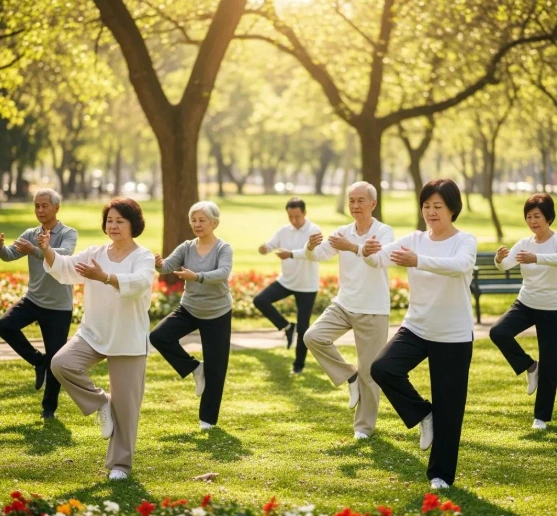
A lot of activities offer the same health and social benefits people hope to get from summer camp for seniors, just with fewer risks and more flexibility.
Some of the best options include:
- Swimming or water aerobics, which help seniors stay active while keeping body temperature down
- Walking groups, especially in the morning when it’s cooler and easier to pace the outing
- Tai chi or gentle yoga, which can improve balance, mobility, and confidence
- Gardening, which keeps seniors moving and gives them a sense of purpose
I’ll admit I’m biased toward gardening. I’ve watched older relatives light up over tomatoes, herbs, and flowers in a way they never did over organized group games. There’s something grounding about it. It’s peaceful, useful, and quietly satisfying. Plus, nobody has to wear a camp badge.
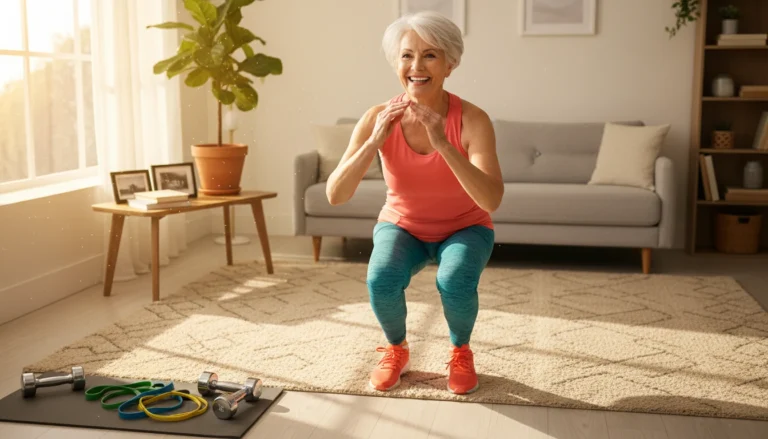
Creative activities matter too. Painting, music, crafts, book clubs, and cooking classes can keep the mind active and make social time feel natural rather than forced. For some seniors, these are far better options than a camp setting because they’re easier to enjoy without physical strain.
And there’s research to support this approach. A 2025 study by C. Setiawan found that low-impact aerobic exercise improved both cardiorespiratory fitness and quality of life in older adults. Seniors don’t need intense activity to benefit physically. They need something safe enough to do consistently.
Staying Social Without the Camp Schedule
One reason families look into summer camp for seniors is the fear of isolation. That concern is real. Social connection matters, and loneliness can affect both mental and physical health.
But social engagement doesn’t have to come from a camp environment.
In many cases, smaller, familiar settings work better:
- classes at a local senior center
- volunteer programs
- library events
- hobby clubs
- lunch groups
- church or community gatherings
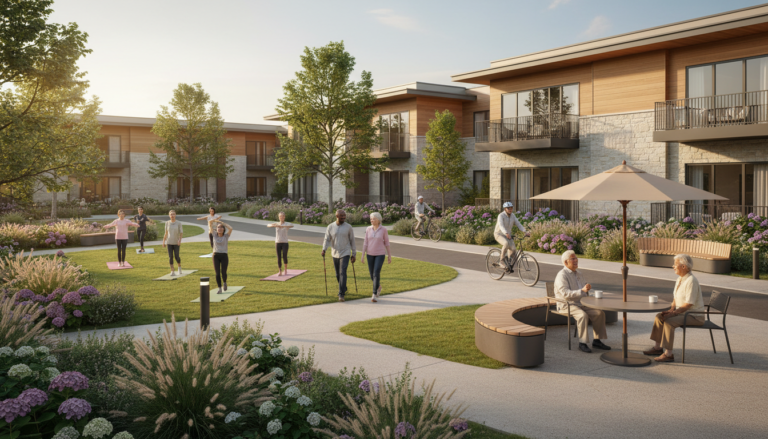
These options give seniors more control. They can show up, participate, and head home when they’re ready. That flexibility can make socializing feel enjoyable again instead of exhausting.
And honestly, that matters. I’ve seen older adults go from dreading structured group activities to genuinely enjoying weekly coffee meetups simply because the setting felt manageable. Sometimes the best social plan is the one that doesn’t ask too much.
How Seniors Can Stay Safer During Summer Activities
Whether someone chooses summer camp for seniors or something much simpler, a little planning can make a big difference.
Small Precautions That Matter More Than People Think
The basics are not glamorous, but they work:
- drink water regularly, even before thirst kicks in
- wear lightweight clothing and use sunscreen
- choose outdoor activities during cooler times of day
- take breaks before exhaustion sets in
- review medications before spending more time outside
Pacing matters more than people think. Not every outing needs to fill an entire day. In fact, I’d argue a shorter activity that ends on a high note is often much better than an overstuffed plan that leaves everyone too tired to enjoy dinner.
Caregivers Make a Bigger Difference Than They Realize
Caregivers often notice the early signs that a summer activity is becoming too much. A senior may seem quieter, slower, less steady, or just not quite themselves. Those small changes matter.
Helpful caregiver support can include:
- choosing realistic activities based on the senior’s health and energy level
- helping with transportation and timing
- packing water, snacks, medications, and sun protection
- watching for signs of dehydration, fatigue, or confusion
- keeping emergency contacts and medical information handy
And maybe most important of all: making it easy for a senior to change the plan without guilt. Leave early. Sit this one out. Skip the second event. Go home and rest. That’s not failure. That’s wisdom, and summer could use more of it.
Common Questions About Senior Safety and Summer Camps
Are summer camps actually safe for seniors?
Some are. Some really aren’t. It depends on the program, the staff, the environment, and the senior’s specific health needs. A well-designed summer camp for seniors with trained staff, flexible scheduling, and good medical support may be a reasonable option. A generic camp with minimal accommodations usually is not.
Which health conditions make camp more risky?
Conditions that can make summer camp for seniors more complicated include:
- heart disease
- diabetes
- kidney disease
- respiratory illness
- mobility impairments
- chronic pain conditions
- cognitive decline
Medication use adds another layer, especially when prescriptions affect hydration or temperature regulation. That’s why it helps to talk to a healthcare provider before making plans.
Frequently Asked Questions
What should seniors consider before attending a summer camp?
They should look at current health, stamina, medications, mobility, sleep needs, and comfort with group settings. It also helps to review the camp’s emergency procedures, accessibility, and flexibility before signing up.
How can seniors stay hydrated during summer activities?
Drinking water on a schedule helps, especially since thirst can become less reliable with age. Carrying a bottle, eating hydrating foods, and setting reminders can all make hydration easier.
What are some good indoor alternatives during hot weather?
Indoor fitness classes, mall walking, arts and crafts, book clubs, cooking workshops, and community center programs can all provide connection and activity without the heat risk.
How can seniors manage medication effects during summer?
A doctor or pharmacist can explain whether any medications raise the risk of heat sensitivity, dehydration, or dizziness. Seniors should keep an updated medication list and watch for unusual symptoms during outdoor activity.
How can seniors find local summer activities that fit their interests?
Senior centers, libraries, parks departments, churches, and local community boards are great places to start. These options are often more flexible and far better suited than a one-size-fits-all summer camp for seniors program.
The Bottom Line
Summer camp for seniors can sound like a lovely answer to summer boredom, loneliness, or inactivity. And sometimes, for the right person in the right program, it is. But it’s not the automatic win people sometimes assume it is.
Heat exposure, medication interactions, chronic illness, mobility issues, and cognitive strain can all make camp harder than expected. That doesn’t mean older adults should avoid summer activities. It just means the activity should fit the person, not the other way around.
For many seniors, a summer built around swimming, gardening, local classes, volunteer work, and small social gatherings will feel better, work better, and carry less risk. Personally, I think that’s often the wiser trade. A good summer doesn’t need to be impressive. It just needs to be enjoyable.
With thoughtful planning, sensible pacing, and the right support, seniors can absolutely have a summer that feels active, social, and genuinely refreshing. And that, really, is the point — not surviving a packed schedule, but finding a way to enjoy the season without paying for it later.



One Comment
Comments are closed.