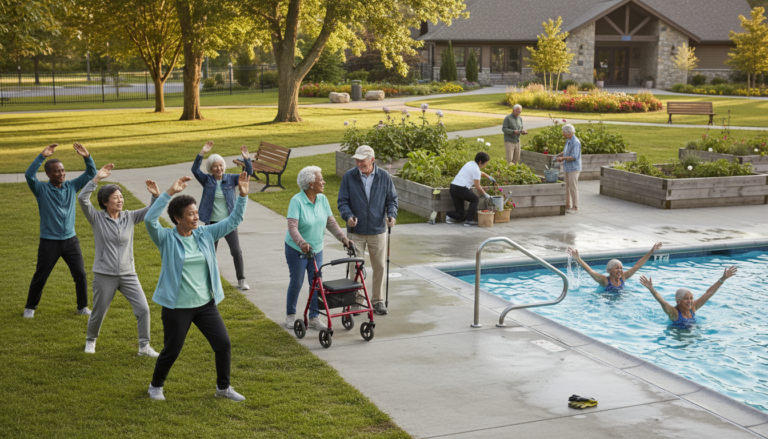
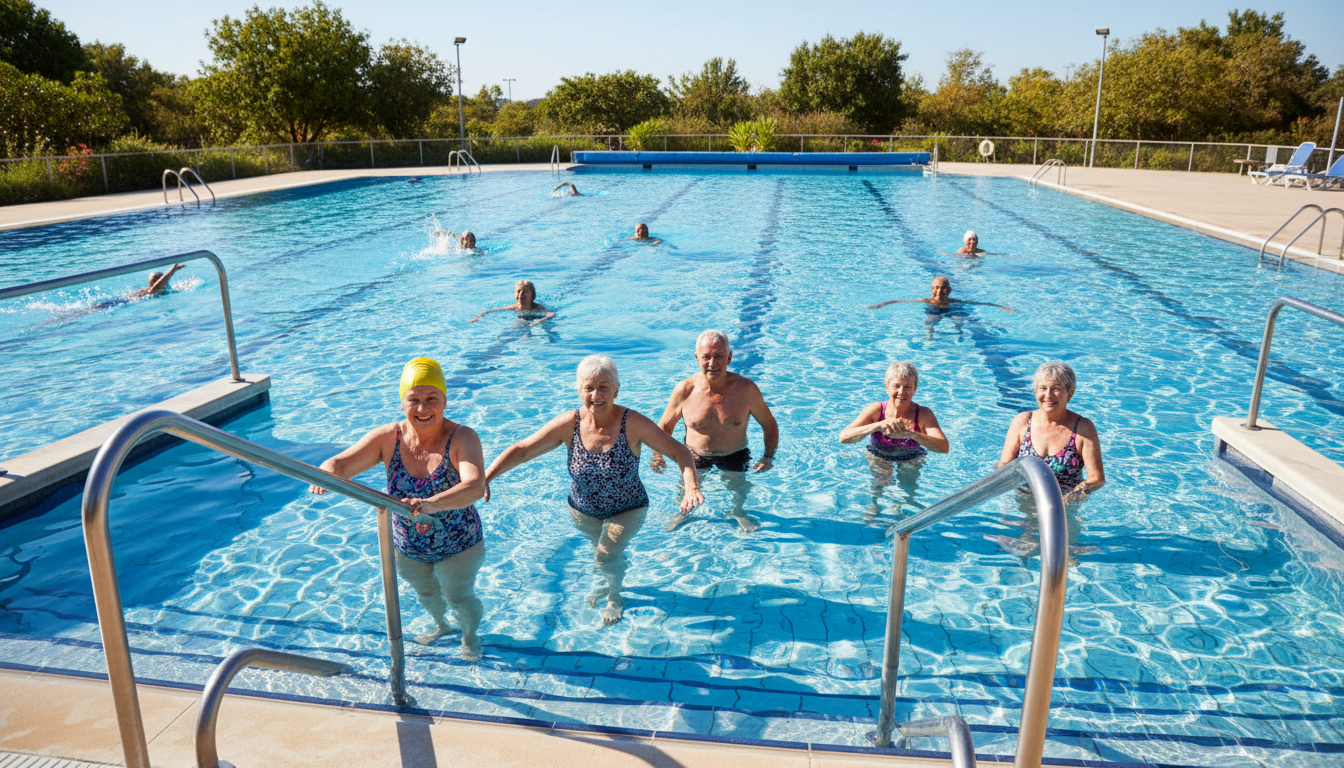
Swimming for Older Adults: A Practical Guide to Health, Safety, and Technique
Swimming for older adults is a gentle way to support heart health, ease joint pain, improve balance, and feel better overall.
Swimming for older adults is one of those things that sounds almost too simple to be as helpful as it is. But then you talk to people who swim regularly—or you try it yourself—and it starts to make perfect sense. The water takes some of the pressure off. The body moves more freely. Exercise stops feeling like punishment and starts feeling, if not exactly fun, at least far less rude.
I’ve always thought that counts for a lot.
By a certain point in life, most people are not looking for a workout that leaves them wrecked for two days and weirdly proud of it. They want something they can actually keep doing. Something that helps them stay mobile, steady, and strong without making every joint file a complaint. That’s where swimming really shines.
Swimming for older adults can help support heart health, improve mobility, ease arthritis pain, build strength, and even lift mood. It can also be a good answer for people who used to enjoy exercise but now find that their body has become a bit more… opinionated. Fair enough. Bodies do that.
This guide covers the main health benefits of swimming for seniors, the strokes and techniques that tend to work best, the aquatic programs worth looking into, and the safety habits that make pool time feel easier and more comfortable.
Key Takeaways
- Swimming is a low-impact exercise that helps older adults stay active without putting as much strain on the joints.
- Regular swimming may support heart health, blood pressure, circulation, and stamina.
- Water can ease stiffness and make movement more comfortable for seniors with arthritis.
- Breaststroke, backstroke, and water walking are often good options for older adults.
- Water aerobics and adaptive swimming programs can make exercise feel more approachable.
- Swimming may also help with balance, mood, coordination, and social connection.
What Are the Health Benefits of Swimming for Seniors?
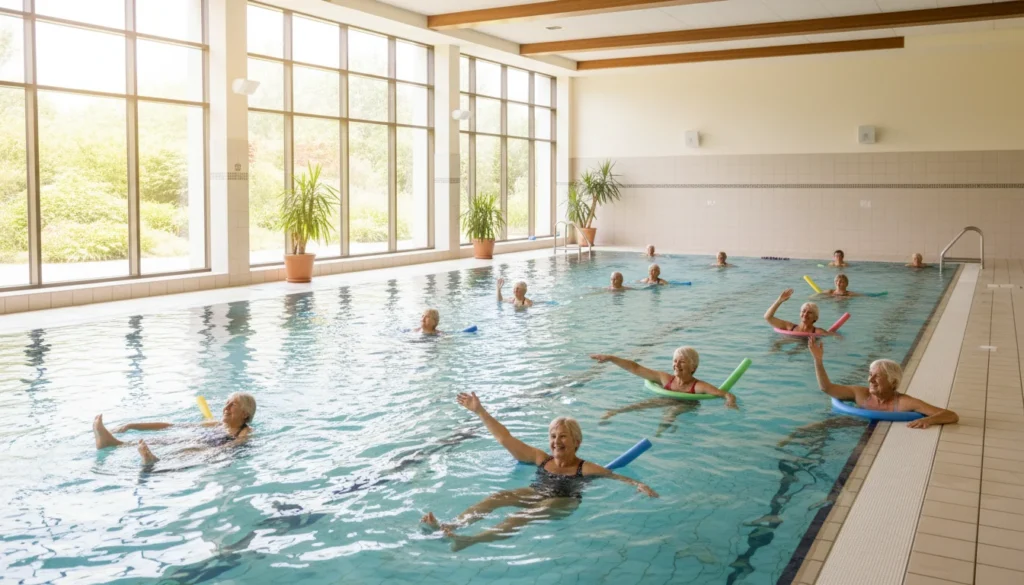
Swimming for older adults works so well because it gives support and resistance at the same time. That’s the sweet spot. The water holds you up, which takes some pressure off the joints, but it also makes the muscles work. So yes, it feels gentler. But it still counts.
That matters because a lot of older adults are not avoiding exercise because they “don’t care about fitness.” They’re avoiding it because some forms of exercise have started to feel uncomfortable, frustrating, or just plain exhausting in ways that aren’t worth it anymore.
And honestly? That’s understandable.
When walking starts aggravating the hips, when high-impact workouts feel ridiculous, or when soreness lasts longer than it used to, people start looking for something they can actually live with. Swimming is often that thing. It lets older adults move, stretch, breathe, and build strength without the same pounding that comes with many land-based workouts.
A lot of the benefits show up in ordinary life. Not in dramatic before-and-after photos. In real life. Getting out of bed and feeling less stiff. Climbing stairs without getting as winded. Reaching, bending, walking, carrying things. The small stuff. The stuff that actually makes a day easier.
How Does Swimming Improve Cardiovascular Health in Older Adults?
Swimming for older adults can be a very solid form of cardio. It gets the heart rate up, improves circulation, and helps the heart and lungs work more efficiently over time.
The nice part is that it often feels more manageable than land-based cardio. The water supports the body, so even when the workout is doing its job, it usually doesn’t feel as jarring. That can make it easier for older adults to stay consistent, and consistency is where the real payoff shows up.
A 2024 study on older adults found that high-intensity interval swimming improved cardiovascular endurance, while aquatic resistance training improved muscular strength and endurance. The study also noted better agility. That’s useful because it shows that time in the pool can help in more than one way.
In daily life, better cardiovascular fitness can mean walking farther without needing a break, handling errands more comfortably, and feeling less worn out by basic activity. That may not sound flashy, but it’s meaningful.
Can Swimming Enhance Joint Mobility and Relieve Arthritis Pain?
Yes, and this is one of the biggest reasons swimming for older adults gets recommended so often.
Water reduces the stress placed on the joints, which can make movement feel smoother and less painful. For seniors with arthritis, that can be the difference between avoiding movement and actually being willing to do it.
A 2016 study by M. Alkatan found that swimming and cycling training improved physical function and reduced pain in patients with osteoarthritis. That’s a big deal because pain tends to shrink a person’s routine. People move less, then stiffness gets worse, then movement feels harder, and the whole thing becomes a frustrating loop.
Swimming can help interrupt that pattern. Not in some miracle-cure way. More in a “finally, something that doesn’t make this worse” kind of way.
And sometimes that’s exactly what people need.
Which Swimming Techniques Are Best Suited for Older Adults?
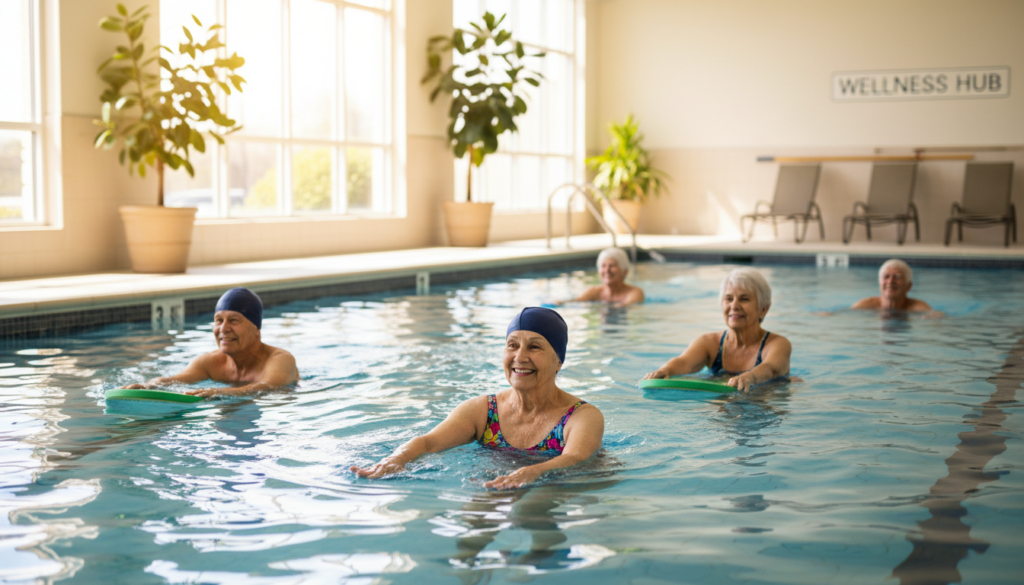
Swimming for older adults doesn’t need to be fancy. In fact, it’s usually better when it isn’t. The goal is not to look impressive. The goal is to find something that feels comfortable enough to repeat.
What Are Safe and Effective Swimming Strokes for Seniors?
A few strokes and pool exercises tend to work especially well for older adults:
- Breaststroke: Good for a steady pace and simple breathing.
- Backstroke: Often easier on the neck and lets the face stay above water.
- Water walking: Great for seniors who want a low-impact workout without swimming laps.
Freestyle can work too, especially for people who already know how to do it well, but it’s not essential. Nobody needs bonus points in the pool.
How Can Seniors Optimize Their Swimming Form to Prevent Injuries?
This part doesn’t have to be complicated. Older adults usually do best when they focus on a few simple habits:
- Keep the head aligned with the spine.
- Use relaxed kicks instead of forceful ones.
- Move the arms smoothly instead of rushing.
- Stop before the body feels overworked.
That last one is underrated. It’s usually better to finish a swim feeling good than to spend the rest of the afternoon walking around like your shoulders are staging a protest.
If a senior is new to swimming or coming back after a long break, even one session with a swim instructor can help. Small changes in posture or breathing can make the whole thing feel easier.
What Aquatic Exercise Programs Are Ideal for Seniors?
Swimming for older adults doesn’t have to mean swimming alone. Some seniors love solo time in the pool. Others do better when there’s a class on the calendar and an instructor telling them what comes next.
How Do Water Aerobics Benefit Older Adults?
Water aerobics is one of the best options for seniors because it mixes cardio, resistance, and mobility work in a way that stays easy on the joints.
These classes can help older adults build endurance, strengthen muscles, and move with more confidence. They also tend to be more approachable than many workouts on land, especially for people who don’t feel at home in a gym.
And then there’s the social side, which really does matter. Seeing familiar faces, chatting before class, having a little routine—those things help people come back. Healthy habits are easier to keep when they feel connected to real life instead of floating somewhere in the abstract category of “things I should probably do.”
What Are Adaptive Swimming Programs Tailored for Seniors?
Adaptive swimming programs are designed for older adults who need more support. That can include seniors with mobility challenges, chronic pain, balance concerns, or lower confidence in the water.
These programs often include:
- modified movements
- flotation aids
- slower pacing
- one-on-one instruction
That flexibility is the whole point. Good adaptive programs work with the person instead of expecting the person to work around the program.
How Can Older People Swim Safely?
Swimming for older adults is generally very safe, but a few habits make it even safer.
What Safety Tips Should Seniors Follow While Swimming?
A short checklist feels more useful here than a giant block of text:
- Swim with a buddy or when staff are nearby.
- Build up gradually instead of doing too much too soon.
- Drink water before and after swimming.
- Use a warm-water pool if stiffness is a problem.
- Stop right away if there’s dizziness, chest pain, unusual weakness, or shortness of breath.
That’s not being overly cautious. That’s just being sensible.
Which Adaptive Swimming Equipment Enhances Safety and Comfort?
A few simple items can make swimming for older adults feel easier and more comfortable:
- Pool noodles for support
- Kickboards for controlled movement
- Flotation belts for stability
- Water shoes for grip around the pool
- Goggles that fit well and don’t leak every five seconds
The equipment is not the point, of course. Comfort is. When people feel steadier and less distracted by annoying little problems, they’re more likely to keep showing up.
How Does Swimming Support Balance and Overall Well-Being in Seniors?
Swimming for older adults helps with more than fitness. It can make people feel steadier, looser, and more comfortable moving through everyday life.
In What Ways Does Swimming Improve Balance and Reduce Fall Risk?
Swimming and aquatic exercise help strengthen the core and improve coordination. The body has to keep adjusting in the water, and that can support better balance over time.
Falls are a major health concern for older adults. The World Health Organization identifies falls as one of the leading causes of injury in later life. A 2019 systematic review by L. Burgess found that aquatic exercise may improve fall-risk factors in older adults, including strength, flexibility, and balance.
The pool can be a helpful place to work on those things because it feels safer than land. People often move more naturally when they aren’t worried about falling.
How Does Regular Aquatic Exercise Promote Mental and Physical Health?
This is one of my favorite parts of the conversation around swimming for older adults, because the benefits are not just physical.
Swimming can be calming. The rhythm helps. The water helps. The fact that nobody can hand you a grocery list while you’re in the deep end probably helps too.
Regular aquatic exercise may help older adults:
- reduce stress
- improve mood
- feel less isolated through classes or group swims
- build a routine that actually feels pleasant
That last one matters. People are far more likely to stick with movement when it doesn’t feel like weekly punishment.
Aquatic Program Comparison for Seniors
| Aquatic Program | Focus Area | Benefits |
|---|---|---|
| Water Aerobics | Strength & Endurance | Builds muscle tone and cardiovascular fitness with low impact |
| Adaptive Swimming | Personalized Instruction | Tailors technique and pace to individual needs for safer exercise |
| Recreational Swimming | Enjoyment & Relaxation | Supports mental wellbeing and social connection |
The table above gives a quick look at common aquatic options for seniors. The best fit depends on health needs, comfort level, and whether a person wants structure or a more casual swim.
Frequently Asked Questions
What should seniors consider before starting a swimming routine?
Before starting swimming for older adults as a regular routine, it’s smart to check with a healthcare provider, especially if there are heart concerns, mobility limitations, chronic pain issues, or recent surgeries. It also helps to choose a pool that feels accessible and comfortable.
How often should older adults swim to see health benefits?
Two to three sessions per week is a good starting point for many seniors. Sessions of 30 to 60 minutes can support heart health, strength, and mobility over time.
Are there specific warm-up exercises seniors should do before swimming?
Yes. Gentle shoulder rolls, ankle circles, hip movements, and a few minutes of water walking can help the body ease into exercise.
What are the benefits of swimming for mental health in seniors?
Swimming can help lower stress, improve mood, and create a greater sense of calm. Group classes may also help older adults feel more connected.
How can seniors find suitable swimming facilities or programs?
Community centers, public pools, YMCAs, rehabilitation centers, and local gyms often offer senior-friendly aquatic classes. Look for warm-water pools, handrails, shallow-entry areas, and instructors with experience working with older adults.
What should seniors do if they feel tired or unwell while swimming?
They should stop immediately, get out of the pool safely, rest, and drink water. If symptoms continue, medical attention should be sought promptly.
Conclusion
Swimming for older adults is one of the most realistic ways to stay active without making the body miserable in the process. It supports heart health, joint comfort, balance, strength, and mood, all while feeling more manageable than many other forms of exercise.
What I like most about it is that it works with the body instead of constantly fighting it. For older adults who want movement that feels useful, gentle, and sustainable, that’s a pretty strong reason to keep coming back to the pool.