
Low-Cost Healthcare in 2026: New Senior Living Plans & Care | Vanika
A friendly, practical guide to new senior living—modern amenities, care options, tech, costs, and trends shaping retirement today.
The landscape of new senior living has evolved a lot—and honestly, it’s about time. If your mental image of senior living still involves beige hallways, mystery meat casseroles, and a TV permanently tuned to the Weather Channel… I get it. That picture stuck around for decades.
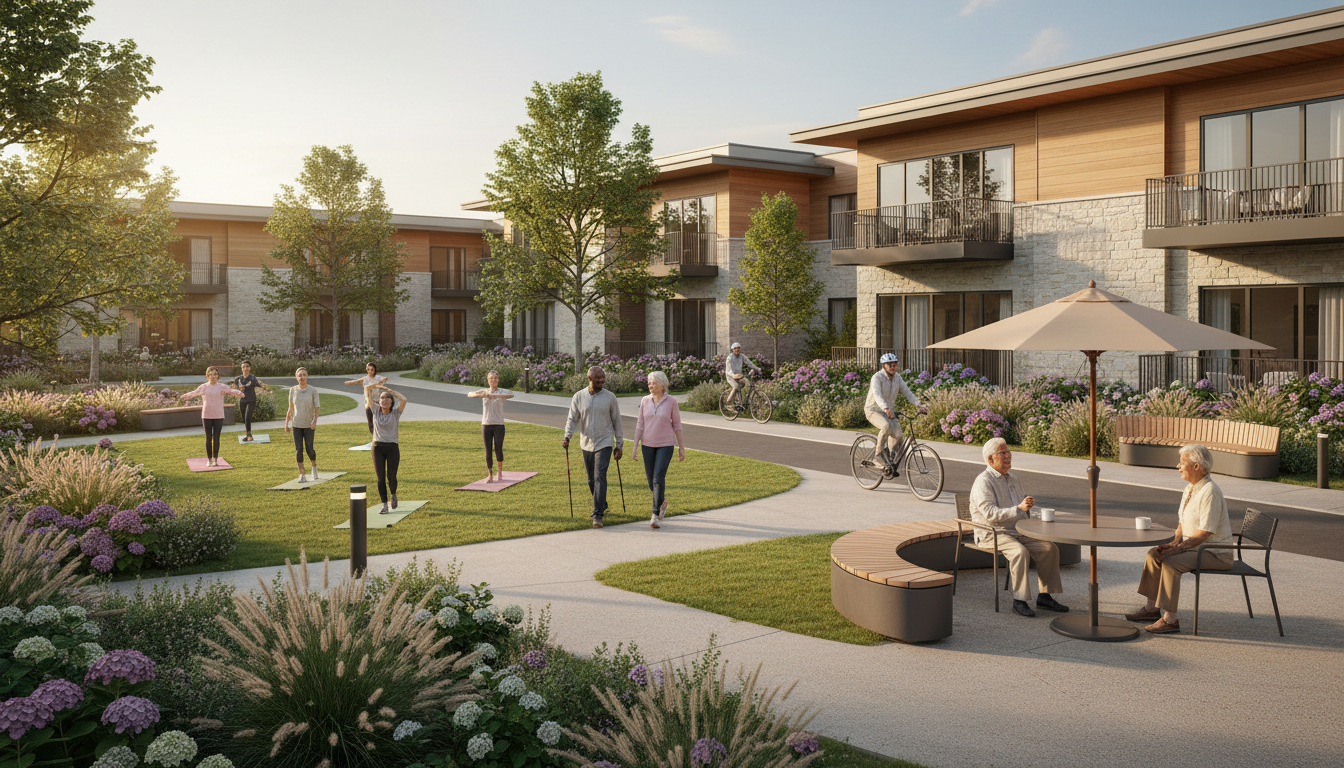
But here’s what I’ve noticed (and what surprised me the first time I toured a community with a family member): today’s new senior living communities look and feel more like purpose-built neighborhoods than “facilities.” They’re designed for older adults who want an active lifestyle, real social connection, and just the right amount of support—without giving up independence.
This comprehensive guide breaks down the features, benefits, and options available in new senior living, with a focus on how these communities can genuinely improve day-to-day life. We’ll explore what defines modern communities, independent living options (including active adult communities 55+), innovations in assisted living and memory care, financing strategies, and the trends shaping what’s next.
What Defines New Senior Living Communities? Modern Features and Resident Benefits
New senior living communities are typically defined by modern amenities, updated design, and a bigger emphasis on wellness and engagement than older models ever had. And while that might sound like marketing copy, you can feel the difference when you walk in.
These communities often prioritize accessibility, social connection, and health—while still leaving plenty of room for personality. Instead of building around a clinical “care-first” mindset, many newer communities build around living well first, with support layered in.
The integration of technology and thoughtful design plays a huge role here, too. Not “tech for tech’s sake,” but things that make life easier: safer bathrooms, better lighting, smoother floor transitions, and smart systems that help residents stay independent longer.
How Do Modern Senior Apartments Enhance Quality of Life?
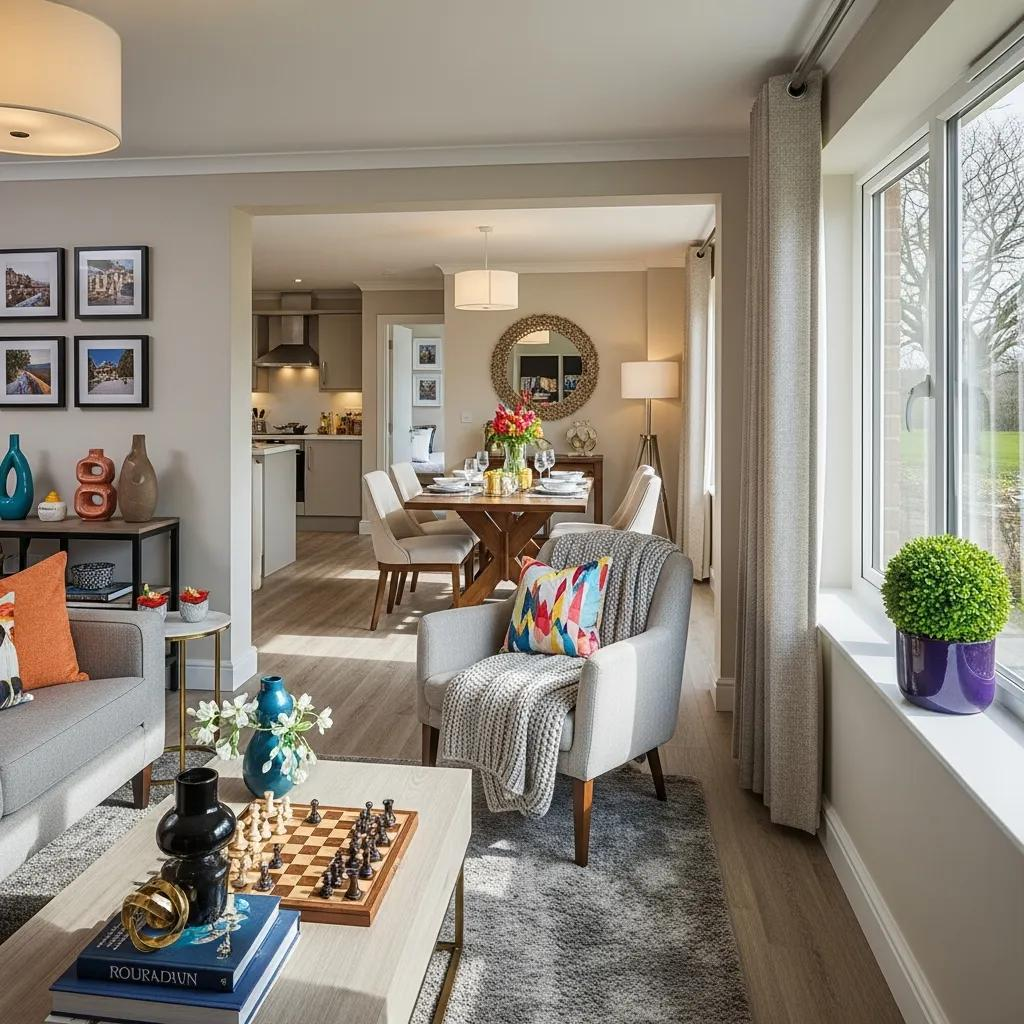
Modern senior apartments are designed with older adults in mind—without making residents feel like they’re living in a medical supply catalog. You’ll often see open floor plans, wider doorways, lever-style handles, strong lighting, and non-slip surfaces. Those details sound small until you’re carrying groceries, using a walker, or just trying not to do the accidental “shuffle-slide” on a slick floor.
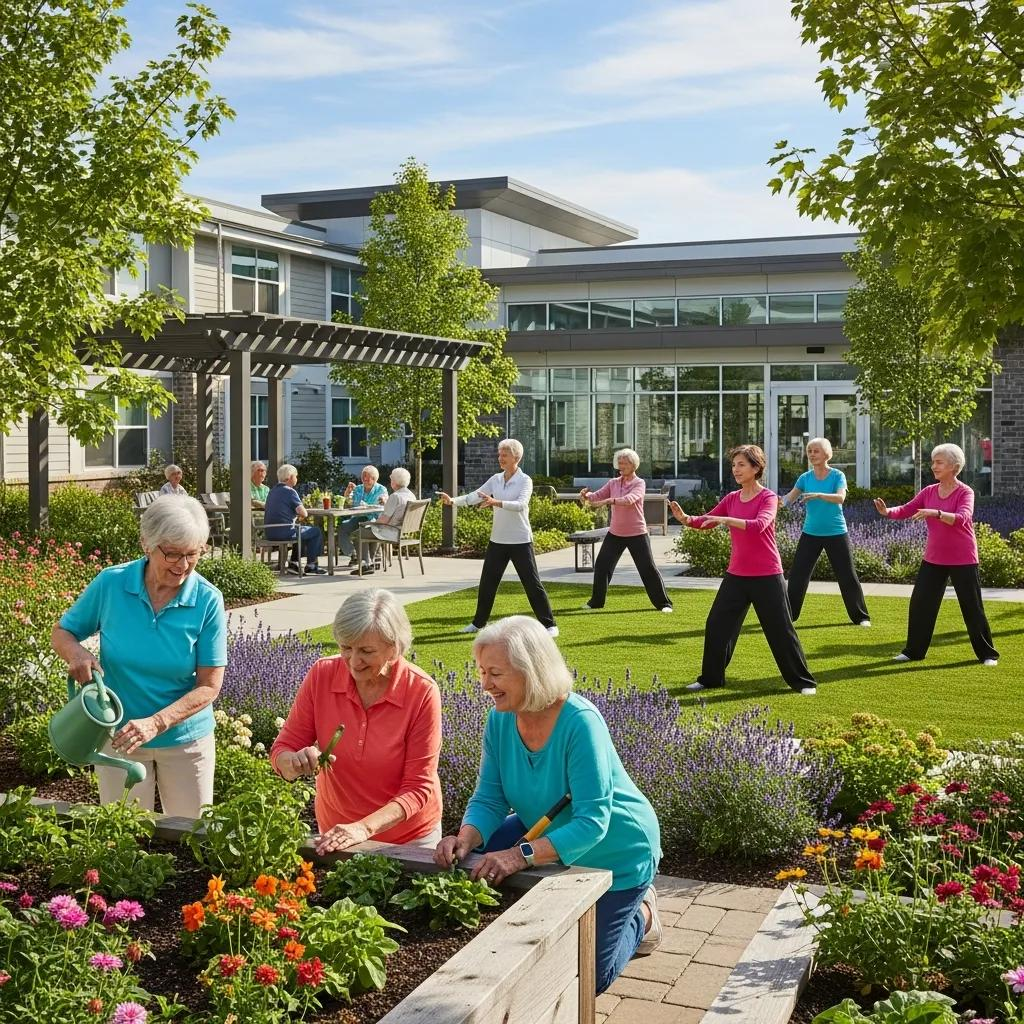
Many new senior living communities also weave wellness and social programs into daily life: fitness classes, walking groups, hobby clubs, and community events that make it easier to meet people without it feeling forced.
And here’s the thing I don’t think we talk about enough: these environments can support mental health too. Social connection isn’t just “nice”—it’s protective. A widely cited review by Holt-Lunstad and colleagues (PLOS Medicine, 2010) found that strong social relationships are associated with a significantly higher likelihood of survival. That doesn’t mean a book club is a magic shield, but it does reinforce why community matters.
What Are the Key Amenities in New Retirement Communities?
New senior living and modern retirement communities offer amenities that match the interests and needs of today’s older adults—who, by the way, are not a monolith. Some people want pickleball and Pilates. Others want gardening, woodworking, and a quiet library. The best communities build choices into the experience.
Key amenities often include:
Fitness centers that offer modern equipment and senior-friendly classes.
Dining options that go beyond “three meals a day” and lean into nutritious menus, flexible times, and social dining.
Social activities—events, clubs, outings, and celebrations that make it easy to stay connected.
Wellness programs focused on physical, mental, and emotional well-being.
These amenities aren’t just “extras.” In the best new senior living communities, they’re part of the reason residents feel like they gained a lifestyle—not just a new address.
Which Independent Living Options Support Active Adult Communities 55+?
Independent living options for adults 55+ are designed to balance autonomy and convenience. You’re still living your own life, but you’re handing off the chores and the “ugh” parts of homeownership. No more mowing, fewer surprise repairs, and a lot less time spent Googling “why is my water heater making that noise?”
In new senior living, independent living commonly includes apartments, cottages, and sometimes townhomes. The right fit depends on lifestyle and budget—plus how much you value privacy versus built-in community.
What Lifestyle Programs Foster Engagement in Active Adult Communities?
Active adult communities often stand out because they invest in programming that helps residents actually use the community—not just live near it.
Common lifestyle programs include:
Art and craft classes for creativity and skill-building.
Fitness and wellness workshops for strength, mobility, balance, and confidence.
Social clubs built around shared interests like gardening, reading, travel, games, or volunteering.
The best programs don’t feel like “activities to keep you busy.” They feel like invitations. And if you’re thinking, “But I’m not really an ‘activities person,’” I’ve watched plenty of people change their tune after they found their thing.
How Does Luxury Independent Living Combine Comfort and Independence?
Luxury independent living communities bring high-end amenities into the independent living model—without turning life into an endless upsell.
Residents often enjoy larger apartments with modern finishes, more dining choices, concierge-style services, and robust social calendars. The key word is still independence: you can opt in to what you want, and ignore what you don’t.
In many new senior living communities, luxury also shows up in the details: better soundproofing, better lighting, more inviting common spaces, and more thoughtful design overall. It’s less about “fancy,” more about “easy.”
How Are Assisted Living and Memory Care Innovating in New Senior Living?
Assisted living and memory care are evolving fast—especially within new senior living. The best innovations don’t replace people with technology. They help people deliver better, more personalized care.
Today’s focus is increasingly on dignity, personalization, and supporting autonomy wherever possible.
What Personalized Care Models Are Emerging in Assisted Living?
Emerging personalized care models in assisted living prioritize individual needs and preferences. In practice, that often looks like:
Customized care plans tailored to health needs, daily routines, and personal preferences.
24/7 support, with staff available around the clock for assistance and safety.
Holistic approaches that consider physical, emotional, and social well-being.
In other words: care that adapts to the person, not the other way around.
This focus lines up with a broader shift toward wellness-centered healthcare. One model often referenced is P4 medicine—Predictive, Preventative, Personalized, and Participatory—popularized by Dr. Leroy Hood. The goal is to catch issues earlier, tailor care, and keep people actively involved in their health. Connected health tools can support that shift by improving monitoring and communication.
Technologies for an aging society: a systematic review of “smart home” applications, G Demiris, 2008
How Is Technology Enhancing Memory Care Services?

Technology is playing a bigger role in memory care, especially in new senior living settings. The best tools support both residents and caregivers without making the environment feel cold or overly “tracked.”
Innovations include:
Monitoring systems that can alert staff to falls, wandering, or unusual patterns.
Cognitive engagement tools like games and apps designed to stimulate memory and attention.
Telehealth services that allow residents to access clinicians without the stress of travel.
Smart home concepts are often discussed in this space because they can improve safety and independence. As Demiris (2008) describes, smart home applications can monitor well-being and activities to improve quality of life and prevent emergencies.
The big win? When used thoughtfully, tech can reduce risk while preserving dignity—something families care about deeply, and something residents deserve.
What Financing and Affordability Options Exist for New Senior Living?
Talking about cost can feel like the least fun part of new senior living—but it’s also the part that keeps families up at night. The good news is there are multiple payment structures and support pathways. The tricky part is matching the right model to your budget and long-term needs.
How Can Middle-Income Seniors Access Affordable Senior Housing?
Middle-income seniors often feel squeezed: not always eligible for subsidies, but not eager (or able) to spend premium rates either.
Options that may help include:
Subsidized housing programs that provide government support for low- to moderate-income seniors.
Nonprofit organizations that offer resources, housing navigation, and sometimes reduced-cost communities.
Community resources—local agencies that can point you to waitlists, vouchers, and housing options.
A practical tip I’ve learned: start early. Many affordable options have waitlists, and getting your name in the system sooner can make a big difference.
What Payment Models and Financial Planning Strategies Are Available?
Payment models vary across new senior living communities, and understanding them upfront helps avoid surprises.
Common options include:
Monthly rent: a predictable monthly fee covering housing and services.
Buy-in programs: an upfront fee for long-term access to services and accommodations, often in Continuing Care Retirement Communities (CCRCs).
Long-term care insurance: may cover assisted living or memory care costs, depending on the policy.
If you’re comparing communities, don’t just compare sticker price—compare what’s included (meals, housekeeping, transportation, activities, care add-ons). Two communities can look “close” on cost until you realize one charges extra for everything short of breathing.
What Are the Latest Trends and Future Outlook for New Senior Living?
The senior living industry keeps changing because seniors keep changing. Expectations are higher, lifestyles are more diverse, and families want clearer information about quality, safety, and value.
How Are Demographic Shifts Influencing Senior Living Development?
Demographic shifts—especially the aging baby boomer population—are fueling demand for more options and better experiences.
Developers are responding by building more flexible community designs that prioritize accessibility and social connection. And in new senior living, we’re seeing more variety: active adult communities, urban senior apartments, wellness-focused campuses, and communities designed for specific interests or lifestyles.
What Innovations Are Shaping the Future of Senior Living Communities?
Innovations in design, technology, and service delivery are shaping what’s next.
Key innovations include:
Smart home technology that improves safety and convenience.
Sustainable practices that reduce environmental impact and operating costs.
Wellness-centric designs that integrate nature, movement, and community spaces.
Further emphasizing technology, smart home systems are increasingly recognized for their role in independence.
Smart Home Technology for Senior Living & Independence
A “smart home” is a residence wired with technology features that monitor the well-being and activities of their residents to improve overall quality of life, increase independence and prevent emergencies. This type of informatics applications targeting older adults, people with disabilities or the general population is increasingly becoming the focus of research worldwide.
| Financing Option | Description | Eligibility |
|---|---|---|
| Subsidized Housing | Government assistance for low- to moderate-income seniors | Varies by income level |
| Buy-In Programs | Upfront fee for lifetime or long-term services | Typically requires financial assessment |
| Long-Term Care Insurance | Coverage for assisted living costs, depending on policy | Must be purchased prior to needing care |
Source mentioned: “Technologies for an aging society: a systematic review of ‘smart home’ applications,” G. Demiris (2008).
This table highlights financing options available to seniors. In real life, eligibility and availability vary by state, community, and timing—so it’s worth confirming details directly with providers and local agencies.
Conclusion: Choosing New Senior Living With Confidence
In summary, the world of new senior living is full of opportunities for older adults to thrive—especially when communities are designed around real life: connection, wellness, autonomy, and support when needed.
If you’re exploring options, my best advice is simple: tour more than one place, ask the “awkward” questions (about staffing, fees, and care transitions), and pay attention to how the community feels. The best new senior living communities aren’t just well-appointed—they’re welcoming.
With the right fit, new senior living can be less about “downsizing” and more about upgrading your everyday life—one less chore, one more friend, and maybe even one more class you didn’t know you’d enjoy.





7 Comments
Comments are closed.