Creative Seniors Photography Ideas: Poses, Themes, Outfits & Outdoor Tips
Discover the best seniors photography ideas — from poses and themes to Indian ethnic wear and outdoor locations — for portraits that feel real, warm, and unforgettable.
Can I tell you something a little embarrassing? The first senior portrait session I ever photographed was, objectively, a disaster.
Not technically — the exposure was fine, the focus was sharp, the lighting was decent enough. But the photos were dead. The senior looked like she was waiting for a bus. I looked at the final images and felt that specific kind of disappointment that comes when you know something should have been better and you’re not entirely sure where it went wrong.
What went wrong, I eventually figured out, was that I treated the whole thing like a transaction. Show up, point camera, take photo, go home. I had zero seniors photography ideas beyond “stand here and look nice.” And “look nice” — as a creative direction — is about as useful as “just be yourself” is as life advice. Technically correct. Practically useless.
That session haunted me a little, honestly. In a good way. It made me obsessive about figuring out what actually makes a senior portrait work — not just technically, but emotionally. What makes someone look at their own photo and feel something real? What makes a family frame a portrait instead of file it away? What’s the difference between a photo that captures a person and one that actually sees them?
That’s what this whole guide is about. And I promise — it’s more interesting than it sounds.
Why Senior Portraits Are Actually One of the Most Meaningful Things You Can Photograph
I know that might sound like a bold claim. But hear me out.
Senior portraits sit at this fascinating intersection of identity, memory, culture, and time. They’re taken at a moment when someone is — whether they’re eighteen or eighty — standing at some kind of threshold. And when they’re done well, they capture not just what someone looks like, but who they are at that particular moment in their life. That’s not nothing. That’s actually kind of extraordinary.
A 2025 thesis titled Capturing Tradition: The Business, Branding, and Personal Identity of Senior Portraits in the Modern South spent eight years examining exactly this — tracing the rapid growth of senior portrait culture at the University of Mississippi through interviews with photographers and Southern Studies experts. What the research found was that regional traditions, social media, and shifting consumer expectations have completely transformed how these sessions are approached. Photographers aren’t just taking pictures anymore. They’re building visual identities. Preserving cultural legacies. Creating — whether they fully realize it or not — heirlooms.
I read that and felt genuinely seen, because it put language to something I’d been feeling for years without being able to articulate it. The stakes of a senior portrait are higher than they look. And that means the seniors photography ideas you bring to the session matter more than you might think.
Posing Seniors: Why “Just Smile” Is the Worst Direction in Photography
Okay, I need to get something off my chest.
“Just smile” is not a direction. “Act natural” is not a direction. “Relax” — said to someone who is visibly not relaxed — is not a direction. These are things we say when we don’t know what else to say, and they produce exactly the kind of photos you’d expect: technically present, emotionally absent.
Real posing — the kind that produces images people actually love, the kind where someone looks at their own portrait and says “oh, that’s me” — starts somewhere completely different. It starts with curiosity about the person in front of you.
Before I think about angles or light or where to position someone, I want to know: What makes this person laugh without warning? How do they stand when nobody’s watching? Are they the type who’ll lean against a wall like they’ve been doing it their whole life, or do they need twenty minutes of easy conversation before they stop holding their breath? Do they have a nervous habit — touching their hair, shifting their weight, looking down — that I can work with instead of against?
That information is worth more than any posing guide ever printed. And I mean that.
Poses That Look Like Moments, Not Instructions
Here’s my honest shortlist of poses that consistently work for seniors — not because they’re technically correct, but because they create the conditions for something real to happen:
- The relaxed lean — against a wall, a tree, a railing, whatever’s nearby and feels natural. It removes the “I’m being photographed” stiffness almost immediately. Something about having something to lean on makes people exhale. And exhaling is everything.
- The walk-and-turn — ask the senior to walk slowly and glance back over their shoulder mid-stride. Motion creates energy. Energy creates life. And life is what separates a portrait from a passport photo.
- The seated candid — on steps, a bench, a low wall, even the ground if they’re game. Lowering the physical formality of the setting almost always lowers the emotional formality of the expression. It’s a small thing that makes a surprisingly big difference.
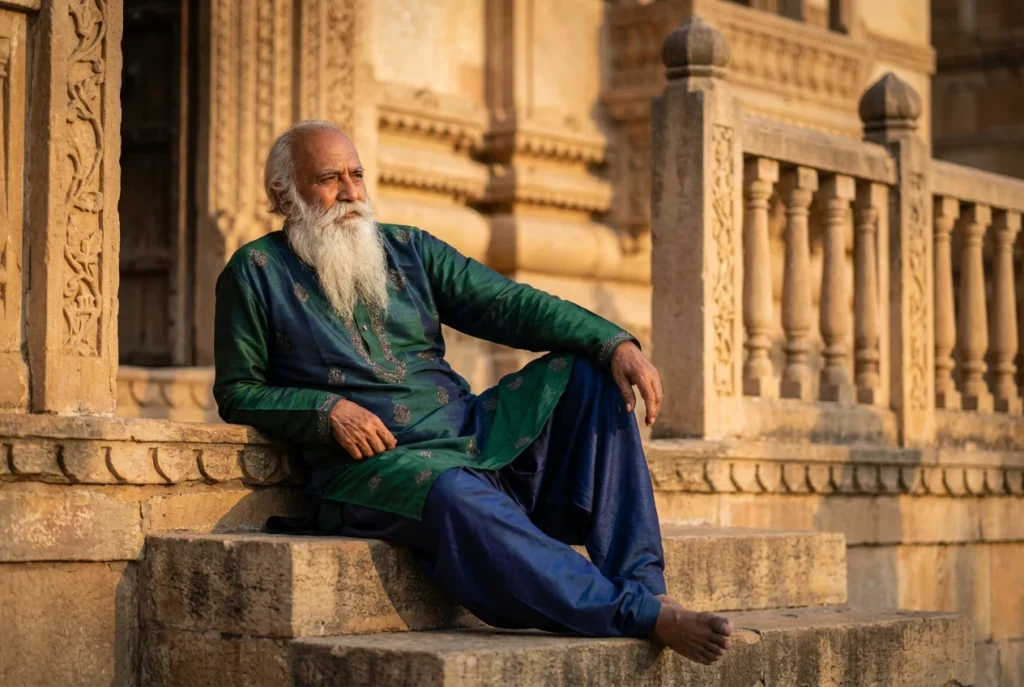
- The thoughtful gaze — looking slightly off-camera with a soft, unhurried expression. It’s contemplative, a little mysterious, and genuinely timeless in a way that direct-to-camera shots sometimes aren’t. It looks like a thought, not a performance.
- The real laugh — and I mean real, not the “ha ha okay I’m laughing now” version. Tell a genuinely bad joke. Share an embarrassing story about yourself. Make fun of something ridiculous. An unscripted laugh is worth a hundred rehearsed smiles, and the camera always, always knows the difference. Always.
The goal isn’t to manufacture emotion. It’s to create the right conditions for real emotion to surface on its own — and then be ready when it does. A slight tilt of the chin, a relaxed drop of the shoulders, a gentle shift in weight from one foot to the other — these tiny adjustments make a massive difference in how natural the final image feels. It’s less about directing and more about guiding. Less about control and more about trust.
Shooting Indian Ethnic Wear — Where Posing Gets Really Exciting
Okay, this is the part I genuinely love talking about, so bear with me.
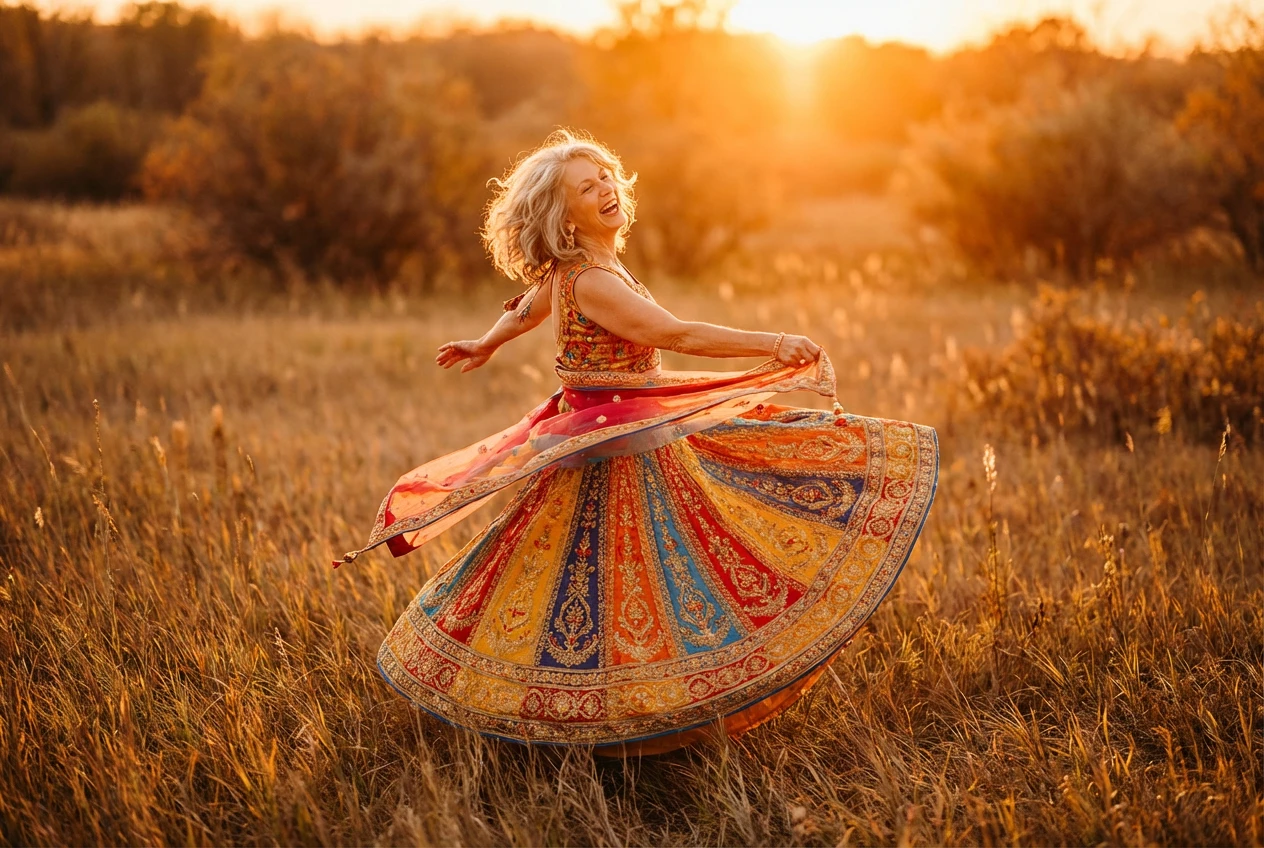
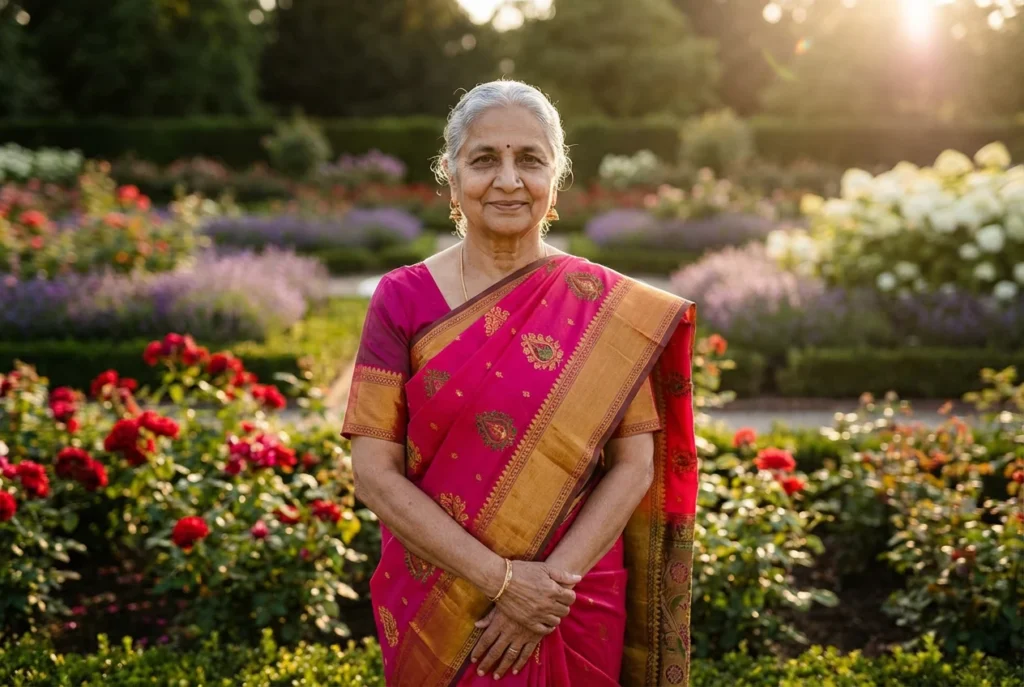
Traditional Indian garments — sarees, lehengas, salwar kameez — are not just beautiful. They are dynamic in a way that most Western clothing simply isn’t built to be. The way a saree drapes across the body creates natural lines that guide the eye through the frame. The way a lehenga flares mid-twirl is practically a physics demonstration in elegance. The way a dupatta catches even the faintest breeze turns a simple outdoor portrait into something that looks like it belongs in a fashion editorial — without a single extra effort from anyone.
Poses that introduce gentle, unhurried movement work especially well with these garments. A slow twirl shows off the full sweep of a lehenga in a way that no static pose ever could — you have to see it to believe how much difference it makes. A soft, deliberate adjustment of the dupatta creates an intimate, personal moment — like you’ve caught someone in a quiet gesture they weren’t performing for anyone. A graceful walk through a garden lets the fabric flow naturally, producing images that feel effortless and alive.
But here’s the part that genuinely moves me, every single time: there’s an emotional dimension to shooting seniors in traditional ethnic wear that goes way beyond aesthetics. When someone wears clothing that genuinely connects them to their heritage — not just dresses them up in it, but connects them to something real and deep — something shifts. In their posture. In their expression. In the way they hold themselves. There’s a quiet pride that comes through that you cannot direct, cannot manufacture, cannot fake. It just is. And it’s one of the most beautiful things I’ve ever had the privilege of photographing.
Posing Fusion Outfits — Two Stories, One Frame
Fusion looks — a traditional skirt with a contemporary blouse, a kurta styled with modern accessories and shoes that shouldn’t work but absolutely do, ethnic embroidery on a silhouette that feels completely current — are telling two stories at once. The posing should reflect that.
Close-up shots work brilliantly here, drawing the eye to the craftsmanship — the embroidery, the fabric texture, the accessories that took someone twenty minutes to put together and deserve their own dedicated moment in the frame. Playful poses — a confident lean, a relaxed seated position, a casual stroll that shows off the movement of the fabric — let the outfit breathe and do what it was designed to do. The goal is contrast that feels chosen and intentional. It should feel like them — all of them, past and present, layered together in a single image.
Senior Photo Shoot Themes That Actually Mean Something to the Person in the Photo
A theme isn’t a gimmick. I want to say that clearly, because I’ve seen “themed shoots” that felt like a Halloween situation — disconnected, performative, a little uncomfortable for everyone involved including the photographer. A real theme is something else entirely. It’s the invisible thread that makes every decision — location, outfit, props, poses — feel like it belongs to the same story. Like it was all chosen on purpose, by someone who actually thought about it.
The best seniors photography ideas are almost always theme-driven. And the best themes are almost always deeply personal.
Cultural Heritage Themes — The Ones That Make People Cry (In the Best Way)
For seniors with strong cultural roots, a heritage-themed shoot can be one of the most emotionally resonant experiences in the entire portrait process. I’ve watched people tear up looking at their own photos during these sessions — not because the lighting was technically perfect, but because the image felt true to something deep and real about who they are and where they come from.
Indian ethnic wear is a natural anchor for this kind of session, but the theme extends well beyond the clothing itself. Think about what surrounds it and supports it:
- Historic or architectural settings — temples, heritage buildings, ornate doorways, sites that carry cultural weight and visual texture that complements rather than competes with the garment
- Traditional props — handcrafted textiles, pottery, musical instruments, family heirlooms that have their own stories and their own quiet, dignified presence in a frame
- Natural environments — gardens, courtyards, landscapes that evoke a sense of place and history and rootedness that no studio backdrop, no matter how expensive, can replicate
These elements don’t just look beautiful — they mean something. And that meaning is visible in the final image, even to someone who doesn’t know the story behind it. That’s the power of intentional, culturally grounded seniors photography. It communicates without explaining.
Fusion and Contemporary Themes — Honoring the Past While Living Fully in the Present
Not every senior wants a traditional shoot. Some want something that says: I carry my roots with me, and I also live fully in the present, and I’m not going to apologize for either one. That’s a valid and beautiful thing to want to say, and fusion themes say it better than almost anything else.
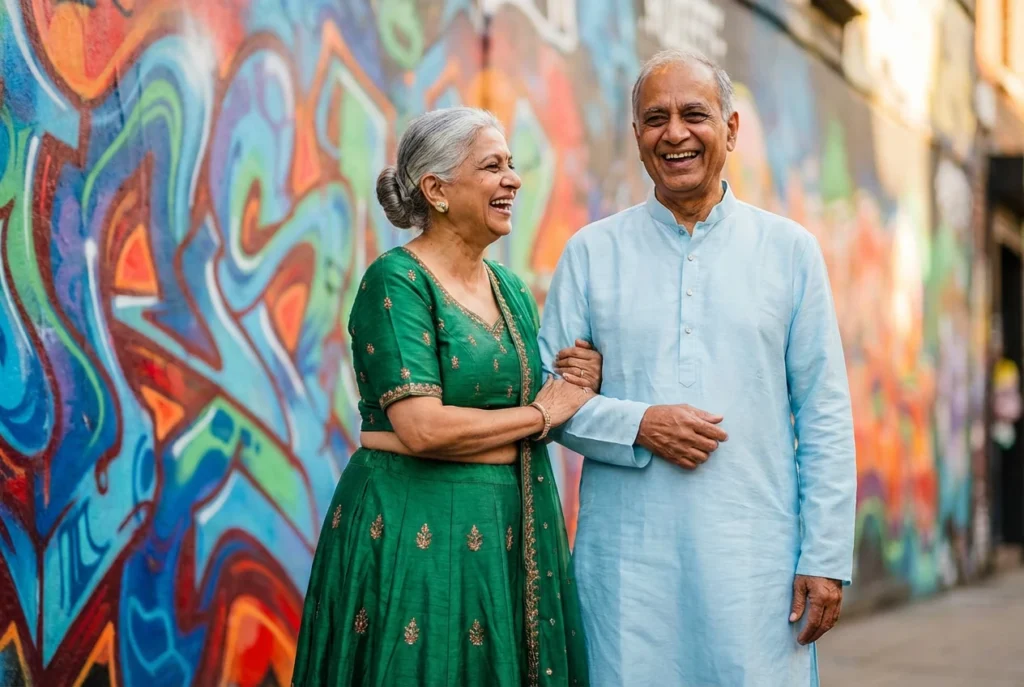
Pairing ethnic wear with urban backdrops — graffiti walls, sleek modern architecture, industrial spaces with interesting geometry and texture — creates a visual tension that feels bold and completely intentional. Bold accessories, contemporary hairstyles, unexpected props — all of these can amplify that message without overwhelming it. The key is contrast that feels deliberate. Not a happy accident. A choice.
Interest-Based Themes — Sometimes the Best Theme Is Just Being Yourself
A senior who’s passionate about music might bring their instrument and let it become part of the visual story. A bookworm might pose in a library or surrounded by a carefully curated stack of their most-loved titles. An athlete might incorporate their sport in a way that feels natural rather than staged. A gardener might shoot in their own backyard, surrounded by the plants they’ve been tending for years with their own hands.
These personal touches transform a portrait session into something genuinely reflective of who the person is. And that authenticity — that specific, particular, irreplaceable them-ness — is immediately visible in the final images. You can feel it coming off the photo. That’s what you’re going for.
What to Wear for Senior Portraits — And Why It Matters Way More Than You Think
Outfit selection is one of the most underestimated elements of senior portrait photography. I’ve seen technically brilliant photos fall completely flat because the outfit felt wrong — too stiff, too casual, too “I grabbed this from the back of my closet this morning and hoped for the best.” And I’ve seen simple, modest outfits absolutely sing because they fit perfectly and the person wearing them felt completely, genuinely at ease.
Here’s the truth nobody says out loud enough: the right outfit doesn’t just look good in a photo. It makes the senior feel good. And that feeling — that ease, that confidence, that comfort in your own skin — shows up in every single frame whether you’re looking for it or not.
Indian Ethnic Wear: A Quick Reference Guide
| Outfit Type | Description | Styling Tips |
|---|---|---|
| Sarees | Timeless, elegant draping that creates fluid, striking silhouettes | Pair with statement jewelry; try a modern drape for a fresh contemporary twist |
| Lehengas | Formal skirt-and-top combination, often with intricate embellishments | Choose lighter fabrics for comfort; use contrasting dupattas for visual depth |
| Salwar Kameez | Versatile tunic-and-pants ensemble, casual to semi-formal | Go for vibrant, rich colors; prioritize a well-fitted cut that allows natural movement |
Sarees photograph beautifully in motion — the drape creates natural lines that guide the eye through the frame in a way that feels almost choreographed. Lehengas are spectacular in wide shots where the full silhouette can breathe. Salwar kameez offers the most flexibility, making it ideal for seniors who want to move freely or switch looks mid-session without a full wardrobe production.
Styling Tips That Actually Make a Difference
For sarees — jewelry choices matter enormously. A statement necklace or chandelier earrings can elevate a simple saree into something that makes people stop mid-scroll and actually look. For lehengas — balance is everything. A heavily embellished skirt pairs best with a simpler top. And comfort is non-negotiable. If the senior is tugging at their outfit every five minutes, it will show in the photos. Every. Single. Time. For salwar kameez — deep jewel tones photograph beautifully outdoors. Emerald, sapphire, burgundy, a rich warm mustard. Colors that hold their own against natural backdrops without competing with them.
General Outfit Rules Worth Tattooing on Your Hand
- Fit over fashion, always — an outfit that fits perfectly will outperform a trendy one that doesn’t, every single time, no contest, end of discussion
- Solid colors over busy patterns — patterns pull attention away from the person wearing them, which is the opposite of what you want
- Skip the shiny fabrics — they reflect light in ways that are genuinely difficult to fix in editing, no matter how good your software is
- Layer thoughtfully — a scarf, jacket, or dupatta adds visual depth without adding visual noise
- Bring options — two or three outfit choices give the session variety and give the senior a sense of ownership over how they’re represented
Outdoor Locations That Make Senior Portraits Feel Like They Were Always Meant to Exist
Natural light is a photographer’s best friend. I’ve said it a thousand times and I’ll say it a thousand more because it keeps being true. But outdoor locations offer something beyond just good light — they offer context. The right setting doesn’t just serve as a backdrop. It becomes part of the story. It tells you something about the person standing in front of the camera without a single word being spoken.
Settings That Were Practically Made for Indian Ethnic Wear
There are certain settings where traditional ethnic wear just belongs — where the combination of garment and location creates something that feels almost cinematic without any extra effort from anyone. I’ve stumbled into these moments and had to remind myself to actually press the shutter.
- Formal gardens — manicured hedges, blooming flowers, symmetrical pathways that create a composed, regal backdrop that complements the elegance of a saree or lehenga without competing with it for a single second
- Historic architecture — ornate stonework, arched doorways, textured walls that echo the craftsmanship of traditional garments in a way that feels deeply, almost mysteriously intentional
- Natural landscapes — open fields, riverbanks, forested paths that feel organic and flowing, particularly beautiful with lighter fabrics that move with the environment rather than against it
- Culturally significant landmarks — temples, heritage sites, community spaces that add layers of meaning you simply cannot manufacture in a studio, no matter how hard you try or how much you spend
And if you can schedule the shoot during golden hour — that warm, directional window shortly after sunrise or just before sunset — please, please do it. The light during those windows does things for vibrant fabrics and intricate embroidery that no artificial lighting setup can fully replicate. It’s the kind of light that makes people look at a photo and quietly say, “wait… is that real?” That’s the light you want.
Urban Locations for Fusion and Contemporary Themes
Graffiti walls, modern architecture, rooftop terraces, industrial spaces with interesting textures and geometry — these locations create striking contrasts with traditional or semi-traditional outfits that feel genuinely fresh and current. They work especially well for seniors who want portraits that feel bold and a little unexpected. The kind of portraits that make people say, “that is so you” — and mean it as the highest possible compliment.
The Detail That Ties Everything Together
The most cohesive senior portraits happen when location, theme, and wardrobe are chosen with each other in mind from the very beginning. A heavily embellished lehenga in a formal garden feels polished and intentional. The same lehenga against a graffiti wall feels edgy and modern. Neither is wrong — but the choice should be deliberate. It should feel like a decision, not a coincidence.
And please — scout locations with the senior’s comfort genuinely in mind. A stunning location that requires a long hike over uneven terrain will leave the senior exhausted, and exhaustion shows up in photos whether you want it to or not. The best location is the one where the senior feels good, not just the one that looks good on your camera screen.
The Practical Stuff That Actually Makes or Breaks a Session
Even the most inspired seniors photography ideas can fall apart without solid execution on the day. Here’s what I’ve learned — through experience, through mistakes, through sessions that went sideways and sessions that exceeded every expectation I had going in — makes the real difference.
On timing: Shoot during golden hour whenever humanly possible. Avoid harsh midday sun — it creates unflattering shadows and makes everyone squint in a way that no amount of editing can fully fix. If midday is unavoidable, find shade or use a reflector. It’s not ideal, but it’s workable if you’re prepared.
On communication: Talk through everything beforehand — wardrobe, poses, locations, the overall vibe. Surprises are wonderful at birthday parties. They are not wonderful at photo shoots. Keep the atmosphere relaxed. Play music. Share stories. Take breaks when the energy dips. A comfortable senior is a photogenic senior. That’s not a theory — it’s a fact I’ve confirmed hundreds of times.
On seasons: Lean into whatever season you’re shooting in. Spring blooms, summer greenery, autumn foliage, winter frost — each season offers its own palette and mood. Subtle seasonal props — a bouquet of wildflowers, a cozy knit scarf, a handful of autumn leaves gathered right there on location — add a sense of place and time that makes the images feel grounded and real. Not generic. Not timeless in a bland, forgettable way. Real.
Here’s the Thing About Senior Portraits That Nobody Really Says Out Loud
The best seniors photography ideas — the ones that produce images people hang on their walls and pull out decades later and show to people who never even met the person in the photo — all share one thing in common. And it’s not a technical skill. It’s not a gear upgrade. It’s not a clever pose or a perfectly timed golden hour or a stunning location.
It’s this: they put the person first.
Not the outfit. Not the location. Not the theme or the lighting setup or the photographer’s creative vision. The person. Everything else — every single other decision in the entire process — is in service of telling their story as clearly and honestly and beautifully as possible.
I’ve photographed seniors in stunning lehengas in formal gardens and seniors in simple salwar kameez in their own backyards. I’ve done heritage shoots and fusion shoots and “I just want to look like myself” shoots. And the ones that worked — the ones that made people cry in the good way, the ones that got framed and passed down and treasured — were always the ones where the person in the photo felt seen. Not styled. Not directed. Seen.
That’s the whole job. And honestly? It’s a pretty good one.
So go make something worth keeping. Make it feel like them. Make it true. That’s everything.
Planning a senior portrait session? Start with the person. Build everything outward from there. And don’t be afraid to try something unexpected — the most memorable portraits are almost never the most predictable ones, and the ones people love most are almost always the ones that felt a little risky to take.