

Best Places to Live and Retire in 2026: A State-by-State Guide for Your Ideal Retirement Destination
The best places to live and retire in 2026, ranked by affordability, healthcare, taxes, and climate — compare the top U.S. retirement cities and destinations by state.
I once met a retired teacher at a conference who had spent two full years — spreadsheets, road trips, the whole operation — figuring out where the best places to retire are. She’d narrowed it down to eleven states. She visited nine of them. She talked to strangers at grocery stores. She sat in local diners and asked waitstaff if they’d retire there.
She landed in Asheville, North Carolina. She loves it.
Most people don’t have two years for that process, which is why having a clear, structured framework for comparing the best places to live and retire actually matters. This guide gives you the state-by-state breakdown — affordability, healthcare, taxes, climate, and amenities — so you can start from a much shorter list than eleven states.
Why Finding the Best Places to Live and Retire Takes More Than a Top-Ten List
The best places to retire aren’t universally agreed upon — because what makes a place great to retire in is deeply personal. A retiree managing a cardiac condition prioritizes something completely different than a healthy 62-year-old who wants hiking trails and a farmers market. Affordable retirement destinations matter enormously to someone on a modest fixed income and almost not at all to someone with a robust pension.
The framework that actually works: identify your non-negotiables first — budget ceiling, healthcare requirements, climate preference, distance from family — then use state-by-state data to filter down to a handful of candidates worth visiting in person.
Key Takeaways:
- Affordable retirement destinations like Little Rock, Jackson, and Albuquerque offer the lowest cost of living among major U.S. retirement cities
- Massachusetts and Minnesota lead on healthcare quality — essential for retirees managing complex medical needs
- No-income-tax states like Florida and Texas provide the strongest built-in income advantage on retirement withdrawals
- Active 55+ community options have expanded significantly in Florida, Arizona, and the Carolinas
- Climate, recreational amenities, and community social infrastructure all influence long-term retirement satisfaction as much as pure cost metrics
Most Affordable States for the Best Places to Live and Retire
How Cost of Living Shapes Retirement Destinations
The math of retirement income is unforgiving. A fixed monthly income of $3,500 covers dramatically different lifestyles depending on where you live. In a high-cost metro, it’s tight. In one of the genuinely affordable retirement destinations, it’s comfortable — sometimes generously so.
Housing drives the biggest variance. When median home prices are $150,000 instead of $450,000, the downstream effects ripple through everything: lower property taxes, lower insurance, lower maintenance costs, more disposable income for healthcare and travel. For retirees who haven’t accumulated significant assets, these are the best places to retire that make the math actually work.
Top Affordable Retirement Cities by State
| State | City | Cost of Living Index | Tax Benefits |
|---|---|---|---|
| Arkansas | Little Rock | 87 | Low state income tax |
| Mississippi | Jackson | 85 | Low property taxes + retirement income exemption |
| New Mexico | Albuquerque | 90 | Social Security exempt |
| Tennessee | Nashville | 85 | No state income tax |
| Florida | Orlando | 94 | No state income tax |
These retirement cities pair lower baseline costs with tax structures that further extend monthly spending power — a combination that makes them among the most practical retirement destinations for budget-conscious retirees in 2026.
Best States for Healthcare Quality Among Retirement Locations
How Healthcare Ratings Affect Where Retirees Move
Healthcare access is the variable most retirees underestimate when they’re 60 and overestimate when they’re 75. The gap between a city with a regional community hospital and one with an academic medical center matters enormously once you’re managing multiple conditions, need specialist access, or require rehabilitation services after a procedure.
The best places to retire for healthcare aren’t just about proximity to a hospital building — they’re about specialist availability, geriatric program depth, emergency response times, and the quality of long-term and in-home care options when needed.
Cities With Exceptional Medical Facilities for Retirees
| State | City | Healthcare Rating | Notable Facility |
|---|---|---|---|
| Massachusetts | Boston | 9.5/10 | Massachusetts General Hospital |
| Minnesota | Minneapolis | 9.4/10 | Mayo Clinic (Rochester proximity) |
| New York | New York City | 9.3/10 | NYU Langone Health |
| California | San Francisco | 9.1/10 | UCSF Medical Center |
| Florida | Miami | 8.7/10 | Jackson Memorial Hospital |
The trade-off with top-tier healthcare markets is cost — Boston and San Francisco are among the most expensive retirement areas in the country. For retirees with complex medical needs and sufficient assets, that trade-off is often worth making. For others, mid-tier cities — Albuquerque, Nashville, Orlando — offer respectable healthcare access at a fraction of the cost.
Tax Advantages at the Best Places to Live and Retire
State tax policy is one of the most concrete, quantifiable factors in retirement location decisions — and one that many retirees don’t fully evaluate until after they’ve moved.
Key Tax Benefits That Shape Retirement Destinations
No State Income Tax — Florida and Texas impose no state income tax, which means withdrawals from 401(k)s, IRAs, and pension income are untouched at the state level. For retirees drawing $50,000–$80,000 annually from retirement accounts, this represents thousands of dollars in annual savings compared to high-income-tax states.
Social Security Exemptions — Mississippi and New Mexico exclude Social Security benefits from state income taxation. For retirees whose income is primarily Social Security, this is a significant structural advantage built into the baseline of living there.
Property Tax Relief — Most states offer senior homestead exemptions or property tax freeze programs that cap annual increases for qualifying older adults. Amounts and eligibility thresholds vary significantly by county — verify specifics with a local tax advisor before making location decisions.
How Tax Policy Affects Long-Term Retirement Income
Over a 20-year retirement, the compounding effect of even modest annual tax savings is substantial. A retiree saving $3,000 per year in state income taxes compared to a higher-tax state saves $60,000 over two decades — money that funds healthcare expenses, travel, or simply a more comfortable margin. Factor both income and property taxes into your comparison, not just one or the other.
Climate and Amenities at the Best Retirement Areas
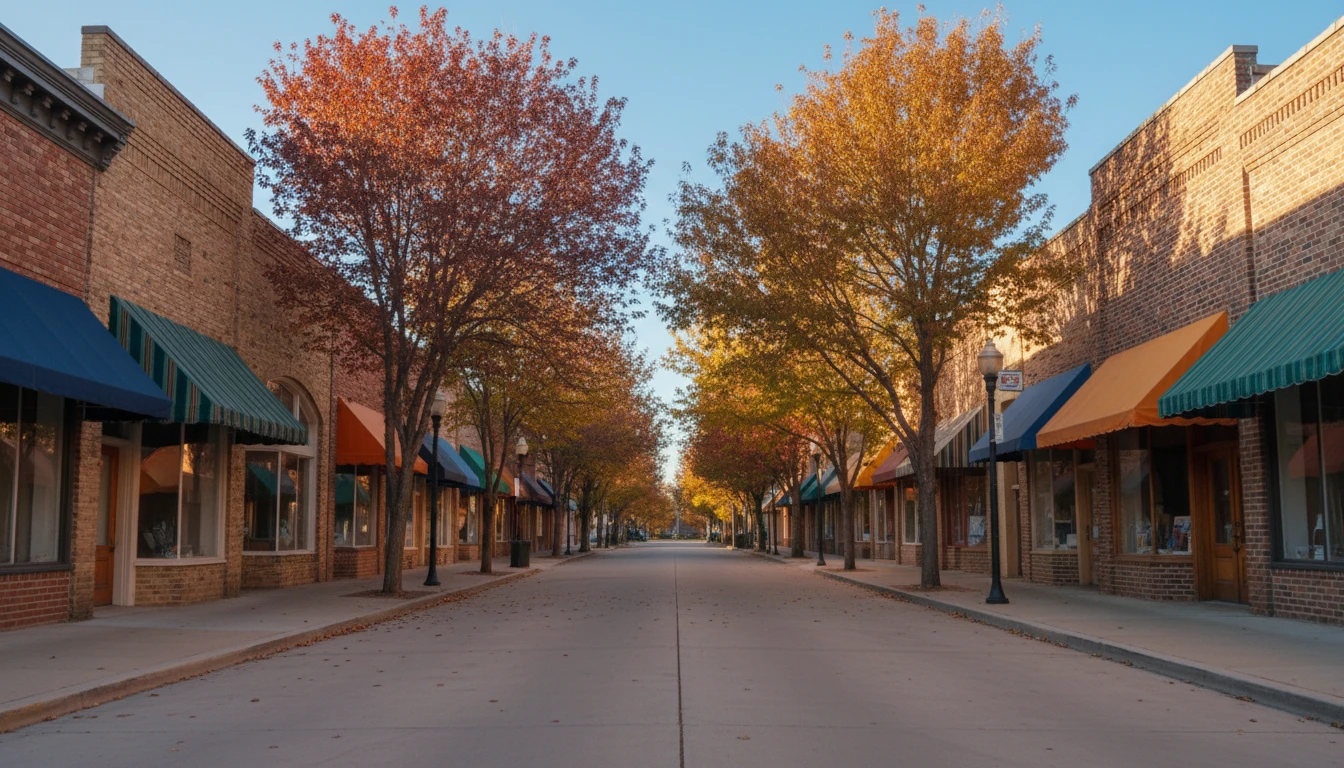
Best Climates for Comfortable Aging in 2026
Climate preference is personal, but certain patterns consistently emerge among retirees. Warm, dry climates — parts of Arizona, California’s inland valleys, and New Mexico — attract retirees managing arthritis, respiratory conditions, or simply the desire to spend more time outdoors. Mild coastal climates like the Carolinas and Gulf Coast Florida offer warmth with more humidity and seasonal variety.
For retirees who want four seasons without brutal winters, the western Carolinas, parts of Tennessee, and Colorado’s Front Range communities offer compelling middle-ground climates with strong retirement infrastructure developing around them and may be some of the options to consider for the best places to retire.
Best 55+ Community Options and Active Lifestyle Amenities
The expansion of active adult community options across Sun Belt states has been significant. Florida leads in sheer volume — The Villages, Del Webb communities, and dozens of independent active adult developments give retirees organized social infrastructure from day one. Arizona’s Scottsdale and Phoenix corridors have similarly robust active adult development. The Carolinas and Georgia are catching up rapidly.
What separates genuinely good retirement cities from merely warm ones is the amenity depth:
- Golf courses and walking trails — daily physical activity without requiring gym motivation
- Cultural programming — theaters, concert series, arts classes, and lecture programs that maintain mental engagement
- Volunteer and civic opportunities — community involvement that builds purpose and social connection beyond recreational activity
- Proximity to university towns — access to continuing education, cultural events, and the intellectual energy that college communities generate
The best places to retire with this full stack of amenities — affordable, good healthcare, favorable taxes, good climate, active community infrastructure — are genuinely rare. When you find one that checks all your personal boxes, it’s worth visiting twice before deciding.
Frequently Asked Questions
When should retirees start researching the best places to retire?
Five to ten years before your target retirement date is the practical window. That timeline lets you evaluate costs without urgency, make multiple visits to finalists, and adjust financial planning around your location choice rather than retrofitting a budget to a snap decision.
How do retirees find the best 55+ community options in a new state?
Start with state-level active adult community directories and national developers like Del Webb, Trilogy, and Latitude Margaritaville. Local real estate agents who specialize in senior housing are the most efficient on-the-ground resource — they know inventory, HOA cultures, and neighborhood-level dynamics that online listings don’t capture.
What healthcare services matter most when comparing retirement cities?
Primary care access, relevant specialists for your existing conditions, emergency response times, rehabilitation services, and in-home care availability. Verify which facilities accept Medicare and whether local providers are in-network for any supplemental coverage you carry.
Can retirees work part-time after relocating, and does it affect benefits?
Yes — many retirees work part-time for both income and engagement. If you’re below full Social Security retirement age, earned income above certain annual thresholds temporarily reduces benefits (recovered later). Consult a financial advisor to model the specific impact on your situation before taking part-time work.
What community activities matter most for long-term retirement wellbeing?
Research consistently links social connection, physical activity, and sense of purpose to better aging outcomes. Fitness classes, hobby clubs, volunteer roles, gardening groups, and creative arts programs all contribute. The best places to retire don’t just offer these — they make them easy to access and culturally normal to participate in.
Conclusion
The best places to live and retire in 2026 span a wide spectrum — from ultra-affordable retirement cities like Jackson and Little Rock to premium healthcare markets like Boston and Minneapolis, from no-income-tax Sun Belt retirement destinations to four-season mountain communities with expanding active adult infrastructure.
No single state wins every category. The best places to retire for you specifically depend on your budget, health needs, climate preference, proximity priorities, and the kind of daily life you’re actually trying to build. Use this guide to identify which states clear your non-negotiables, then visit the cities that make the short list. Retirement is too long and too important to choose from a spreadsheet alone.
About the Author
Josh Gibson is the founder of Vanika.com, a retirement-focused resource dedicated to helping individuals better understand retirement income, Social Security, pensions, taxation, and financial planning for retirement.
With over a decade of experience in digital publishing, SEO, and content strategy, Josh currently serves as the Search Engine Optimization Manager at IC-Agency, where he leads content and search optimization initiatives for various online brands.
Through Vanika, Josh combines his expertise in research-driven content creation with a strong interest in retirement education, helping readers access clear, trustworthy, and easy-to-understand information sourced from reputable organizations, government agencies, and financial resources.
Vanika’s editorial approach focuses on accuracy, transparency, practical guidance, and regularly updated content designed to support retirees and pre-retirees in making informed decisions.
For inquiries or collaborations:
Email: josh[at]vanika.com