

Comprehensive Diet Plan for Older Adults: Essential Nutrition and Practical Meal Strategies
A comprehensive diet plan for older adults, with simple food ideas, practical nutrition tips, and support for healthy aging.
As people get older, food starts doing more than just filling the hours between meals. It helps support strength, steady energy, bone health, digestion, and independence. That’s why a comprehensive diet plan for older adults matters. It isn’t about chasing perfect eating habits or trying to turn lunch into a wellness project. It’s about making food useful, comforting, and realistic.
I’ve always felt that nutrition advice gets less helpful the second it stops sounding like a real person wrote it. Most families are not cooking in some peaceful kitchen where everyone has endless time, a perfect appetite, and the energy to make beautiful balanced meals every day. Real life is messier than that. Sometimes a caregiver is tired. Sometimes an older adult is not hungry. Sometimes the healthiest plan in theory falls apart because it asks too much.
That’s where a good comprehensive diet plan for older adults can help. It should make life easier, not harder. This guide covers the nutrients older adults need most, common eating challenges like reduced appetite and medical restrictions, and meal strategies that actually work in daily life.
Key Takeaways
- A comprehensive diet plan for older adults should be practical, simple, and realistic enough to follow.
- Older adults often need fewer calories, but they still need strong nutrition.
- Protein matters because it helps support muscle, strength, balance, and independence.
- Calcium and vitamin D help support bone health.
- Hydration matters more than many people realize, especially because thirst may become less reliable with age.
- Malnutrition can show up quietly through low appetite, weight loss, low energy, or smaller meals.
- Simple, familiar foods often work better than overly ambitious meal plans.
- Smaller meals and snacks may be easier than large meals for some older adults.
- Lower-sodium meals can help support heart health and blood pressure.
- The best plan is usually the one a person can actually enjoy and keep doing.
Personalized Nutrition & Malnutrition in Older Adults

Malnutrition in older adults does not always look dramatic. A lot of the time, it creeps in quietly. Sometimes it looks like a person picking at food and saying they already ate earlier. Sometimes it shows up as lower energy, looser clothes, or skipped meals that slowly become a habit.
A few common signs can include:
- eating less without really noticing
- losing weight without trying to
- feeling weaker or more tired than usual
- relying on snack foods because cooking feels like too much
- losing interest in meals altogether
That is one big reason a comprehensive diet plan for older adults cannot be one-size-fits-all. Age changes appetite. Health conditions change what feels manageable. Medications can affect taste or digestion. Chewing may become harder. Cooking may become tiring. And sometimes the issue is not physical at all. Sometimes food just feels lonely.
A 2020 review by M. Randriambelonoro on food intake and personalized nutrition in the elderly found that appetite and food intake in older adults are influenced by a mix of things, including illness, physical limitations, changes in taste, and social isolation. That feels very true to real life. If food becomes tiring, bland, uncomfortable, or emotionally flat, people usually eat less.
I think this is where generic nutrition advice starts to break down. It talks about ideal meals instead of usable meals. But most of the time, what helps is something smaller and more personal. Maybe breakfast needs more protein. Maybe lunch needs to be softer. Maybe dinner needs to be easier to reheat. Maybe the favorite soup just needs beans or shredded chicken added to it.
A thoughtful comprehensive diet plan for older adults should ask a very practical question: what can this person actually enjoy and keep eating on an ordinary Tuesday?
What Are the Key Nutritional Needs for Older Adults?
At the center of a good comprehensive diet plan for older adults are a few basics that matter again and again:
- protein
- calcium and vitamin D
- fiber
- healthy fats
- hydration
It is not glamorous, but it is important. Older adults often need fewer calories than they used to, while still needing strong nutrition. In other words, meals have to pull their weight.
Muscle naturally declines with age. Bone density can weaken. Digestion may slow down. Thirst can become less obvious. Some medications also make things trickier by affecting appetite or nutrient absorption. So yes, food matters at every age, but later in life it can make a very noticeable difference in energy, comfort, and independence.
How Does Protein Support Muscle Health in Seniors?
Protein does a lot of heavy lifting in a comprehensive diet plan for older adults because it helps preserve muscle. And muscle matters for all the everyday things that keep a person feeling capable — walking, balancing, standing up, carrying bags, climbing stairs, even just moving through the house with more confidence.
Age-related muscle loss, called sarcopenia, can make those things harder over time. Many experts recommend that older adults aim for about 1.0 to 1.2 grams of protein per kilogram of body weight per day, depending on individual health needs and medical guidance.
Good protein options include:
- eggs
- Greek yogurt
- cottage cheese
- fish
- chicken
- beans and lentils
- tofu
- milk and cheese
- peanut butter or other nut butters
It also helps to spread protein across the day instead of treating dinner like the one big chance to get enough.
Honestly, I’m a big fan of low-effort upgrades here. Add peanut butter to oatmeal. Put beans into soup. Keep boiled eggs in the fridge. Use Greek yogurt instead of regular yogurt. These are not dramatic changes, which is probably why they actually stick.
Why Are Calcium and Vitamin D Crucial for Bone Strength?
Bone health deserves real attention in a comprehensive diet plan for older adults. Calcium helps maintain bone structure, while vitamin D helps the body absorb and use calcium the way it should.
As people get older, fracture risk can rise along with bone loss. And recovery from falls is no joke. A 2001 review on calcium, vitamin D, and bone disease in the elderly highlighted how important these nutrients are for supporting bone health and lowering fracture risk.
Helpful sources include:
- milk
- yogurt
- cheese
- fortified plant milks
- tofu made with calcium
- leafy greens like kale
- fatty fish
- egg yolks
- fortified foods
This part of nutrition is not exciting, but not everything useful is exciting. A lot of health support comes from plain, steady habits repeated over time.
Which Healthy Foods Are Best for Older Adult Nutrition?
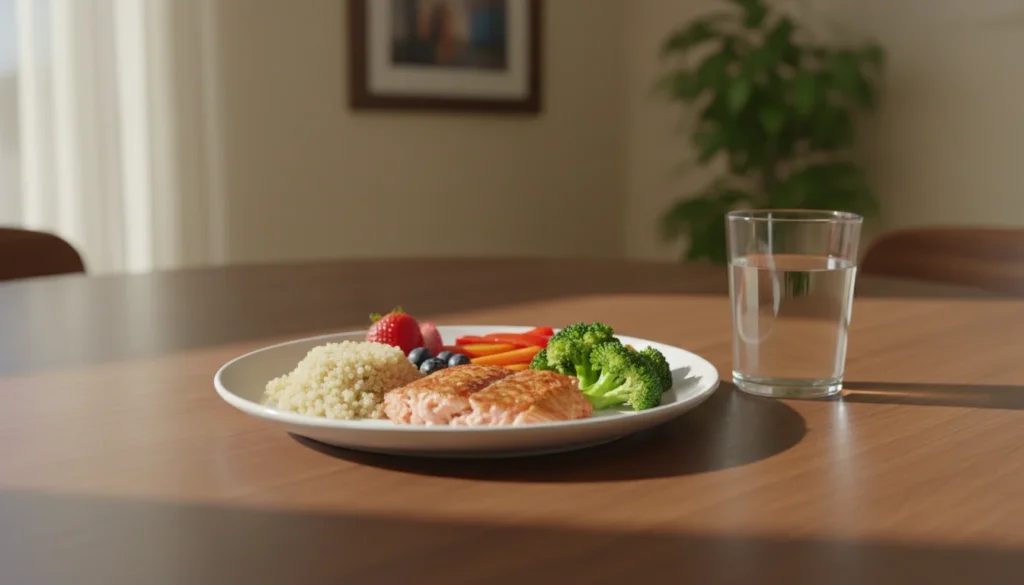
The best foods in a comprehensive diet plan for older adults are usually the foods that manage to be both nourishing and easy. Easy to cook. Easy to chew. Easy to keep around. Easy to want.
That usually means simple foods more than fancy ones. Things like eggs, oatmeal, yogurt, beans, soups, cooked vegetables, fish, chicken, soft fruit, toast, rice, and potatoes show up often for a reason. They are flexible, familiar, and easy to build around.
What Are the Top Sources of Essential Vitamins for Older Adults?
A varied diet helps cover key vitamins, and it does not have to be complicated. Some easy examples are:
- Vitamin A: carrots, pumpkin, spinach, sweet potatoes
- Vitamin B12: fish, eggs, dairy, meat, fortified cereals
- Vitamin C: oranges, berries, tomatoes, bell peppers
I know “eat a colorful plate” can sound like tired advice, but it’s still useful. Not because every plate needs to look pretty for Instagram. Just because different colors usually mean different nutrients, and that tends to help.
How Can Low Sodium Foods Help Manage Senior Health?
Lower-sodium eating can help support healthier blood pressure and put less strain on the heart, which matters a lot for many older adults. The tricky part is that sodium sneaks into foods people often buy for convenience, like canned soups, sauces, frozen meals, deli meats, and packaged snacks.
A strong comprehensive diet plan for older adults usually works better when meals lean more on simple staples, such as:
- eggs
- oats
- beans
- rice
- potatoes
- fish
- chicken
- fruits and vegetables
And thankfully, lower sodium does not have to mean sad food. Garlic, onion, herbs, lemon juice, vinegar, paprika, and pepper can do a lot to wake a meal up.
How to Create Effective Meal Plans for Older Adults?
An effective comprehensive diet plan for older adults should fit real life, not some imaginary version of it. If the meals are too complicated, too expensive, too time-consuming, or too far outside a person’s normal routine, the plan probably won’t last.
A simple pattern usually works best:
- include protein at meals
- add fruits or vegetables through the day
- choose fiber-rich carbs like oats or whole grains
- include healthy fats
- make fluids part of the routine
Some older adults do well with three meals. Others feel better with smaller meals and snacks. There is nothing magical about one perfect schedule.
What Are Sample Balanced Meal Plans for Older Adult Nutrition?
A balanced day can look very normal, which is honestly reassuring.
- Breakfast: oatmeal with berries and walnuts, plus Greek yogurt or a boiled egg
- Lunch: chicken soup with whole-grain toast and fruit
- Dinner: baked salmon with rice and green beans, or tender chicken with mashed sweet potatoes and cooked carrots
- Snack ideas: yogurt, fruit, a smoothie, crackers with cheese, cottage cheese with peaches, or half a sandwich with soup
That kind of food may not sound flashy, but flashy is overrated. On a hard day, a warm bowl of soup and a piece of toast can feel like the exact right meal.
How to Incorporate Hydration Strategies into Daily Meals?
Hydration matters in a comprehensive diet plan for older adults because thirst often gets less reliable with age. Dehydration can show up as fatigue, dizziness, constipation, dark urine, or confusion, which means it can sneak up before anyone really notices what is happening.
A common goal is around 6 to 8 cups of fluid per day, though individual needs vary. Helpful options include:
- water
- milk
- tea
- broth
- soups
- smoothies
- melon
- oranges
- cucumbers
- gelatin
Usually, the easiest fix is not some grand hydration strategy. It’s routine. Tea in the morning. Water at lunch. Soup with dinner. Fruit in the afternoon. Small, repeatable things tend to work best.
How Can Diet Manage Common Health Conditions in Older Adults?
A well-planned comprehensive diet plan for older adults can help support the management of heart disease, osteoporosis, constipation, diabetes, and unintended weight loss. Food is not a miracle cure, but it is one of the few tools people use every single day, and that gives it real power over time.
A 2003 review on nutrition in chronic disease management in the elderly found that better nutritional status can improve health outcomes and quality of life in older adults. That makes sense. Food affects energy, healing, digestion, strength, and day-to-day function all at once.
What Dietary Adjustments Support Heart Disease Prevention?
For heart health, meals usually work best when they emphasize:
- fruits and vegetables
- whole grains
- beans
- nuts and seeds
- fish
- healthy fats like olive oil
It also helps to limit highly processed foods, excess sodium, trans fats, and too much added sugar. That does not mean every comfort food has to be kicked out forever. It just means the daily pattern should be more helpful than harmful.
How Does Nutrition Help Manage Osteoporosis in Older Adults?
Nutrition helps manage osteoporosis by supporting bone density and lowering the risk of further bone loss. A comprehensive diet plan for older adults should include regular sources of calcium, vitamin D, and protein.
Meals that support bone health often include:
- dairy or fortified alternatives
- leafy greens
- beans
- fish
- eggs
When possible, medical guidance and appropriate physical activity can help support those efforts even more.
What Are the Best Vitamins and Supplements for Older Adults?
Whole foods should do most of the work in a comprehensive diet plan for older adults, but supplements can help when food alone is not enough.
Which Vitamins Support Cognitive and Immune Health?
Some of the main nutrients to watch include:
- Vitamin B12 for nerve health, energy, and cognitive support
- Vitamin D for bone and immune health
- Vitamin C for immune support and tissue repair
- Omega-3 fats for possible brain and heart support
These may come from food, supplements, or both, depending on the person’s needs.
How to Safely Integrate Supplements into Senior Diets?
Supplements should be reviewed with a healthcare provider, pharmacist, or registered dietitian before being added, especially if an older adult takes regular medications. Some supplements can interact with prescriptions, and more is not always better.
A safe comprehensive diet plan for older adults uses supplements with a clear reason behind them. If they are being used, they should be filling a real gap.
Where Can Caregivers Find Easy and Nutritious Recipes for Seniors?
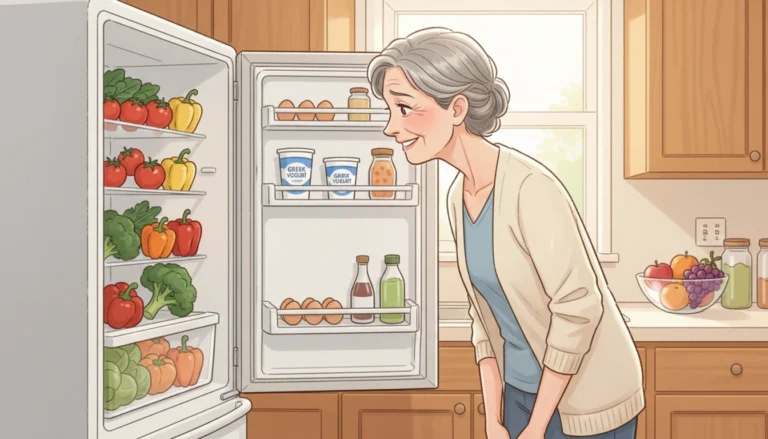
Caregivers usually need meals that are nourishing, simple, adaptable, and realistic on busy days. And most of the time, the best recipes are not fancy at all.
Good examples include:
- soft vegetable soups with beans or chicken
- scrambled eggs with spinach
- oatmeal with fruit and nut butter
- tuna salad
- lentil stew
- baked fish with cooked vegetables
- yogurt bowls
- smoothies made with milk, yogurt, fruit, and oats
Batch cooking can help take pressure off the week. Soups, stews, casseroles, and cooked grains can be made ahead and portioned out, which makes everyday meals feel less like a scramble.
What Are Quick and Healthy Recipes Tailored for Older Adult Needs?
Some of the best meals are the simple ones:
- lentil soup
- a smoothie when chewing feels tiring
- soft scrambled eggs with toast
- baked salmon with mashed sweet potatoes
- chicken and vegetable stew
Simple meals work because they lower the effort required to eat well. And that matters more than people sometimes admit.
How to Use Nutrition Information to Plan Senior-Friendly Meals?
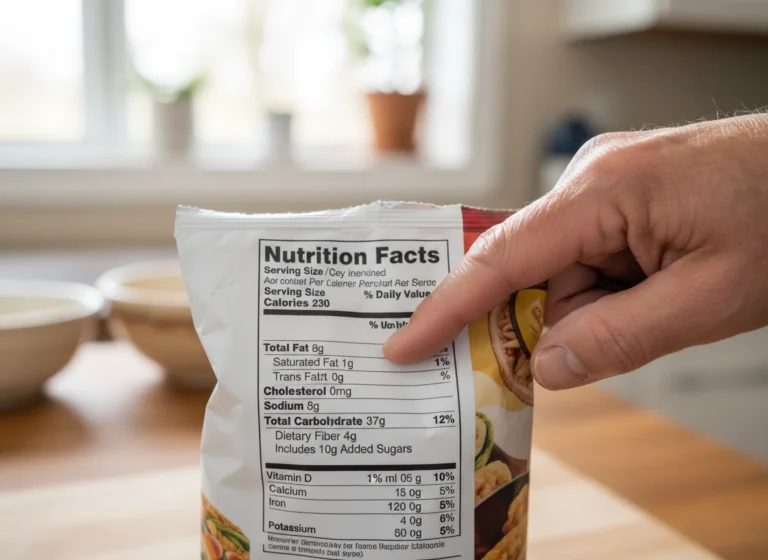
Reading labels can help caregivers compare:
- sodium
- protein
- fiber
- added sugar
- serving sizes
That is especially useful when choosing breads, cereals, soups, dairy products, and frozen meals.
Still, labels are only one part of the story. The best comprehensive diet plan for older adults balances nutrition facts with taste, appetite, texture needs, budget, and medical advice. Because even the healthiest meal in the world is not helping much if nobody wants to eat it.
Frequently Asked Questions
What are common dietary restrictions for older adults?
Common restrictions may be related to diabetes, kidney disease, high blood pressure, lactose intolerance, digestive issues, food allergies, or swallowing difficulties. Sometimes texture changes matter just as much as nutrient changes.
How can caregivers encourage better eating habits in seniors?
Pleasant mealtimes help. So does offering favorite foods, serving smaller portions more often, improving texture, and involving older adults in food choices when possible. Sharing meals can also make eating feel less lonely.
What role does hydration play in older adult nutrition?
Hydration supports digestion, circulation, temperature control, energy, and mental clarity. Since thirst often declines with age, fluids should be offered regularly through the day.
How can seniors manage their weight through diet?
Weight management should focus on nutrient-dense meals, enough protein, and balanced portions. For many older adults, preventing unintended weight loss can be just as important as avoiding weight gain.
What are the benefits of meal prepping for seniors?
Meal prepping saves time, lowers daily stress, improves consistency, and makes it easier to follow a comprehensive diet plan for older adults, especially when energy is low.
How can seniors ensure they are getting enough fiber in their diet?
Fiber can come from oats, fruit, vegetables, beans, lentils, nuts, seeds, and whole grains. It should be increased gradually and paired with enough fluids to support digestion and help prevent constipation.
Conclusion
A strong comprehensive diet plan for older adults can make a real difference in everyday life. It supports strength, bone health, hydration, digestion, energy, and independence.
The best plan is usually not the most impressive one. It is the one built around familiar foods, steady habits, enough protein, enough fluids, and practical changes that fit a person’s real life. Sometimes that means softer foods. Sometimes it means smaller meals more often. Sometimes it means repeating the same easy lunch three times a week because that is what works.
And honestly, that is fine.
If there is one thing worth remembering, it is this: food should still feel comforting. A good comprehensive diet plan for older adults should support health without turning meals into a chore.
Use this guide as a starting point, then adjust it with help from a healthcare provider or registered dietitian when needed. The best nutrition plan is the one a person can actually live with.




3 Comments
Comments are closed.