
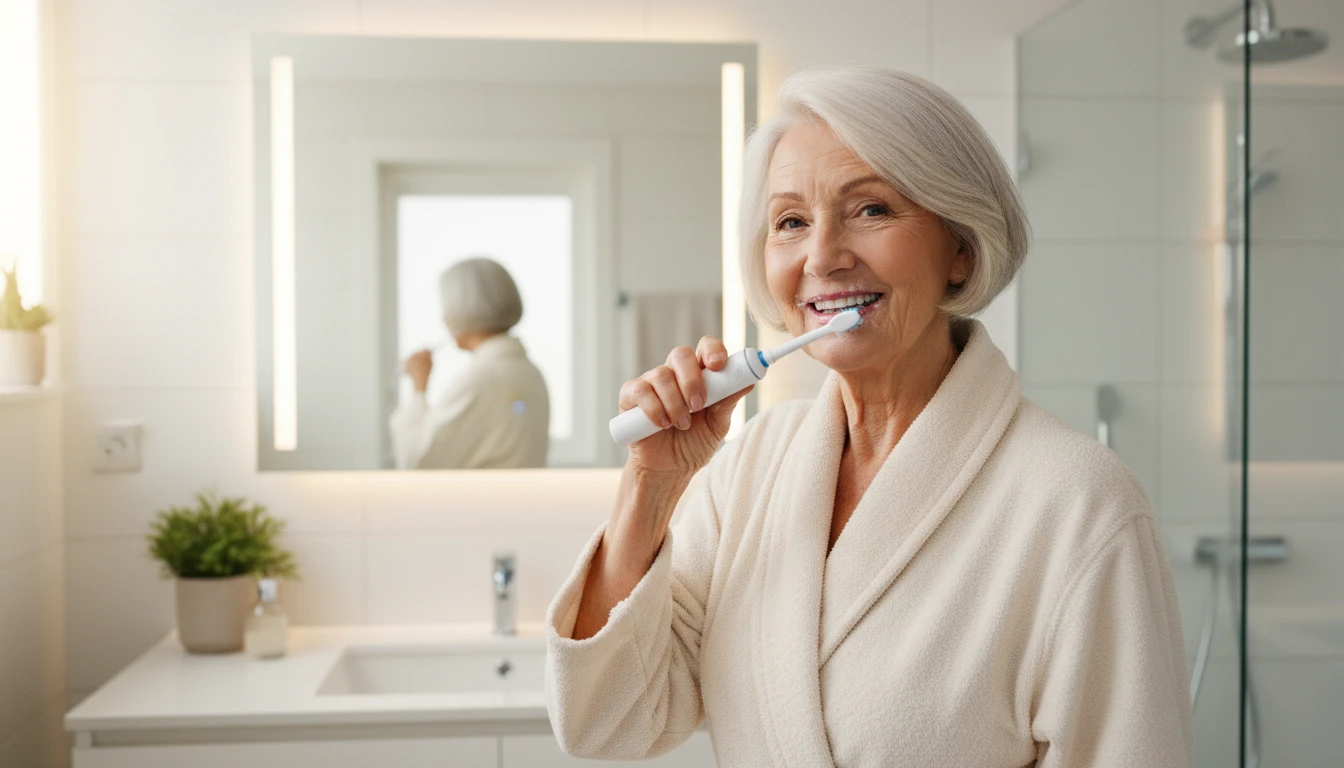
Dental Care for Seniors: Healthy Teeth, Stronger Gums, and a Smile That Lasts
Dental care for seniors helps protect teeth, gums, comfort, and confidence with simple daily habits and smart prevention.
Dental care for seniors is one of those topics people don’t usually bring up at brunch. Nobody’s passing the muffins saying, “So, how’s your gumline these days?” But maybe we should talk about it more, because oral health in retirement has a funny way of staying quiet until it suddenly becomes very loud.
A toothache at 2 a.m. is not subtle. Neither is a crown popping off while you’re eating something that had no business being that sticky.
And honestly, I get why dental care slips down the list. By the time you reach retirement age, you’ve probably spent decades taking care of everything and everyone else. Work. Kids. Parents. Bills. The house. The car. The dog who somehow needed allergy medicine more expensive than yours. So when your teeth seem mostly fine, it’s easy to think, “Good enough.”
But after 60, “good enough” can start to get risky.
Gums recede. Enamel wears down. Old dental work ages right along with the rest of us. Dry mouth becomes more common, especially if you take medications for blood pressure, allergies, depression, anxiety, pain, or other health conditions. And dry mouth is not just uncomfortable. It can make cavities much more likely.
Then there’s the money piece. Original Medicare generally doesn’t cover routine dental care, which feels like discovering your umbrella has holes only after the rain starts. So prevention matters more than ever.
This guide is here to make dental care for seniors feel less overwhelming and more doable. We’ll talk about electric toothbrushes, gum disease, cavities, dry mouth, dental emergencies, and how to plan for costs in retirement — without making it sound like a dental textbook fell asleep on your keyboard.
Key Takeaways
- Dental care for seniors becomes more important after 60 because gums, enamel, saliva flow, and old dental work can all change with age.
- Dry mouth is one of the biggest hidden cavity risks for older adults, especially for people taking common medications.
- Electric toothbrushes with soft heads and pressure sensors can help protect sensitive gums.
- Gum disease is common in older adults and may be connected with heart health, diabetes management, and respiratory health.
- Original Medicare usually does not cover routine dental care, so it helps to compare other options before there is an emergency.
- Small daily habits, done consistently, are usually more powerful than big dental promises made after a painful wake-up call.
Why Dental Care for Seniors Deserves More Attention Than It Gets
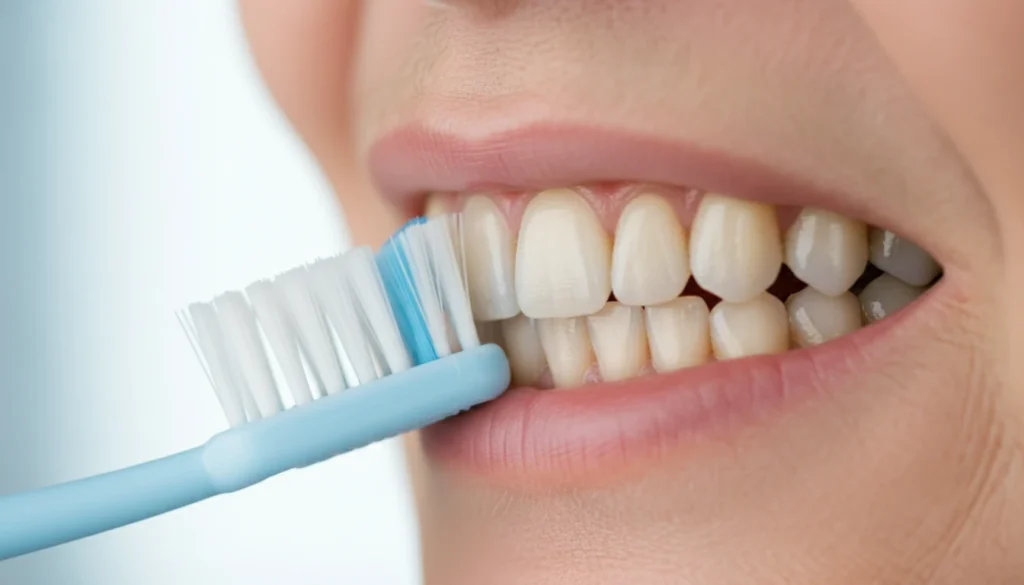
Dental care for seniors is not just about having a nice smile in family photos, though let’s be honest, that doesn’t hurt. It’s about eating comfortably. Speaking clearly. Avoiding pain. Keeping infections under control. Feeling confident when you laugh.
And it’s about your overall health, too.
The mouth is connected to the rest of the body. That sounds obvious, but we don’t always treat it that way. We act like teeth live in a separate department, maybe somewhere between “cosmetic” and “I’ll deal with that later.” But your gums, teeth, saliva, and oral bacteria are part of your whole health picture.
According to the Centers for Disease Control and Prevention, nearly one in five adults aged 65 and older has untreated tooth decay. The CDC also notes that most older adults have some form of gum disease. That’s not a tiny problem hiding in the corner. That’s a lot of people quietly dealing with dental issues while hoping nothing gets worse before the next appointment.
The National Institute on Aging also points out that older adults need to pay close attention to oral health because problems like gum disease, tooth decay, dry mouth, and tooth loss become more common with age.
I think the tricky part is that dental problems often start small. A little bleeding when you floss. A tooth that feels sensitive with cold drinks. A dry mouth at night. A denture that rubs a bit. None of those seem urgent at first. They feel like little annoyances.
But little annoyances are sometimes your mouth waving a small flag before it pulls the fire alarm.
That’s why dental care for seniors deserves a real place in your retirement health routine. Not because you need another thing to worry about. You don’t. Retirement already comes with enough paperwork, passwords, and medical portals with names that sound like rejected spaceship brands. But because a little prevention now can save a lot of pain, money, and stress later.
If you’re building a bigger preventive health routine, Preventive Care: A Golden Guide for the Golden Years on Vanika would be a natural companion article to this topic.
What Changes in Your Mouth After 60?
Aging does not automatically mean dental problems. Plenty of people keep their natural teeth for life. But dental care for seniors needs a slightly different approach because the mouth does change with time.
Not overnight. Not dramatically. More like a house that settles. A creak here, a draft there, and suddenly you realize the windows need attention.
Gums Can Recede
Gum recession is common as people get older. When gums pull back, more of the tooth root becomes exposed. That root surface is not protected by enamel the same way the crown of the tooth is, so it can be more sensitive and more likely to decay.
This is one reason seniors sometimes get cavities near the gumline even if they had strong teeth for years. It can feel like the rules changed without anyone sending a memo.
Enamel Can Wear Down
Tooth enamel is strong, but it has been working hard for decades. Chewing, acidic foods, grinding, brushing too aggressively, and normal wear can all take a toll. As enamel thins, teeth may become more sensitive or more vulnerable to decay.
This is where gentleness matters. Your teeth do need cleaning, but they do not need to be scrubbed like you’re trying to remove a price sticker from a glass jar.
Dry Mouth Becomes More Common
Dry mouth is one of the biggest reasons dental care for seniors needs extra attention. Saliva does a lot more than keep your mouth comfortable. It helps rinse away food, neutralize acids, and protect teeth from decay.
Many medications can reduce saliva flow. The American Dental Association explains that dry mouth can raise the risk of cavities, gum disease, mouth sores, and trouble chewing or swallowing.
If your mouth often feels sticky, if you wake up thirsty, or if you need water just to get through crackers or pills, don’t brush it off. Dry mouth is not just annoying. It’s a real dental risk.
Old Dental Work Needs Maintenance
Fillings, crowns, bridges, implants, partials, and dentures all age. A crown can loosen. A filling can crack. Dentures can stop fitting well as gums and bone change.
That doesn’t mean anything went wrong. It just means dental work is not a “set it and forget it” situation. It’s more like owning a house. Even the good stuff needs checking once in a while.
A Simple Daily Routine That Actually Works
The best dental care for seniors is not fancy. It’s steady.
I know that sounds almost disappointingly simple. We always want the secret trick, the magical product, the one toothpaste dentists fear because it knows too much. But most of the time, good oral health comes down to doing the basics well and doing them often.
Brush Twice a Day With Fluoride Toothpaste
Brush in the morning and before bed using fluoride toothpaste. Fluoride helps strengthen enamel and can protect exposed root surfaces, which is especially helpful for older adults.
Use a soft-bristled toothbrush. If your gums are sensitive or receding, an extra-soft brush may be even better.
And go easy on the pressure. Brushing harder does not mean brushing better. It just means your gums may file a complaint.
Clean Between Your Teeth Once a Day
This is the part people love to skip. I understand. Flossing has somehow become the chore of the mouth. But plaque between teeth is a major trouble spot, especially as gums change with age.
The good news is that string floss is not your only option.
You can use:
- Floss picks
- Interdental brushes
- Soft rubber picks
- A water flosser
- Special floss threaders for bridges or implants
The best choice is the one you’ll actually use. A perfect tool sitting in a drawer is not better than a simple tool used every night.
Use Mouthwash the Smart Way
An alcohol-free fluoride rinse may help if you are prone to cavities or dry mouth. Ask your dentist what’s best for you.
Just don’t treat mouthwash like a replacement for brushing and cleaning between teeth. Mouthwash is helpful. It is not a tiny minty pressure washer that solves everything.
Care for Dentures and Partials Daily
If you wear dentures or partials, clean them every day and remove them at night unless your dentist tells you otherwise. Gums need rest.
The National Institute on Aging recommends cleaning dentures daily and seeing a dentist if they become loose, uncomfortable, or cause sores.
Loose dentures are not something you have to tolerate. They can affect chewing, speech, nutrition, and confidence. If they rub, slip, or make eating harder, it’s worth getting them checked.
Why an Electric Toothbrush Can Be a Smart Upgrade
An electric toothbrush can make dental care for seniors easier, especially if you have arthritis, hand stiffness, gum recession, or trouble brushing for a full two minutes.
It’s not that manual toothbrushes are bad. They can work well. But they depend heavily on technique, consistency, and hand movement. An electric toothbrush takes over some of that work.
And honestly, I’m a fan of anything that quietly does its job without requiring me to become a brushing athlete.
What Electric Toothbrushes Do Well
Electric toothbrushes can help remove plaque more consistently, especially around the gumline. Some use sonic vibrations. Others use oscillating-rotating movement. Both can be helpful when used properly.
A Cochrane review found that powered toothbrushes reduced plaque and gingivitis more than manual toothbrushes over time. That matters because plaque buildup near the gums is one of the main drivers of inflammation.
For seniors, the biggest benefits are usually:
- Less need for aggressive hand motion
- Better cleaning around the gumline
- Built-in timers
- Pressure sensors
- Easier brushing for people with limited dexterity
I used to think I brushed for two minutes. Then I used a timer and found out my “two minutes” was more like 52 seconds plus confidence. Very humbling. Very necessary.
Features to Look For
If you’re choosing an electric toothbrush, don’t get distracted by every fancy feature. You don’t need your toothbrush to connect to Wi-Fi, analyze your personality, or send you a quarterly performance review.
Look for:
- Soft or extra-soft brush heads
- A pressure sensor
- A gentle mode
- A two-minute timer
- A comfortable handle
- Affordable replacement heads
- Easy charging
The pressure sensor is especially useful. Many people brush too hard without realizing it. A pressure sensor is like a polite little coach saying, “Maybe don’t sand the gums today.”
Electric vs. Manual Toothbrushes for Seniors
| Brush Type | How It Helps | Best For |
|---|---|---|
| Sonic electric toothbrush | Uses fast vibrations to help loosen plaque | Seniors with sensitive gums or limited hand movement |
| Oscillating-rotating electric toothbrush | Uses a small rotating head to clean tooth surfaces | Seniors who want strong gumline cleaning |
| Soft manual toothbrush | Works well with gentle, thorough technique | Seniors with good dexterity and consistent habits |
| Extra-soft manual toothbrush | Reduces irritation on tender gums | Seniors with gum recession or sensitivity |
A manual toothbrush is still fine if you use it well. But for many people, an electric toothbrush makes dental care for seniors easier to stick with.
Cavity Prevention for Seniors Is a Different Game

Cavities are not just a kid problem. Adults get them too, and seniors can be especially vulnerable.
One of the biggest reasons is dry mouth. Saliva helps protect teeth, and when there is less of it, cavity-causing bacteria have an easier time.
This is why someone can go years with very few cavities and then suddenly have several. It’s frustrating, but it usually has a reason.
The Dry Mouth and Cavity Connection
Dry mouth can happen because of medications, dehydration, certain medical conditions, radiation treatment, or mouth breathing at night.
When saliva is low, acids stay on the teeth longer. Food particles don’t wash away as easily. The mouth becomes a friendlier place for bacteria, which is rude of it, frankly.
Root cavities are also more common in older adults because gum recession exposes softer root surfaces. These areas decay more easily than enamel.
Steps That Help Prevent Cavities
For better cavity prevention, try to make these habits part of your routine:
- Brush twice a day with fluoride toothpaste.
- Clean between teeth daily.
- Drink water often.
- Ask your dentist about dry mouth products.
- Use sugar-free xylitol gum or lozenges if appropriate.
- Limit frequent snacking.
- Avoid sipping sugary or acidic drinks for long periods.
- Ask about prescription fluoride toothpaste if you keep getting cavities.
- Keep regular dental visits.
The snacking piece is worth mentioning. It’s not only what you eat. It’s how often your teeth are exposed to sugar or acid. A dessert after dinner is one thing. A day-long parade of cookies, sweet coffee, and hard candy is another.
No judgment. I too have met a cookie that made a compelling argument. But your teeth appreciate breaks.
Preventive Options Worth Asking About
| Option | What It Does | Who It Helps |
|---|---|---|
| Fluoride toothpaste | Strengthens enamel and root surfaces | Most seniors |
| Prescription fluoride toothpaste | Gives stronger cavity protection | Seniors with dry mouth or frequent cavities |
| Fluoride varnish | Adds professional-strength protection | High-risk adults |
| Xylitol gum or lozenges | Helps stimulate saliva | People with dry mouth |
| Interdental brushes | Clean spaces between teeth | People with gum recession or wider gaps |
| Water flosser | Flushes around teeth, bridges, and implants | People with dental work or limited dexterity |
Ask your dentist what makes sense for your mouth. Dental care for seniors should be personal, not copied from whatever your neighbor swears by at pickleball.
Gum Disease: The Quiet Problem Seniors Shouldn’t Ignore
Gum disease is common, and it can sneak up slowly.
It often starts as gingivitis, which means the gums are inflamed. You might notice bleeding when brushing or flossing, redness, swelling, or tenderness. At this stage, it can usually be reversed with better home care and professional cleaning.
If it progresses, it can become periodontitis. That’s when the infection and inflammation begin affecting the bone and tissues that support the teeth.
That’s the point where things get more serious.
Why Gum Disease Matters
The CDC explains that periodontal disease involves infection and inflammation of the gums and bone around the teeth. It is more common with age and can be affected by smoking, diabetes, immune health, medications, and genetics.
Gum disease has also been linked with other health concerns. Researchers are still studying the exact relationships, but there are enough connections to pay attention.
For example, the National Institute of Diabetes and Digestive and Kidney Diseases notes that people with diabetes are more likely to have gum disease, and gum disease can make blood sugar harder to manage.
The American Heart Association has also discussed research connecting poor oral health habits with heart-related risks. That does not mean gum disease automatically causes heart disease, but it does mean oral health belongs in the bigger health conversation.
Your gums are not just decorative trim for your teeth. They matter.
Early Warning Signs
Call your dentist if you notice:
- Bleeding when brushing or flossing
- Gums that look red, puffy, or tender
- Bad breath that keeps coming back
- Teeth that look longer because gums are pulling back
- Loose teeth
- Pain when chewing
- A change in your bite
- Dentures or partials fitting differently
Bleeding gums are easy to minimize, but they shouldn’t be ignored. If your scalp bled every time you brushed your hair, you probably wouldn’t say, “Well, that’s just Tuesday.” Same idea.
Treatments for Gum Disease
Treatment depends on how advanced the gum disease is.
Professional Cleaning
For gingivitis, a regular cleaning and improved home routine may be enough. Your dentist or hygienist may show you better ways to brush or clean between teeth.
This is not a scolding session, though it can feel like one if you arrive with a guilty conscience and floss that still looks brand new. The goal is to help you prevent bigger problems.
Scaling and Root Planing
If gum disease has progressed, your dentist may recommend scaling and root planing. This is a deep cleaning that removes tartar and bacteria below the gumline.
It may be done with local anesthesia, and it can make a big difference. Many people feel nervous before it and relieved afterward.
Periodontal Maintenance
After treatment, you may need cleanings every three or four months instead of twice a year. That’s common for people with periodontitis.
It doesn’t mean you failed. It means your gums need closer care.
Surgery or Specialist Care
For advanced gum disease, a periodontist may recommend surgery, bone grafting, or other procedures. Not everyone needs this. Your treatment should depend on your health, goals, gum condition, and budget.
The main thing is not to wait until teeth feel loose. By then, the problem is harder to fix.
Dental Emergencies in Retirement: What Needs Fast Attention?
Dental emergencies never arrive politely. They show up during dinner, on vacation, or right before a weekend when every office voicemail suddenly sounds smug.
Knowing what counts as urgent can save pain, money, and sometimes a tooth.
Get Urgent Care If You Have
- Severe tooth pain that does not improve
- Swelling in the face, jaw, or neck
- Fever with dental pain or swelling
- Trouble swallowing or breathing
- Uncontrolled bleeding
- A knocked-out tooth
- A badly broken tooth
- Signs of infection, such as pus or a bad taste
- Mouth or jaw injury
If swelling spreads or you have trouble breathing or swallowing, seek emergency medical care. Dental infections can become serious, especially for older adults or anyone with chronic health conditions.
What to Do Right Away
For a Knocked-Out Tooth
Hold the tooth by the crown, not the root. Rinse it gently if needed. Try to place it back in the socket if you can. If not, put it in milk or saline and get to a dentist quickly.
Time matters.
For Swelling or an Abscess
Do not try to drain it yourself. Rinse gently with warm salt water. Use a cold compress for comfort. Call for same-day dental care.
For a Broken Tooth
Rinse with warm water. Save any pieces. Avoid chewing on that side. Cover sharp edges with dental wax if you have it.
For a Lost Crown or Filling
Keep the crown if it came off. Avoid chewing there. Temporary dental cement may help briefly, but see a dentist soon.
Keep an Emergency Plan
It helps to keep this information handy:
- Dentist’s phone number
- Nearby urgent dental clinic
- Medication list
- Allergy list
- Dental insurance information
- Major health conditions
This is one of those boring little preparations that feels unnecessary until it suddenly feels brilliant.
Paying for Dental Care in Retirement
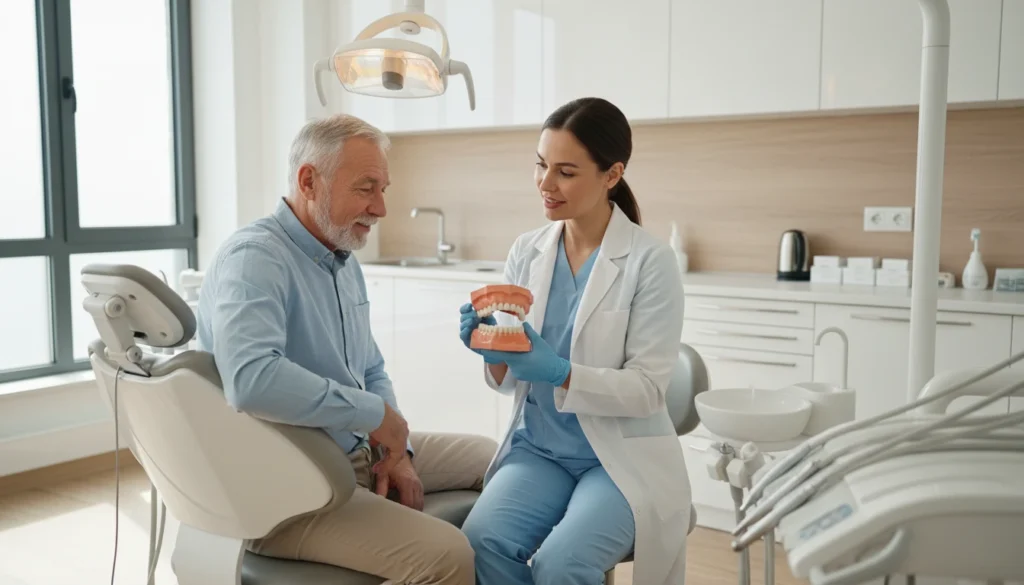
Now we get to the part nobody enjoys: cost.
Dental care for seniors can be expensive, and many retirees delay treatment because they’re worried about the bill. That is understandable. Retirement budgets are real, and dental estimates can sometimes look like someone accidentally quoted a kitchen remodel.
But waiting can make costs worse. A small cavity is usually cheaper than a root canal. Early gum care is usually cheaper than advanced periodontal treatment. A denture adjustment is easier than dealing with sores or infection.
What Medicare Does and Does Not Cover
Original Medicare generally does not cover routine dental care, including cleanings, fillings, dentures, or most extractions. You can read the official details at Medicare.gov.
Some Medicare Advantage plans include dental benefits, but coverage varies. Look closely before choosing a plan.
Check:
- Annual maximums
- Covered services
- Waiting periods
- Dentists in the network
- Denture coverage
- Implant coverage
- Copays
- Whether major services are covered
A plan may say it includes dental, but that can mean anything from “two cleanings” to “some help with bigger procedures.” Always read the details.
Ways to Lower Dental Costs
Options may include:
- Medicare Advantage dental benefits
- Standalone dental insurance
- Dental discount plans
- Dental schools
- Community health centers
- Nonprofit dental programs
- Payment plans through dental offices
The Health Resources and Services Administration has a tool for finding community health centers, some of which offer dental services with sliding-scale fees.
The Dental Lifeline Network also helps eligible people, including many older adults and people with disabilities, access donated dental care in participating areas.
If cost is keeping you from care, tell the dental office. Some offices can phase treatment, prioritize the most urgent issues, or discuss payment options. It is better to have an honest conversation early than to wait until the tooth makes the decision for you.
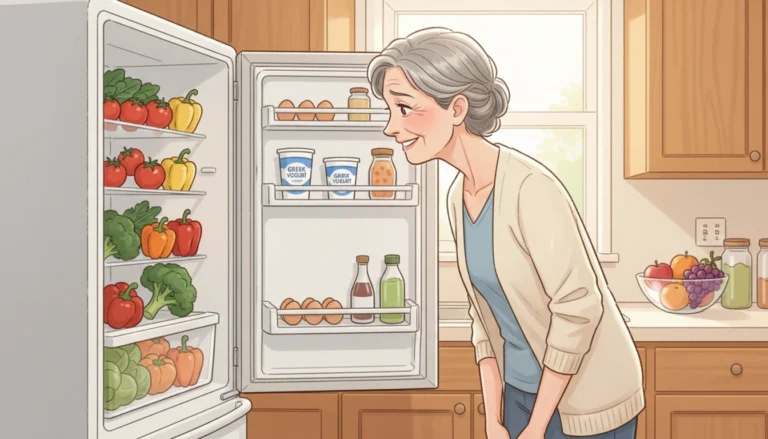
Eating for a Healthier Mouth
Food plays a bigger role in dental care for seniors than most people realize.
A healthy mouth helps you eat well, and eating well helps keep your mouth healthier. It’s a nice little circle when it works. When it doesn’t, things can slide quickly.
Foods That Support Oral Health
Helpful choices include:
- Dairy products or calcium-fortified alternatives
- Leafy greens
- Eggs
- Fish
- Lean meats
- Beans
- Nuts and seeds, if easy to chew
- Crunchy fruits and vegetables
- Whole grains
- Plenty of water
Protein matters because it supports tissue repair and overall strength. If chewing meat, nuts, raw vegetables, or other healthy foods becomes difficult, talk to your dentist. Don’t quietly shrink your diet until it becomes toast, soup, and vibes.
Be Careful With All-Day Snacking
You don’t need to live a sugar-free life unless your doctor or dentist recommends it. Life is too short to pretend birthday cake is not a meaningful human experience.
But constant snacking can be hard on teeth. Each sugary or starchy snack gives bacteria more fuel. Each acidic drink adds another round of enamel stress.
Try to keep snacks intentional. Drink water afterward. Choose tooth-friendlier options when you can.
Making Dental Habits Stick
The best dental care routine is the one you actually do.
Not the perfect one you imagine on a Monday morning after reading a health article. The real one. The one that works when you’re tired, traveling, busy, or watching one more episode even though you said you were going to bed.
Keep Supplies Visible
Put floss picks, interdental brushes, or a water flosser where you’ll see them. If your dental tools are hidden in a drawer, they might as well be in another zip code.
Attach Habits to Existing Routines
Try:
- Brushing after morning coffee
- Cleaning between teeth after dinner
- Rinsing after evening medications
- Charging your toothbrush beside your nighttime routine
You’re not relying on motivation. You’re building a small system.
Book Appointments Before You Leave
Schedule your next cleaning while you’re still at the dental office. If you wait until “later,” later may become next spring, then next fall, then “has it really been three years?”
Time does that. Very rude.
Keep a Simple Dental Note
In your phone or notebook, track:
- Sensitivity
- Bleeding gums
- Dry mouth
- Denture fit
- Dental work
- Medication changes
- Questions for your dentist
This helps you explain what’s happening instead of sitting in the chair saying, “Something feels weird on the left side, but not always, and maybe only with almonds.” We have all been there.
Questions to Ask Your Dentist
A good dental visit should help you understand your personal risks. Dental care for seniors is not the same for everyone.
Ask:
- Am I at high risk for cavities?
- Do I have gum recession?
- Are there signs of gum disease?
- Is dry mouth affecting my teeth?
- Should I use prescription fluoride toothpaste?
- What should I use to clean between my teeth?
- How often should I come in?
- Are my crowns, fillings, dentures, bridges, or implants still in good shape?
- What treatment is urgent, and what can wait?
- Are there lower-cost options?
That last question matters. If money is a concern, say so. A good dentist would rather help you make a realistic plan than have you disappear until something hurts.
Conclusion: Dental Care for Seniors Is About Comfort, Confidence, and Freedom
Dental care for seniors is not about vanity. It’s about being able to eat what you enjoy, smile without thinking about it, sleep without tooth pain, and avoid emergencies that turn an ordinary week into a very expensive scavenger hunt.
And the encouraging part is that the basics still work.
Brush gently with fluoride toothpaste. Clean between your teeth. Manage dry mouth. Use tools that make the routine easier. Keep up with dental visits. Pay attention when something changes.
Most dental problems do not begin as emergencies. They begin quietly. A little bleeding. A little sensitivity. A little dryness. A denture that rubs. A filling that feels off.
Listen early.
If I could give one simple piece of advice, it would be this: don’t wait for pain to start caring. Your teeth and gums are part of your retirement freedom. They help you enjoy meals, conversations, travel, laughter, and everyday comfort.
That’s worth protecting. And thankfully, it doesn’t require perfection. Just steady, practical care — the kind you can actually live with.





2 Comments
Comments are closed.